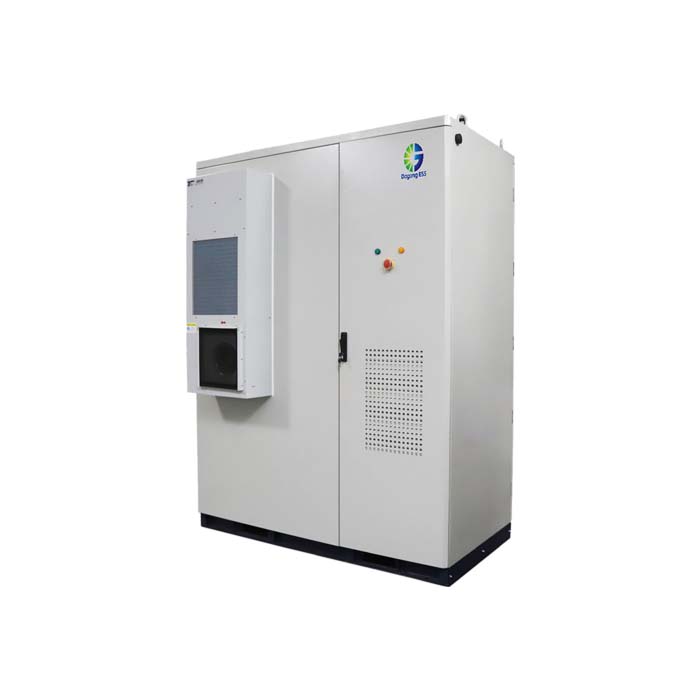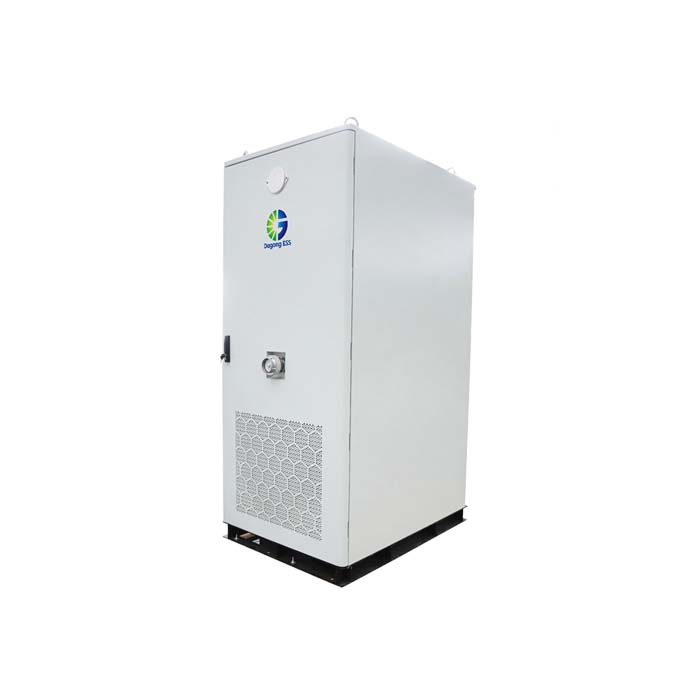

- 2025-06-09 23:50:29
Air-Cooled vs. Liquid-Cooled ESS: What’s the Difference?
Two dominant cooling technologies—Air-Cooled and Liquid-Cooled systems—are widely used in household and commercial ESS.
Read MoreTwo dominant cooling technologies—Air-Cooled and Liquid-Cooled systems—are widely used in household and commercial ESS.
Read MoreAir duct design in air-cooled energy storage systems (ESS) refers to the engineering layout of internal ventilation pathways that guide airflow for optimal thermal management of battery modules. This design is critical in maintaining safe operating temperatures, extending battery lifespan, and ensuring system stability.
Read MoreVehicle-to-Grid (V2G) is a cutting-edge energy technology that enables electric vehicles (EVs) to not only draw electricity from the grid but also send stored energy back to it. This bidirectional energy flow enhances grid stability, supports peak load management, and unlocks new economic value for EV owners and energy operators alike.
Read MoreA Virtual Power Plant (VPP) is a decentralized network of distributed energy resources (DERs)—such as energy storage systems, solar PV, wind turbines, and electric vehicles—aggregated and managed through a centralized AI-based platform.
Read MoreIt enhances energy self-sufficiency, provides backup power during outages, and allows homeowners to save on electricity bills by using stored energy during peak pricing hours.
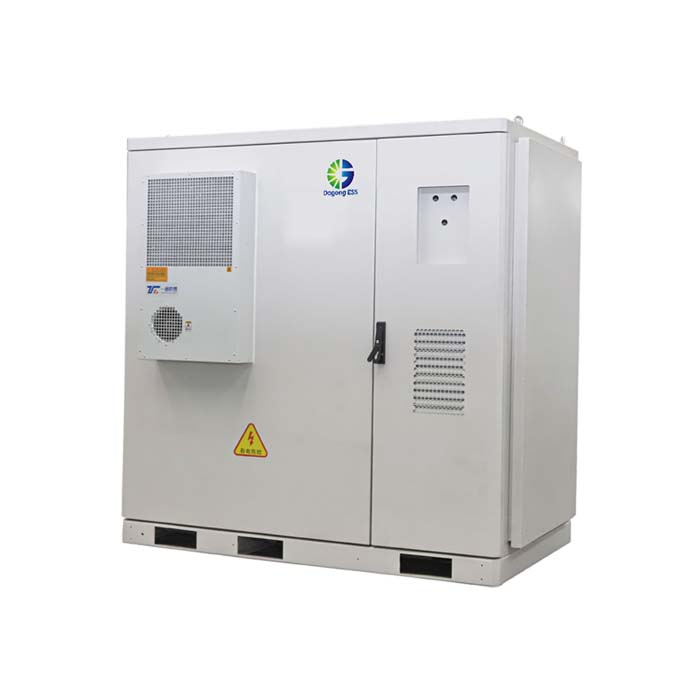
Read MoreA Commercial & Industrial Energy Storage System (C&I ESS) is a scalable power storage solution designed to meet the high energy demands of businesses, factories, industrial parks, commercial buildings, and microgrids.
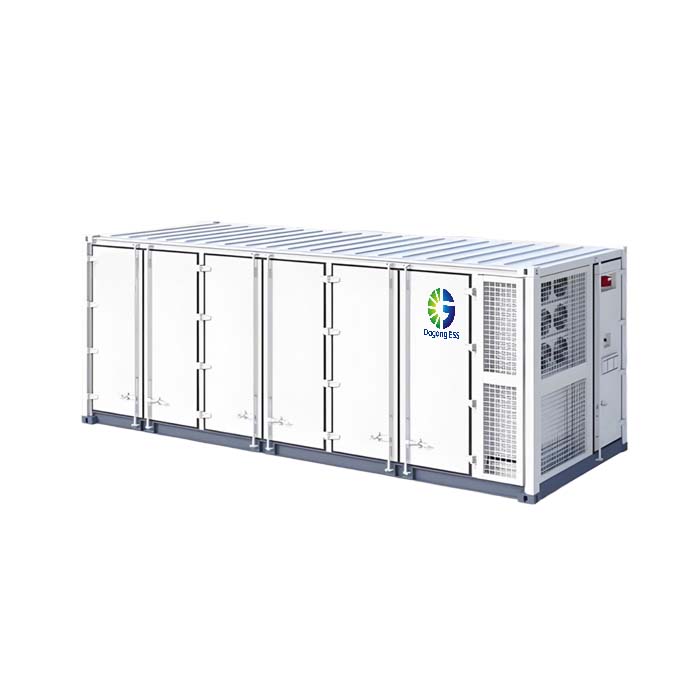
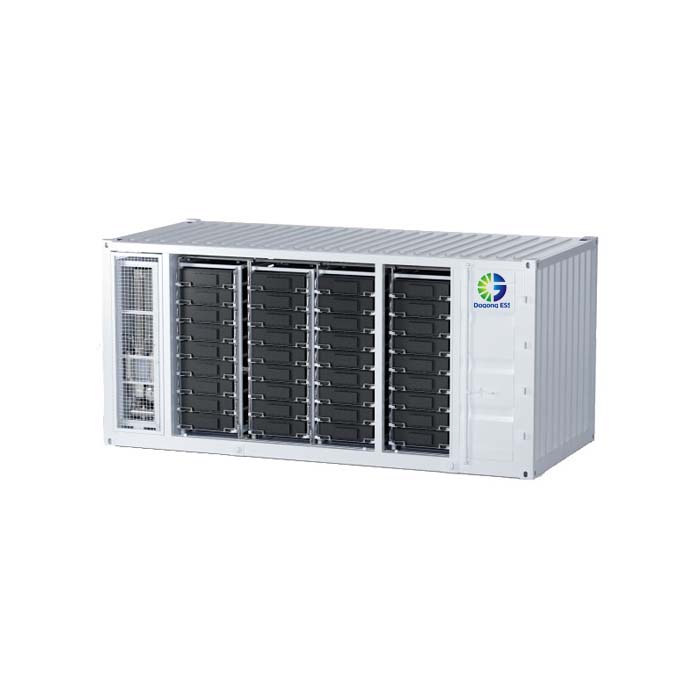
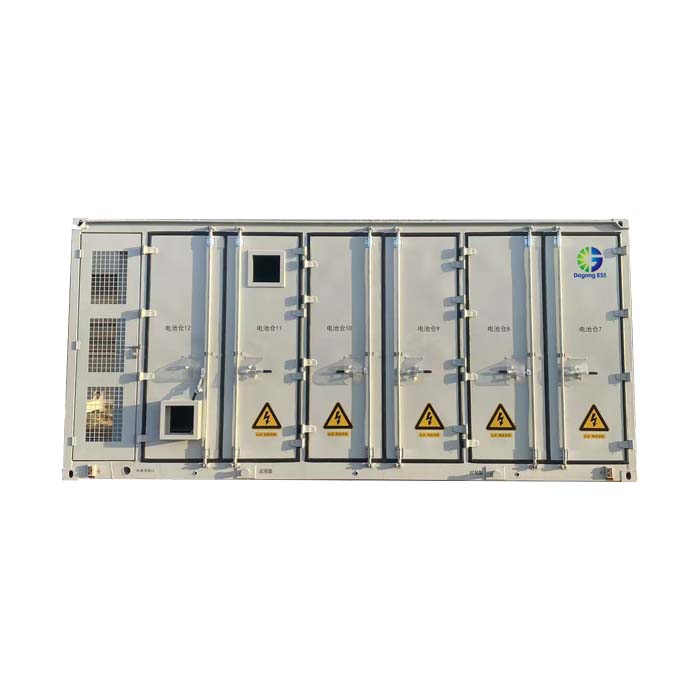
Read MoreAs the demand for large-scale, flexible, and mobile energy solutions grows worldwide, Container Energy Storage Systems (CESS) have emerged as a reliable answer for industrial, commercial, and utility-grade applications.
Read MorePeak shaving and valley filling refer to energy management strategies that balance electricity supply and demand by storing energy during periods of low demand (valley) and releasing it during peak demand times.
Read MoreGrid frequency regulation and peak load regulation refer to the ability of power systems to maintain a stable frequency (typically 50Hz or 60Hz) and balance supply-demand during peak and off-peak periods.
Read MoreWithout effective storage, renewable energy sources are limited by their intermittent and unpredictable nature.
Read MoreCopyright © 2024 By Dagong ESS