
 WhatsApp
 sales@dagongess.com
 +86 18137952759
Container Energy Storage Solutions for Ground-Mounted Solar Projects
Ground-mounted solar farms have become one of the fastest-growing renewable energy assets worldwide. Yet as solar penetration rises, challenges such as intermittency, voltage fluctuation, peak-shaving requirements, and grid stability become increasingly critical. Containerized energy storage systems (ESS) have emerged as the most scalable and efficient solution for stabilizing energy production and improving project economics.
What Is a Container Energy Storage System?
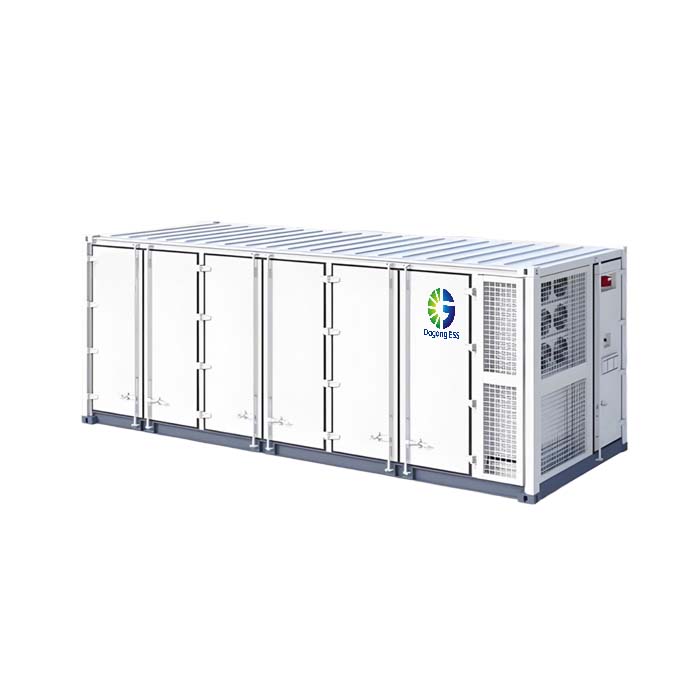
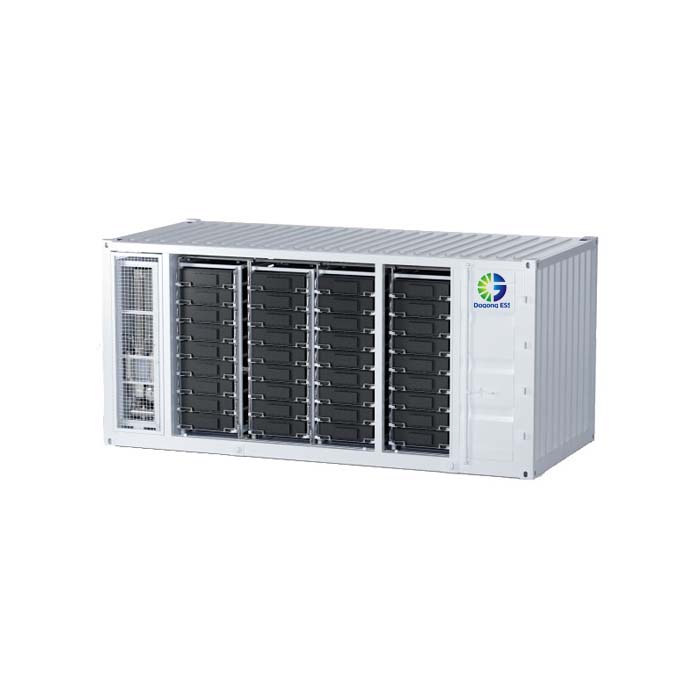
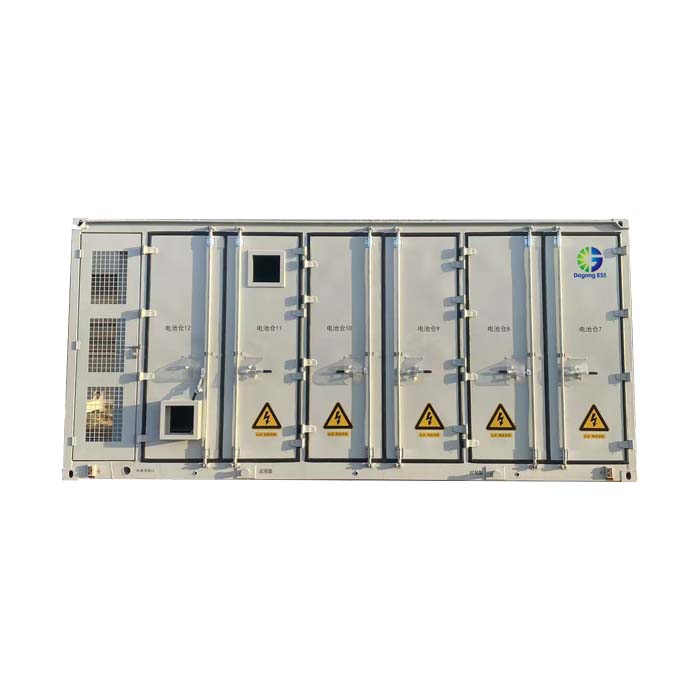
A container energy storage system is a fully integrated battery storage solution packaged within a standard 20-ft or 40-ft container. It includes the battery modules, BMS, PCS, EMS, fire protection system, thermal management, cabling, and auxiliary components within a single transportable enclosure.
For ground-mounted solar farms, container ESS serves three primary purposes:
Store excess PV generation during peak sun hours
Release power during the evening load peak or low-irradiance periods
Smooth and stabilize output to meet grid requirements
Modern ESS containers commonly use LFP battery technology because of its long life cycle, chemical stability, and high safety profile. Container capacities typically range from 1.2MWh for smaller distributed systems to 5MWh for utility-scale deployments.
Why Container ESS Is Important for Solar Farms
Solar farm developers face several operational challenges that directly impact revenue and grid compliance. A container ESS addresses these challenges in the following ways:
Reduces Intermittency and Output Fluctuations
A cloud passing overhead can cause large, sudden drops in generation. With integrated ESS, PV output becomes smoother and more predictable.
Enables Peak–Valley Arbitrage
Stored energy can be sold when grid demand and electricity prices are highest, improving project ROI.
Enhances Grid Stability & Meets Utility Regulations
Many utilities now require:
ramp-rate control
reactive power support
frequency regulation
spinning reserve capability
Container ESS enables PV plants to meet all of these requirements.
Maximizes Solar Utilization
Without storage, some PV power may be curtailed during peak production hours. ESS prevents energy waste by storing surplus energy.
Simplifies Deployment & Reduces Engineering Time
Since the entire ESS is pre-integrated in the container, installation is faster than traditional battery rooms.
Improves Long-Term Project Stability
ESS extends the operational flexibility of solar farms and reduces the impact of seasonal variation.
Advantages of Container ESS for Ground-Mounted Solar Projects
Container ESS provides several important benefits for utility-scale renewable energy developers:
1. High Energy Density & Scalable Capacity
A single 40-ft container can deliver up to 5MWh of usable storage capacity. Multiple containers can be connected via parallel configuration to build multi-megawatt-hour ESS.
2. Modular, Transportable, and Easy to Expand
The container structure allows fast relocation, easy replacement of components, and scalable configuration during project expansion.
3. Advanced Cooling Technologies
Thermal management is essential for battery performance.
Common technologies include:
Air-cooled systems: cost-effective, easier maintenance
Liquid-cooled systems: high precision temperature control, ideal for hot climates
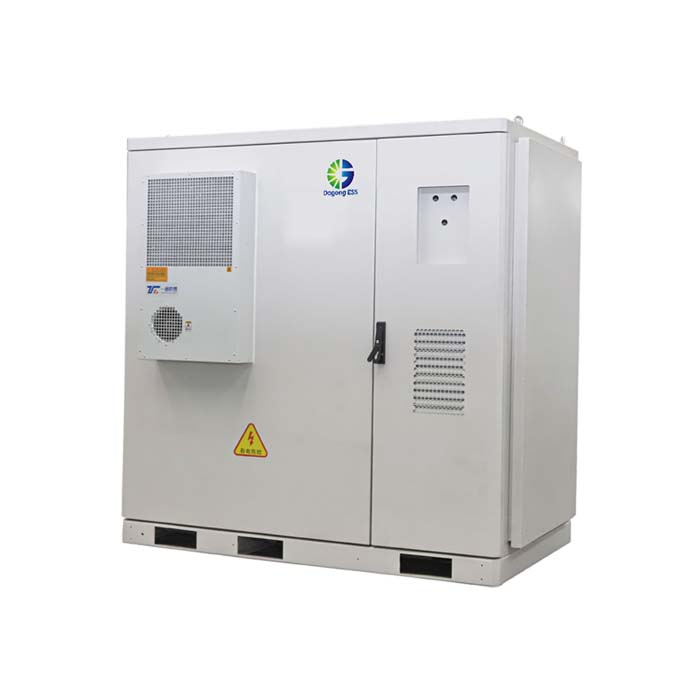
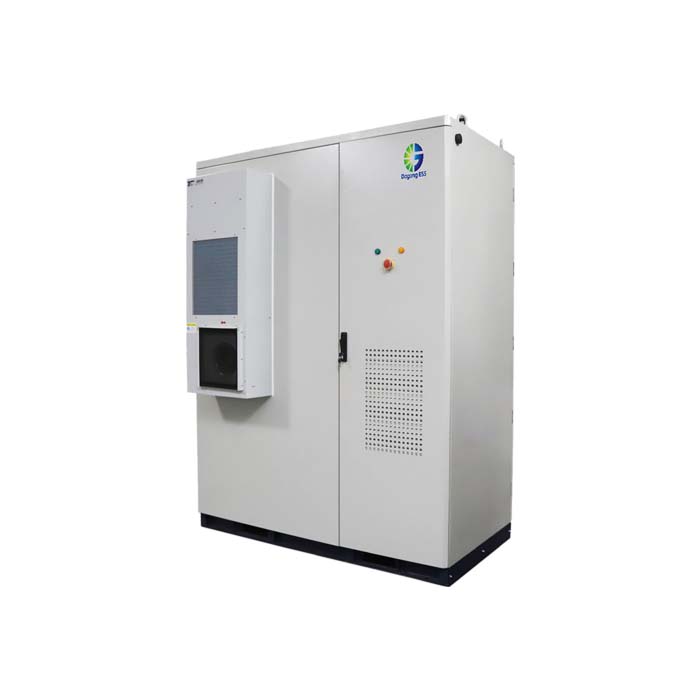
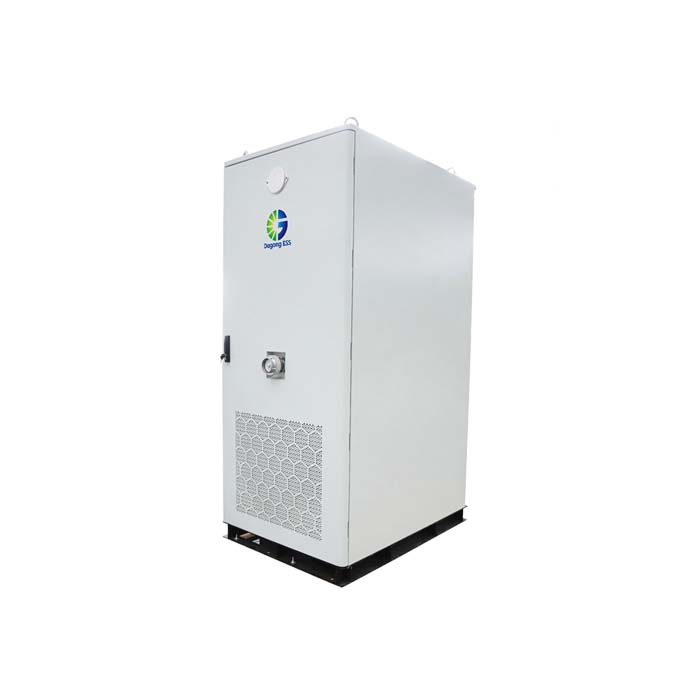
Many commercial projects use liquid-cooled solutions between 241kWh–372kWh per battery cabinet, forming part of the container ESS.
4. Integrated EMS for Real-Time Control
A high-performance EMS helps solar farms achieve:
SOC/SOH optimization
PV generation smoothing
black-start capability
peak shaving
remote monitoring
fault detection and automatic logging
5. Multi-Layer Safety Design
Container ESS typically integrates:
gaseous or aerosol fire suppression
multi-level protective BMS
temperature and humidity monitoring
smoke and arc-flash detection
isolation switches
6. Lower Installation and Operating Costs
Because the ESS is pre-assembled in the factory, on-site installation requires fewer labor hours, reducing BOS (Balance of System) cost.
Types of Container Energy Storage Systems
Different ESS container configurations are suitable for different PV project sizes and constraints.
1. Air-Cooled Container ESS (Cost-Optimized)
Air-cooled ESS is typically used in moderate climates. These systems often integrate battery strings ranging from 144kWh to 416kWh, assembled into a container to reach utility-scale capacity.
Advantages:
Lower CAPEX
Easy maintenance
Simple structure
2. Liquid-Cooled Container ESS (High-Precision Temperature Control)
Liquid-cooled systems maintain superior temperature uniformity, which improves cycle life and safety—crucial for hot or tropical climates.
These systems usually incorporate batteries between 241kWh–372kWh per subsystem.
Advantages:
Excellent thermal consistency
Longer battery service life
Ideal for high ambient temperature regions
3. Large-Capacity ESS Containers (1.2MWh and 5MWh)
Designed for utility-scale installations, these containers integrate PCS, battery racks, cooling system, EMS, and safety systems.
Applications:
Solar smoothing
Frequency regulation
Hybrid microgrids
Peak shaving for utility substations
Applications of Container ESS in Ground-Mounted Solar Projects
Container energy storage systems are used across multiple PV project types:
1. Utility-Scale Solar Farms
ESS enables large solar farms to:
stabilize output
reduce curtailment
comply with grid ramp-rate limits
2. Hybrid PV + Energy Storage Plants
ESS helps shift excess daytime solar generation to evening peak hours.
3. Off-Grid / Remote Solar Stations
Islands, mining sites, and remote communities depend on ESS to provide stable power without diesel.
4. Solar Peaker Plants
Container ESS supports solar peaker plants that operate during high-demand hours.
5. Solar Projects with Limited Grid Capacity
ESS absorbs power when grid capacity is exceeded and releases it when demand decreases.
How to Choose the Right Container ESS for Your Solar Project
When choosing a containerized energy storage system (ESS) for a solar project, developers should carefully evaluate the following key factors:
1. Battery chemistry is a primary consideration. Lithium Iron Phosphate (LFP) is currently the preferred technology due to its excellent thermal stability, long cycle life, high safety level, and predictable performance degradation. The cooling method should be selected based on the local climate: air-cooled systems are suitable for mild climates, while liquid cooling is essential for high-temperature regions or high-density projects.
2. System capacity must be determined according to project goals. For PV output smoothing, a typical configuration is 10%–20% of the installed PV capacity; for peak shaving or arbitrage, 1 to 4 hours of storage duration is generally required.
3. The capabilities of the Energy Management System (EMS) are critical. A robust EMS should provide real-time monitoring, automatic alarms, grid dispatch control, and flexible scheduling strategies. Safety is paramount—the system must comply with relevant international standards and certifications such as CE, UN38.3, IEC, and UL.
4. Finally, it is essential to ensure the ESS seamlessly integrates with on-site power conversion systems and fully meets all local grid code requirements to guarantee smooth grid connection and stable operation of the project.
Container energy storage systems have become an essential component of modern ground-mounted solar projects. They improve energy stability, reduce curtailment, and enhance overall plant efficiency. As global demand for renewable energy continues to grow, container ESS technology will remain a core solution for utility-scale solar development.
For developers seeking practical, field-proven configurations, solutions such as 144kWh–416kWh air-cooled systems, 241kWh–372kWh liquid-cooled systems, and 1.2MWh or 5MWh ESS containers are widely used in large PV installations. To select the best option for your site conditions and project requirements, consulting an experienced energy storage supplier like Dagong ESS can help you determine the most suitable containerized ESS configuration for long-term, stable operation.