
 WhatsApp
 sales@dagongess.com
 +86 18137952759
What Are the Power Architecture Challenges for AI Data Centers Facing Next-Gen AIDC Energy Storage?
Artificial Intelligence Data Centers (AIDCs) are purpose-built facilities designed to support large-scale AI model training and inference. Unlike traditional enterprise data centers, AIDCs are characterized by extreme power density, highly dynamic load profiles, and continuous growth in computing demand driven by large language models, high-performance GPUs, and accelerator clusters. As AI workloads scale exponentially, power infrastructure has emerged as the primary constraint limiting further expansion.
Industry experts increasingly agree that computing performance is no longer constrained solely by chips or algorithms, but by the availability, stability, and efficiency of electricity. Power generation, voltage transformation, thermal management, and energy storage are now deeply interconnected elements of AIDC architecture. Without a resilient energy foundation, even the most advanced computing hardware cannot operate reliably.
What Makes Energy Storage Essential for AI Data Centers?
Energy storage has shifted from a backup role to a core component of AIDC power systems. AI data centers experience frequent power fluctuations caused by rapid changes in computing loads. These fluctuations can stress grid connections, reduce power quality, and increase the risk of outages.
Modern energy storage for AI data centers performs multiple functions simultaneously: smoothing load volatility, supporting peak shaving, enabling fast response to transient power events, and facilitating the integration of renewable energy. As AIDCs move toward higher voltage DC architectures and liquid-cooled servers, storage systems must also evolve to match new electrical and thermal requirements.
What Are the Main Technology Routes for Next-Generation AIDC Energy Storage?
As the AIDC market moves from conceptual design to commercial deployment, several technology pathways have emerged globally. Each route addresses different aspects of the power challenge, from cost optimization to efficiency and grid compatibility.
Lithium–Sodium Hybrid Systems: Can Power and Energy Be Balanced?
Lithium–sodium hybrid energy storage combines high-energy-density lithium batteries with high-power sodium-based systems. This approach separates energy storage and power response functions, allowing systems to deliver fast transient support while maintaining long-duration energy availability.
The appeal of hybrid systems lies in their potential cost advantages and flexibility. However, technical challenges remain, including system-level coordination, control algorithms, and long-term performance validation in large-scale AIDC environments. Low-temperature behavior and lifecycle consistency continue to be closely evaluated as deployments expand.
Solid-State Transformers: Are SSTs the Future of AIDC Power Architecture?
Solid-state transformers (SSTs) are gaining attention as AIDC facilities transition toward HVDC power architecture. By replacing traditional multi-stage AC transformation with high-frequency power electronics, SSTs can significantly reduce footprint, improve efficiency, and simplify power distribution.
SST-based architectures support medium-voltage direct connection and high-voltage DC distribution, aligning well with next-generation AI servers that demand higher voltage input. While initial costs remain higher due to advanced semiconductor components, ongoing improvements in silicon carbide devices and magnetic materials are expected to accelerate commercialization.
Source–Grid–Load–Storage Integration: Can Green Power Scale with AI?
The integration of renewable energy with AIDC infrastructure has become a strategic priority as sustainability targets tighten worldwide. Source–grid–load–storage architectures aim to directly connect renewable generation, energy storage, and computing loads while maintaining grid stability.
These systems enable higher renewable penetration, reduced carbon intensity, and improved energy autonomy. However, they also introduce complexity in multi-source coordination, control logic, and regulatory alignment. Successful implementation depends on advanced system integration and cross-sector collaboration.
Why Is Grid Compatibility Becoming a New Entry Barrier?
As AIDC capacity scales toward hundreds of megawatts or even gigawatts, grid impact has become a critical concern for utilities and regulators. Large, fast-changing AI loads can trigger voltage instability, frequency deviations, and cascading risks across transmission networks.
In response, grid operators in multiple regions are tightening interconnection requirements. Advanced simulation modeling and digital twin technology are increasingly required to evaluate AIDC behavior under extreme operating scenarios. Energy storage systems must demonstrate not only hardware reliability but also software-level grid support capabilities.
How Do Commercial and Industrial ESS Support AIDC Deployment?
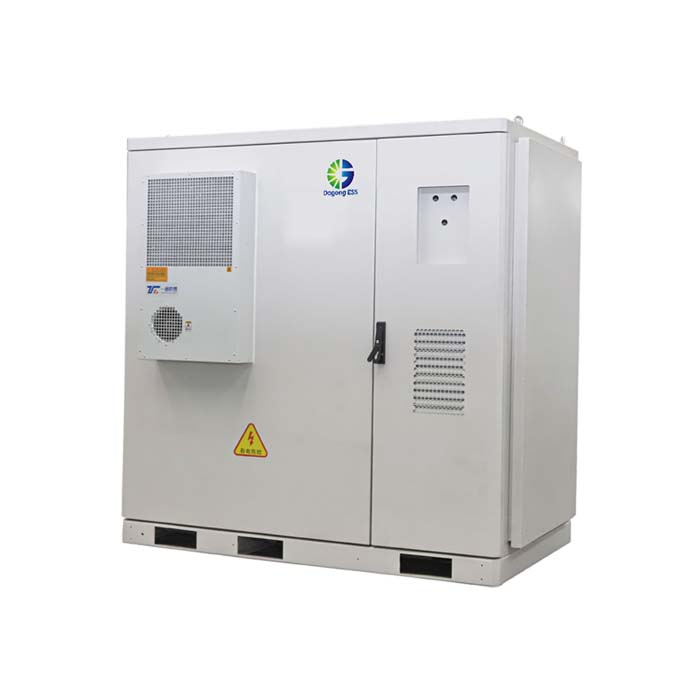
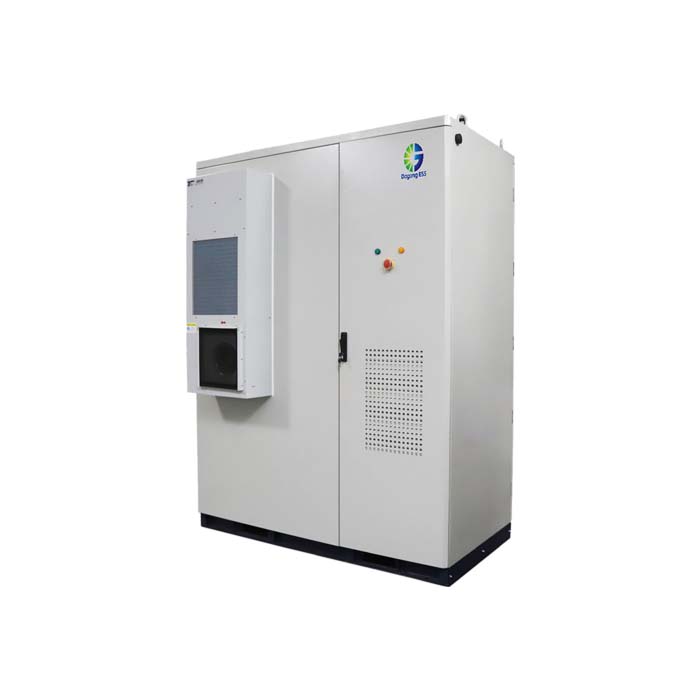
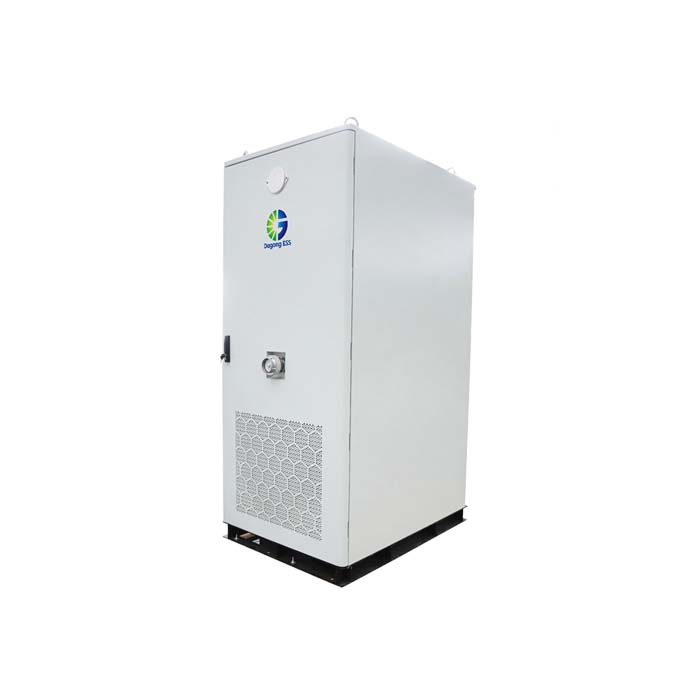
At the facility level, commercial and industrial ESS play a crucial role in stabilizing local power supply. Modular air-cooled and liquid-cooled systems are widely adopted to support high-density loads, provide fast response, and optimize energy costs.
For example, air-cooled systems in the 144–416kWh range offer flexible deployment for auxiliary power support, while liquid-cooled systems in the 241–372kWh range deliver higher thermal efficiency and improved performance under continuous high-load conditions. These solutions are particularly effective when deployed close to computing clusters and power conversion equipment.
What Role Does Utility-Scale Storage Play in AIDC Power Ecosystems?
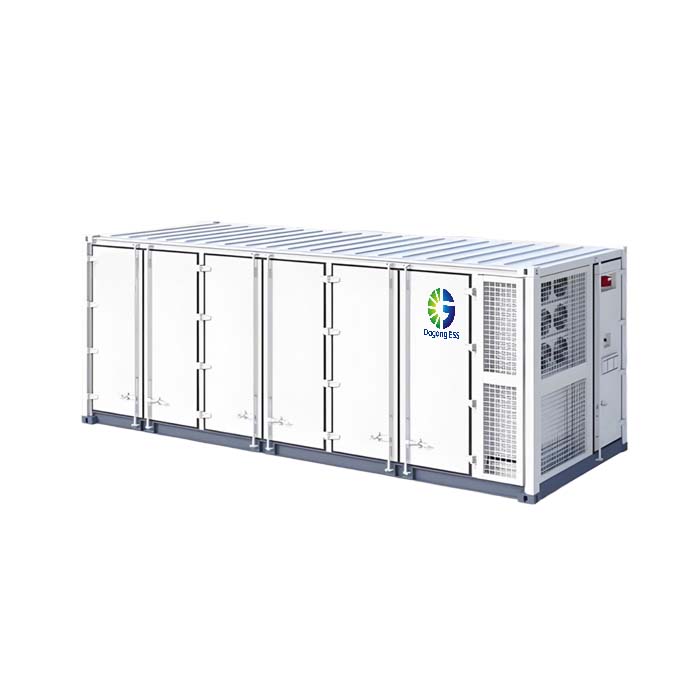
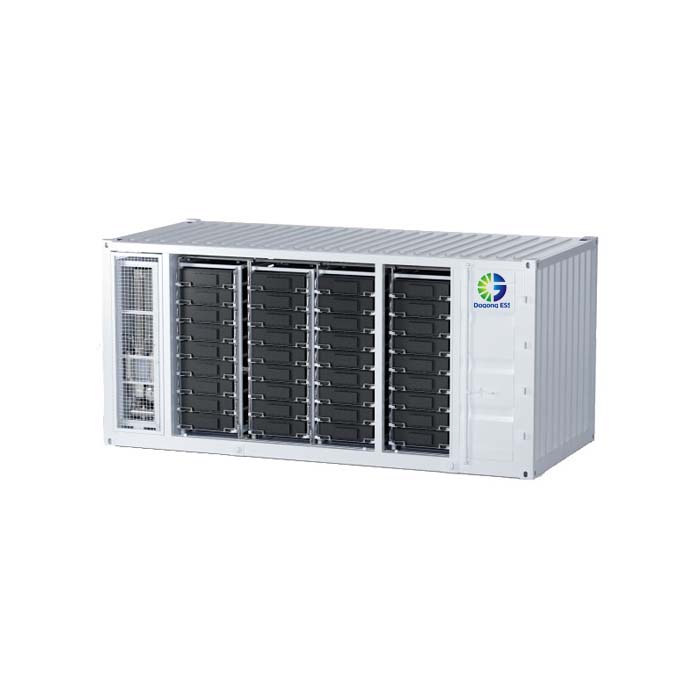
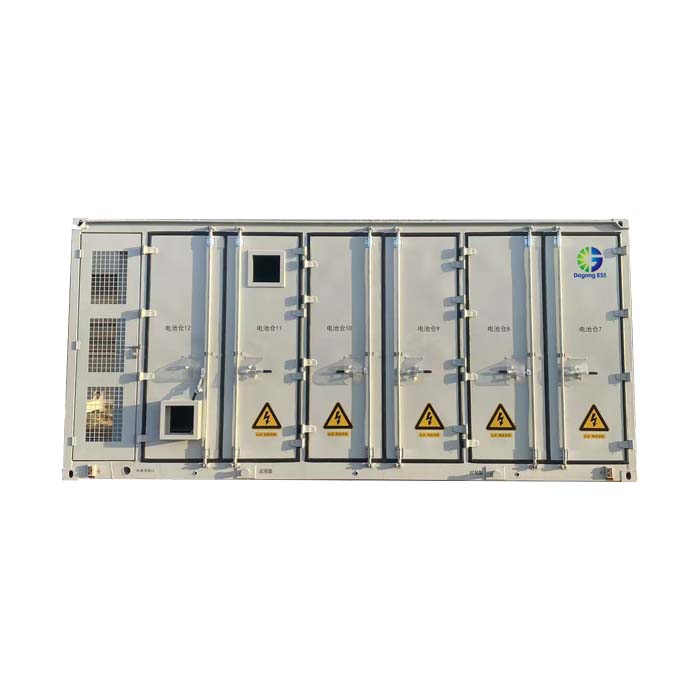
Beyond the data center boundary, utility-scale battery energy storage has become an essential component of regional AIDC power ecosystems. Large containerized systems enable peak load management, grid buffering, and renewable energy firming at scale.
Containerized solutions such as 5MWh liquid-cooled energy storage systems provide long-duration support and enhance grid resilience. By decoupling AI load volatility from upstream generation, these systems reduce grid stress and improve overall system reliability.
How Are Engineering-Ready Solutions Entering Commercial Deployment?
As AIDC projects progress from pilot phases to full-scale commercialization, engineering readiness has become a decisive factor. Solutions that combine standardized hardware, proven thermal management, and adaptable control systems are gaining traction.
Modular commercial, industrial, and containerized energy storage systems are increasingly deployed as part of integrated AIDC power architectures. Their scalability, reliability, and compatibility with HVDC and liquid-cooled environments make them suitable for global AI infrastructure projects.
What Will Define the AIDC Energy Storage Market in 2026 and Beyond?
Looking ahead, the competitive landscape of AIDC energy storage technologies will be shaped by several key factors: system efficiency, lifecycle cost, grid compatibility, and speed of deployment. No single technology route is expected to dominate all scenarios. Instead, hybrid architectures combining multiple approaches are likely to emerge.
As AI computing and energy systems become more tightly coupled, energy storage will continue to evolve from a supporting asset into a foundational pillar of digital infrastructure. Companies capable of delivering reliable, scalable, and grid-friendly solutions will play a central role in shaping the next era of AI-driven growth.
If you are interested in energy storage solutions for AI data centers, please contact Dagong ESS.
Email: sales@dagongess.com.
Website: www.dagongess.com