
 WhatsApp
 sales@dagongess.com
 +86 18137952759
Why Are Solar‑Plus‑Storage Projects Becoming the New Standard?
A solar‑plus‑storage project combines photovoltaic (PV) generation with a battery energy storage system (BESS) to deliver dispatchable, flexible power rather than simply intermittent solar output. Instead of just feeding midday solar into the grid, the energy is stored and then delivered during peak demand or when pricing is favorable.
Projects such as the Octopus Australia 300 MW / 243 MW‑486 MWh “DC‑coupled” solar‑battery hybrid in New South Wales illustrate how the model is scaling. In this case, the solar farm and the battery share DC wiring and conversions, which reduces losses, lowers infrastructure cost, and increases operational flexibility.
The shift toward solar‑plus‑storage is driven by several factors: declining battery costs, grid constraints on solar curtailment, the need for firm power to support renewables, and growing bankability of hybrid PPAs. For example, the Global Solar Council asserts that solar + battery is key to tripling renewable capacity by 2030.
Types of Solar‑Plus‑Storage Configurations
AC‑Coupled Hybrid
Solar and battery systems each connect to the grid via separate inverters. This is a flexible architecture but may have higher conversion losses.
DC‑Coupled Hybrid
The battery and solar modules share the DC bus and converters before the AC inverter, reducing losses and infrastructure cost. The Octopus Australia project is an example of this.
Containerised Hybrid Systems
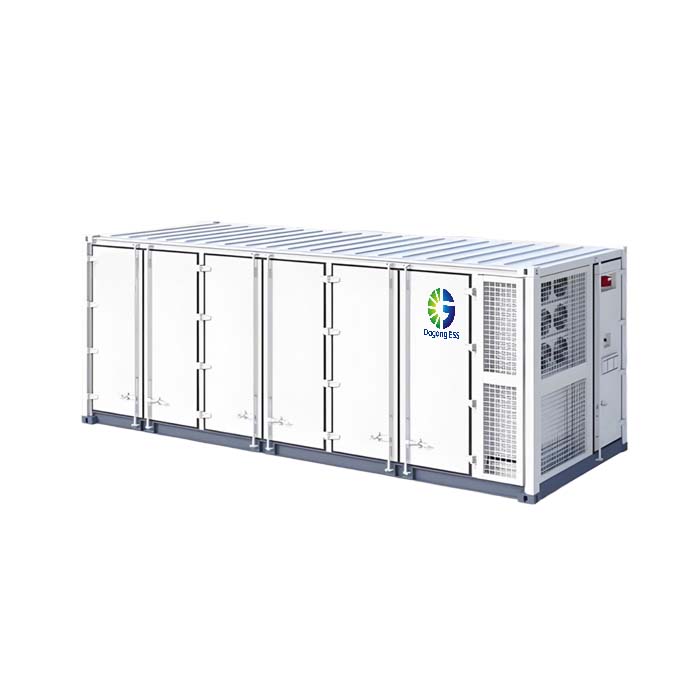
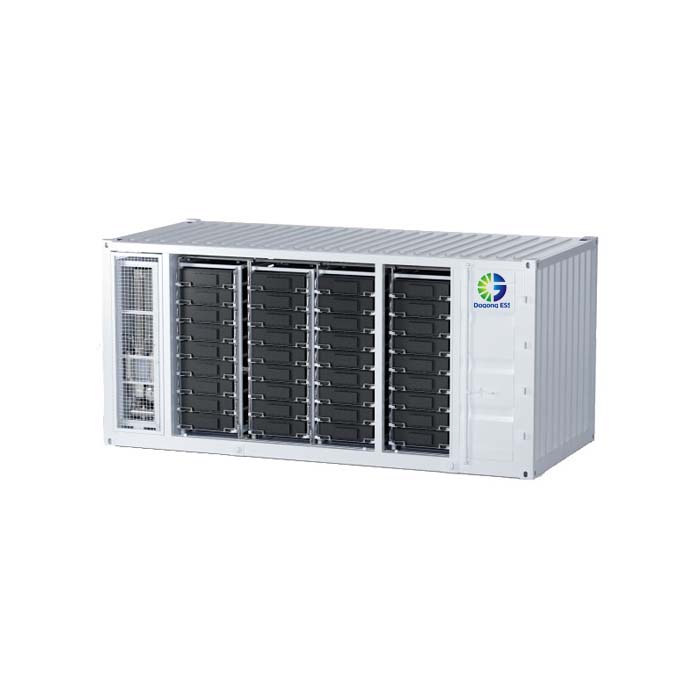
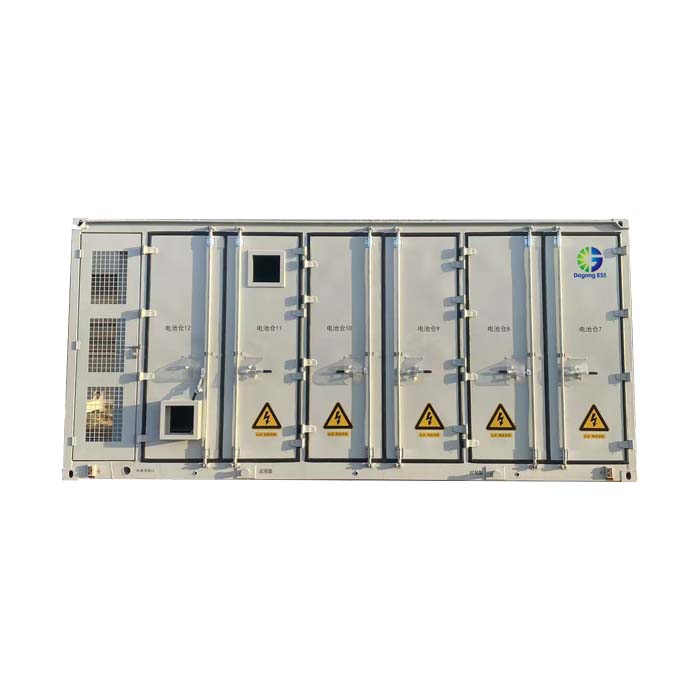
For large utility scale sites, containerised BESS modules (e.g., 5 MWh Liquid‑Cooled ESS Container from Dagong ESS) are integrated with PV arrays for modular deployment and rapid commissioning.
Features of Solar‑Plus‑Storage That Make Them Attractive
Dispatchability: Stored solar can be released during evening peaks, improving revenue streams and grid‐firming capability.
Reduced Curtailment: By co‑locating storage, solar farms can capture more of the generated energy rather than being curtailed. The DC‑coupled configuration helps with this.
Improved Bankability: Hybrid PPAs are increasingly viable. According to LevelTen Energy, hybrid solar‑plus‑storage contracts are gaining traction as solar‐only PPAs face revenue cannibalisation in some markets.
Flexible Deployment: Containerised systems from Dagong ESS support both wind and solar co‑location, and liquid‑cooled modules (372 kWh) allow for high power density in constrained sites.
Long Life & Modular Expansion: Dagong ESS container systems are designed for 8000+ cycles and 15+ years service life, making them suitable for hybrid solar projects.
Applications of Solar‑Plus‑Storage Projects
Utility‑Scale Solar Farms
Large solar farms pair with multi‑MWh BESS to offer a “solar‑plus‑firm” product. For example, the Octopus Australia 486 MWh battery+300 MW solar site will generate roughly 735 GWh per year. Energy-Storage.News Such hybrid systems reduce dependence on fossil fuel peaker plants and provide more predictable output to the grid.
Commercial & Industrial (C&I) Solar Projects
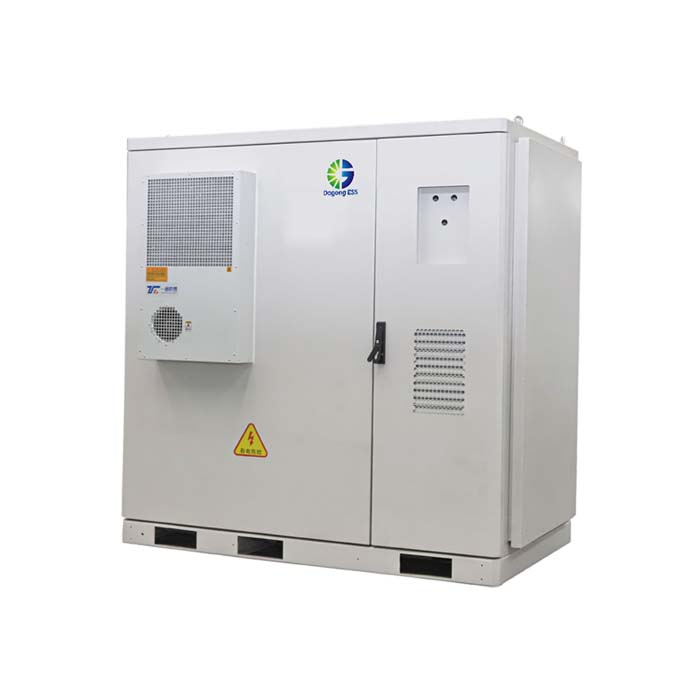
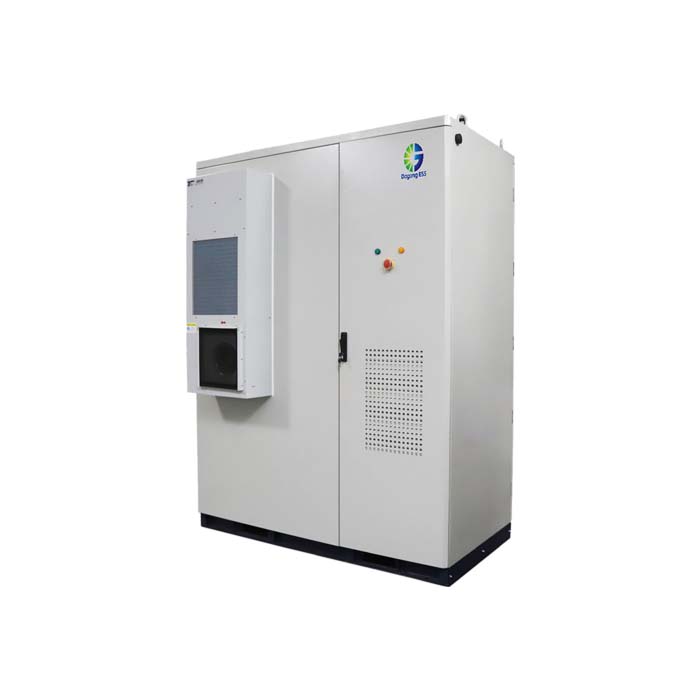
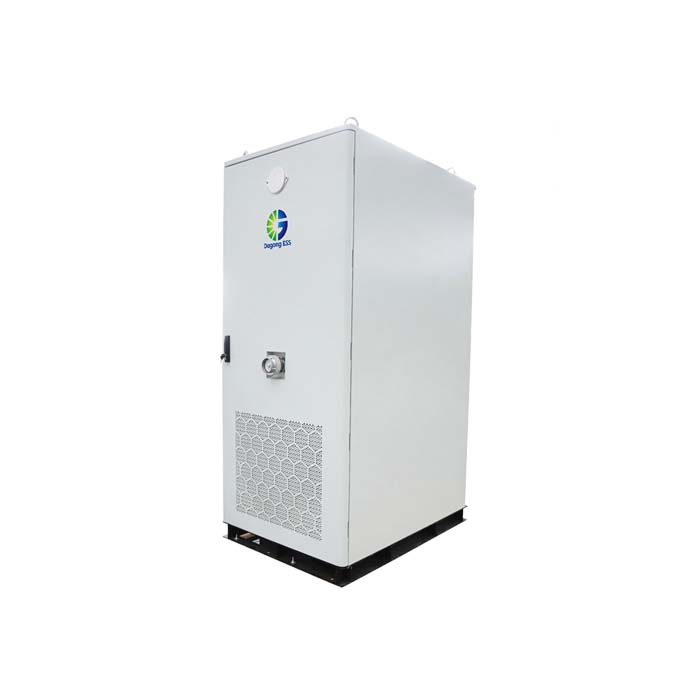
Large rooftops or ground‐mounted PV arrays are increasingly paired with 100‑241 kWh or higher BESS (e.g., Dagong ESS 215 kWh Air‑Cooled) to stabilize internal load, reduce demand charges, and enable self‑consumption.
Microgrids and Remote Installations
In remote or island grids with high solar penetration, solar‑plus‑storage acts as the backbone—providing reliable power when solar output fluctuates or at night.
Residential Community Solar Programs
Although smaller in scale, residential solar services increasingly incorporate storage to allow solar output to be time‑shifted. Dagong ESS 5–30 kWh Rack Battery Cabinet fits this application.
Price of Solar‑Plus‑Storage Systems
The cost of a hybrid solar plus storage system depends on solar capacity, battery size, cooling method, interconnection cost, and project financing.
Most suppliers provide custom quotes based on site specifics: PV capacity, battery capacity, expected discharge profile, cooling requirements, and country/regulatory context.
How to Select a Solar‑Plus‑Storage Solution for Your Project
Define the dispatch profile: Do you need evening peak power? Full backup?
Cooling architecture: For utility sites, liquid cooled (like Dagong ESS 372 kWh) may offer higher density and efficiency.
Capacity sizing: Determine the PV to BESS ratio and whether DC coupling is feasible.
Battery chemistry and cycle life: Choose LFP‐based systems for 8000+ cycles and 15+ years service life.
Expansion capability: Modular container systems (3.35 MWh / 5 MWh) allow future growth.
Certifications & system integration: Ensure compatibility with grid interconnection, DC coupling standards and local fire/safety codes.
How Long Do Solar‑Plus‑Storage Systems Last?
High‐quality hybrid systems designed for solar integrators typically achieve:
8000+ charge/discharge cycles
15+ years of service life
With proper monitoring and maintenance, containerised systems (like Dagong ESS 5 MWh Air‑Cooled) can support reliable operations for decades.
The Supplier of Solar‑Plus‑Storage Solutions
Selecting the right supplier means choosing a company that offers not only battery modules, but integrated systems—solar‐plus‐battery enclosures, power electronics, cooling, monitoring and control.
Dagong ESS offers a complete portfolio: from residential 5–30 kWh rack systems to industrial 100–241 kWh modules and containerised 3.35–5 MWh systems. Their modular architecture and global service support enable rapid deployment of hybrid solar plus storage projects worldwide.
If you are interested in solar‑plus‑storage energy systems, please contact Dagong ESS,
Email: sales@dagongess.com