
 WhatsApp
 sales@dagongess.com
 +86 18137952759
PCS or Hybrid Inverter: Which Is Better for Energy Storage?
In modern energy storage systems (ESS), power conversion equipment plays a central role in determining system efficiency, operational stability, and long-term investment value. Among the available technologies, Power Conversion Systems (PCS) and hybrid inverters are the two most widely adopted solutions.
A PCS is a bidirectional converter specifically designed for battery energy storage. It focuses on precise charge and discharge control, grid interaction, and high-power operation. PCS units are typically deployed alongside independent PV inverters and external energy management systems.
A hybrid inverter, in contrast, integrates PV inversion, battery conversion, and energy management functions into a single device. It connects photovoltaic arrays, batteries, loads, and the grid through a unified architecture, simplifying system design and deployment.
Although both solutions perform similar core functions, their underlying architectures lead to very different system behaviors and commercial outcomes.
Fundamental Differences: System Architecture and Design Philosophy
The most essential difference between PCS and hybrid inverters lies in how the energy storage system is structured.
PCS-based solutions adopt a decomposed system architecture. Each functional unit—PCS, PV inverter, battery system, EMS, and distribution equipment—is selected independently. This approach emphasizes specialization, flexibility, and scalability, allowing each component to perform its role with minimal compromise.
Hybrid inverter solutions follow an integrated architecture. Power conversion, PV management, battery control, and system logic are tightly combined into a single unit. This integration prioritizes internal coordination, fast deployment, and ease of operation.
These architectural choices shape not only system performance, but also investment strategy, operational risk, and long-term flexibility.
Performance and System Efficiency
From a performance perspective, PCS solutions are optimized for large-scale and high-power energy storage systems. They offer strong overload capability, fast response to grid dispatch signals, and operating characteristics tailored to frequent battery cycling. In applications such as peak shaving, demand response, and grid support, PCS delivers stable and predictable performance over long operating periods.
Hybrid inverters benefit from deep internal integration. In solar-plus-storage applications, PV electricity can charge batteries directly through DC pathways, avoiding unnecessary AC/DC conversions. This design often improves overall system efficiency in self-consumption scenarios where PV and storage operate simultaneously.
In short, PCS excels in sustained high-power operation, while hybrid inverters achieve higher efficiency in tightly coupled PV-storage applications.
Flexibility, Scalability, and Future Expansion
Flexibility is one of the strongest advantages of PCS-based energy storage systems. Because batteries, PV inverters, and control systems are decoupled, project owners can select from a wide range of suppliers and technologies. Future battery replacement or capacity expansion can often be implemented without redesigning the entire system, preserving long-term asset value.
Hybrid inverter systems simplify this process upfront but introduce tighter compatibility boundaries. Batteries and inverters are usually supplied as a bundled solution or limited to approved models. While this ensures stable operation, it may restrict expansion options or technology upgrades in the future.
For projects with uncertain load growth or long-term expansion plans, this distinction can have a significant impact on total lifecycle cost.
Control Strategy and System Intelligence
PCS architectures typically rely on an external Energy Management System (EMS) as the system’s central control layer. This enables advanced strategies such as multi-period tariff arbitrage, demand response participation, and coordination across multiple energy assets. Control algorithms can be customized and upgraded independently as market rules or operating strategies evolve.
Hybrid inverters integrate control logic at the device level. Their algorithms are optimized for the internal hardware, enabling fast off-grid switching, smooth PV-storage coordination, and intuitive operation. However, control strategies are generally more standardized, which may limit customization in complex commercial energy scenarios.
Reliability, Safety, and Long-Term Operation
From an operational standpoint, PCS-based systems offer strong fault isolation capability. A failure in the PV inverter does not necessarily affect battery operation, and vice versa. This modularity reduces the impact of single-point failures and can simplify component replacement.
Hybrid inverter systems offer a different operational advantage: single responsibility and unified maintenance. Monitoring, diagnostics, and service are handled through one platform and one supplier, reducing coordination complexity for end users. The trade-off is higher dependence on the original manufacturer for critical repairs.
Both solutions can achieve high safety and reliability when properly designed, particularly when paired with mature lithium battery systems rated for 8,000+ cycles and over 15 years of service life.
Economic Considerations: Investment and Lifecycle Cost
From an investment perspective, PCS-based energy storage systems often benefit from competitive equipment pricing due to open-market sourcing. However, system design, integration, and commissioning require higher upfront technical input. Over the long term, their flexibility can reduce upgrade costs and protect capital investment.
Hybrid inverter solutions may have higher per-unit pricing, but total project costs are predictable. Installation is faster, system integration risks are lower, and operation and maintenance responsibilities are clearly defined. For many investors, this transparency improves confidence in projected returns.
Typical Applications of PCS and Hybrid Inverters
PCS-based solutions are widely used in:
Commercial and industrial energy storage systems
Peak shaving and demand response projects
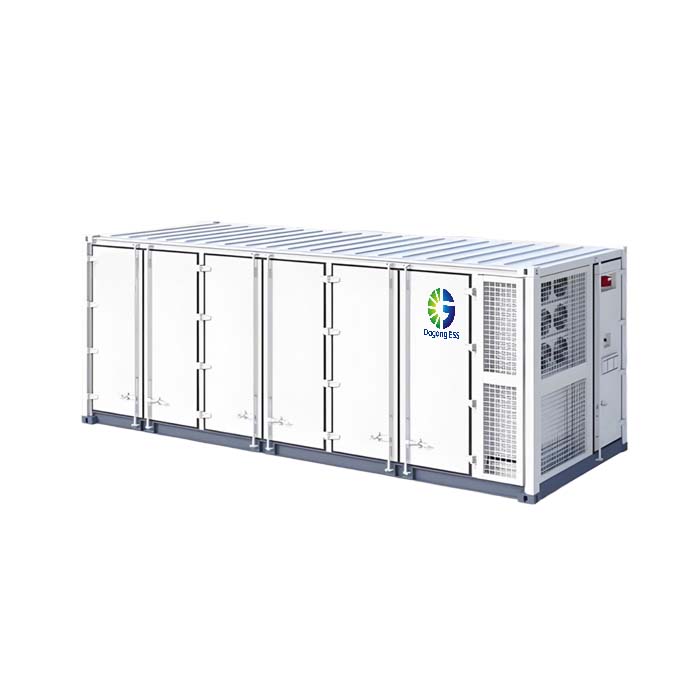
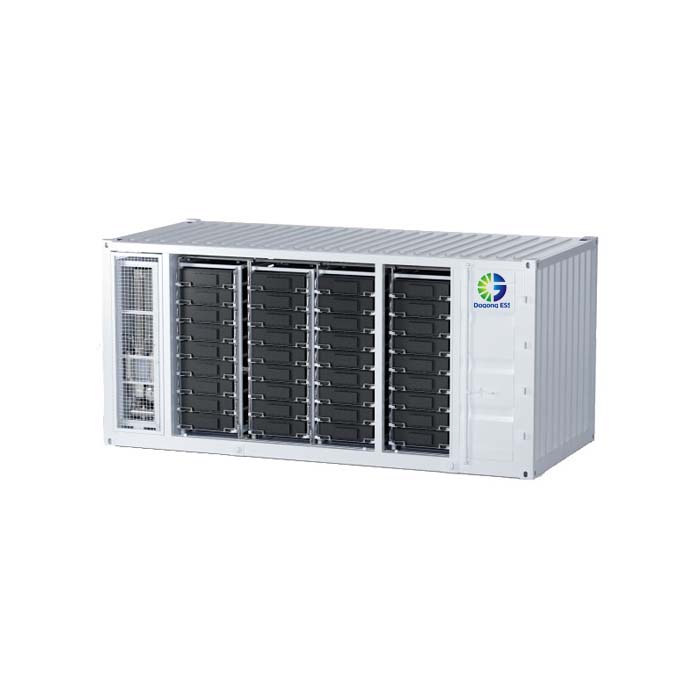
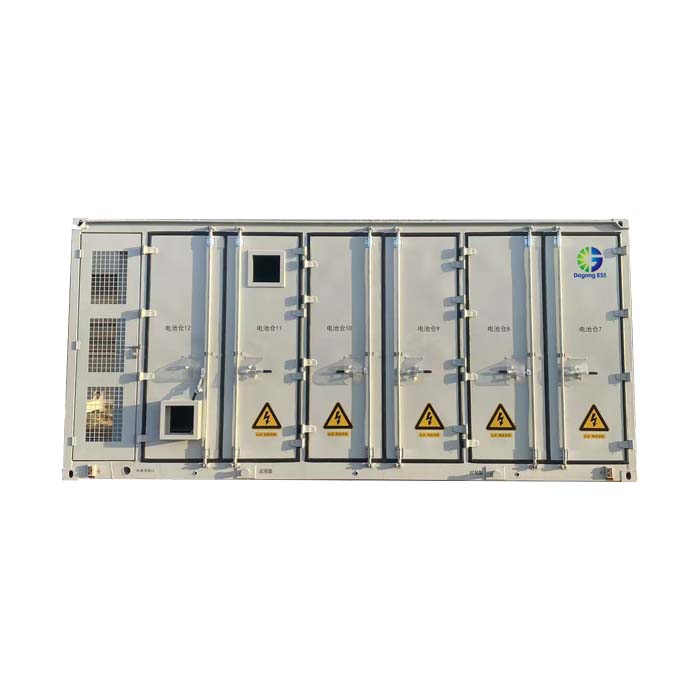
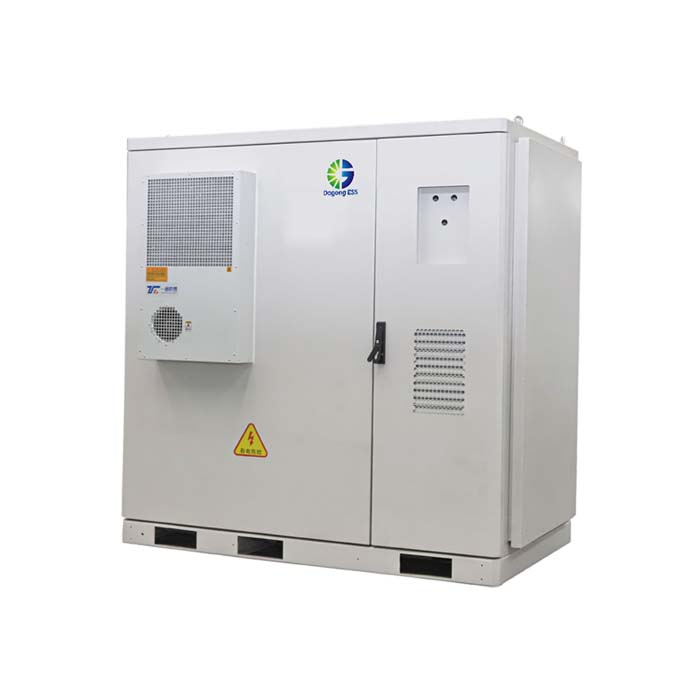
Grid-connected and containerized ESS, such as 241–372kWh liquid-cooled systems and 1.2MWh to 5MWh ESS containers
Hybrid inverter solutions are commonly applied in:
Residential energy storage
Small to mid-sized commercial PV-plus-storage projects
Microgrids requiring fast deployment and simplified operation
How to Select PCS or Hybrid Inverters for Energy Storage Projects
PCS and hybrid inverters represent two distinct but equally important technical paths in energy storage systems. Rather than competing directly, they address different project priorities.
For applications that emphasize scale, advanced control, and long-term flexibility, PCS remains the preferred solution. For projects focused on clear investment returns, system efficiency, and simplified operation, hybrid inverters offer an efficient and practical alternative.
As energy storage applications continue to expand across residential, commercial, and industrial sectors, suppliers capable of supporting both architectures—across air-cooled, liquid-cooled, and containerized ESS platforms—are increasingly positioned to meet diverse global market demands.