
 WhatsApp
 sales@dagongess.com
 +86 18137952759
What Is the Future of Long-Duration Energy Storage (LDES)?
Long-duration energy storage (LDES) refers to systems capable of storing electricity for 8+ hours to several days, providing solutions for:
Renewable energy intermittency
Grid stability during peak demand
Industrial and utility backup
Decarbonization of energy systems
While lithium-ion batteries dominate short-duration applications, LDES may involve flow batteries, compressed air, molten salt, or hybrid systems for extended duration.
Types of LDES and Complementary ESS
LDES can be implemented in combination with conventional lithium-ion systems:
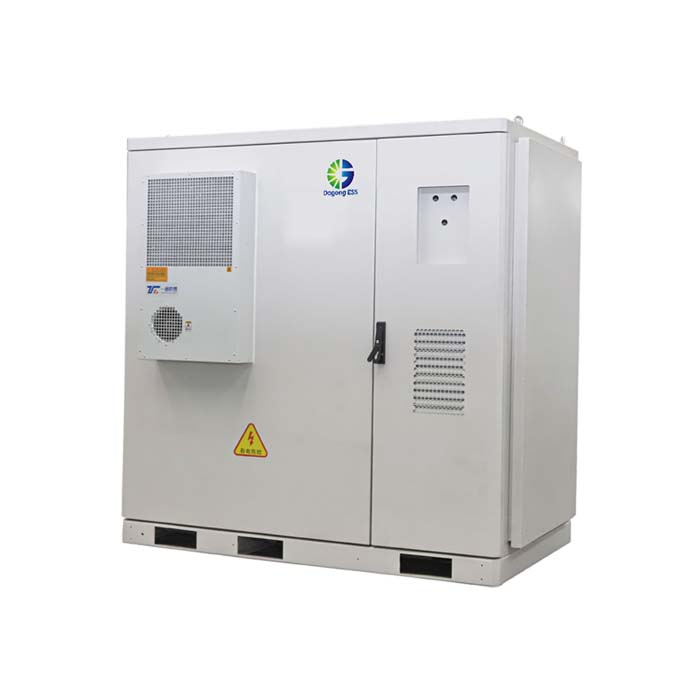
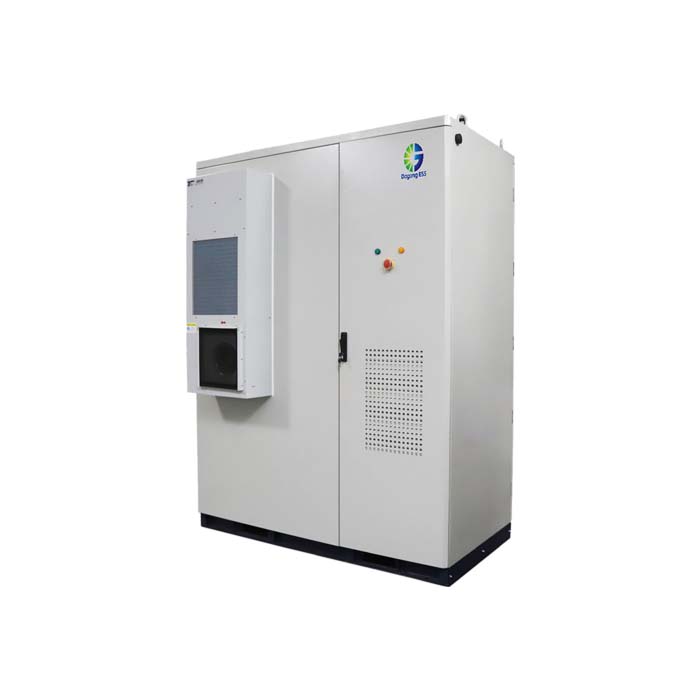
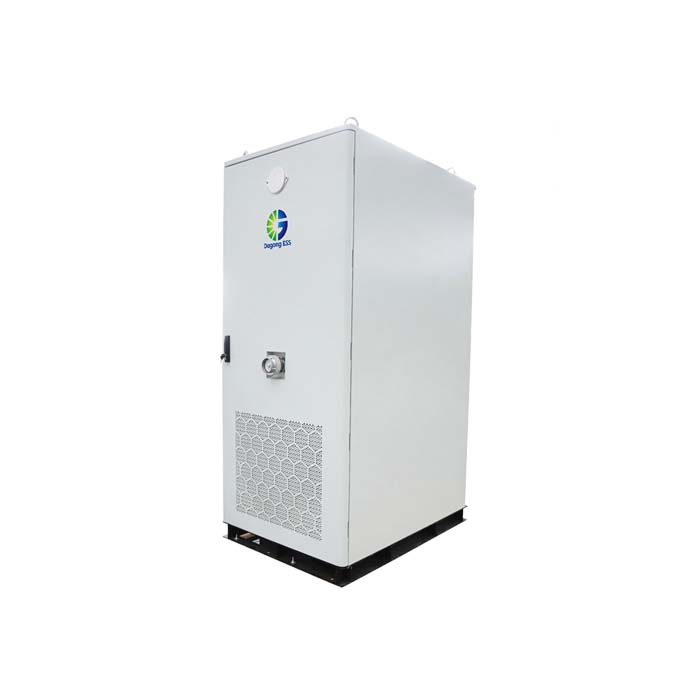
Modular Li-ion ESS (100–372 kWh) for short-duration smoothing
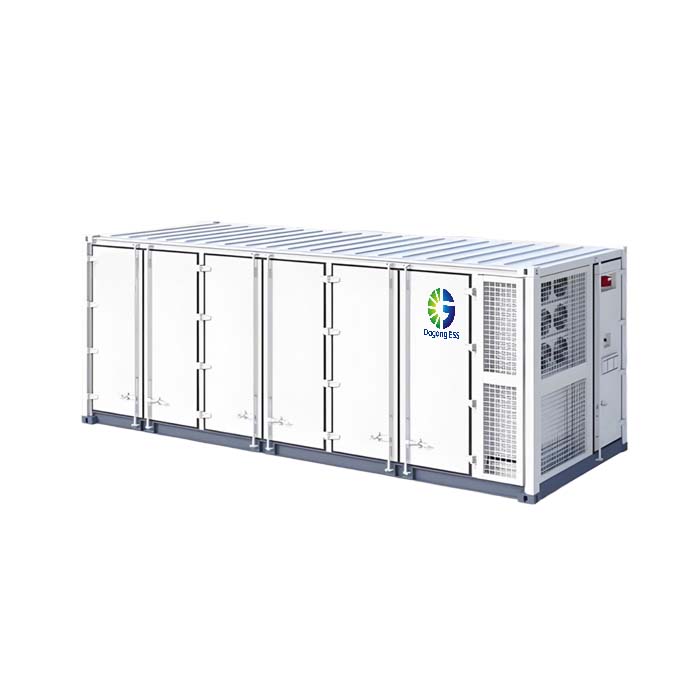
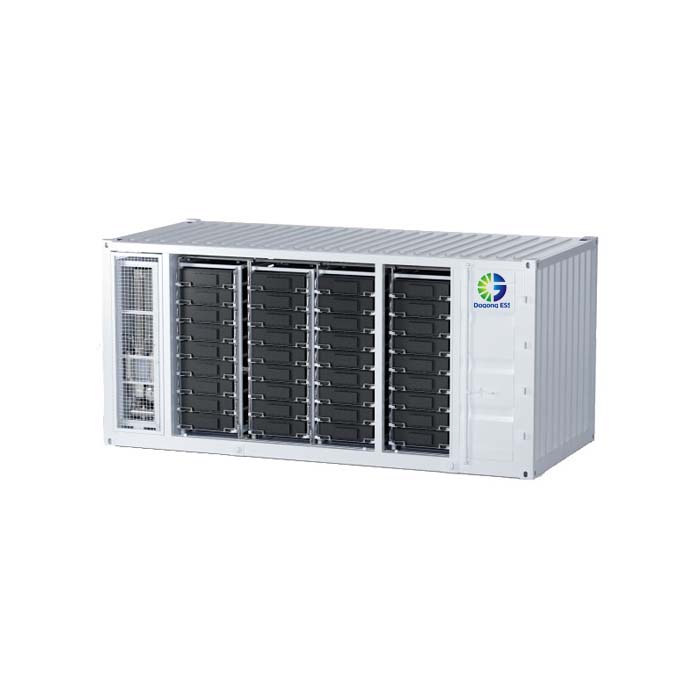
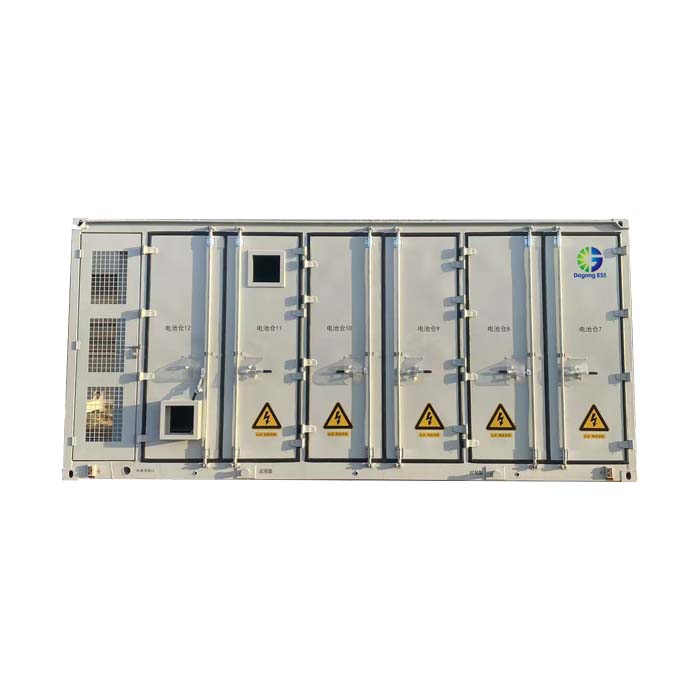
Containerized ESS (3.35–5 MWh) for multi-hour energy shifting
Emerging LDES solutions such as flow batteries or hybrid storage
Integration with solar, wind, and microgrid systems
Dagong ESS modules provide the modularity and scalability to pair with LDES technologies for optimized energy management.
Features Driving LDES Adoption
Key technological features:
Multi-hour to multi-day energy delivery
Modular and scalable architecture
Advanced thermal management (air-cooled & liquid-cooled)
Long cycle life and low degradation
Integration with renewable forecasting and smart grid control
Containerized systems like 5MWh air-cooled ESS can serve as the backbone for LDES applications, ensuring reliable supply over extended periods.
Applications of LDES
Typical applications include:
Grid-scale renewable energy smoothing
Industrial demand management over multiple hours/days
Remote microgrid or islanded communities
Backup for critical infrastructure
Energy trading and arbitrage
Modular systems like 215–372 kWh liquid-cooled ESS are used for short-duration stabilization, while 3.35–5 MWh containerized ESS provides long-duration support in hybrid configurations.
Price of LDES and Hybrid Systems
Pricing depends on:
Duration of storage (hours vs. days)
Total energy capacity (kWh → MWh → GWh)
Cooling method and modularity
Integration with renewables and monitoring systems
Project-specific quotations are provided based on deployment scale and operational requirements.
How to Select LDES Solutions?
Considerations include:
Required storage duration and energy output
System modularity and expansion capability
Compatibility with existing lithium-ion ESS modules
Cooling method suitable for local climate
Integration with renewable energy forecasting and grid controls
Dagong ESS provides modular 100–372 kWh systems and containerized 3.35–5 MWh ESS, ideal for hybrid configurations with LDES technologies.
How Long Will LDES Systems Last?
Typical performance:
8000+ cycles for lithium-ion modules
15–20 years operational life
Low degradation even under extended-duration cycling
These lifespans ensure reliable long-duration storage for industrial, utility, and hybrid renewable projects.
The Supplier of LDES Solutions
Key supplier capabilities:
Support hybrid LDES + Li-ion systems
Modular and containerized ESS for scalable deployment
Advanced thermal management and safety features
Global project engineering and commissioning support
Dagong ESS offers 100–372 kWh modular systems and 3.35–5 MWh containerized ESS, fully compatible with emerging LDES applications worldwide.
If you are interested in long-duration energy storage (LDES) system products, please contact Dagong ESS,Email: sales@dagongess.com