
 WhatsApp
 sales@dagongess.com
 +86 18137952759
Will China's Tax Rebate Cancellation Raise Your ESS Costs?
China's Ministry of Finance and State Taxation Administration jointly announced an adjustment to the export tax rebate policy for photovoltaic and battery products on January 8, 2026. This policy features clear timelines and phased arrangements.
According to the announcement, the VAT export tax rebate for photovoltaic products will be completely canceled starting April 1, 2026, with relevant product lists detailed in the attached documents.
For battery products, the policy adopts a gradual adjustment approach. From April 1 to December 31, 2026, the VAT export rebate rate for battery products will be reduced from the current 13% to 9%. Subsequently, starting January 1, 2027, the VAT export tax rebate for battery products will be completely eliminated.
The implementation of this policy indicates a structural change in the price competitiveness of Chinese-manufactured energy storage systems in the international market. The reduction and eventual cancellation of export tax rebates will directly increase product export costs.
How Will China's Solar Battery Export Incentives Change in 2026-2027?
With the adjustment of the export tax rebate policy, the price system of the global energy storage market will undergo significant changes. This shift is guiding buyers from focusing solely on initial purchase costs to placing greater emphasis on the total lifecycle value of energy storage systems.
The total cost of ownership for an energy storage system includes initial investment, operation and maintenance, battery replacement, and efficiency losses, among other factors. Against the backdrop of rising battery component costs due to policy adjustments, inefficient thermal management systems can lead to higher total ownership costs.
For commercial and industrial energy storage projects, this policy change signifies a shift in investment decision-making criteria. Buyers are beginning to pay more attention to advanced technologies that can extend battery life and reduce maintenance frequency, especially in application scenarios with high ambient temperatures or high cycling requirements.
Which Cooling Technology is Better for Your ESS: Air-Cooled or Liquid-Cooled?
Faced with the pressure of rising costs, choosing efficient cooling technology has become particularly important. Currently, energy storage systems primarily employ two thermal management solutions: air-cooling and liquid-cooling, which differ significantly in design principles, cooling effectiveness, and suitable application scenarios.
Air-cooled systems remove heat generated by batteries through forced air flow. This solution has been widely adopted due to its relatively simple structure and lower initial investment. The design of air-cooled systems is relatively straightforward, primarily focusing on the installation of cooling fans and the design of air circulation paths.
However, airflow-based cooling can lead to uneven temperature distribution between battery cells, which may affect long-term battery consistency in high-utilization scenarios. The cooling effectiveness of air-cooled systems is susceptible to external environmental influences and may not adequately meet the demands of high-power equipment with significant heat dissipation needs.
In contrast, liquid-cooled systems more efficiently transfer heat away from battery cells through circulating coolant. This design enables more precise temperature control across the entire battery pack. Studies show that liquid-cooled systems demonstrate superior temperature uniformity compared to air-cooled systems.
Although liquid-cooling technology requires a higher initial investment and maintenance of the liquid circulation system, its excellent heat dissipation and stability can reduce equipment failure rates and maintenance costs. Liquid-cooled systems are more suitable for large-scale, high-energy-density storage projects.
What are the Key Advantages of Liquid-Cooled Energy Storage Systems?
When evaluating the total lifecycle cost of an energy storage system, cooling technology plays a decisive role. While air-cooled systems may offer a lower initial price, liquid-cooled ESS often delivers better cost efficiency over a 10-15 year operational period.
Total lifecycle cost considerations include battery replacement intervals, system efficiency losses due to thermal imbalance, and maintenance and downtime costs. In many commercial and industrial projects, improved thermal management enables liquid-cooled systems to achieve a higher effective cycle life, thereby offsetting their higher initial investment.
According to industry analysis, the total long-term cost of liquid-cooling may be lower than that of air-cooling. This is because the excellent heat dissipation and stability of liquid-cooled systems can significantly reduce equipment failure rates and maintenance costs.
When an energy storage system participates in both peak-valley arbitrage and Frequency Control Ancillary Services (FCAS), the Internal Rate of Return (IRR) can increase significantly from 9% in a single mode to 18%. This indicates that choosing efficient cooling technology not only reduces operational costs but also enhances project returns by enabling participation in more value-added services.
How to Choose the Right C&I ESS for Your Project: A Practical Selection Guide
Against the backdrop of the export tax rebate policy adjustment, selecting the right energy storage system for commercial and industrial projects has become more critical. The choice between air-cooled and liquid-cooled ESS depends on several project-specific factors.
Daily cycling frequency, ambient temperature and climate conditions, power demand volatility, and expected project lifespan are all key parameters to consider. For cost-sensitive projects with moderate usage, air-cooled ESS may be a suitable choice.
For long-duration, high-utilization commercial and industrial applications, liquid-cooled systems are often the better option. This is particularly true for projects located in regions with high ambient temperatures or those needing to handle significant load fluctuations.
It is worth noting that as energy storage systems play an increasingly important role in grid services, the requirements for system response speed and stability are also rising. In such cases, the advantages of liquid-cooled systems become even more pronounced.
What are Dagong ESS's Recommended Solutions for C&I Energy Storage Projects?
In response to the cost changes brought by the export tax rebate policy and the growing market demand for efficient energy storage technologies, Dagong ESS offers a diversified product portfolio to meet the needs of various commercial and industrial application scenarios.
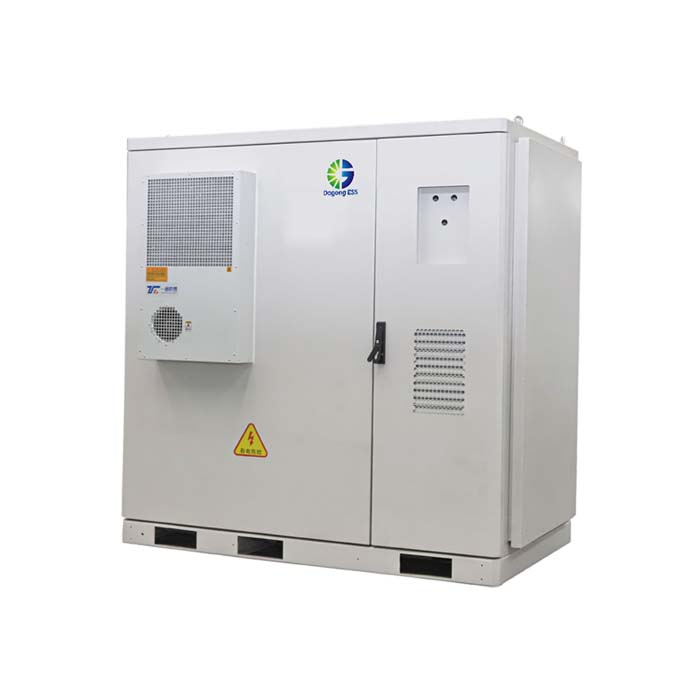
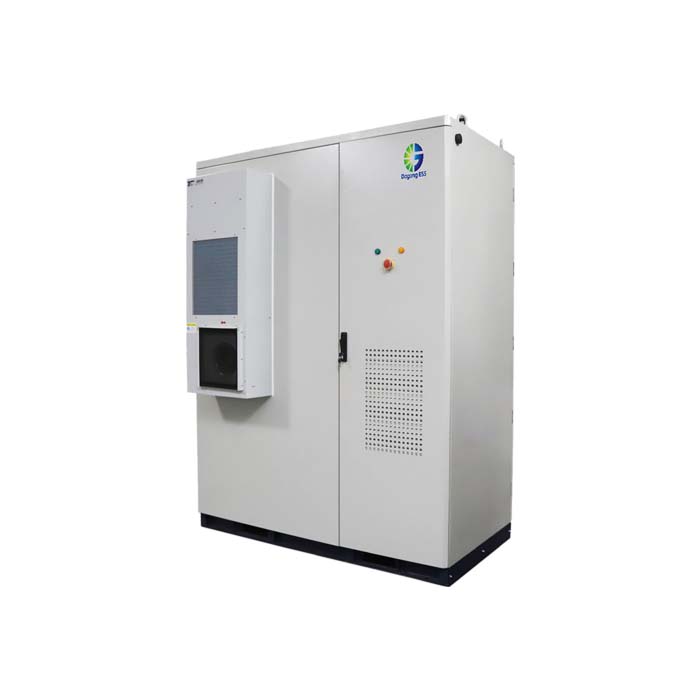
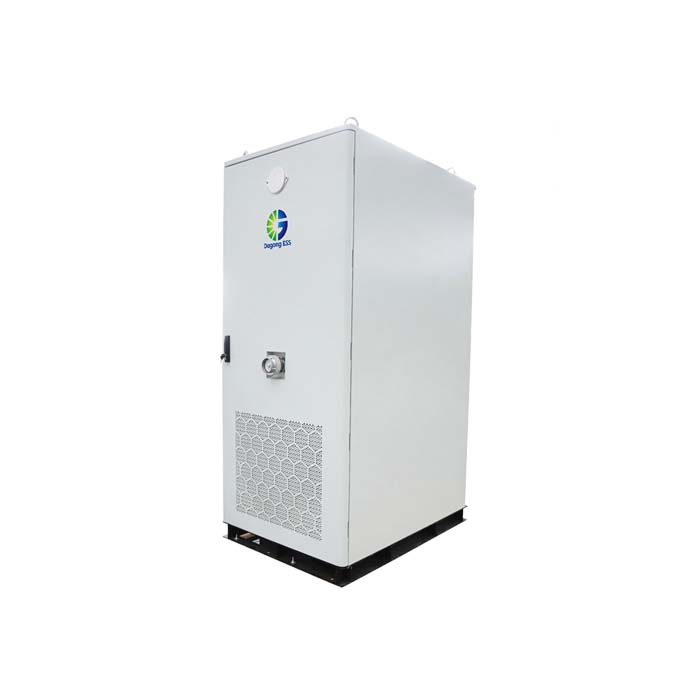
For small to medium-sized commercial applications and environments with relatively stable loads, Dagong ESS provides 100–144kWh air-cooled ESS and 215–416kWh air-cooled ESS. These systems feature a modular design, flexible deployment, and are suitable for scenarios such as factories, commercial buildings, and logistics centers.
For more demanding application environments, such as those with high cycling frequency, peak shaving requirements, or high-temperature regions, Dagong ESS's 215kWh liquid-cooled ESS and 372kWh liquid-cooled ESS offer superior solutions. These systems employ advanced liquid-cooling technology to ensure batteries operate within the optimal temperature range, extending their service life.
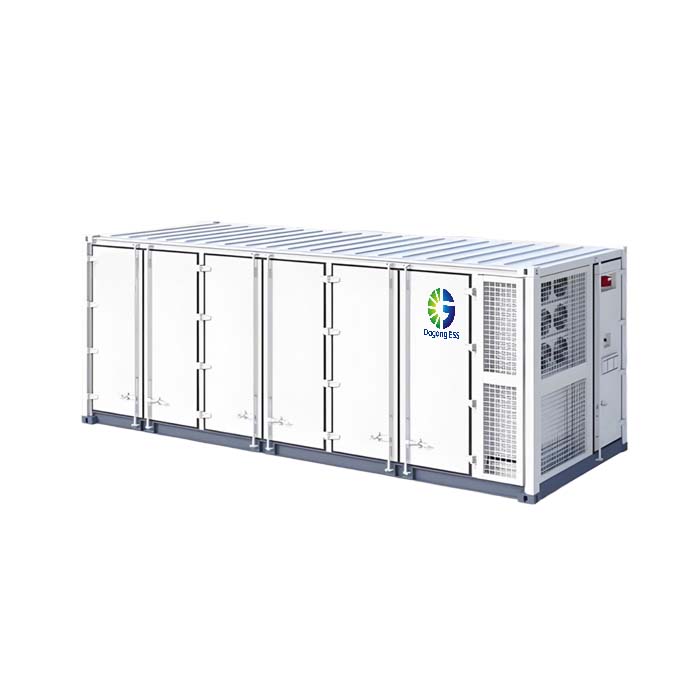
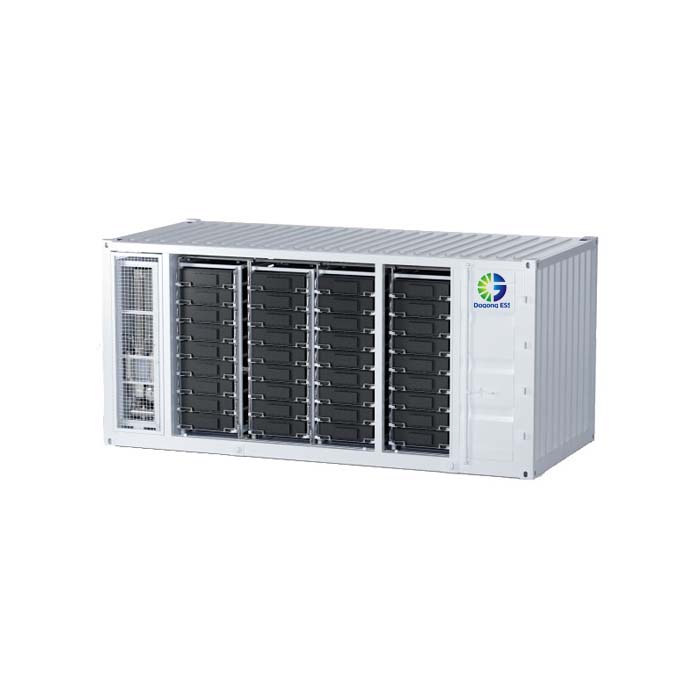
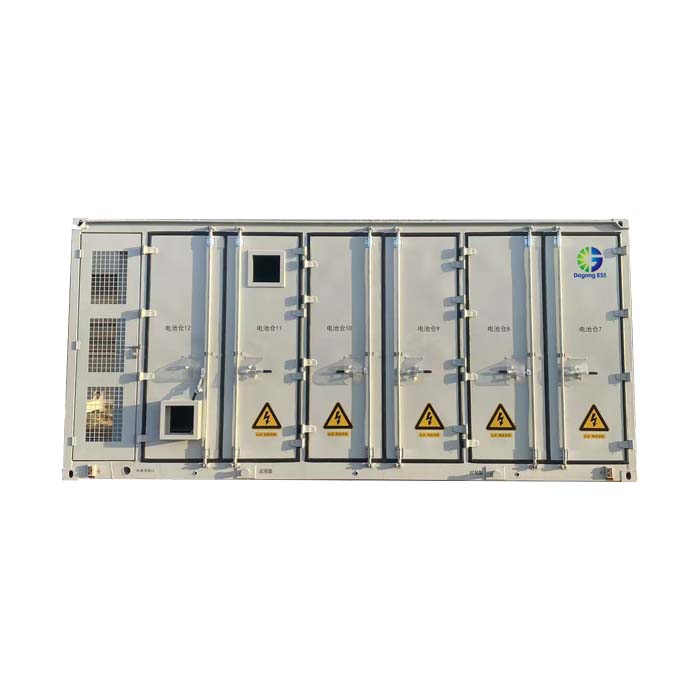
In the fields of large-scale commercial and industrial applications and utility-scale energy storage, the 5MWh liquid-cooled ESS container has become a standardized solution. This highly integrated system combines battery modules, a battery management system, power conversion systems, liquid cooling units, and fire protection systems into a single unit, significantly lowering the deployment threshold.
How Can Dagong ESS Help You Navigate the Changing Export Policy Landscape?
Faced with the adjustment of China's export tax rebate policy, the global energy storage market is undergoing structural changes. As the advantage of low initial cost diminishes, liquid-cooled energy storage systems are becoming the preferred choice for an increasing number of projects due to their significantly reduced maintenance costs and more stable performance over long-term operation.
With the gradual implementation of the policy adjustment, the value assessment criteria for energy storage systems have shifted from simple price comparisons to a comprehensive consideration of total lifecycle cost, safety, and long-term reliability. This shift is prompting global buyers to place greater emphasis on technological innovation and system efficiency, which is also key to the healthy development of the future energy storage industry.
The policy change acts like a vane, ultimately guiding the industry toward a path that prioritizes long-term value and technological innovation.
If you are evaluating commercial and industrial energy storage solutions, please contact Dagong ESS to learn how our technology can optimize your project's lifecycle value.
Email: sales@dagongess.com
Website: www.dagongess.com