
 WhatsApp
 sales@dagongess.com
 +86 18137952759
Can Hybrid Inverters Optimize Mid-Sized Commercial Energy Storage Systems?
The global energy market is undergoing a profound transformation. Fixed-rate electricity contracts are gradually being replaced by dynamic tariffs, where prices fluctuate in real time according to supply and demand. This shift offers both opportunities and challenges for businesses seeking to optimize energy usage while controlling costs.
At the same time, the rapid expansion of renewable energy sources, particularly solar and wind, has introduced volatility into electricity markets. On days with abundant solar or wind power, prices can plummet, sometimes even turning negative, while during periods of high demand and low renewable output, prices can surge dramatically. Businesses that can store low-cost energy and deploy it during high-cost periods gain a competitive edge and better control over energy expenses.
Understanding Hybrid Inverter Applications for Mid-Sized Commercial ESS
Hybrid inverters are designed to integrate photovoltaic generation, battery storage, and intelligent control into a single device. Unlike traditional single-direction inverters, hybrid inverters allow for bidirectional energy flow, enabling both charging from the grid or PV and discharging to meet operational loads.
For mid-sized commercial and industrial energy storage systems, hybrid inverters offer several advantages:
Fast Response: Switch to stored energy during price spikes or peak load periods
Scalability: Multiple units can be paralleled to increase system capacity for growing businesses
Battery Flexibility: Compatible with a variety of battery types and brands
Dagong ESS Solutions:
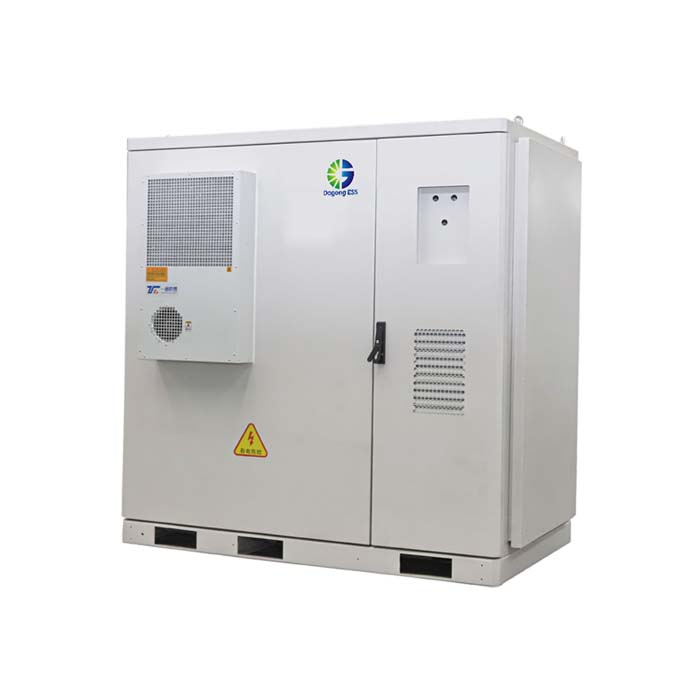
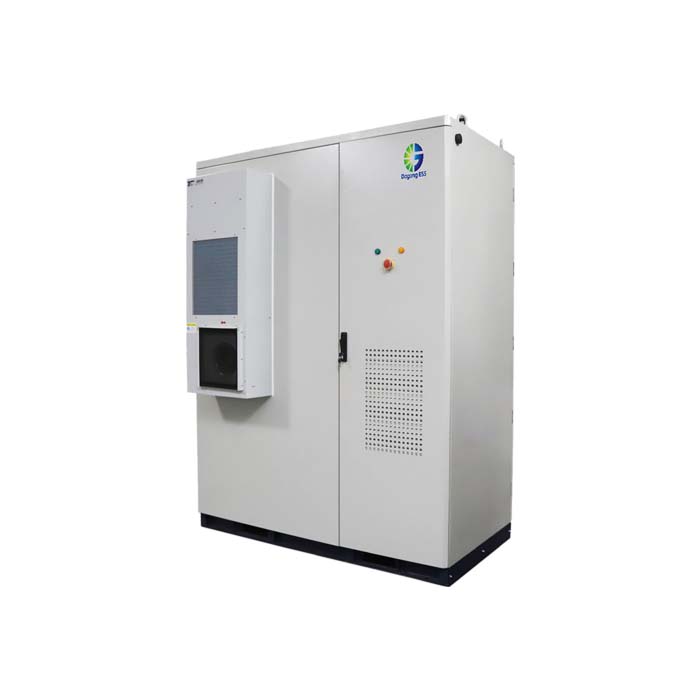
144–416kWh Air-Cooled ESS: Ideal for commercial rooftops and small industrial applications
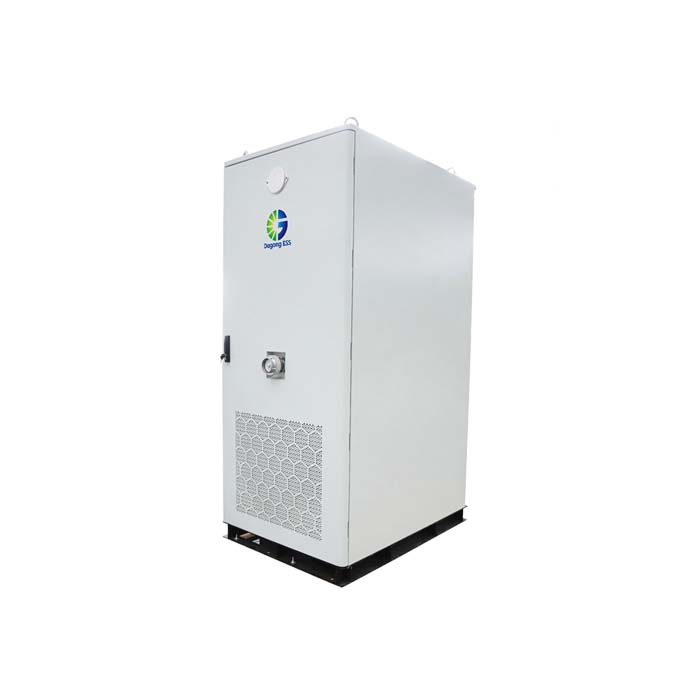
241–372kWh Liquid-Cooled ESS: Supports medium-scale industrial facilities
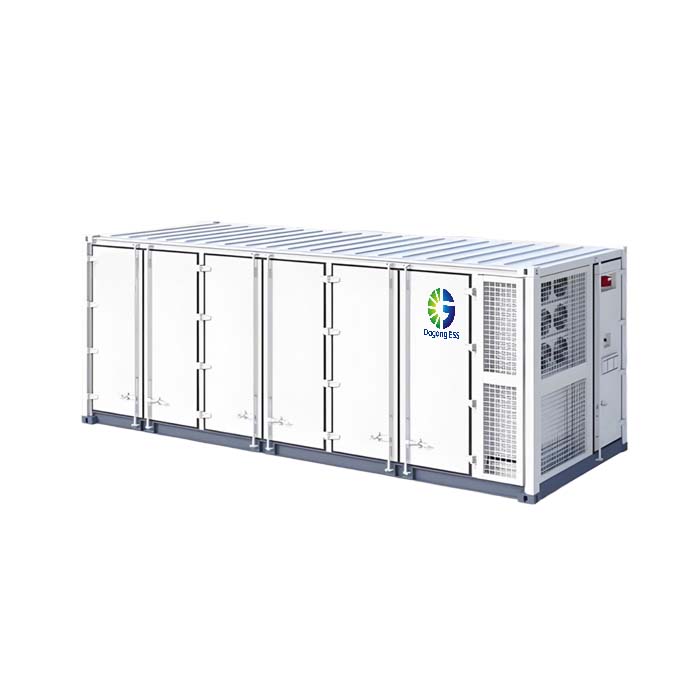
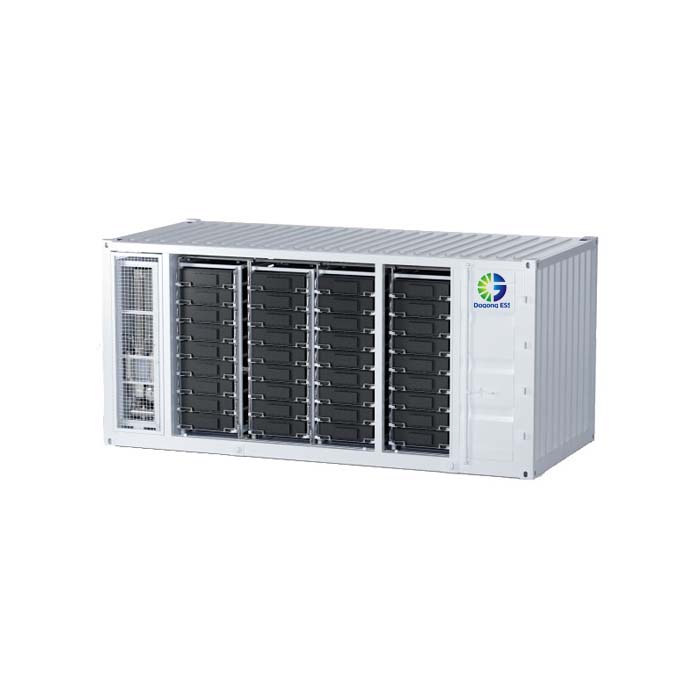
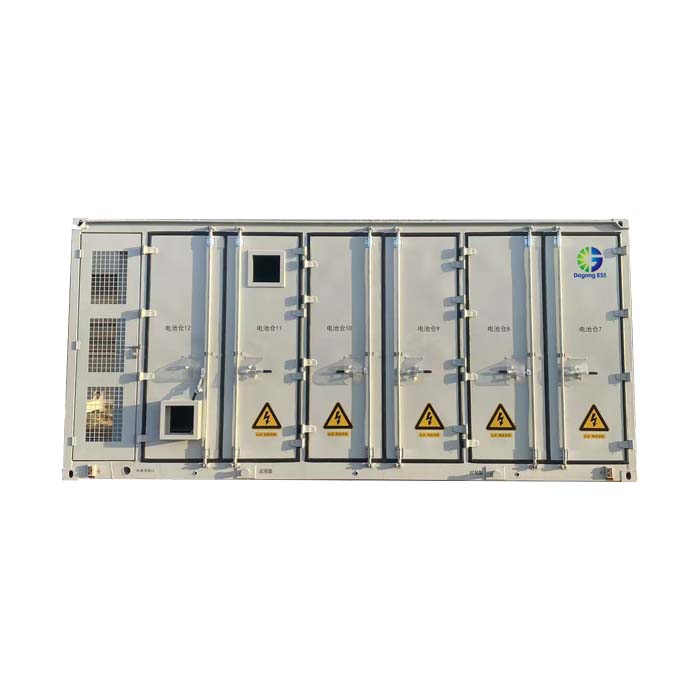
1.2MWh & 5MWh Containerized ESS: For large-scale projects, hybrid inverters can act as auxiliary management units, but PCS remains essential as the main controller
Energy Storage Management with Hybrid Inverters
Hybrid inverters are not just about storing energy—they are about smart energy management. By integrating with advanced energy management systems (EMS) and cloud-based platforms, businesses can:
Optimize Time-of-Use: Automatically shift energy consumption to periods with low electricity prices
Predictive Analytics: Forecast electricity price trends to make informed operational decisions
Automated Energy Trading: Sell excess energy back to the grid during peak periods, generating additional revenue
This capability is particularly valuable in regions with dynamic tariff structures, allowing mid-sized businesses to reduce costs while maximizing energy efficiency.
Cost-Effective Medium-Sized Energy Storage Solutions
Investing in hybrid inverters combined with Dagong ESS modules can offer measurable financial benefits:
Peak Shaving and Arbitrage: Reduce peak electricity charges and take advantage of low-cost energy periods
Simplified Deployment: Plug-and-play integration reduces installation and commissioning time
Flexible System Expansion: As energy needs grow, additional hybrid inverter units and ESS modules can be added without major redesign
By leveraging these capabilities, businesses can maintain high operational efficiency without the complexity associated with large-scale containerized systems.
Hybrid Inverter Battery Compatibility for Businesses
One of the key advantages of hybrid inverters is battery compatibility. They work seamlessly with multiple battery brands and chemistries, providing flexibility in system design. For example, Dagong ESS air-cooled and liquid-cooled modules can be paired with hybrid inverters to create a tailored energy storage solution that meets specific commercial needs.
However, for large containerized ESS systems (1.2MWh or larger), hybrid inverters alone cannot meet the high continuous power demands or advanced grid service requirements. In such cases, PCS (Power Conversion System) remains the recommended main controller, with hybrid inverters potentially serving auxiliary or distributed management roles.
Smart Energy Management for C&I Hybrid ESS
Intelligent management is what sets modern hybrid inverters apart from standard inverters. Businesses can integrate hybrid inverters with real-time electricity price data and AI-driven platforms to automate energy decisions:
Automated Scheduling: Charge when electricity is cheap, discharge when prices peak
Load Forecasting: Adjust energy usage based on predicted operational demand and renewable output
Backup Power Management: Ensure critical operations remain powered during grid interruptions
This approach transforms energy price volatility into a strategic advantage, particularly for mid-sized commercial and industrial enterprises.
Typical Applications of Hybrid Inverters in Commercial Energy Storage
1. Commercial Rooftops and Small Industrial Sites
Hybrid inverter + Dagong ESS 144–416kWh air-cooled ESS
Supports PV self-consumption, backup power, and cost optimization
2. Medium Industrial Facilities
Hybrid inverter + Dagong ESS 241–372kWh liquid-cooled ESS
Enables peak shaving, backup supply, and operational efficiency
3. Large Containerized ESS (>1MWh)
Hybrid inverters are auxiliary; main control handled by PCS
Dagong ESS 1.2MWh & 5MWh containerized systems deliver high-power, reliable grid services
Why Businesses Should Consider Hybrid Inverters Now
As electricity markets evolve, businesses that adopt hybrid inverters for mid-sized energy storage gain tangible benefits:
Reduce operational energy costs
Improve energy independence and resilience
Implement smart, automated energy management
Scale systems flexibly as business energy demand grows
In contrast, large-scale containerized systems require PCS to handle MW-level power and grid integration, while hybrid inverters complement smaller distributed or auxiliary functions.
Unlocking the Full Potential of Hybrid Inverters for Mid-Sized Commercial ESS
Hybrid inverters are best suited for mid-sized commercial and industrial energy storage systems (up to ~400kWh), offering cost-effective, scalable, and intelligent energy solutions. For large containerized ESS (1MWh or above), PCS remains necessary as the main controller, with hybrid inverters providing supplemental management.
By selecting the appropriate technology and combining it with Dagong ESS solutions, businesses can maximize investment returns, operational efficiency, safety, and long-term reliability, turning renewable energy and dynamic electricity pricing into a competitive advantage.
If you are interested in Dagong ESS hybrid inverter and energy storage solutions, you are welcome to contact Dagong ESS via Email: sales@dagongess.com