
 WhatsApp
 sales@dagongess.com
 +86 18137952759
Why Transformer-Less Energy Storage Systems Are the Future of Grid-Scale Power Infrastructure
What Is a Transformer-Less Energy Storage System?
A transformer-less energy storage system is a type of grid-connected battery storage architecture that eliminates the need for traditional step-up transformers between the energy storage system and the power grid.
In conventional energy storage designs, electricity generated from battery systems is first converted from DC to AC through an inverter, and then passed through a transformer to match grid voltage levels. This additional transformation stage introduces energy losses, increases system size, and adds infrastructure complexity.
Transformer-less systems remove this intermediate step by directly interfacing power electronics with medium-voltage or high-voltage grids through advanced power conversion architectures.
This shift represents a significant evolution in how modern energy storage systems are designed and deployed.
Why Traditional Transformer-Based Systems Are Being Challenged
For decades, transformers have been a core component of grid infrastructure. However, in modern energy storage applications, their limitations are becoming more visible:
Additional energy conversion losses
Large physical footprint
Higher installation and maintenance costs
Limited flexibility in modular expansion
Slower dynamic response in grid support scenarios
As energy storage systems are increasingly required to provide fast frequency regulation, voltage support, and renewable integration, these limitations become more critical.
How Transformer-Less Energy Storage Systems Work
Transformer-less ESS architectures rely on advanced power conversion systems (PCS) that can directly synchronize with medium-voltage grids.
Instead of using a centralized transformer, the system typically uses a distributed or modular conversion structure where multiple battery clusters are controlled in coordination.
Key functional principles include:
Direct AC output at grid-compatible voltage levels
Distributed power conversion across multiple modules
Real-time synchronization with grid frequency and phase
Intelligent control through energy management systems (EMS)
This allows the system to maintain stable grid interaction without relying on traditional transformer-based voltage scaling.
Key Advantages of Transformer-Less Energy Storage Systems
1. Higher Energy Efficiency
By eliminating transformer-related losses, transformer-less systems reduce energy conversion stages and improve overall system efficiency.
This is especially valuable in applications involving frequent charge-discharge cycles such as:
Frequency regulation
Peak shaving
Renewable energy smoothing
2. Reduced Infrastructure Complexity
Removing the transformer significantly simplifies system architecture. This leads to:
Smaller installation footprint
Lower civil engineering requirements
Reduced substation dependency
Faster deployment cycles
For large-scale projects, this can significantly reduce overall project complexity.
3. Improved System Responsiveness
Without transformer inertia and additional electrical stages, transformer-less systems can respond more quickly to grid signals.
This enables:
Faster frequency response
Real-time voltage regulation
Improved grid stability support
4. Better Scalability for Large Energy Storage Plants
Transformer-less designs are inherently modular. New battery clusters can be added without major redesign of transformer infrastructure.
This makes them highly suitable for:
Utility-scale energy storage plants
Renewable energy hubs
Industrial energy parks
Technical Challenges in Transformer-Less ESS Design
Despite their advantages, transformer-less energy storage systems require advanced engineering solutions:
Grid Compatibility Control
Direct grid connection requires precise control of voltage, frequency, and phase synchronization to ensure stable operation.
Insulation and Safety Design
Operating closer to grid voltage levels increases requirements for insulation coordination and electrical protection.
Harmonic Management
Advanced filtering and control algorithms are required to maintain power quality and reduce harmonics.
Coordinated Multi-Module Control
Multiple power conversion units must operate in perfect synchronization to ensure stable system output.
Transformer-Less ESS and Medium Voltage Energy Storage Systems
Transformer-less architecture is closely related to medium voltage energy storage systems, as both aim to reduce reliance on traditional step-up transformers.
In many modern designs, these two concepts overlap, forming the basis for next-generation grid-scale ESS platforms.
This evolution is particularly important in utility-scale energy storage, where efficiency, cost, and scalability are critical.
How Dagong ESS Aligns With Transformer-Less Architecture Trends
Dagong ESS integrates modular and high-efficiency system design principles across its product range, supporting the transition toward more advanced grid-connected architectures.
Typical system applications include:
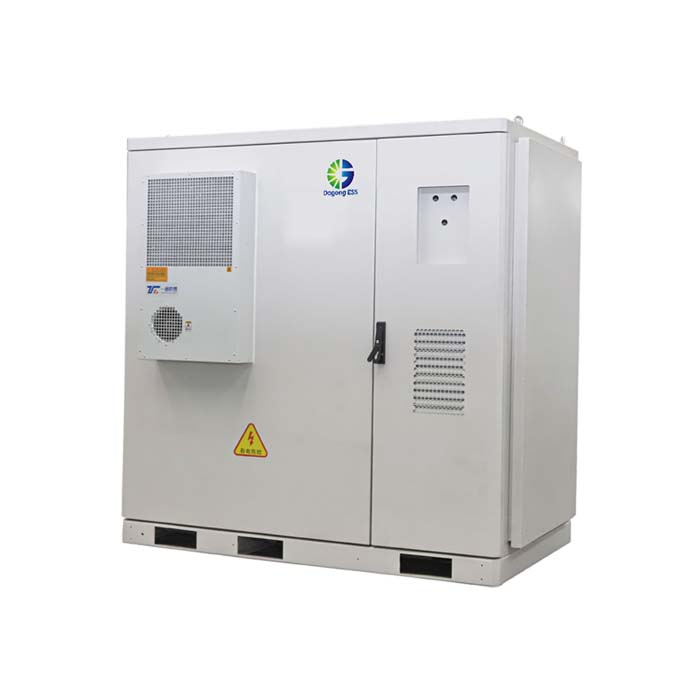
100kWh–144kWh Air-Cooled ESS for commercial energy optimization and distributed storage
215kWh–416kWh Air-Cooled ESS for industrial load management and renewable integration
215kWh Liquid-Cooled ESS for high-performance thermal and efficiency requirements
372kWh Liquid-Cooled ESS for large industrial and grid support applications
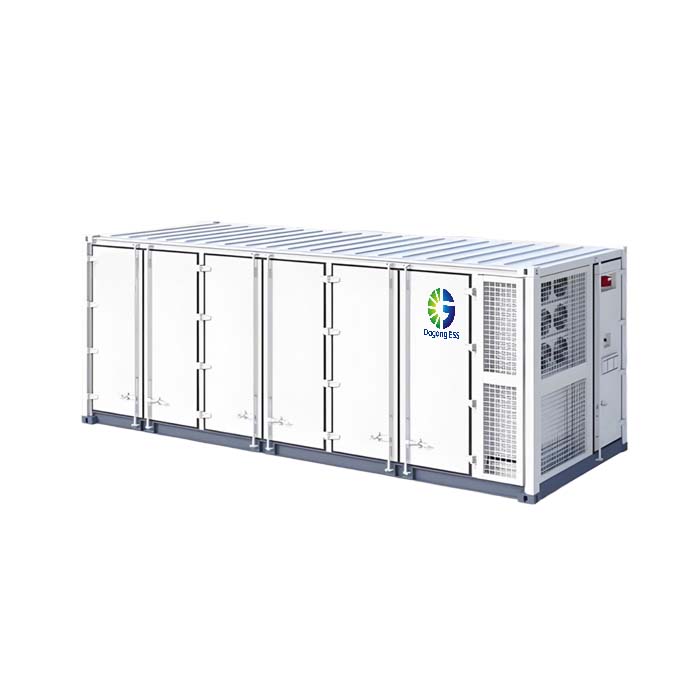
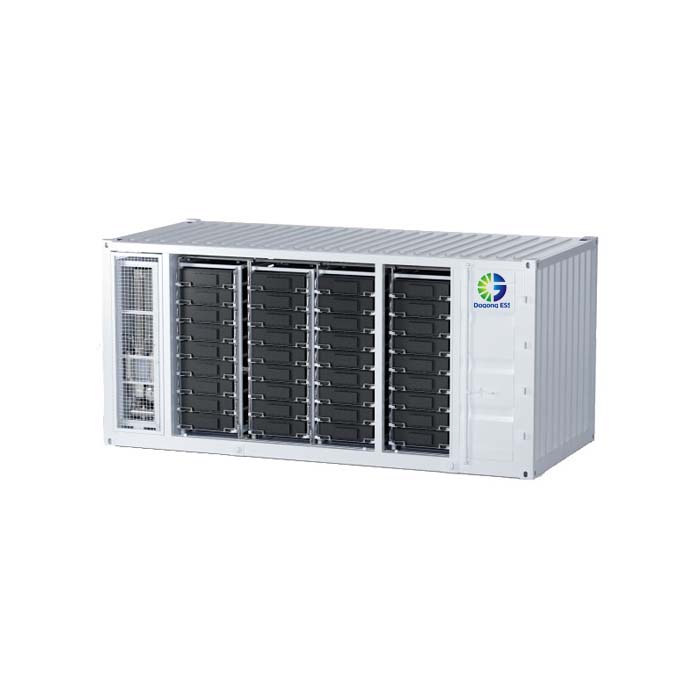
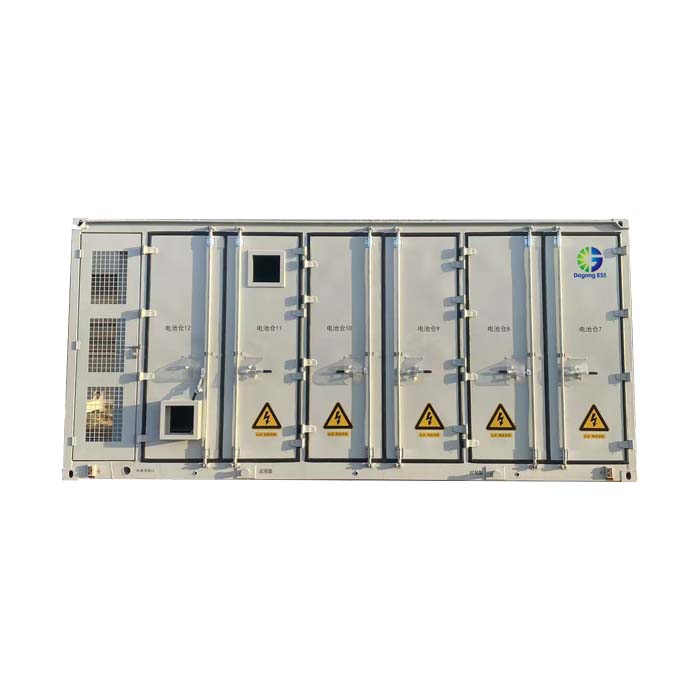
5MWh Liquid-Cooled ESS Container for utility-scale energy infrastructure and microgrid systems
These systems reflect a design direction aligned with transformer-less and high-efficiency grid integration concepts.
Application Scenarios of Transformer-Less Energy Storage Systems
Renewable Energy Integration
Transformer-less ESS helps stabilize solar and wind output by providing fast and efficient grid support.
Utility Frequency Regulation
High-speed response capability makes them suitable for balancing grid frequency fluctuations.
Industrial Energy Optimization
Factories use these systems to reduce peak demand and improve power quality without complex substation infrastructure.
Microgrid Systems
In isolated or weak grids, transformer-less ESS improves flexibility and reduces infrastructure dependency.
Future Development Direction
Transformer-less energy storage systems represent a shift toward:
More compact energy infrastructure
Higher efficiency grid interfaces
Faster dynamic response systems
Modular and scalable energy networks
As power systems evolve toward higher renewable penetration, these architectures will become increasingly important in both utility-scale and distributed energy applications.
Transformer-less energy storage systems are redefining how energy storage interfaces with modern power grids. By eliminating traditional transformers, they improve efficiency, reduce infrastructure complexity, and enhance system responsiveness.
This architectural shift is a key step toward building more flexible, scalable, and intelligent energy systems for the future.
If you are interested in advanced energy storage system solutions, please contact Dagong ESS,
Email: sales@dagongess.com
Website: www.dagongess.com