
 WhatsApp
 sales@dagongess.com
 +86 18137952759
How Do PCS and Grid-Connection Technologies Affect Large-Scale Energy Storage Systems?
The Power Conversion System (PCS) is the core electrical interface between battery energy storage systems and the power grid. In a grid-connected energy storage system, PCS performs bidirectional conversion—transforming DC power from batteries into AC power for grid export, and converting AC back into DC during charging.
Unlike traditional inverters used in renewable generation, modern PCS for energy storage must operate continuously across charging, discharging, and standby modes. It is responsible not only for power conversion, but also for precise power control, grid synchronization, and system protection.
As energy storage systems scale from small commercial installations to utility-scale energy storage PCS deployments measured in megawatts or even hundreds of megawatts, PCS design becomes a decisive factor affecting efficiency, safety, and grid compatibility.
The Importance of Grid-Connection Technology
Energy storage grid integration refers to the technical framework that allows ESS to connect to, interact with, and support the power grid. This includes both hardware design and control algorithms that ensure compliance with grid codes and stable operation under dynamic grid conditions.
A modern grid-connected energy storage system must respond to voltage fluctuations, frequency deviations, and transient events in real time. Grid-connection technology therefore extends far beyond basic electrical connection—it defines how ESS behaves as an active grid asset.
Key grid-connection requirements typically include:
Low-voltage and high-voltage ride-through (LVRT / HVRT)
Frequency response and regulation
Power factor and reactive power control
Anti-islanding protection and fault detection
Without robust grid-connection capabilities, even high-performance battery systems cannot be deployed safely or legally at scale.
Centralized vs Distributed PCS Architectures
Large-scale ESS projects generally adopt either centralized or distributed PCS architectures, each with distinct engineering implications.
A centralized utility-scale energy storage PCS connects a single high-power converter to multiple battery racks or containers. This approach reduces the number of PCS units and simplifies initial system layout. However, it also introduces single-point-of-failure risks and limits system redundancy.
In contrast, distributed architectures deploy multiple bi-directional PCS units at cabinet or rack level. This topology improves fault isolation, enhances system availability, and supports incremental capacity expansion. As project scale and reliability requirements increase, distributed PCS architectures are becoming increasingly common in large-scale deployments.
PCS Efficiency and Long-Term System Performance
PCS efficiency has a direct impact on ESS round-trip efficiency and operational cost. Even a small efficiency loss at the PCS level can translate into significant energy losses over thousands of charge-discharge cycles.
Advanced PCS for energy storage designs focus on maintaining high efficiency across a wide operating range, including partial-load conditions that are common in grid services and renewable integration applications. Improvements in semiconductor devices, switching strategies, and thermal design have significantly enhanced PCS performance in recent years.
Over the full lifecycle of a project, PCS efficiency directly affects both system economics and carbon reduction effectiveness.
Grid Support Functions Enabled by PCS
Modern PCS is no longer a passive power converter. Through advanced control algorithms, energy storage grid integration enables ESS to actively support grid stability.
Key grid-support functions include:
Fast frequency response
Voltage regulation and reactive power compensation
Ramp-rate control for renewable smoothing
Black start capability in selected configurations
These capabilities allow grid-connected energy storage systems to participate in ancillary services markets and play a more strategic role in modern power systems with high renewable penetration.
Coordination Between PCS, BMS, and EMS
PCS does not operate in isolation. Effective ESS operation depends on tight coordination between PCS, BMS, and EMS layers.
The BMS provides real-time data on battery voltage, temperature, SOC, and safety limits. PCS executes power commands within those boundaries, while EMS optimizes dispatch strategies based on grid conditions, pricing signals, and operational objectives.
A well-integrated control architecture ensures that battery energy storage PCS delivers maximum performance without compromising battery health or system safety.
Safety and Grid Compliance Considerations
PCS plays a critical role in ensuring both electrical safety and regulatory compliance. Proper isolation, fault detection, and protection logic are essential to prevent abnormal current flow, electrical hazards, or grid disturbances.
For large-scale projects, ESS grid compliance involves meeting stringent requirements related to:
Grid codes and interconnection standards
Electrical safety and insulation levels
Harmonic distortion and EMC limits
Compliance is not only a regulatory requirement but also a key factor in long-term system reliability and acceptance by grid operators.
Selecting PCS and Grid-Connection Solutions for ESS Projects
Choosing appropriate PCS and grid-connection technology requires careful evaluation of project-specific conditions. Important considerations include grid voltage level, connection point characteristics, target power rating, redundancy requirements, and the types of grid services the ESS is expected to provide.
For complex deployments, PCS for energy storage and energy storage grid integration should be treated as foundational elements of system architecture, rather than auxiliary components added late in the design process.
PCS and Grid Integration in Modern ESS Design
As power systems evolve toward higher shares of renewable energy, the role of PCS continues to expand. Advanced utility-scale energy storage PCS enables ESS to function not only as an energy buffer, but also as a flexible grid asset capable of supporting stability, resilience, and efficiency.
This shift places higher demands on PCS reliability, control sophistication, and integration with other system layers.
Industry Practice and System-Level Integration
In practical applications, PCS and grid-connection technology are increasingly integrated at the system level rather than treated as standalone devices. This approach simplifies commissioning, improves interoperability, and enhances long-term operational consistency.
Manufacturers and integrators with experience across battery systems, BMS, thermal management, and grid integration are better positioned to deliver balanced and reliable ESS solutions.
PCS and grid-connection technologies define how effectively energy storage systems interact with the power grid. A well-designed Power Conversion System, combined with robust grid-connected energy storage system capabilities, ensures efficiency, safety, grid compliance, and long-term performance in large-scale ESS projects.
About System Integration and Industry Solutions
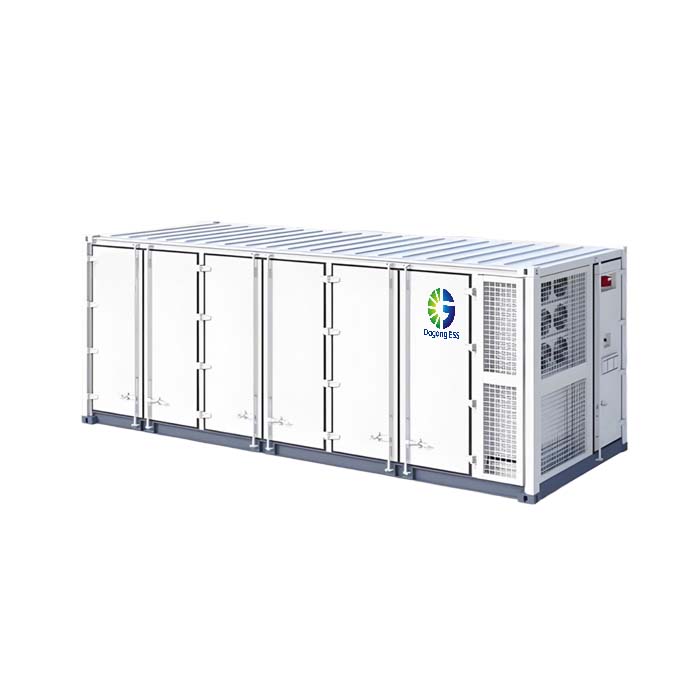
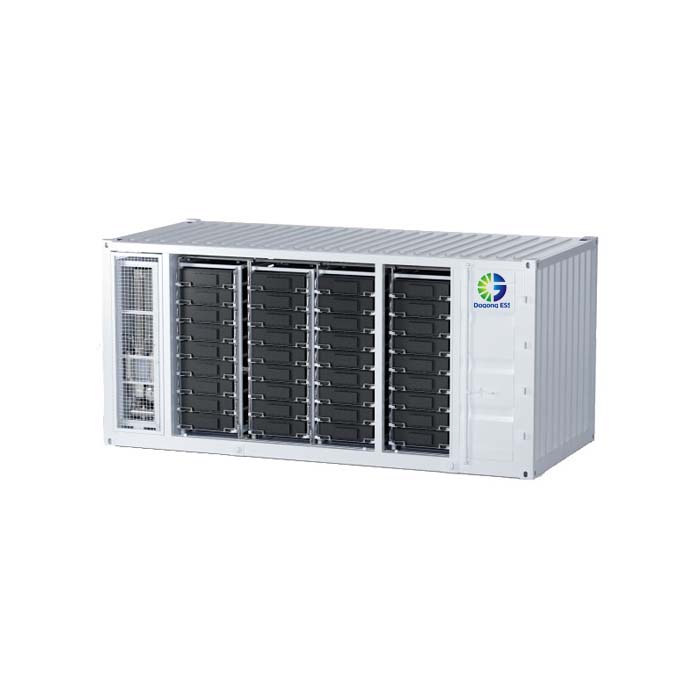
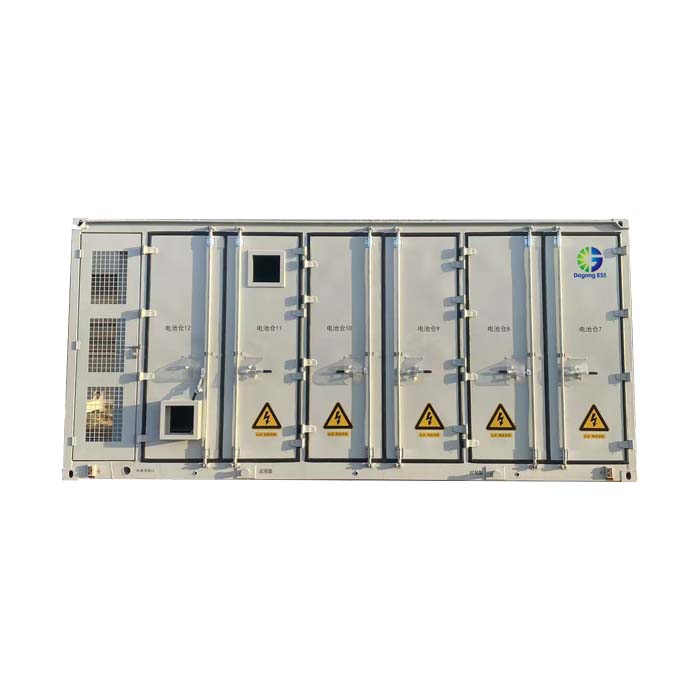
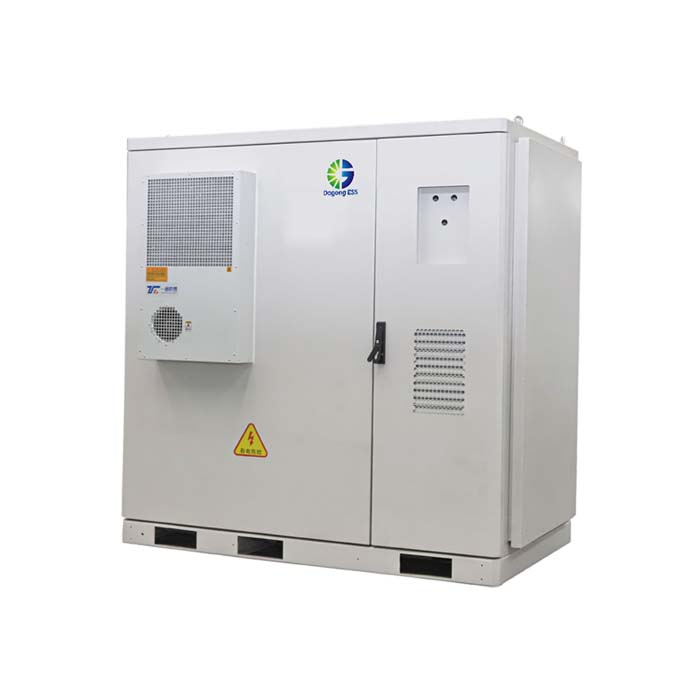
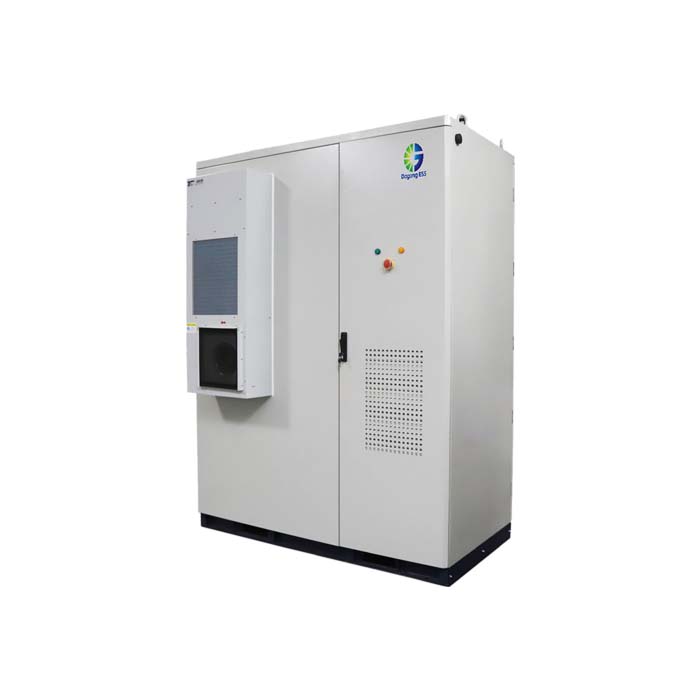
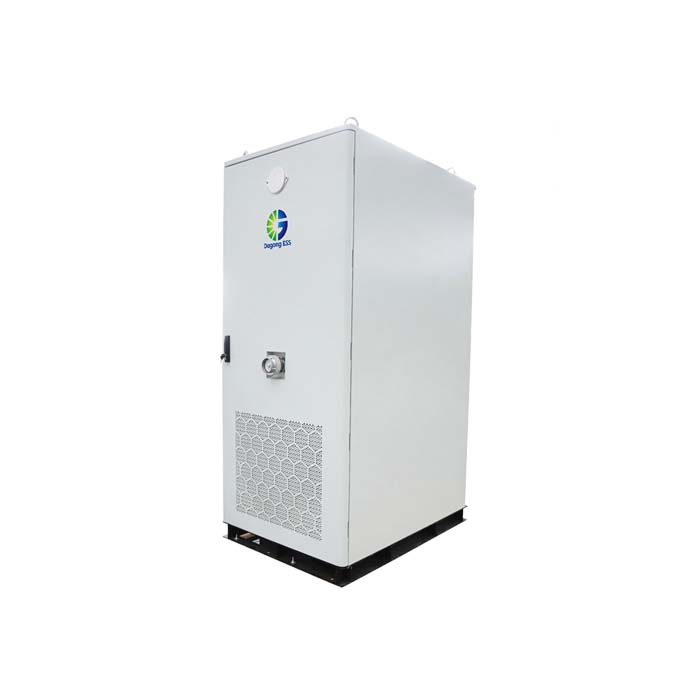
In real-world deployments, PCS and grid-connection performance depend not only on individual components but also on system-level integration. Companies such as Dagong ESS focus on delivering large-scale energy storage solutions where PCS for energy storage, BMS, thermal management, and modular system architecture are designed as a coordinated whole.
With product lines covering air-cooled and liquid-cooled systems from commercial to utility scale, Dagong ESS emphasizes grid compliance, system reliability, and long-term lifecycle performance across diverse application scenarios.
If you are interested in PCS-integrated energy storage solutions, please contact Dagong ESS:
Email: sales@dagongess.com