
 WhatsApp
 sales@dagongess.com
 +86 18137952759
Low Temperature Pouch Cell Lithium Batteries: Performance of LFP and NMC Below -40°C
Low temperature pouch cell lithium batteries are specifically engineered to operate in extreme cold environments where standard lithium-ion batteries would experience severe performance degradation. In conventional battery systems, low temperatures increase internal resistance and significantly reduce discharge capacity, often leading to unstable operation or even failure to start. To address these challenges, pouch cell batteries designed for low-temperature applications incorporate optimized electrolyte formulations, improved electrode structures, and enhanced thermal management strategies. The pouch cell format itself provides additional advantages due to its flexible structure and efficient heat dissipation, which help maintain more stable performance under harsh conditions. In recent years, both LFP and NMC chemistries have been successfully adapted for low-temperature operation, with some advanced designs capable of functioning at temperatures as low as -40°C to -43°C. This makes them increasingly suitable for applications in cold regions, outdoor installations, and demanding industrial environments.
Types of Low Temperature Pouch Cell Batteries
Low temperature pouch cell batteries are generally developed based on LFP and NMC chemistries, each offering distinct advantages depending on the application requirements. LFP pouch cells are typically optimized for stability and durability, maintaining consistent discharge performance even under low-temperature conditions. Their robust chemical structure allows them to withstand repeated cycling without significant degradation, making them particularly suitable for long-term applications such as energy storage systems. NMC pouch cells, in contrast, are often designed to provide higher energy density while maintaining acceptable performance in cold environments. This makes them a preferred choice for applications where both compact size and reliable low-temperature operation are required. In practical terms, both chemistries can be engineered to operate at temperatures below -40°C, but the choice between them depends on whether the priority is long-term stability or energy density. Manufacturers often fine-tune cell design parameters, such as electrolyte composition and internal resistance, to achieve the desired balance between these characteristics.
Features of Low Temperature Pouch Cell Batteries
The performance of low temperature pouch cell batteries is defined by several key characteristics that enable reliable operation in extreme environments.
Wide operating temperature range
Capable of functioning from approximately -40°C to 55°C, ensuring usability in both cold and moderate climatesStable discharge performance
Designed to maintain consistent output even when internal resistance increases at low temperaturesOptimized internal structure
Reduced resistance and improved ion transport efficiency through advanced material designEnhanced safety characteristics
Particularly in LFP pouch cells, which offer strong thermal stability even under challenging conditions
In general, NMC pouch cells tend to perform better in terms of energy retention and efficiency at low temperatures, while LFP pouch cells provide superior safety and longer cycle life, especially in applications involving frequent charge and discharge cycles.
Applications of Low Temperature Pouch Cell Batteries
Low temperature pouch cell batteries are widely used in applications where reliable performance in cold environments is essential.
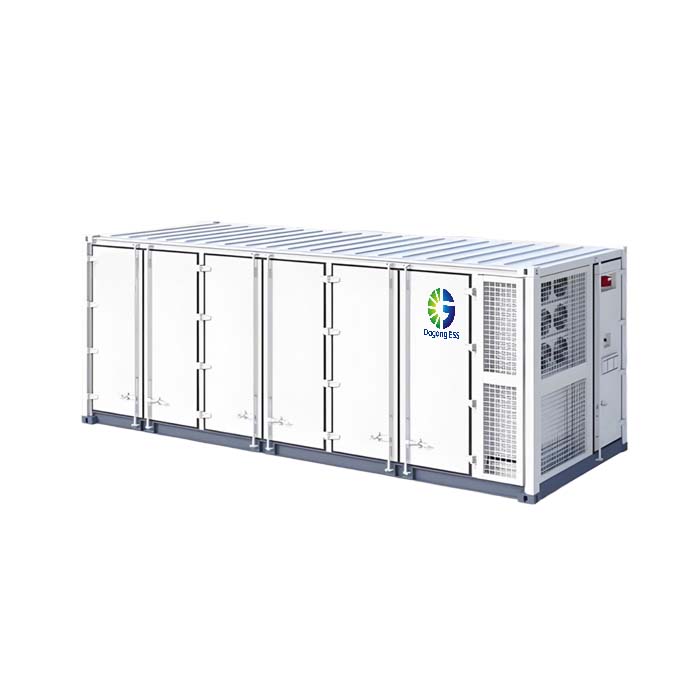
Energy Storage Systems (ESS)
Used in outdoor solar storage, microgrid systems, and remote installations where temperatures can drop significantlyTelecommunication Base Stations
Provide stable backup power in cold regions, ensuring uninterrupted communication servicesElectric Vehicles and Mobility Devices
Support operation in northern climates where low temperatures can affect battery efficiencyIndustrial and Outdoor Equipment
Power tools, monitoring systems, and other equipment operating in harsh environments
In many commercial and industrial energy storage projects, LFP pouch cells are commonly selected due to their safety and long lifecycle, even when exposed to varying environmental conditions. NMC pouch cells are more often used in applications that require a combination of compact design and reliable cold-weather performance.
Price of Low Temperature Pouch Cell Batteries
The cost of energy storage systems for renewable energy integration depends on several factors, including system capacity, storage duration, battery type, control software, installation conditions, and auxiliary equipment.
Pricing is usually quoted under international trade terms such as EXW, FOB, or CIF, depending on project location and logistics preferences. For a tailored quotation based on your specific project needs, please feel free to contact Dagong ESS.
How to Select a Low Temperature Pouch Cell Battery?
Choosing the right low temperature pouch cell battery requires a careful evaluation of the operating environment and performance requirements. For applications that prioritize long-term stability, high safety, and frequent cycling, LFP pouch cells are generally the preferred choice, especially in energy storage systems and infrastructure projects. For applications where higher energy density and compact size are more important, such as certain mobility or portable systems, NMC pouch cells offer a more suitable solution. It is also important to consider the expected temperature range, as well as system-level factors such as thermal management and insulation, which can significantly influence overall performance. In many cases, the optimal solution involves balancing these considerations rather than focusing on a single parameter.
How Long Do Low Temperature Pouch Cell Batteries Last?
The lifespan of low temperature pouch cell batteries depends on both chemistry and operating conditions, but general trends can still be observed.
LFP pouch batteries: typically 3000–5000+ cycles, offering long-term reliability in ESS applications
NMC pouch batteries: around 1000–2000 cycles, suitable for performance-oriented applications
Even in cold environments, LFP pouch cells tend to maintain a longer service life, making them a cost-effective solution for long-term deployment.
The Supplier of Low Temperature Pouch Cell Batteries
Advancements in pouch cell technology have significantly improved lithium battery performance in extreme environments, enabling reliable operation even below -40°C. LFP and NMC pouch cells are widely used in energy storage, telecommunications, and mobility applications, offering flexible solutions for diverse requirements. As demand for cold-climate energy systems grows, low temperature pouch cell batteries will play an increasingly important role in ensuring stable and efficient power supply.
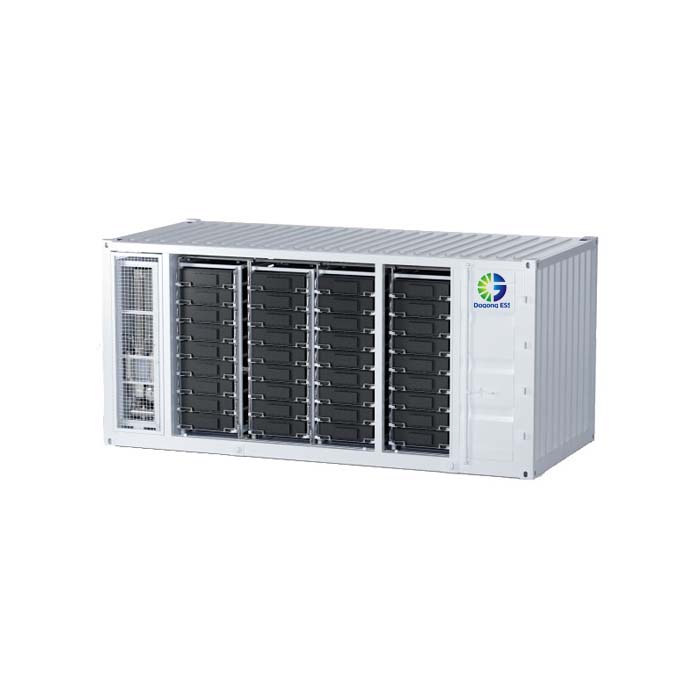
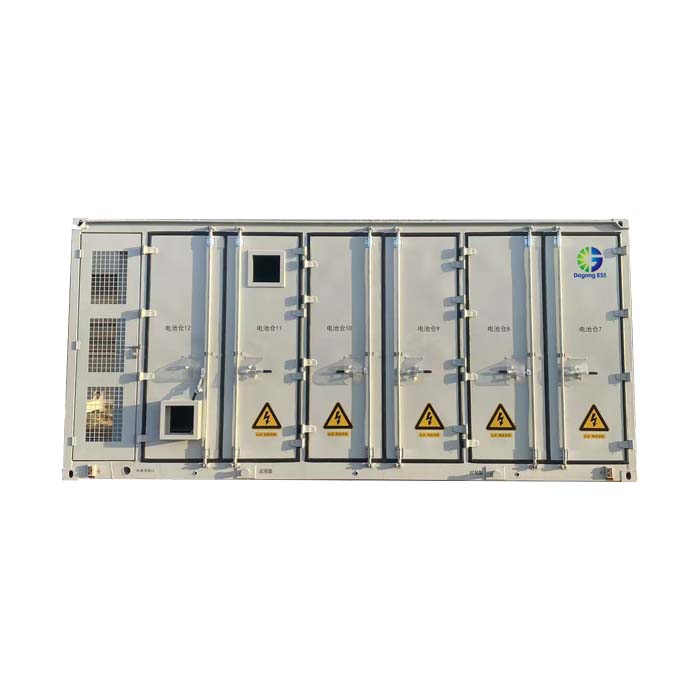
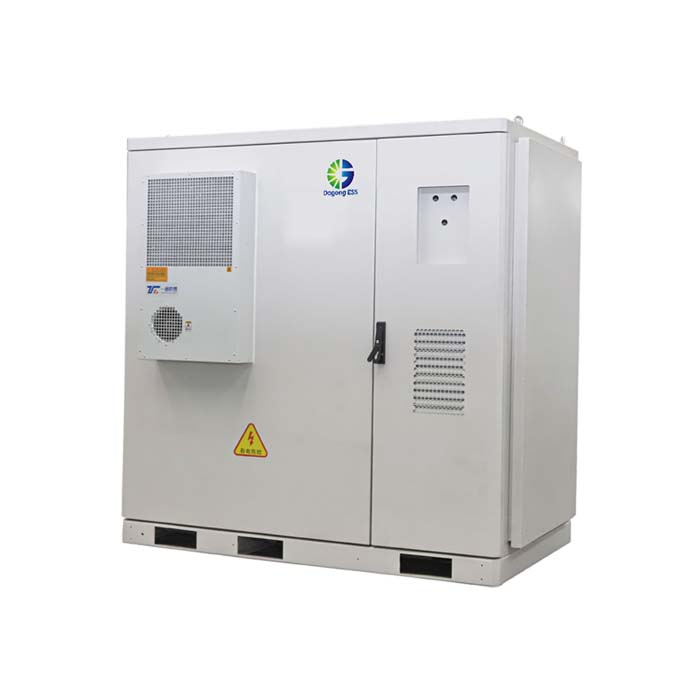
In this context, Dagong ESS provides low temperature pouch cell solutions designed for harsh environments. By combining advanced materials with optimized thermal management, its batteries maintain stable performance and high efficiency at low temperatures. These cells can be integrated into residential, commercial & industrial, and containerized energy storage systems, supporting reliable operation across a wide range of applications.