
 WhatsApp
 sales@dagongess.com
 +86 18137952759
LFP vs NMC vs LCO: A Complete Technical Comparison for Energy Storage and Power Applications
Lithium-ion batteries are not a single uniform technology but a family of chemistries defined primarily by their cathode materials. Among these, LFP (Lithium Iron Phosphate), NMC (Nickel Manganese Cobalt), and LCO (Lithium Cobalt Oxide) are three of the most widely used systems in today’s market, each developed with a different balance of performance, cost, and safety in mind. LFP is generally recognized for its chemical stability and long operational life, making it particularly suitable for energy storage systems that require frequent cycling and high reliability. NMC, on the other hand, was designed to achieve higher energy density while maintaining acceptable safety levels, which explains its widespread use in electric vehicles and high-performance equipment. LCO represents an earlier generation of lithium-ion chemistry that still plays an important role in compact consumer electronics due to its high energy density and mature manufacturing process, although its limitations in safety and lifespan have become more evident over time. Understanding these differences is essential when selecting the right battery for a specific application, especially as the industry continues to move toward more demanding use cases such as large-scale energy storage and high-power discharge systems.
Types of LFP, NMC, and LCO Batteries
In practical applications, these three chemistries are engineered in different directions depending on performance priorities such as energy density, discharge rate, and environmental adaptability.
NMC Batteries
Typically optimized for high energy density, with advanced designs reaching up to 300–350 Wh/kg. High-rate variants can support around 15C continuous discharge and 25C pulse discharge, making them suitable for UAVs and high-performance devices.LFP Batteries
Commonly designed for durability and high-rate performance, supporting 10C–20C continuous discharge and even higher pulse output. Some designs are optimized for low-temperature operation down to -40°C or below.LCO Batteries
Widely used in compact electronics, with certain high-rate designs capable of achieving up to 70C pulse discharge for short bursts of power.
Features of LFP, NMC, and LCO Batteries
Each battery chemistry offers a distinct set of performance characteristics that determine its application.
1. LFP Features
Excellent thermal stability and safety performance
Long cycle life, typically 3000–5000+ cycles
Stable performance under high-rate conditions
Lower energy density compared to other chemistries
2. NMC Features
High energy density, up to 300–350 Wh/kg
Balanced performance between power and capacity
Good low-temperature performance
Moderate cycle life and safety
3. LCO Features
High energy density for compact devices
Fast charging capability
High pulse discharge performance
Shorter lifespan and lower thermal stability
Applications of LFP, NMC, and LCO Batteries
The performance differences between these chemistries lead to clearly defined application areas.
1. LFP Applications
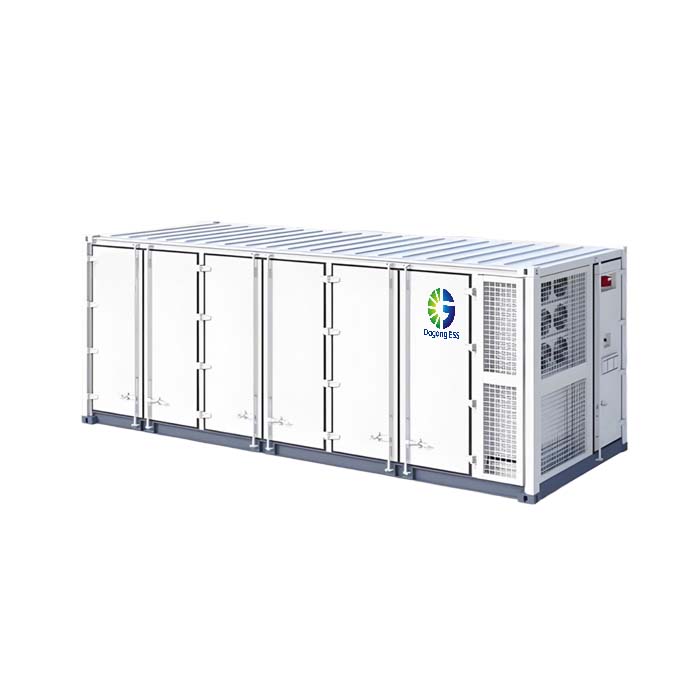
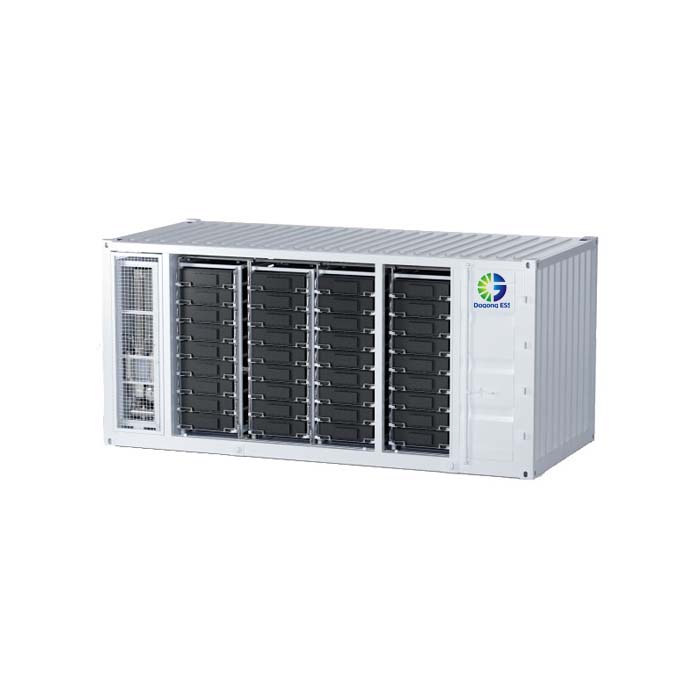
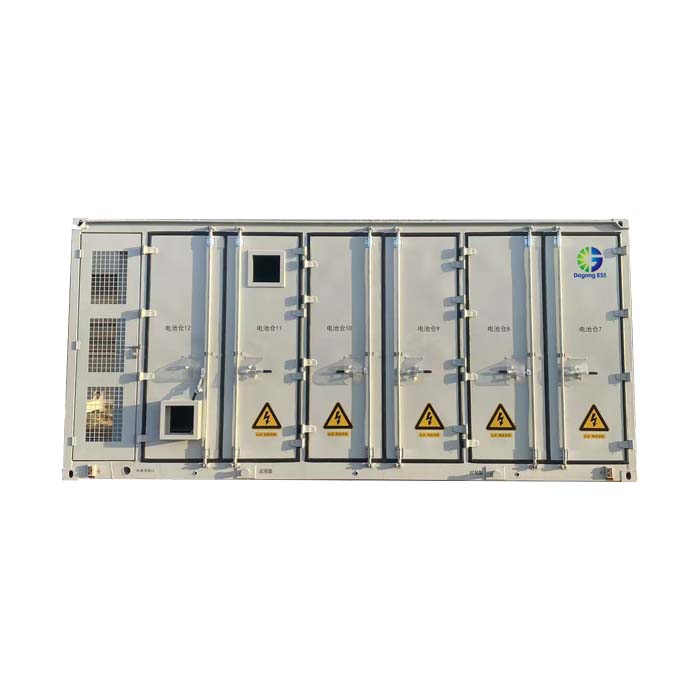
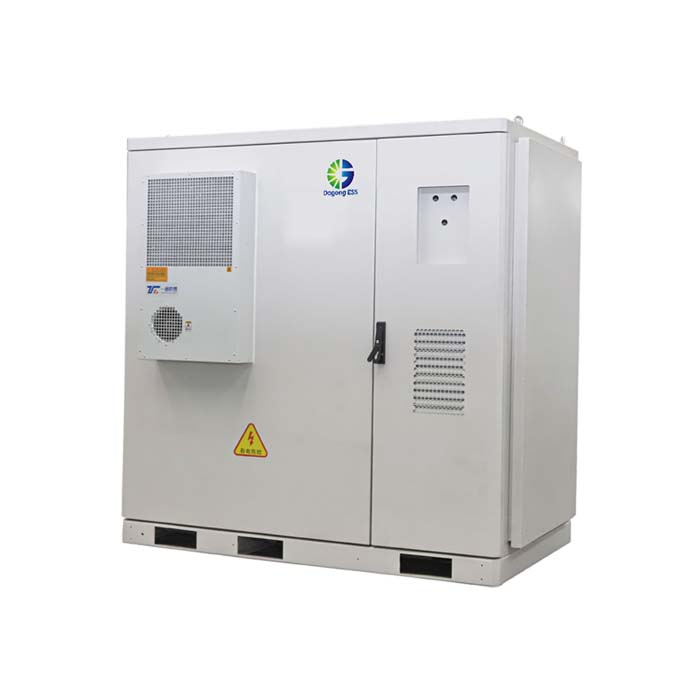
LFP is widely used in modular systems ranging from tens of kWh to multi-MWh containerized solutions due to its safety and long service life.
Energy storage systems (ESS)
Solar and renewable energy storage
Industrial and commercial backup power
Electric motorcycles and utility vehicles
2. NMC Applications
Its high energy density makes it ideal for applications where weight and size are critical.
Electric vehicles (EVs)
UAV (drones)
Portable power stations
High-performance electronic devices
3. LCO Applications
LCO remains dominant in compact devices despite its shorter lifecycle.
Smartphones
Laptops
Consumer electronics
Price of LFP, NMC, and LCO Batteries
The cost of energy storage systems for renewable energy integration depends on several factors, including system capacity, storage duration, battery type, control software, installation conditions, and auxiliary equipment.
Pricing is usually quoted under international trade terms such as EXW, FOB, or CIF, depending on project location and logistics preferences. For a tailored quotation based on your specific project needs, please feel free to contact Dagong ESS.
How to Select LFP, NMC, or LCO for Your Project?
Selecting the right battery chemistry depends on balancing safety, lifespan, energy density, and application requirements. For projects that require long-term operation, high safety standards, and frequent cycling, LFP is generally the most suitable choice, particularly in energy storage systems. NMC is better suited for applications where high energy density and compact design are critical, such as electric vehicles and UAVs. LCO can still be considered for compact electronic devices where space constraints are the primary concern, although its shorter lifespan and lower safety margin should be taken into account. In addition to chemistry, factors such as operating temperature, discharge rate, and system integration should also be considered to ensure optimal performance.
How Long Does Each Battery Type Last?
Battery lifespan varies significantly depending on chemistry and operating conditions.
LFP: typically 3000–5000+ cycles, equivalent to 10–15 years in many ESS applications
NMC: around 1000–2000 cycles, suitable for mobility and portable systems
LCO: approximately 500–1000 cycles, aligned with consumer electronics usage
These differences directly impact total cost of ownership and long-term system reliability.
The Supplier of LFP, NMC, and LCO Batteries
Battery manufacturers today offer a wide range of lithium-ion solutions tailored to different applications, performance requirements, and environmental conditions. LFP-based systems have become increasingly dominant in energy storage due to their safety and durability, while NMC continues to play a key role in high-energy applications. With ongoing improvements in battery materials and system integration, lithium battery technologies are expected to deliver even higher efficiency and reliability across various industries.