
 WhatsApp
 sales@dagongess.com
 +86 18137952759
Why Is Australia’s Residential Energy Storage Market Growing So Fast?
Australia is widely recognized as one of the fastest-growing residential energy storage markets. However, the real driver behind this growth is often misunderstood. Rather than being fueled by new solar installations, the market is largely driven by the rapid expansion of battery storage added to existing rooftop PV systems.
Over the past decade, Australia has achieved nearly 40% residential solar penetration, meaning millions of households already generate electricity. Yet, fewer than 10% of these homes have installed battery storage. This imbalance between energy generation and storage creates a significant opportunity for growth.
How Solar Battery Retrofit Is Driving Home Battery Australia Demand
For households with rooftop solar, operating without storage is becoming increasingly inefficient. Excess electricity generated during the day is typically exported to the grid at a relatively low price, while electricity must be purchased at a higher rate in the evening.
As electricity price volatility increases, this gap becomes more pronounced. By adding a battery system, homeowners can store surplus energy and use it during peak hours, improving overall energy efficiency.
Most residential systems range from 5kWh to 15kWh, which is sufficient for daily use. However, with the increasing adoption of electric vehicles and electrified appliances, expandable systems are gaining popularity. Modular designs allow users to scale their systems over time, aligning with future energy needs.
How Electricity Prices Shape the Australia Energy Storage Market ROI
Australia’s electricity market is characterized by strong price fluctuations throughout the day. Low prices during periods of high solar generation and higher prices during peak demand create ideal conditions for energy arbitrage.
This dynamic makes residential storage more than just a cost-saving tool. It transforms it into an energy asset capable of delivering financial returns. As price volatility increases, the economic attractiveness of battery storage continues to improve.
How VPP Is Transforming Residential ESS Australia Business Models
Virtual power plants are playing an increasingly important role in the Australian market. By aggregating distributed residential storage systems, VPP platforms allow households to participate in grid services and earn additional income.
This development shifts the value proposition of residential ESS from cost reduction to a combination of savings and revenue generation. As a result, more homeowners are considering storage systems as long-term investments.
Home Energy Storage Solutions Trends: Integration and Modularity
Product design is evolving alongside market demand. Integrated systems that combine batteries, inverters, and energy management systems are becoming more common, simplifying installation and improving reliability.
At the same time, modularity is becoming a key feature. Expandable systems offer flexibility, allowing users to adjust capacity as their energy consumption grows. Solutions ranging from 5kWh to 80kWh, including wall-mounted, rack-mounted, and stackable configurations, are increasingly available to meet diverse needs.
Residential Energy Storage Applications in Australia
Residential energy storage is now used for a wide range of applications beyond solar self-consumption. These include reducing electricity costs, enhancing energy independence, providing backup power, and participating in energy markets.
Different system configurations are suited to different households. Compact systems work well for smaller homes, while larger or expandable systems provide greater flexibility for users with higher energy demand.
How to Choose the Right Residential ESS Australia System
When selecting a system, homeowners are increasingly focused on long-term performance rather than upfront cost. Key considerations include compatibility with existing PV systems, appropriate capacity, scalability, and the ability to integrate with VPP platforms.
These factors play a crucial role in determining system performance and return on investment.
Future of the Australia Home Battery Market
The rapid growth of Australia’s residential energy storage market is driven by a combination of high solar penetration, electricity pricing dynamics, and evolving business models. As the market matures, battery storage is becoming an essential component of modern home energy systems.
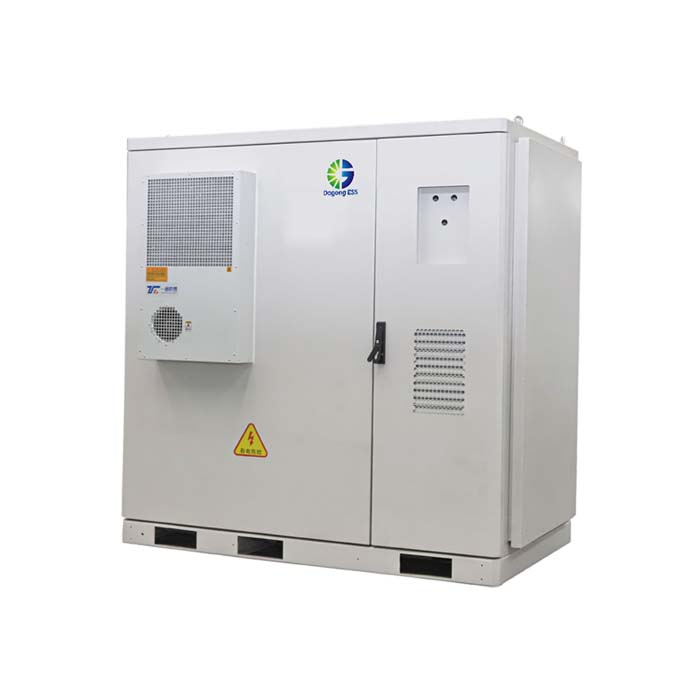
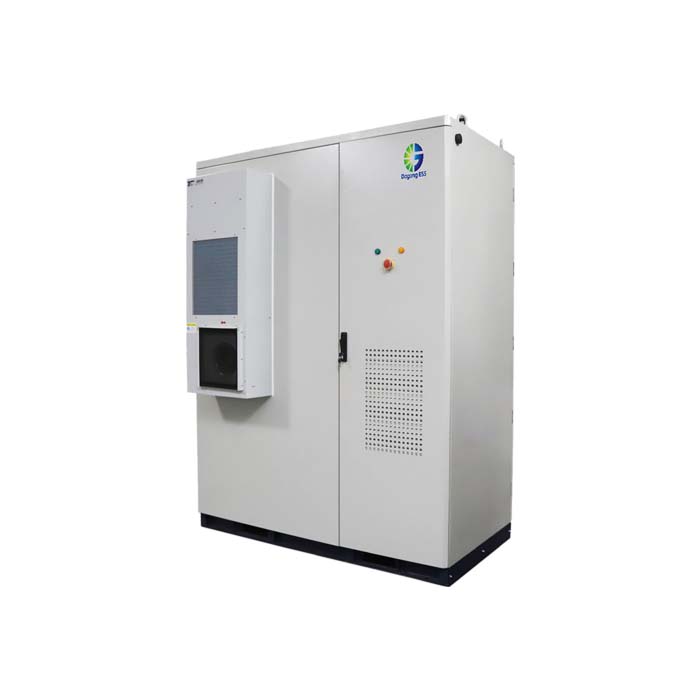
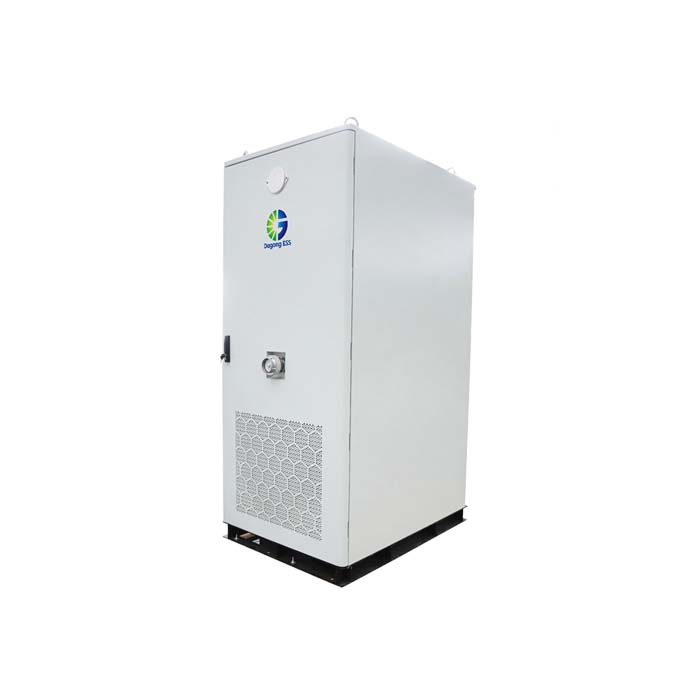
Dagong ESS offers a range of residential energy storage solutions, including 5kWh–10kWh wall-mounted systems, 5kWh–30kWh rack-mounted cabinets, and 5kWh–80kWh stackable systems, designed for both new installations and retrofit applications.
If you are interested in residential energy storage solutions, please contact sales@dagongess.com for more information.