
 WhatsApp
 sales@dagongess.com
 +86 18137952759
Why Industrial Energy Storage Is Becoming a Strategic Investment in Southeast Asia
Why Energy Storage Is No Longer Optional for Southeast Asian Businesses
Across Southeast Asia, energy is no longer just an operational cost—it has become a strategic factor that directly impacts competitiveness. Rapid industrialization in countries such as Indonesia, Thailand, Malaysia, and Singapore is driving electricity demand to new levels, while grid infrastructure struggles to keep pace.
For many businesses, this results in a combination of rising electricity prices, peak demand penalties, and occasional power instability. In this context, industrial and commercial energy storage systems (C&I ESS) are no longer viewed as backup solutions. Instead, they are increasingly recognized as tools for cost control, operational continuity, and long-term energy planning.
From Backup Power to Profit Optimization
Traditionally, energy storage was deployed primarily to provide backup power during outages. While this function remains important, the value of ESS in Southeast Asia has expanded significantly.
Today, businesses are leveraging energy storage to actively manage how and when electricity is used. By storing energy during off-peak periods and using it during high-tariff hours, companies can significantly reduce peak demand charges. This approach transforms energy storage into a mechanism for continuous cost optimization, rather than occasional emergency support.
In facilities with on-site solar generation, energy storage further enhances returns by increasing self-consumption and reducing reliance on grid electricity. This combination of savings and efficiency improvements is driving faster adoption across multiple industries.
The Hidden Cost of Tropical Operating Conditions
While the business case for energy storage is strong, Southeast Asia presents a unique operational challenge: climate.
High ambient temperatures, often exceeding 35°C, combined with humidity levels of up to 95%, can accelerate battery degradation if systems are not properly designed. Coastal environments introduce additional risks through corrosion, while unstable grid conditions can increase cycling frequency.
These factors directly affect system performance, maintenance requirements, and long-term return on investment. As a result, businesses must evaluate not only the price of a system, but also how well it is adapted to local environmental conditions.
Technology Choices That Directly Impact ROI
In tropical markets, the choice of technology has a measurable impact on financial performance over time.
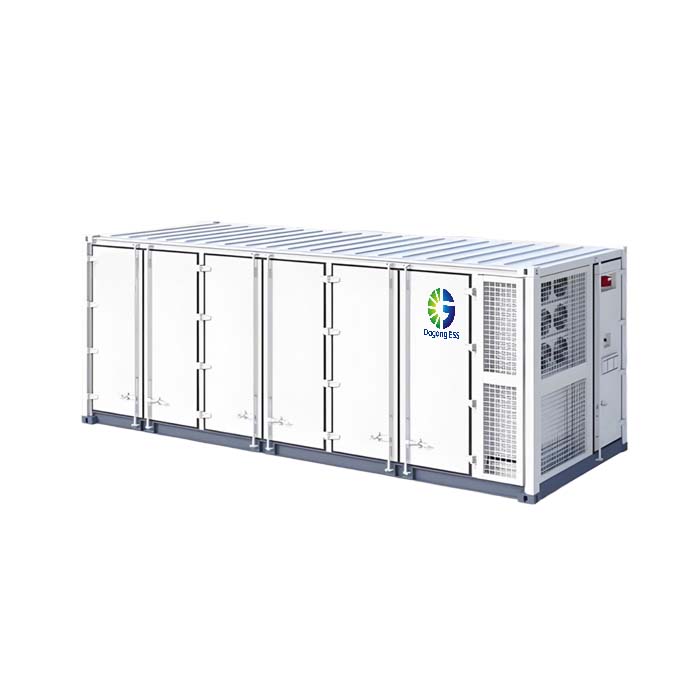
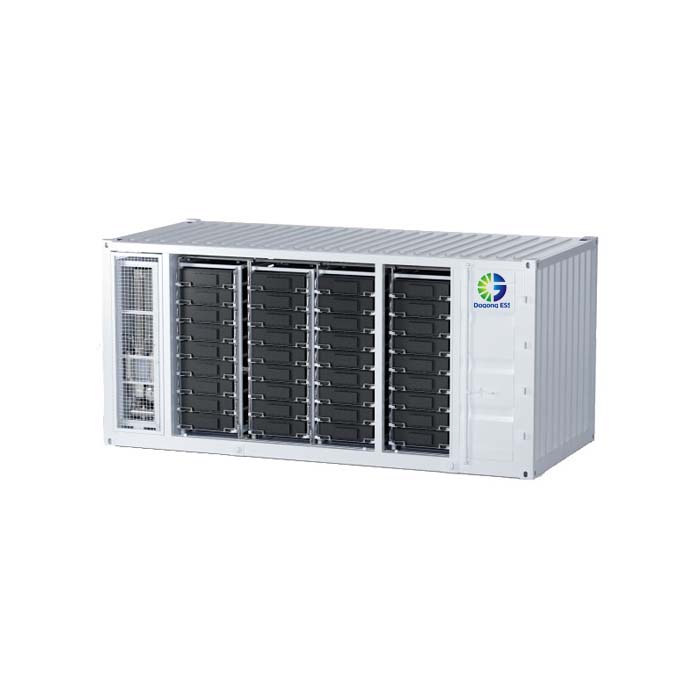
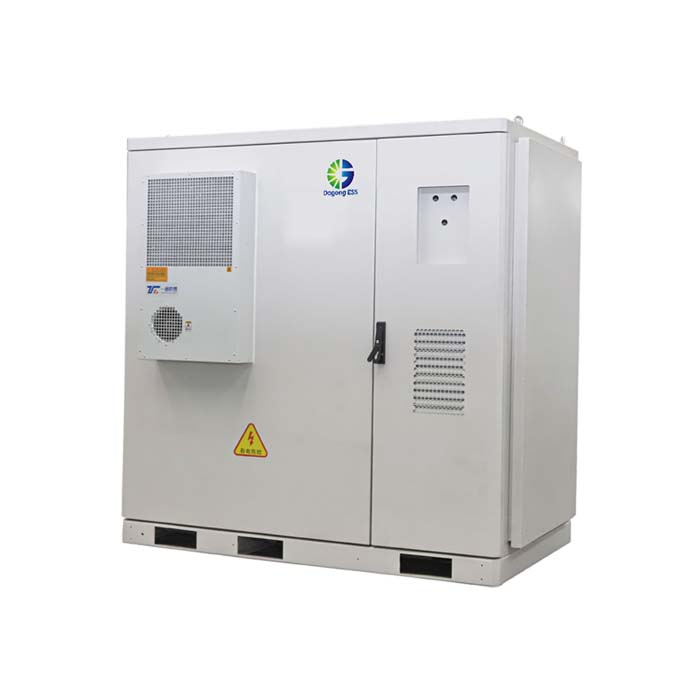
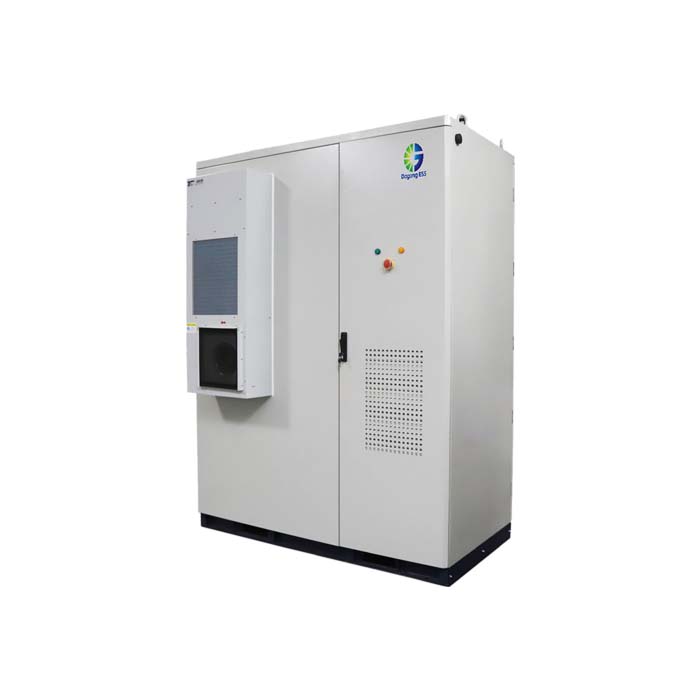
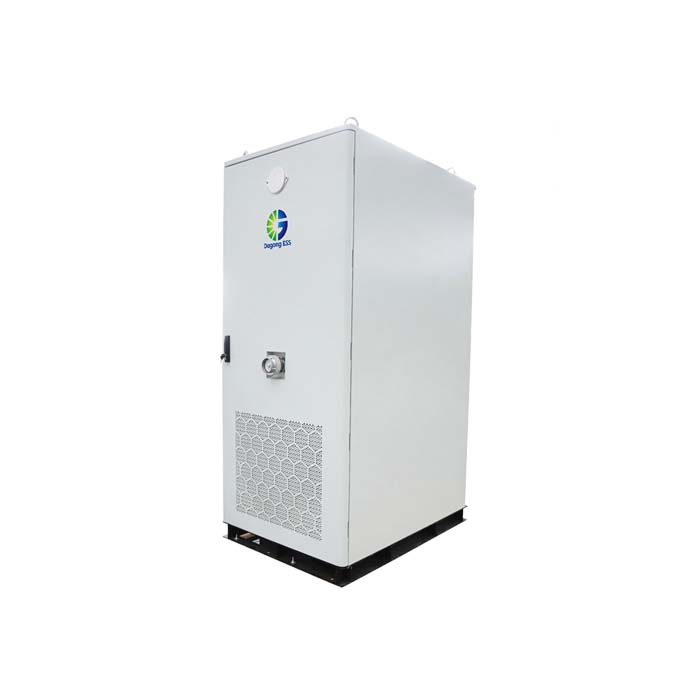
Cooling methods are one of the most important considerations. Air-cooled systems, such as 100kWh–144kWh air-cooled ESS or 215kWh–416kWh air-cooled ESS, offer cost-effective solutions for indoor or controlled environments. However, in high-temperature or outdoor scenarios, liquid-cooled systems—including 215kWh liquid-cooled ESS and 372kWh liquid-cooled ESS—provide more stable performance and reduced degradation, which can significantly improve lifecycle value.
Battery chemistry is equally important. Lithium iron phosphate (LFP) batteries are widely preferred in Southeast Asia due to their superior thermal stability and long cycle life. With more than 8,000 cycles and an expected lifespan of over 15 years, LFP systems provide predictable, long-term returns even under demanding operating conditions.
Applications That Deliver Measurable Business Value
The adoption of C&I energy storage in Southeast Asia is closely tied to practical, measurable outcomes across industries.
Manufacturing facilities use ESS to stabilize production by mitigating power fluctuations and reducing peak electricity costs. In sectors where downtime is costly, this reliability directly translates into financial savings.
Data centers, particularly in Singapore, rely on energy storage to maintain uninterrupted operations. Even brief power disruptions can result in significant losses, making ESS a critical component of infrastructure resilience.
Commercial buildings—including shopping centers, office complexes, and hotels—use storage systems to optimize energy consumption patterns and ensure backup power for essential services. At the same time, telecommunications infrastructure in remote areas is increasingly turning to battery storage to reduce dependence on diesel generators and improve operational efficiency.
How to Evaluate ROI for Energy Storage Projects
For decision-makers, the key question is no longer whether energy storage works—but whether it delivers a strong return on investment.
A comprehensive evaluation should include:
Electricity cost structure and peak demand charges
Frequency and impact of power interruptions
Potential savings from load shifting and peak shaving
Integration with renewable energy systems
Expected system lifespan and maintenance requirements
In many Southeast Asian markets, payback periods for well-designed C&I ESS projects are becoming increasingly attractive, particularly when energy costs are high and grid reliability is inconsistent.
The Importance of Scalable System Design
Business growth in Southeast Asia is often rapid and unpredictable, making flexibility an important consideration. Energy storage systems that support modular expansion allow companies to scale capacity as demand increases, avoiding the need for full system replacement.
This scalable approach is not limited to large industrial systems. Even smaller solutions, such as 5kWh to 80kWh Stackable Household Energy Storage Systems, reflect the same design philosophy—start with current needs and expand over time. This concept is increasingly being applied across commercial and industrial projects as well.
Long-Term Performance and System Lifespan
Modern C&I energy storage systems based on LFP technology are designed for durability. With proper system design and maintenance, they can operate reliably for more than 15 years while maintaining stable performance.
Routine monitoring, thermal management, and software optimization all contribute to extending system life. In tropical environments, these factors are especially important, as they directly influence both reliability and return on investment.
A Strategic Shift in Energy Management
Southeast Asia is entering a new phase of energy transformation. As electricity demand continues to rise and renewable energy integration accelerates, energy storage will play a central role in balancing supply and demand.
For businesses, this represents more than a technological upgrade—it is a shift toward more intelligent, flexible energy management. Companies that adopt energy storage early are better positioned to control costs, improve resilience, and adapt to future energy market changes.
Industrial energy storage in Southeast Asia is evolving from a technical solution into a strategic investment. By reducing energy costs, improving reliability, and enabling more efficient energy use, C&I ESS is becoming an essential component of modern business operations.
With the right system design and technology choices, companies can achieve long-term value even in challenging tropical environments.
If you are interested in industrial energy storage solutions, please contact Dagong ESS.
Email: sales@dagongess.com
Website: www.dagongess.com