
 WhatsApp
 sales@dagongess.com
 +86 18137952759
Why European Homeowners Are Investing in Battery Storage Systems in 2026
What Is Residential Battery Storage and Why It Matters in Europe?
Residential battery storage systems are designed to store electricity—typically generated from rooftop solar panels or the grid—for later use. In 2026, European homeowners are increasingly adopting these systems as a practical response to a combination of high electricity costs, renewable energy expansion, and grid instability.
Across countries such as Germany, the UK, Italy, Spain, and the Netherlands, electricity prices remain significantly higher than historical averages. In Germany, household electricity prices hover around €0.40 per kWh, among the highest globally. At the same time, the rapid integration of renewable energy sources has introduced variability into the grid, occasionally leading to instability and supply-demand imbalances.
Under these conditions, residential battery storage is no longer a niche technology—it has become a strategic investment for households seeking cost savings, energy reliability, and long-term resilience.
Policy Support and Market Momentum in Europe
Government policies are accelerating the adoption of battery storage, particularly in Germany. The Solarpaket (Solar Package) reform has simplified installation procedures, improved grid connection processes, and encouraged higher levels of self-consumption.
For homeowners, this policy shift significantly improves the return on investment. Feed-in tariffs for exporting solar energy have decreased in many regions, making it more economically advantageous to store excess energy rather than sell it back to the grid. Combined with high retail electricity prices, this creates a strong financial case for solar-plus-storage systems.
The Self-Consumption Advantage of Home Battery Systems
One of the most compelling benefits of residential battery storage is the ability to increase solar self-consumption. Without storage, households typically use only 25–35% of their solar energy directly, exporting the rest to the grid at relatively low compensation rates.
With a battery system, self-consumption rates can increase to 70–85%. This significantly improves the overall economics of solar installations, as more of the generated energy offsets expensive grid electricity.
Additionally, many European countries are adopting time-of-use pricing models. Battery systems can automatically charge during low-price periods and discharge during peak hours, further optimizing electricity costs and enhancing financial returns.
Energy Independence and Backup Power Capability
Beyond financial benefits, battery storage systems provide a higher level of energy independence. This is increasingly important in Europe, where extreme weather events and aging grid infrastructure contribute to occasional power outages.
Battery systems can supply backup power to essential household loads such as refrigeration, heating, lighting, and communication devices. This ensures continuity during outages and enhances household resilience.
Equally important is the psychological benefit—reduced reliance on the grid provides homeowners with greater control over their energy usage and protection against future price volatility.
Why LFP Battery Technology Is Dominating Residential Storage
Lithium iron phosphate (LFP) battery technology has become the preferred choice for residential energy storage systems due to its balance of safety, performance, and longevity.
Safety: LFP batteries offer superior thermal stability, significantly reducing the risk of overheating or fire, making them ideal for indoor residential installations.
Long Lifespan: High-quality systems deliver over 8,000 charge cycles and can operate for more than 15 years, aligning with long-term investment expectations.
High Efficiency: With round-trip efficiency exceeding 95%, LFP systems maximize usable energy and improve overall system economics.
Modular Scalability: Many systems feature stackable designs, allowing homeowners to expand capacity as energy needs grow.
These advantages make LFP-based systems particularly suitable for European households prioritizing safety, sustainability, and reliability.
Applications of Residential Battery Storage Systems
Residential battery storage systems are widely used across various scenarios in Europe, including:
Solar Self-Consumption Optimization: Storing excess solar energy for nighttime use
Backup Power Supply: Providing electricity during grid outages
Peak Shaving: Reducing electricity costs under time-of-use tariffs
Smart Energy Management: Integrating with home energy management systems for automated optimization
These applications demonstrate how battery storage supports both economic and functional benefits in modern households.
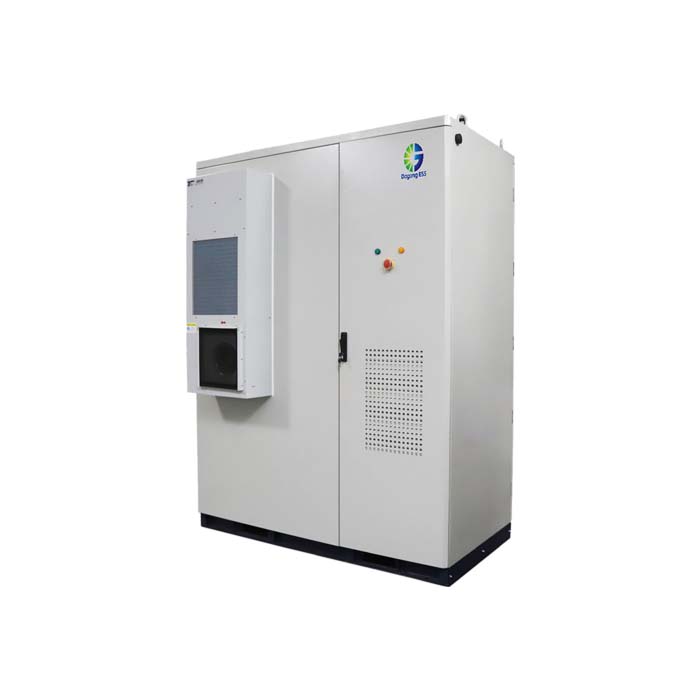
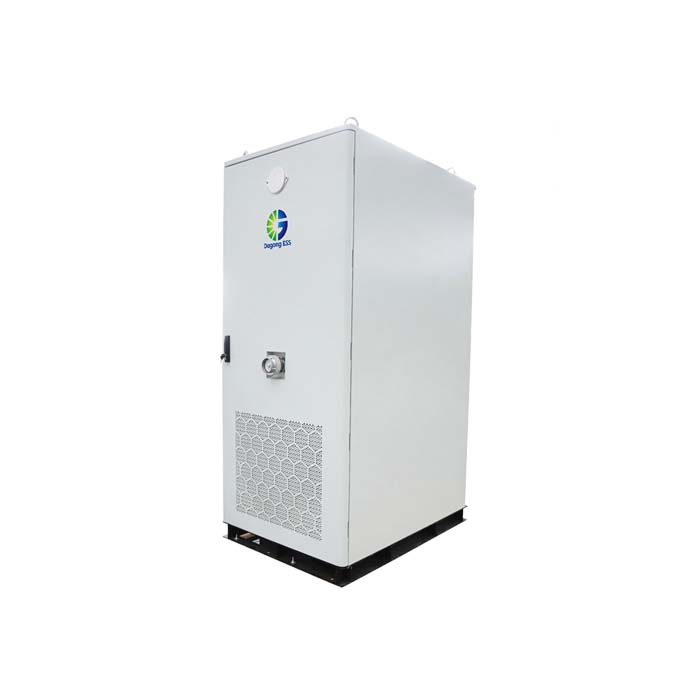
In larger residential or small commercial scenarios, scalable systems such as the 5kWh–80kWh stackable household energy storage solution or rack-mounted battery cabinets can be adapted to meet varying energy demands, offering flexibility for different property types.
For households with varying energy demands, modular solutions such as 5kWh to 80kWh Stackable Household Energy Storage Systems provide a flexible approach. These systems allow users to start with a smaller capacity and expand as electricity consumption increases, making them suitable for both standard homes and larger residential or light commercial applications. Their scalable architecture aligns well with the evolving energy needs of European households adopting solar-plus-storage solutions.How to Evaluate a Home Battery Storage Investment
When considering residential battery storage, European homeowners should evaluate several key factors:
Electricity Prices: Higher local electricity costs lead to faster payback periods
Existing Solar Installation: Systems can be retrofitted or integrated with new solar installations
Government Incentives: Subsidies and tax benefits can significantly reduce upfront costs
Future Energy Demand: Consider potential additions such as electric vehicles or heat pumps
System Quality and Certification: Ensure compliance with standards such as CE and UN38.3, along with reliable warranties and technical support
A well-designed system tailored to household needs can maximize both financial returns and operational reliability.
How Long Do Residential Battery Systems Last?
Modern residential battery systems, particularly those based on LFP technology, are designed for long-term performance. With more than 8,000 charge cycles and an operational lifespan exceeding 15 years, these systems provide stable and predictable returns over time.
Maintenance requirements are relatively low, and advanced battery management systems (BMS) ensure safe and efficient operation throughout the lifecycle.
The Future of Residential Energy Storage in Europe
As Europe continues its transition toward renewable energy, residential battery storage will play an increasingly important role in balancing supply and demand at the household level.
For homeowners in Germany, the UK, Italy, Spain, and the Netherlands, the economic case for battery storage is becoming clearer each year. The combination of high electricity prices, supportive policies, and advanced battery technology makes this investment both practical and forward-looking.
With modular LFP systems offering flexibility, durability, and high efficiency, residential energy storage is set to become a standard component of modern European homes.
Residential battery storage in Europe is no longer just a technological upgrade—it is a strategic solution for managing energy costs, improving reliability, and achieving greater independence. As market conditions continue to favor self-consumption and smart energy management, homeowners who invest in battery storage systems are positioning themselves for long-term benefits.
If you are interested in residential battery storage solutions, please contact Dagong ESS.
Email: sales@dagongess.com
Website: www.dagongess.com