
 WhatsApp
 sales@dagongess.com
 +86 18137952759
Why Container Energy Storage Systems Are Replacing Diesel Generators in Africa
Africa’s Power Challenge: Beyond Grid Instability
Across Africa, unreliable electricity is not just an inconvenience—it is a major barrier to economic growth. In countries like Nigeria, South Africa, and Kenya, businesses and communities face frequent outages, voltage instability, and limited grid coverage.
To cope with this uncertainty, diesel generators have long been the default solution. However, rising fuel costs, supply chain disruptions, and environmental concerns are rapidly changing the economics of diesel-based power.
As a result, a new question is emerging across the continent:
Is diesel still the most practical solution for reliable power?
The Shift from Diesel to Battery Storage
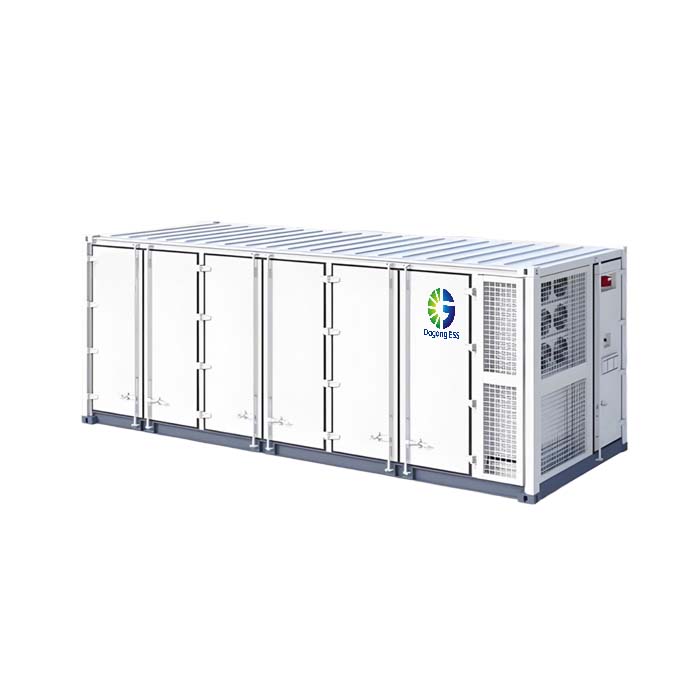
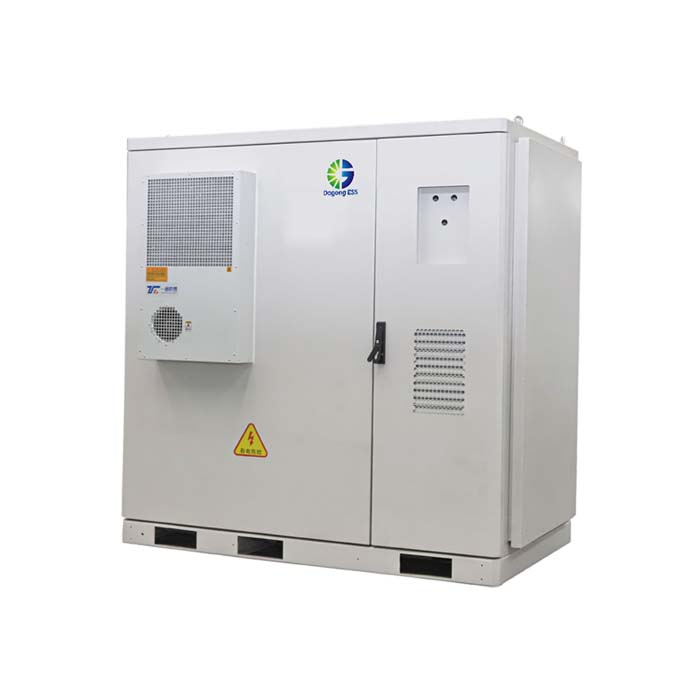
Container Energy Storage Systems (Container ESS) are now providing a compelling alternative.
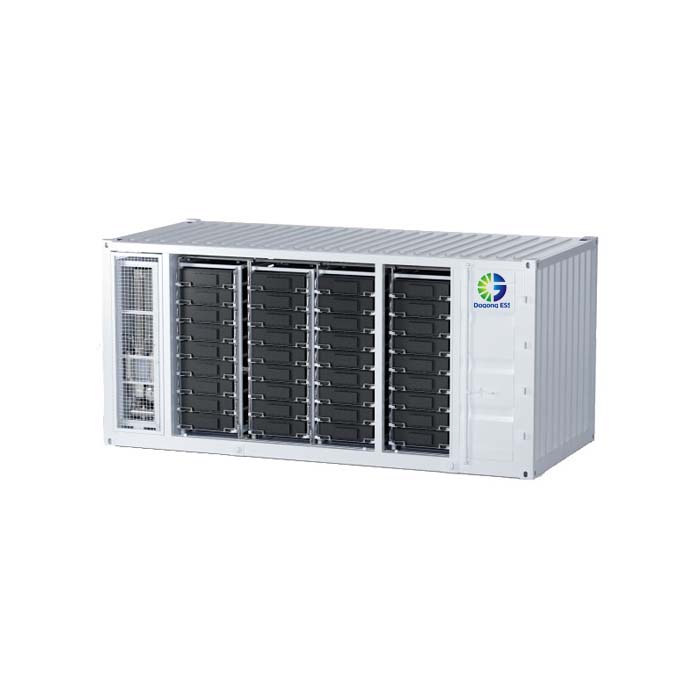
Unlike diesel generators, which rely on continuous fuel supply, battery storage systems store electricity and deliver it instantly when needed. When integrated with solar or grid charging, they create a stable and predictable power source without fuel dependency.
This shift is particularly significant for industries where energy costs and downtime directly affect profitability. Instead of reacting to outages, businesses can now proactively manage their energy supply.
Why Diesel Is Losing Its Advantage
For decades, diesel generators dominated Africa’s backup power market. But several factors are eroding their position.
Fuel costs have become increasingly volatile, making long-term operating expenses difficult to predict. Logistics also remain a challenge, especially in remote mining or rural areas where fuel transportation adds significant cost.
Maintenance is another concern. Diesl generators require regular servicing, spare parts, and skilled technicians, all of which increase operational complexity.
In contrast, battery storage systems eliminate fuel dependency, reduce maintenance requirements, and offer more stable long-term operating costs.
How Container ESS Solves Real-World Energy Problems
Containerized energy storage systems are designed for rapid deployment and scalability, making them highly suitable for Africa’s diverse energy landscape.
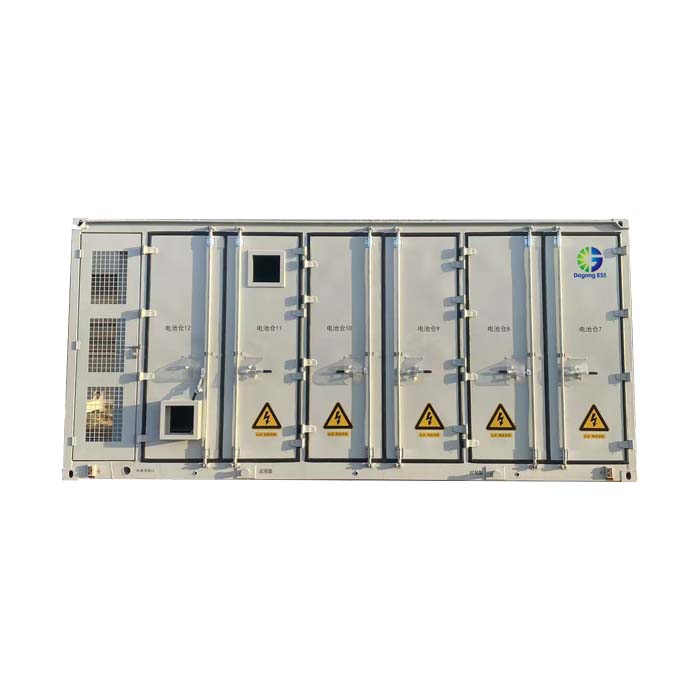
A single 5MWh Liquid-Cooled ESS Container can support industrial facilities, mining operations, or microgrid systems with reliable backup power for extended periods. Multiple containers can be combined to build large-scale energy storage plants, supporting utility-level applications.
The containerized design also simplifies transportation and installation, allowing systems to be deployed in remote or infrastructure-limited regions where traditional power solutions are difficult to implement.
Designed for Harsh and Remote Environments
Africa’s climate and geography present unique challenges, including high temperatures, dust, and limited infrastructure. Modern container ESS solutions are engineered to operate under these conditions.
Liquid-cooled systems provide stable thermal management even in extreme heat, while robust enclosures protect internal components from environmental exposure. Combined with lithium iron phosphate (LFP) battery technology, these systems deliver both safety and durability.
With over 8,000 charge cycles and a design life exceeding 15 years, LFP-based container systems offer long-term reliability that aligns with large-scale infrastructure investments.
Key Applications Driving Adoption
The transition to container energy storage is already visible across multiple sectors.
In South Africa, businesses are deploying battery systems to mitigate load shedding and maintain uninterrupted operations. In Nigeria, industrial users are reducing diesel consumption by integrating storage with hybrid power systems.
Kenya and other East African countries are using container ESS to support renewable energy integration, particularly in solar-powered microgrids serving rural communities.
In the mining sector, where energy demand is high and locations are remote, container storage systems are helping reduce fuel logistics while improving operational stability.
Economic Impact: From Fuel Cost to Energy Strategy
One of the most important advantages of container ESS is the shift from variable fuel costs to predictable energy economics.
While initial investment in battery systems may be higher than diesel generators, the total cost of ownership is often significantly lower. Savings come from reduced fuel consumption, lower maintenance requirements, and improved operational efficiency.
For many projects, especially those integrating solar energy, the return on investment becomes increasingly attractive over time as fuel savings accumulate.
How to Choose the Right Container ESS
Selecting the right system requires a clear understanding of energy demand, backup duration requirements, and site conditions.
Projects with high load demands or long outage durations typically require multi-megawatt-hour capacity systems. Modular design is essential, allowing future expansion without replacing the entire system.
Equally important is working with suppliers that provide reliable technical support, proven product quality, and internationally recognized certifications such as CE and UN38.3.
The Future of Energy in Africa
Africa’s energy landscape is undergoing a structural transformation. As renewable energy adoption increases and traditional grid infrastructure evolves, energy storage will play a central role in bridging supply gaps.
Container energy storage systems are no longer just backup solutions—they are becoming core infrastructure for modern energy systems across the continent.
The shift from diesel generators to container energy storage systems marks a turning point in Africa’s energy development. By delivering reliable power, reducing operational costs, and enabling renewable integration, these systems provide a practical path toward energy independence.
For businesses and communities facing ongoing power challenges, container ESS represents not just a technological upgrade, but a strategic investment in long-term stability.
If you are interested in Container Energy Storage System solutions, please contact Dagong ESS.
Email: sales@dagongess.com
Website: www.dagongess.com