
 WhatsApp
 sales@dagongess.com
 +86 18137952759
Why Commercial Energy Storage Is Becoming Essential for Businesses in Southeast Asia
Why Energy Is Becoming a Competitive Factor in Southeast Asia
Across Southeast Asia, energy is no longer just an operational expense—it is increasingly a strategic factor that directly affects business competitiveness. Rapid industrial growth in countries such as Indonesia, Malaysia, Thailand, and Singapore is driving electricity demand higher, while grid infrastructure struggles to keep pace.
For many companies, this results in rising electricity prices, peak demand penalties, and growing exposure to power instability. In this environment, businesses are beginning to rethink how energy is managed, moving from passive consumption toward active control.
Commercial energy storage systems (ESS) are emerging as a key solution in this transition.
From Cost Center to Cost Control: The Role of Energy Storage
Traditionally, businesses have had limited options when it comes to managing electricity costs. However, energy storage introduces a new level of flexibility.
By storing electricity during low-cost periods and using it during peak demand hours, companies can significantly reduce demand charges. In many Southeast Asian markets, these peak charges represent a substantial portion of monthly electricity bills.
This ability to reshape energy usage patterns effectively transforms electricity from a fixed cost into a controllable variable—creating immediate and measurable financial benefits.
Solving Reliability Challenges in High-Growth Markets
In fast-growing economies, power reliability can be as important as cost. Even short interruptions can disrupt production lines, damage sensitive equipment, or interrupt digital services.
Commercial ESS provides instant backup power, ensuring continuity for critical operations. Unlike traditional diesel generators, battery systems respond within milliseconds and operate without noise or emissions.
This makes them particularly valuable for industries where uptime is critical, such as manufacturing, data centers, and commercial real estate.
Enabling Renewable Energy Without Compromise
Solar energy adoption is accelerating across Southeast Asia, but its intermittent nature creates operational challenges. Without storage, excess energy generated during the day is often underutilized, while businesses still rely on grid power during evening hours.
Energy storage bridges this gap by capturing surplus solar energy and redistributing it when needed. This not only increases self-consumption rates but also improves the return on investment for solar installations.
As sustainability targets become more important for corporate strategy, this capability allows businesses to reduce emissions without sacrificing operational stability.
Technology Choices That Affect Long-Term Performance
While the business case for energy storage is clear, technology selection plays a critical role in long-term success.
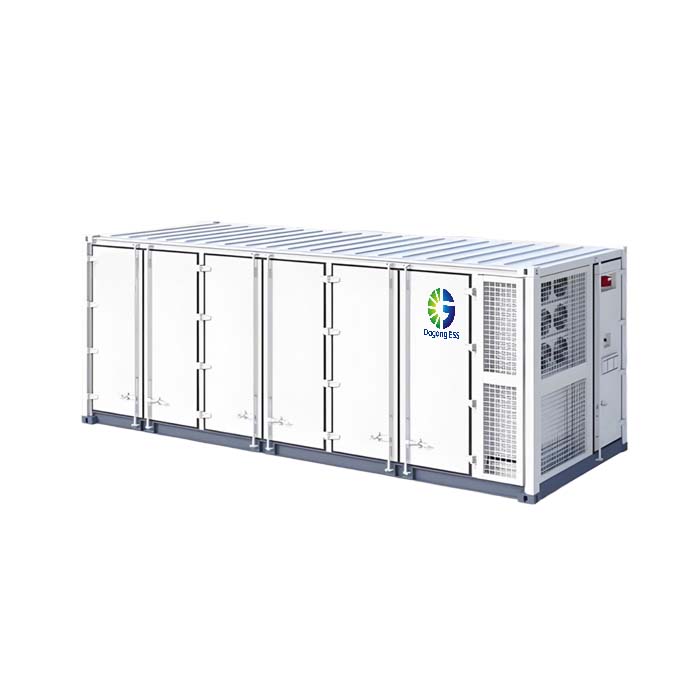
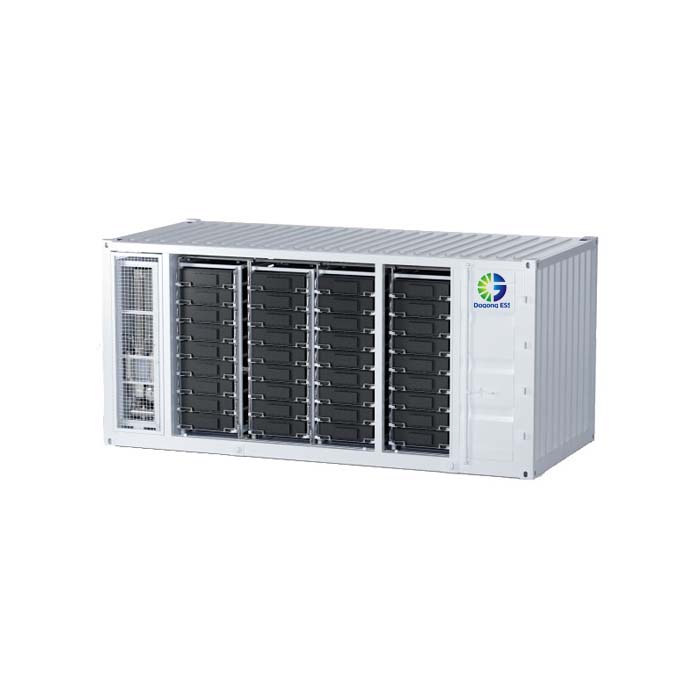
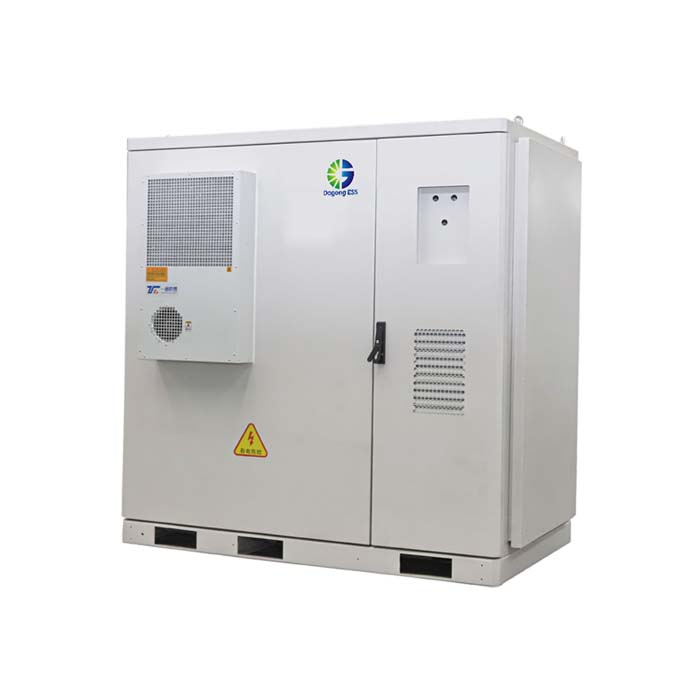
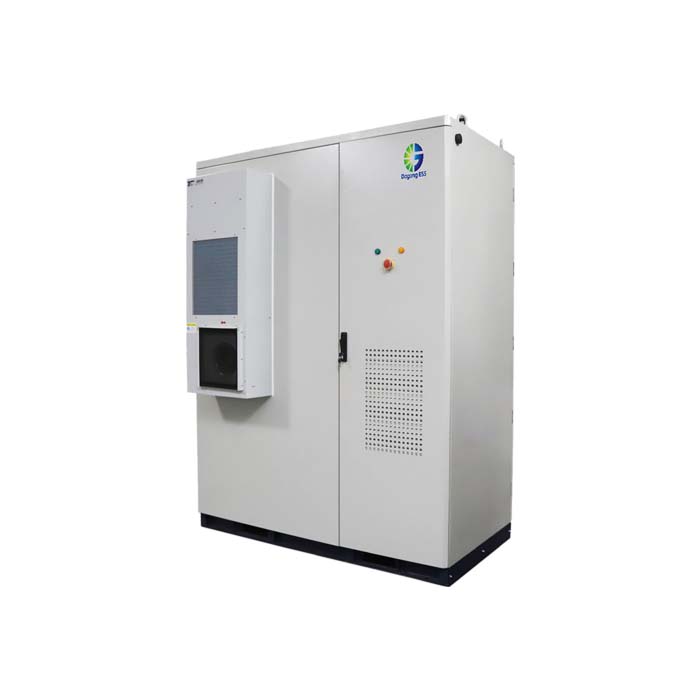
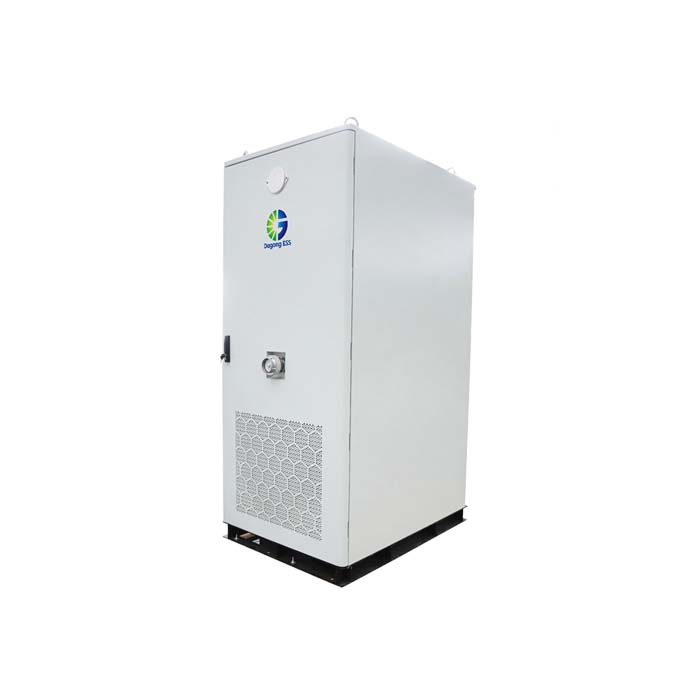
Air-cooled systems, such as 100kWh–144kWh air-cooled ESS and 215kWh–416kWh air-cooled ESS, are widely used in controlled environments where installation costs and simplicity are priorities. For more demanding conditions—particularly in high-temperature or outdoor environments—liquid-cooled systems like 215kWh liquid-cooled ESS and 372kWh liquid-cooled ESS provide superior thermal stability and longer system lifespan.
Battery chemistry is equally important. Lithium iron phosphate (LFP) technology has become the preferred choice due to its high safety, long cycle life, and strong performance in tropical climates. With more than 8,000 cycles and a design life exceeding 15 years, LFP systems offer reliable long-term value for commercial users.
Flexible System Design for Growing Businesses
One of the key advantages of modern commercial ESS is modularity. Businesses rarely have static energy needs, especially in rapidly developing markets.
Modular systems allow capacity to be expanded as operations grow, avoiding the need for complete system replacement. This approach reduces upfront investment while preserving flexibility for future expansion.
Interestingly, this scalable design principle is also reflected in smaller solutions such as 5kWh to 80kWh Stackable Household Energy Storage Systems, highlighting a broader industry trend toward flexible, user-driven capacity planning.
Understanding Total Cost of Ownership (TCO)
For businesses evaluating energy storage, focusing solely on initial cost can lead to misleading conclusions. A more accurate approach is to consider total cost of ownership.
This includes installation, maintenance, system efficiency, and expected lifespan. In many cases, systems with higher upfront costs—such as liquid-cooled solutions—deliver better long-term value through improved performance and reduced degradation.
When combined with energy cost savings and operational benefits, the overall return on investment becomes increasingly attractive over time.
How to Choose the Right System for Your Business
Selecting the right commercial ESS requires a clear understanding of operational needs. Key factors include peak load requirements, desired backup duration, installation environment, and future expansion plans.
Equally important is ensuring compliance with local regulations and selecting systems with proven reliability and international certifications such as CE and UN38.3.
Working with experienced suppliers who understand regional conditions can also make a significant difference in system performance and long-term success.
Storage as Standard Infrastructure
As Southeast Asia continues to industrialize, energy storage is shifting from an optional upgrade to a standard component of modern infrastructure.
Businesses that adopt storage early gain a competitive advantage through lower energy costs, improved resilience, and greater flexibility in managing power consumption.
With continued advancements in technology and increasing market adoption, commercial ESS is set to play a central role in the region’s energy future.
Commercial energy storage systems are redefining how businesses in Southeast Asia approach energy management. By reducing costs, improving reliability, and enabling renewable integration, these systems deliver both immediate and long-term value.
For companies operating in competitive and fast-growing markets, energy storage is no longer just a technical solution—it is a strategic investment.
If you are interested in commercial energy storage solutions, please contact Dagong ESS.
Email: sales@dagongess.com
Website: www.dagongess.com