
 WhatsApp
 sales@dagongess.com
 +86 18137952759
What Will the Energy Storage Market Look Like in the Next Decade?
The energy storage market is experiencing unprecedented growth due to:
Rapid adoption of solar and wind energy
Electrification of industries and transportation
Grid stability and demand response needs
Government incentives and regulatory support
Reports indicate that by 2035, the global stationary battery market will exceed $111.1 billion, reflecting strong investment and deployment trends worldwide.
Types of ESS Leading Market Growth
The market is dominated by modular lithium-ion solutions, ranging from small-scale residential units to utility-scale containerized systems.
Key types include:
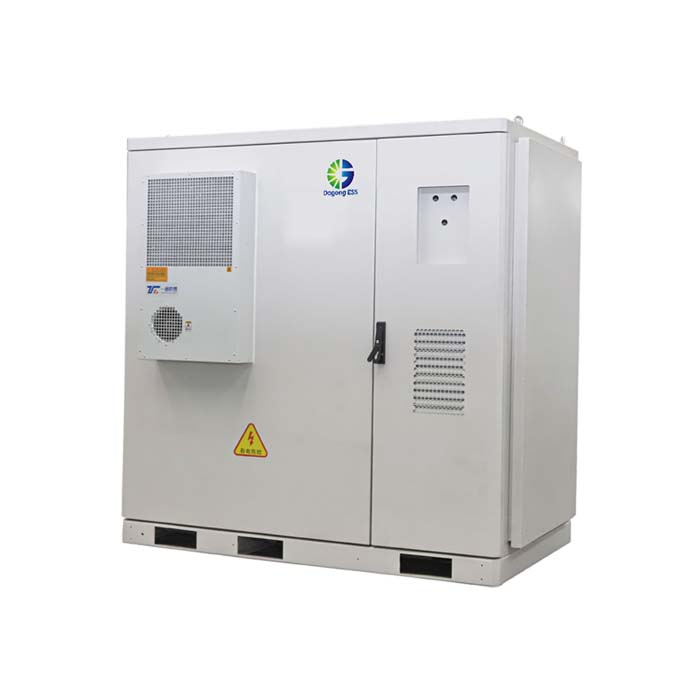
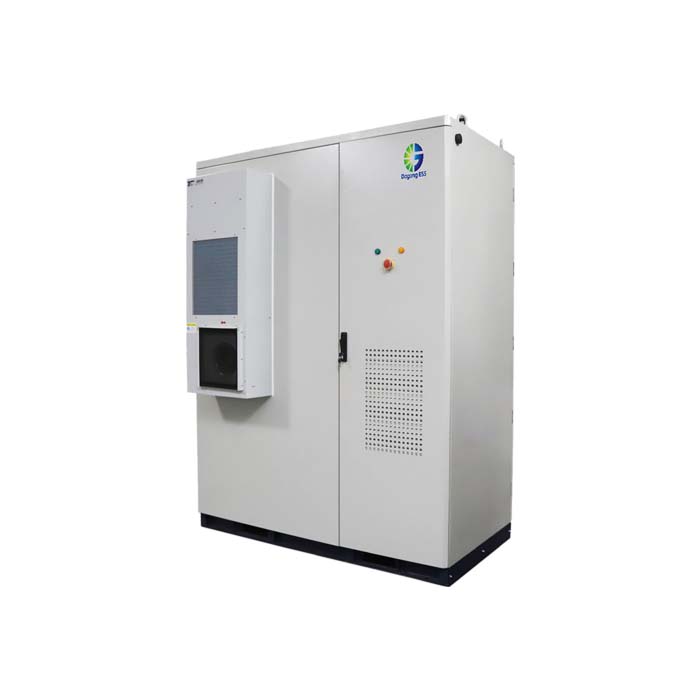
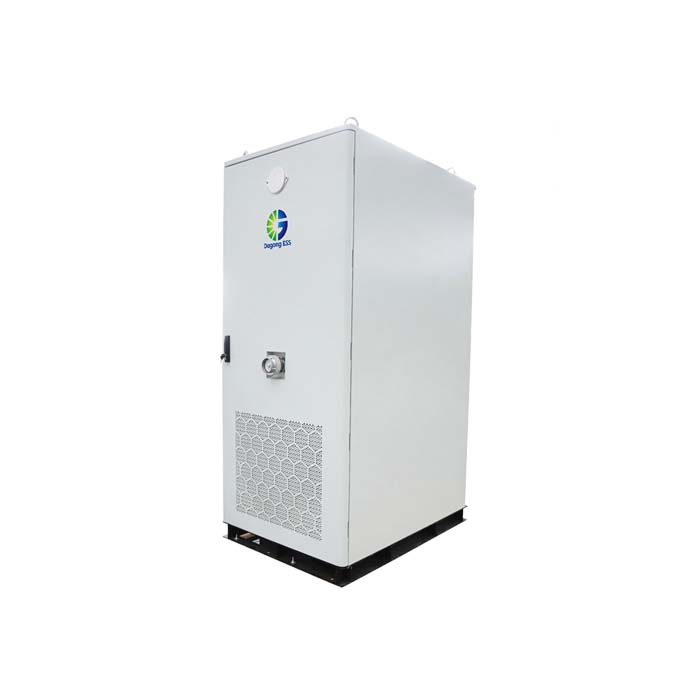
100–144 kWh air-cooled commercial ESS
215–372 kWh liquid-cooled industrial ESS
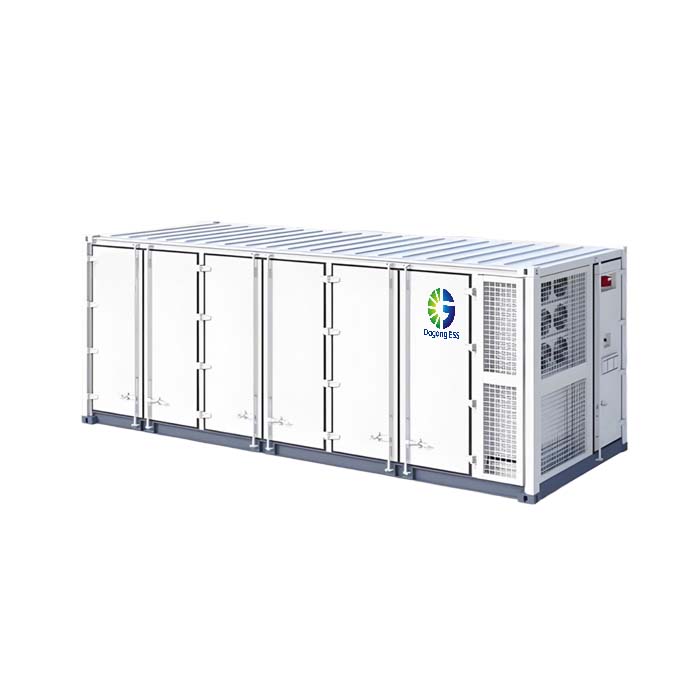
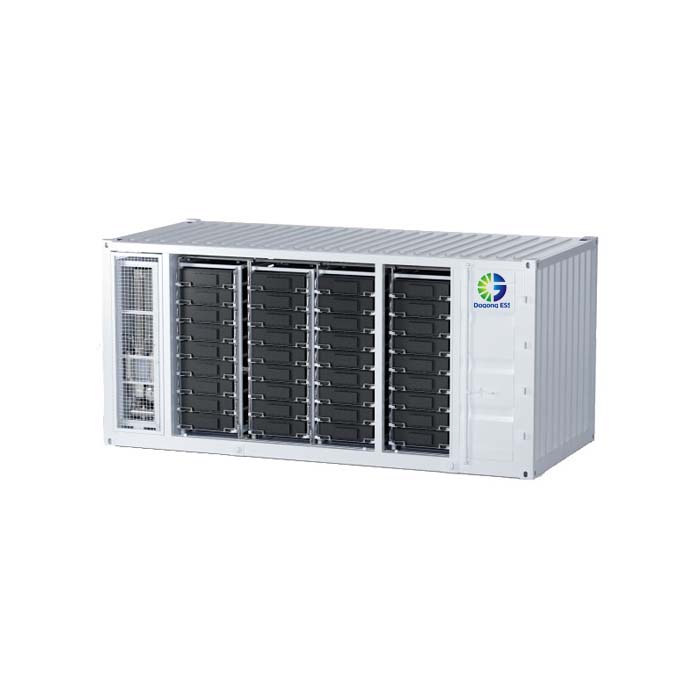
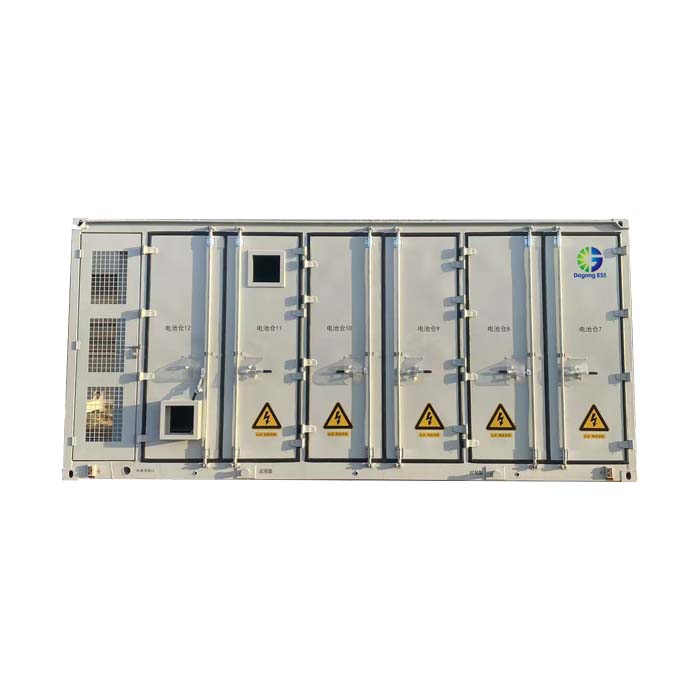
3.35–5 MWh containerized ESS for large-scale renewable projects
These configurations enable flexible deployment and incremental expansion, which is crucial for growing markets in Europe, North America, and Asia-Pacific.
Features Driving ESS Adoption
Major factors include:
High cycle life (8000+ cycles)
Flexible cooling options (air-cooled and liquid-cooled)
Modular and scalable architecture
Advanced monitoring and BMS
Compatibility with second-life or repurposed batteries
These characteristics are increasingly demanded by industrial, commercial, and utility-scale projects seeking long-term reliability and cost-efficiency.
Applications Highlighted in Market Reports
Applications driving market expansion include:
Grid-scale renewable integration
Commercial & Industrial peak shaving
Residential backup and off-grid solutions
Microgrids and community energy storage
Electric vehicle charging infrastructure support
Large-scale modules like 372kWh liquid-cooled ESS and containerized units (3.35–5 MWh) are ideal for projects requiring high capacity and reliable performance.
Price of ESS
Prices depend on:
Capacity and system scale
Cooling method and modularity
Integration complexity
Safety and certification requirements
Project-specific quotations are usually provided after evaluating deployment scenarios, energy throughput, and operational requirements.
How to Select ESS for Future Market Trends?
Consider:
Expected energy demand growth
Project scale (kWh → MWh → GWh)
Local climate and cooling requirements
Modularity for future expansion
Sustainability and second-life battery integration
Dagong ESS provides flexible solutions from 100kWh modules to 5MWh containerized systems, supporting scalable deployment in line with market forecasts.
How Long Will ESS Last?
Modern LFP ESS solutions offer:
8000+ cycles
15–20 years operational life
Stable performance in stationary applications
This durability ensures a positive ROI for residential, commercial, and utility projects over the next decade.
The Supplier of ESS
Key supplier capabilities:
Modular MW-to-MWh solutions
Air-cooled and liquid-cooled systems
Reliable LFP battery design with long life
Engineering support and global project experience
Dagong ESS provides a full range from 100–372kWh modules to 3.35–5 MWh containerized systems, supporting global deployment trends and market growth projections.
If you are interested in energy storage system products, please contact Dagong ESS,
Email: sales@dagongess.com