
 WhatsApp
 sales@dagongess.com
 +86 18137952759
What Is Medium Voltage Energy Storage System? Understanding the Core Architecture of Grid-Scale ESS
What Is a Medium Voltage Energy Storage System?
A Medium Voltage Energy Storage System (MV ESS) is a large-scale battery storage solution designed to connect directly to medium-voltage power grids, typically ranging from 6kV to 35kV depending on regional grid standards.
Unlike traditional low-voltage energy storage systems that require multiple conversion stages and step-up transformers, MV ESS integrates power conversion and grid interface functions into a more streamlined architecture. This allows the system to deliver energy directly to the grid with fewer electrical transformation layers.
In modern power systems, this architecture is becoming increasingly important as renewable energy penetration continues to grow and grid stability requirements become more stringent.
Why Medium Voltage Architecture Is Becoming the New Standard
Traditional energy storage systems are typically built on low-voltage battery clusters connected in parallel. While this design is mature and widely used, it introduces several limitations:
Multiple energy conversion stages increase losses
Large transformer infrastructure is required
System response is less coordinated at scale
Expansion becomes increasingly complex
Medium voltage architecture addresses these challenges by enabling a more direct electrical pathway between energy storage and the grid.
This structural shift improves not only efficiency but also system-level controllability, which is critical for modern grid operations.
Core Design Principle of MV ESS Systems
At the heart of a medium voltage energy storage system is a distributed power conversion concept.
Instead of relying on a single centralized inverter and transformer, the system divides power conversion across multiple modular units. Each battery cluster is paired with a dedicated power conversion module, and their outputs are synchronized to form a unified medium-voltage output.
This modular approach allows:
Scalable system expansion
Higher redundancy and reliability
Faster response to grid signals
Better fault isolation capability
As a result, MV ESS systems behave more like coordinated energy networks rather than single-point storage devices.
Key Advantages of Medium Voltage Energy Storage Systems
1. Higher Energy Efficiency
By reducing the number of electrical conversion stages, medium voltage systems significantly decrease energy losses during charge and discharge cycles.
This improvement becomes especially important in applications such as frequency regulation and renewable energy smoothing, where systems operate continuously and cycle frequently.
2. Simplified Electrical Infrastructure
MV ESS systems eliminate the need for large step-up transformers and associated high-voltage substations. This reduces:
Construction complexity
Installation footprint
Electrical cabling requirements
Long-term maintenance costs
The result is a more compact and efficient deployment model for utility-scale projects.
3. Improved Grid Responsiveness
Because power conversion is distributed across multiple modules, MV ESS systems can respond more quickly and consistently to grid commands.
This is particularly valuable for:
Frequency regulation
Voltage stabilization
Renewable energy integration
Grid balancing services
4. Enhanced System Reliability
Modular architecture allows individual components to operate independently. If one module experiences a fault, the rest of the system can continue operating without complete shutdown.
This significantly improves overall system availability, which is critical for grid infrastructure applications.
Technical Challenges in Medium Voltage ESS Design
Despite its advantages, MV ESS technology introduces several engineering challenges that require advanced system design:
Insulation and Electrical Safety
Operating at medium voltage levels requires strict insulation design, spacing optimization, and advanced protection strategies to ensure long-term safety.
Energy Balancing Across Modules
Multiple battery clusters must maintain consistent state-of-charge (SOC) levels to prevent performance imbalance and extend system lifespan.
High-Speed Control Coordination
Precise synchronization between power conversion units is required to ensure stable grid output under dynamic load conditions.
Thermal Management Complexity
Higher power density increases thermal stress, requiring efficient cooling strategies to maintain system stability.
Medium Voltage ESS and the Evolution of Utility-Scale Storage
The transition to medium voltage architecture represents a broader shift in energy storage system design philosophy—from centralized power blocks to distributed intelligent energy networks.
This evolution supports the growing need for:
Large-scale renewable energy integration
Flexible grid operation
Real-time power balancing
Reduced infrastructure dependency
In utility-scale deployments, this architecture enables energy storage systems to function not only as energy buffers but also as active grid assets.
How Dagong ESS Fits Into Modern Grid-Scale Architecture
While medium voltage systems are primarily used in utility-scale environments, their design principles are influencing energy storage systems across all capacity levels.
Dagong ESS integrates similar modular and high-efficiency design concepts into its product portfolio, ensuring scalability and performance consistency across applications:
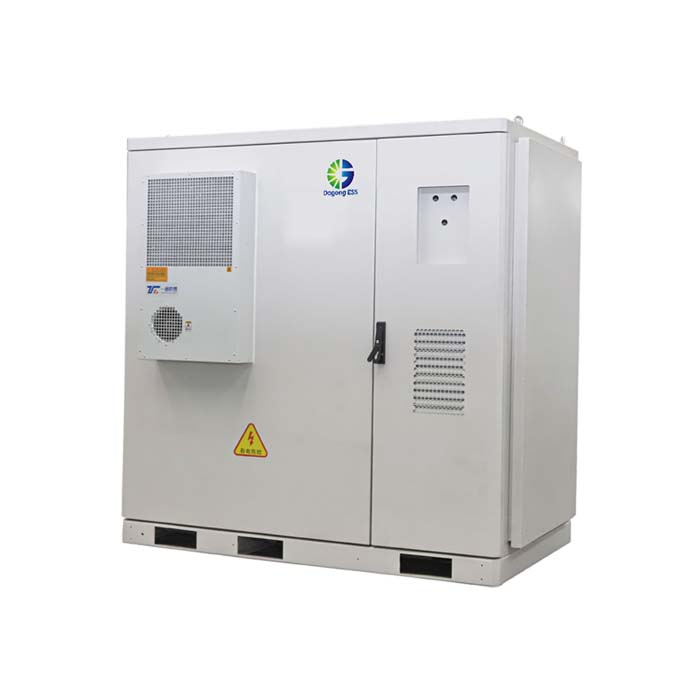
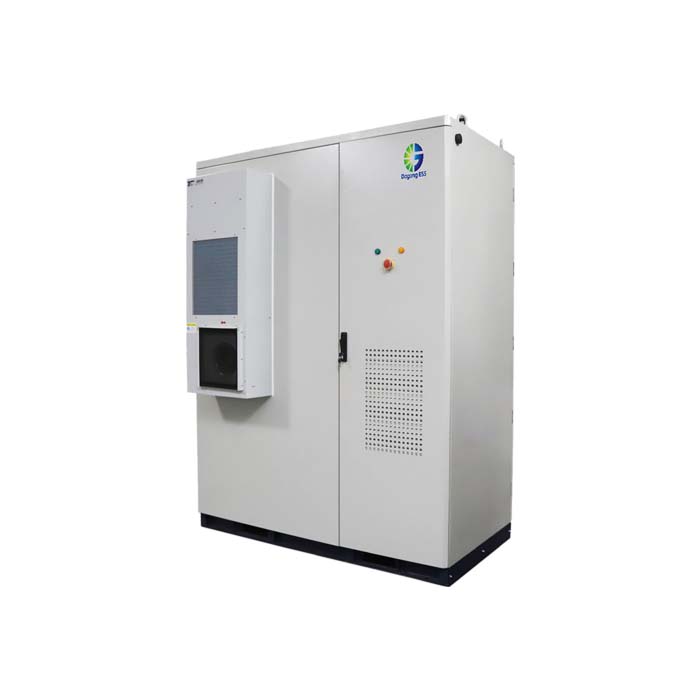
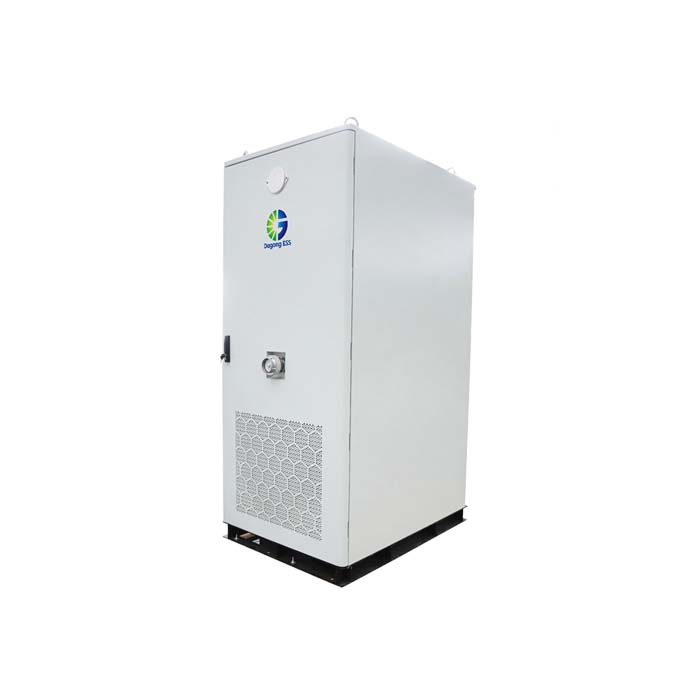
100kWh–144kWh Air-Cooled ESS for commercial and distributed energy applications
215kWh–416kWh Air-Cooled ESS for industrial load management and renewable integration
241kWh Liquid-Cooled ESS for high-efficiency and high-reliability operation
372kWh Liquid-Cooled ESS for large industrial and energy balancing projects
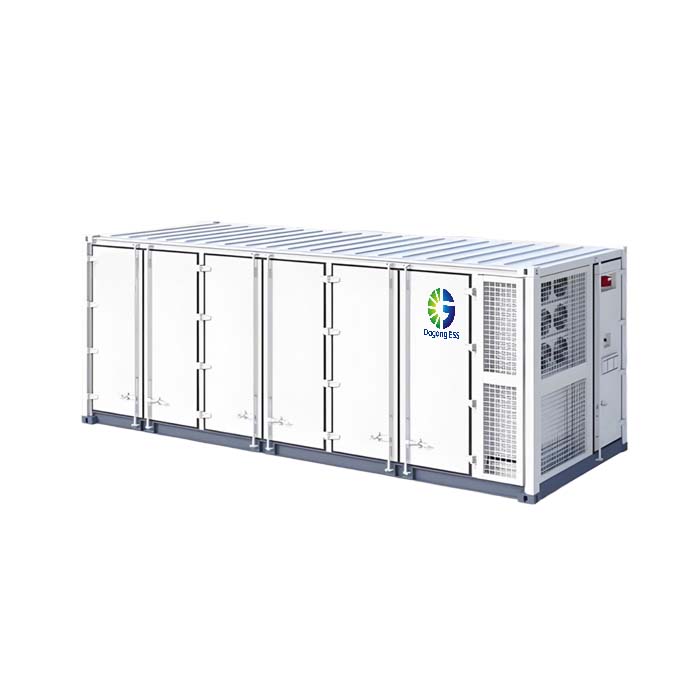
5MWh Liquid-Cooled ESS Container for utility-scale grid infrastructure and microgrid systems
These systems reflect the same core philosophy seen in medium voltage architectures: modularity, efficiency, and intelligent control.
Application Scenarios of Medium Voltage Energy Storage Systems
Renewable Energy Power Plants
MV ESS systems help stabilize fluctuating solar and wind output, ensuring smoother grid integration.
Utility Grid Support
They provide essential services such as frequency regulation, spinning reserve, and peak load management.
Industrial Energy Systems
Factories and industrial parks use large-scale storage to optimize energy consumption and improve power quality.
Microgrid and Islanded Networks
MV ESS enables independent grid operation in remote or isolated environments.
Future Outlook: From Hardware Systems to Intelligent Energy Networks
The future of energy storage is moving beyond hardware capacity expansion toward intelligent grid interaction.
Medium voltage energy storage systems are expected to play a central role in this transition by enabling:
Higher grid controllability
Faster system response
Greater renewable penetration
Reduced infrastructure dependency
As digital control technologies and power electronics continue to evolve, MV ESS will increasingly function as active participants in grid decision-making rather than passive energy storage units.
Medium voltage energy storage systems represent a major step forward in the evolution of grid-scale energy infrastructure. By simplifying electrical architecture, improving efficiency, and enhancing system responsiveness, they provide a strong foundation for future power systems.
At the same time, their design principles are already shaping next-generation commercial and industrial storage solutions, bridging the gap between utility-scale infrastructure and distributed energy systems.
If you are interested in advanced energy storage system solutions, please contact Dagong ESS,
Email: sales@dagongess.com
Website: www.dagongess.com