
 WhatsApp
 sales@dagongess.com
 +86 18137952759
What Is Active vs Reactive Power in Energy Storage and How Do They Impact Grid Stability?
What is Active Power?
Active power, often referred to as real power, is the portion of electrical energy that is actually consumed to perform useful work. It is converted into mechanical motion, heat, or light, making it the most intuitive form of electricity in daily applications. When industrial motors operate, production lines run, or lighting systems function, they rely on active power.
In power systems, active power is directly linked to frequency stability. The balance between generation and consumption determines whether the system frequency remains stable. If supply exceeds demand, frequency rises; if demand exceeds supply, frequency drops. This dynamic makes active power the core indicator of energy balance within the grid.
What is Reactive Power?
Reactive power plays a supporting but equally critical role. It does not directly perform useful work, yet it is essential for maintaining the electromagnetic fields required by electrical equipment such as transformers and motors. Without reactive power, these devices cannot operate properly.
Unlike active power, reactive power is not consumed. Instead, it continuously oscillates between the power source and the load, forming a cyclical exchange of energy. Its primary function is to maintain voltage stability across the system. When reactive power is insufficient, voltage levels drop; when excessive, voltage rises, both of which can negatively impact system performance and equipment reliability.
What Is the Difference Between Active and Reactive Power?
The distinction between active and reactive power lies in how energy is utilized within the system. Active power represents a one-way flow of energy that is eventually consumed by loads, while reactive power represents a bidirectional exchange that sustains system operation without being depleted.
From a system perspective, active power determines whether the grid can meet energy demand, while reactive power determines whether the system can maintain stable operating conditions. These two forms of power are interdependent, and stable grid operation depends on their precise coordination.
How Do Active and Reactive Power Work in Energy Storage Systems?
With the increasing integration of renewable energy, energy storage systems have evolved beyond simple energy reservoirs. Modern systems are designed to manage both active and reactive power simultaneously through advanced power electronics, particularly bidirectional inverters.
Active power in energy storage systems is used to balance supply and demand. During peak load periods, stored energy is discharged to support the grid, while during low demand periods, excess energy is stored. This capability enables applications such as peak shaving, load shifting, and frequency regulation.
Reactive power, on the other hand, is controlled through inverter-based regulation. By adjusting the phase relationship between voltage and current, energy storage systems can inject or absorb reactive power in real time. This allows them to stabilize voltage levels, improve power factor, and enhance overall grid reliability.
Technical Features of Active and Reactive Power Control in ESS
The ability of energy storage systems to manage both active and reactive power depends on several key technologies. At the core is the power conversion system (PCS), which enables bidirectional energy flow and precise control over output characteristics. Through intelligent control algorithms, the PCS can independently regulate active and reactive power, ensuring that energy delivery and voltage support are optimized simultaneously.
Another important aspect is power factor control. By dynamically adjusting the ratio between active and reactive power, energy storage systems can improve energy efficiency and reduce transmission losses. This is particularly valuable in industrial environments where inductive loads are common.
Thermal management and system architecture also play a role. Air-cooled and liquid-cooled designs ensure stable operation under varying load conditions, allowing the system to respond quickly to grid demands without compromising performance or lifespan.
Applications of Active and Reactive Power in Energy Storage
The combined management of active and reactive power enables energy storage systems to serve a wide range of applications. In renewable energy systems, such as solar and wind, storage helps smooth fluctuations in generation while providing voltage support to maintain grid stability.
In commercial and industrial settings, energy storage is used for peak shaving and load management. By reducing peak demand and stabilizing voltage, businesses can lower energy costs and improve operational efficiency. In microgrids, storage systems act as both energy providers and stabilizers, ensuring reliable power supply even in isolated environments.
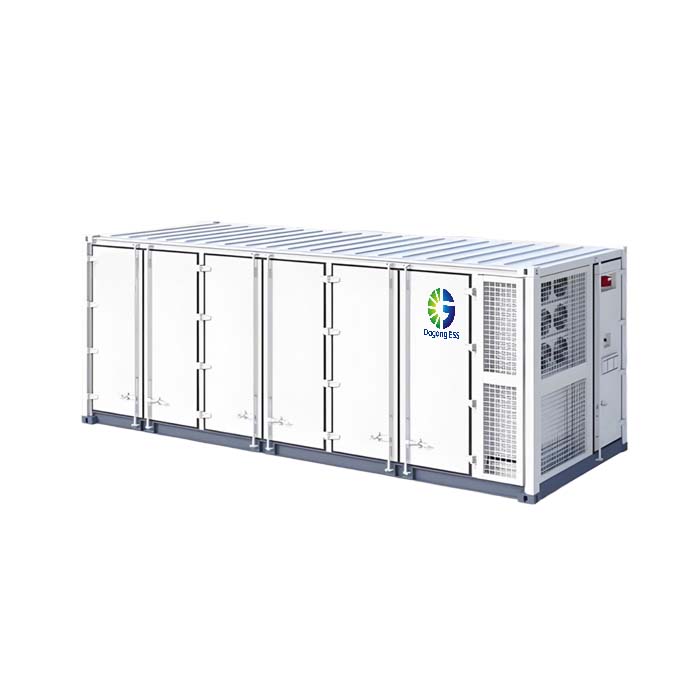
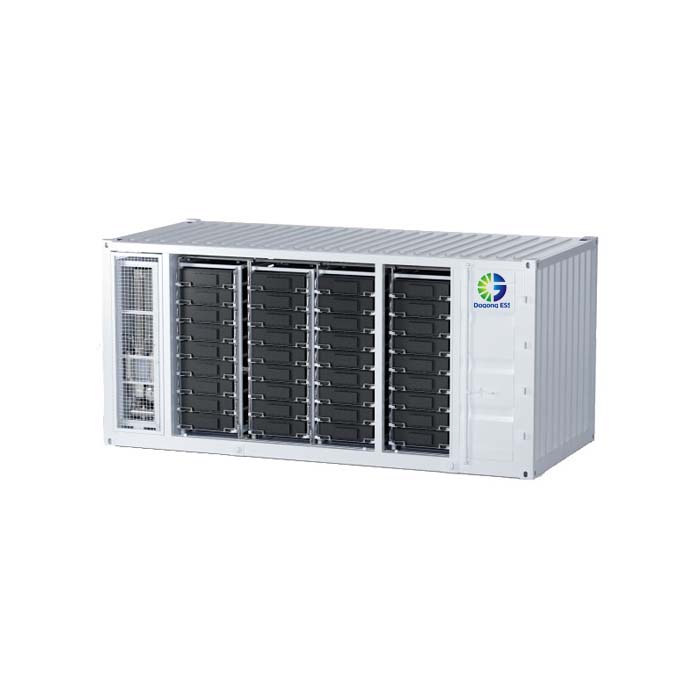
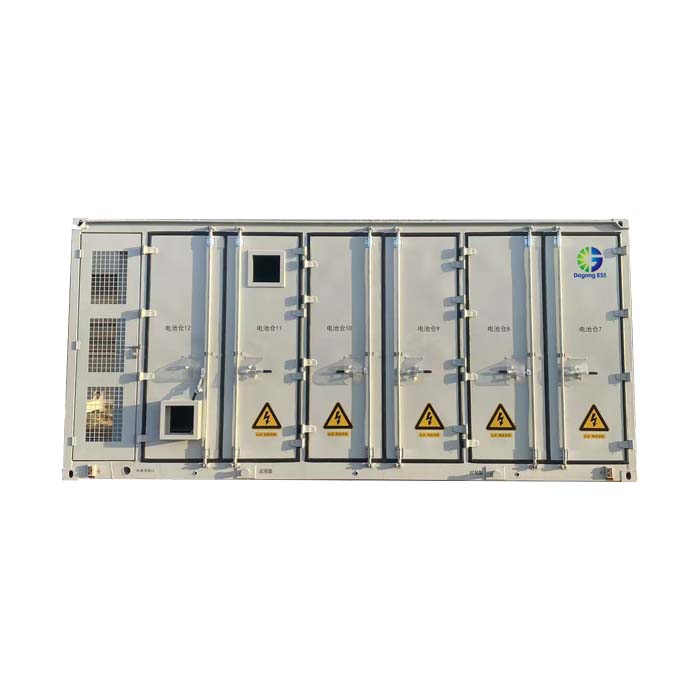
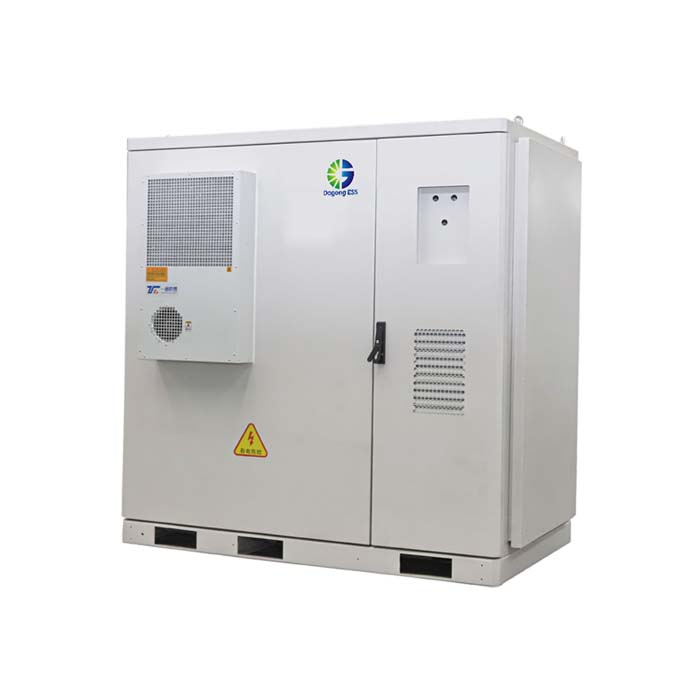
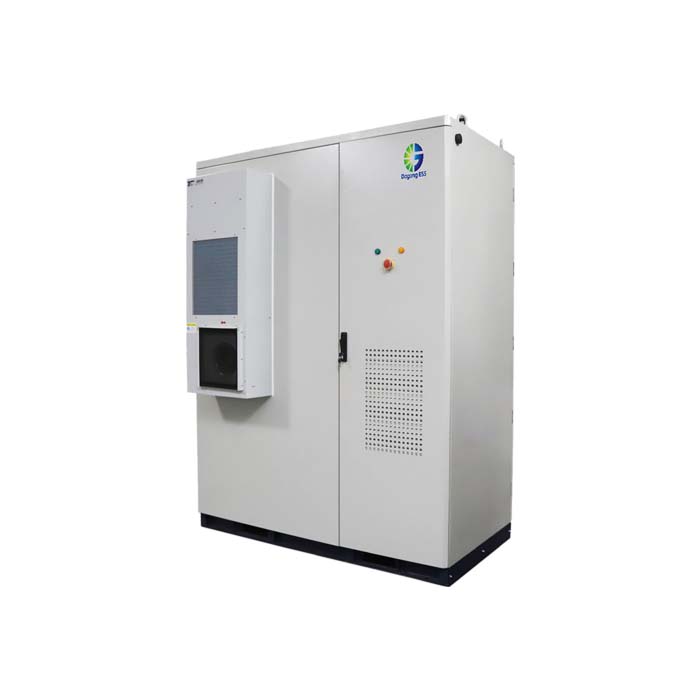
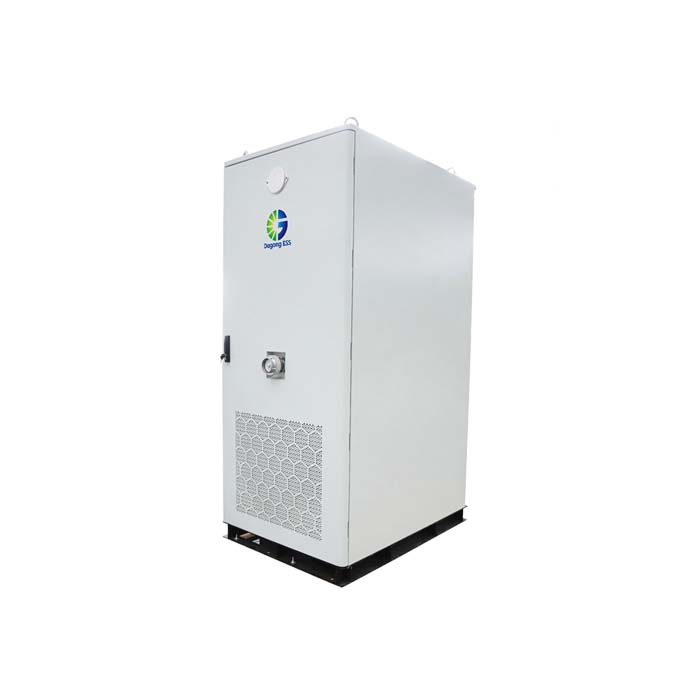
These applications are supported by scalable system designs. Solutions such as 100kWh–144kWh Air-Cooled ESS and 241kWh–416kWh Air-Cooled ESS are commonly used in commercial projects, while larger systems like 372kWh Liquid-Cooled ESS and 5MWh Liquid-Cooled ESS Container are deployed in utility-scale and industrial scenarios where both energy capacity and grid support capabilities are critical.
Price of Energy Storage Systems with Power Regulation Capabilities
The price of energy storage systems that support active and reactive power control depends on multiple factors, including system capacity, inverter configuration, cooling method, and project-specific requirements. Additional considerations such as integration complexity, control systems, and certification standards also influence overall cost.
Because each project has unique technical and operational needs, pricing is typically customized rather than standardized. Evaluating total lifecycle cost, including efficiency, maintenance, and system lifespan, is essential for making informed investment decisions.
How to Choose an Energy Storage System for Power Control?
Selecting the right energy storage system requires a clear understanding of project requirements. In applications where voltage instability is a concern, systems with strong reactive power support capabilities are essential. For projects focused on energy optimization, such as peak shaving or renewable integration, active power performance becomes the priority.
It is also important to consider grid conditions, whether the system will operate in grid-connected or off-grid mode, and how power capacity aligns with energy storage capacity. Modular and scalable designs provide flexibility, allowing systems to be expanded as demand grows.
How Long Do Energy Storage Systems Last?
The lifespan of an energy storage system is a key factor in its economic viability. Modern systems, particularly those based on lithium iron phosphate (LFP) technology, are designed for long-term operation. Many systems offer more than 8000 charge-discharge cycles and are capable of operating for over 15 years under proper conditions.
This long lifecycle makes energy storage a reliable infrastructure investment, especially in applications tied to renewable energy, where long-term performance is critical for achieving expected returns.
The Supplier of Advanced Energy Storage Solutions
A reliable supplier should offer not only high-quality battery systems but also advanced power control capabilities. This includes proven inverter technology, robust thermal management, and flexible system integration.
Dagong ESS provides a comprehensive range of solutions covering residential, commercial, and utility-scale applications. With modular designs, long lifecycle performance, and integrated active and reactive power control, these systems are engineered to meet the evolving demands of modern energy infrastructure.
If you are interested in energy storage system solutions, please contact Dagong ESS
Email: sales@dagongess.com
Website: www.dagongess.com