
 WhatsApp
 sales@dagongess.com
 +86 18137952759
Thermal Management in Utility-Scale Energy Storage: Precision Cooling for High-Density Systems
What is Thermal Management in Utility-Scale ESS?
Utility-scale energy storage systems operate at a completely different level compared to residential or commercial installations. With capacities measured in megawatt-hours (MWh), these systems are designed to support grid stability, renewable energy integration, and large-scale energy management.
At this scale, thermal management becomes one of the most critical engineering challenges. The sheer number of battery cells, combined with high energy density and continuous operation, creates significant heat generation that must be precisely controlled.
Unlike smaller systems, where minor temperature variations may be manageable, utility-scale ESS requires highly uniform temperature distribution across the entire system. Even small inconsistencies can lead to performance imbalance and accelerated degradation over time.
Why Liquid Cooling is the Standard
In utility-scale applications, liquid cooling has become the dominant thermal management approach. Air cooling, while effective in smaller systems, is generally insufficient for handling the thermal demands of high-density, large-capacity installations.
Liquid cooling systems use coolant to absorb heat directly from battery modules and transport it away through a closed-loop circulation system. This method offers significantly higher heat transfer efficiency compared to air.
System-Level Thermal Architecture
Thermal management in utility-scale ESS is not limited to individual battery packs. It extends to the entire system, including the container environment.
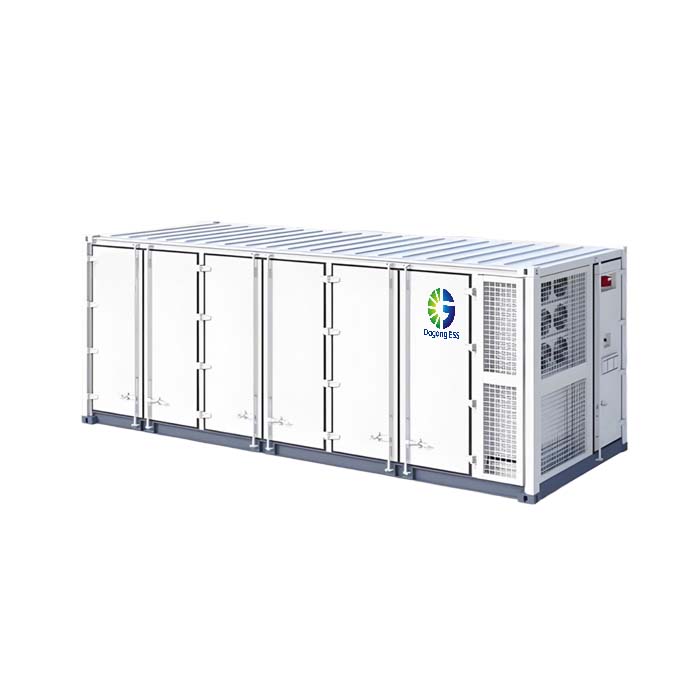
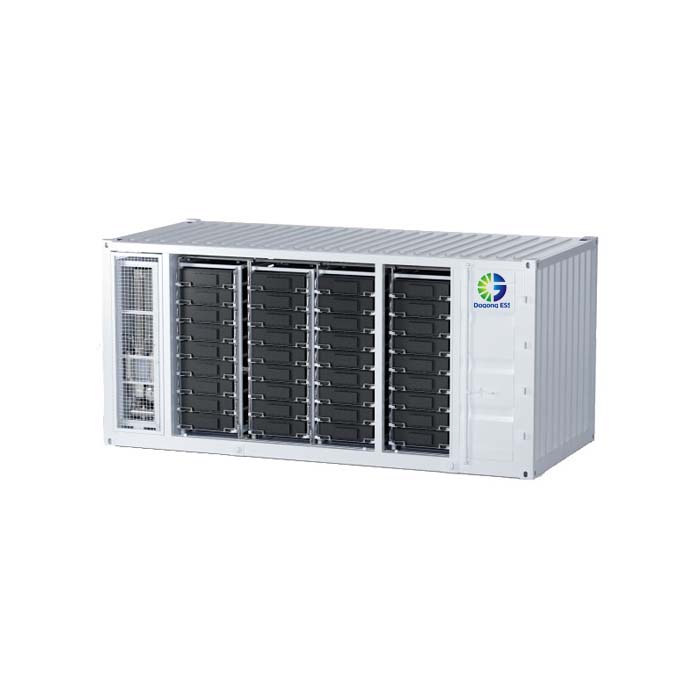
Inside a typical liquid-cooled container system, cooling plates are integrated into battery modules, creating direct thermal pathways. Coolant circulates through these plates, absorbing heat and transferring it to external heat exchangers.
At the same time, HVAC systems regulate the internal air environment of the container, controlling ambient temperature and humidity. This dual-layer approach—combining internal liquid cooling with external environmental control—ensures comprehensive thermal management.
Real-time monitoring systems continuously track temperature data across the system. If any abnormal condition is detected, control mechanisms can adjust cooling parameters or initiate protective measures.
Operating in Harsh Environments
Utility-scale ESS is often deployed in outdoor environments where conditions can be challenging. High temperatures, strong sunlight, dust, and humidity all affect system performance.
Thermal management systems must be designed to operate reliably under these conditions. This includes selecting appropriate materials, ensuring proper insulation, and designing cooling systems that can handle extreme temperature variations.
In regions with consistently high ambient temperatures, the efficiency of the cooling system becomes even more critical. Liquid cooling systems are particularly well-suited for such environments, as they maintain stable performance regardless of external conditions.
Applications and Grid Impact
Large-scale energy storage systems play a key role in modern power systems. They are used to smooth fluctuations in renewable energy generation, provide frequency regulation, and support peak load management.
In solar and wind farms, energy storage systems must handle variable input while maintaining stable output. This creates dynamic thermal conditions that require responsive cooling systems.
In grid applications, reliability is paramount. Any thermal-related failure can affect not just the storage system, but also the stability of the power network. Effective thermal management ensures that systems can operate continuously and respond quickly to grid demands.
Safety and Long-Term Performance
At utility scale, safety considerations are amplified. Thermal runaway in a large system can have serious consequences, making temperature control a critical aspect of risk management.
Advanced liquid cooling systems help mitigate these risks by maintaining uniform temperatures and preventing hotspots. Combined with monitoring and control systems, they provide multiple layers of protection.
In terms of performance, utility-scale ESS with effective thermal management can achieve over 8000 cycles and maintain operation for more than 15 years. Consistent temperature control is one of the key factors that enables this level of durability.
Thermal management in utility-scale energy storage is about precision, reliability, and system-wide coordination. It ensures that high-density energy storage systems can operate safely and efficiently over long periods.
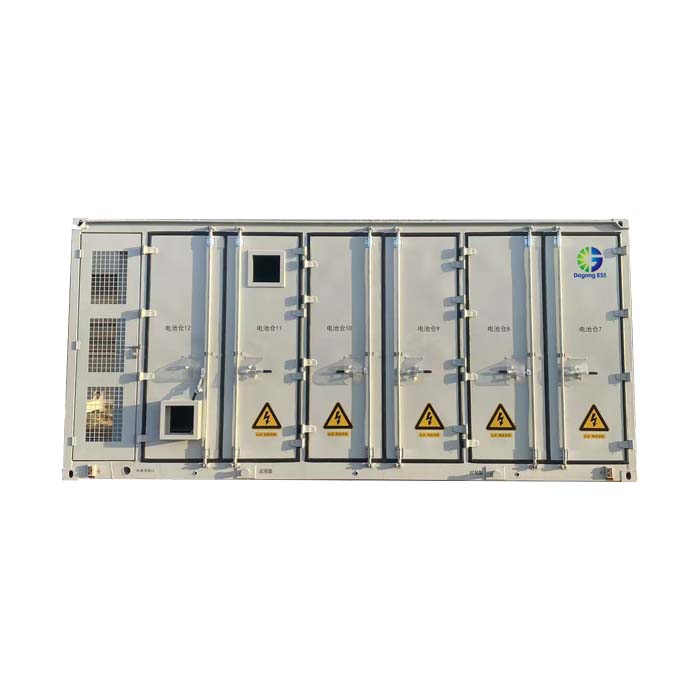
Dagong ESS 5MWh liquid-cooled container systems are designed with advanced thermal architectures, supporting large-scale applications with stable performance and long service life.
If you are interested in Thermal Management Capability solutions, please contact Dagong ESS,
Email: sales@dagongess.com
Website: www.dagongess.com