
 WhatsApp
 sales@dagongess.com
 +86 18137952759
Thermal Management in Commercial and Industrial Energy Storage: Ensuring Stability Under High Load
What is Thermal Management in C&I ESS?
Thermal management in commercial and industrial (C&I) energy storage systems is fundamentally about maintaining stability under continuous and often demanding operating conditions. Unlike residential systems, which follow relatively predictable daily cycles, C&I installations must respond to fluctuating loads, extended operating hours, and in many cases, harsh environmental conditions.
These systems are typically deployed in factories, commercial buildings, logistics parks, and data centers, where energy storage plays a role in peak shaving, load shifting, or backup power. In such scenarios, batteries are frequently subjected to sustained charge and discharge cycles at relatively high power levels. This generates a significant amount of heat that must be managed effectively to prevent performance degradation.
Thermal management, therefore, becomes a core part of system design rather than a supporting function. It ensures that battery modules operate within a controlled temperature range, allowing the system to deliver consistent output without interruptions.
Thermal Challenges in Real-World C&I Projects
One of the defining characteristics of C&I ESS is the variability of operating conditions. A system installed in a manufacturing facility may run continuously during production hours, while one in a commercial building may experience sharp load changes depending on occupancy and energy pricing.
This variability creates complex thermal profiles. During high-load periods, heat generation increases rapidly, requiring the cooling system to respond in real time. In outdoor installations, ambient temperatures further influence system performance, especially in regions where summer temperatures remain high for extended periods.
Another challenge lies in system density. As energy storage systems become more compact, more energy is packed into smaller volumes. This increases thermal concentration, making it more difficult to maintain uniform temperature distribution across all battery cells.
Air Cooling vs Liquid Cooling in C&I Applications
Both air cooling and liquid cooling are widely used in commercial and industrial ESS, and the choice between them often depends on project requirements, environmental conditions, and budget considerations.
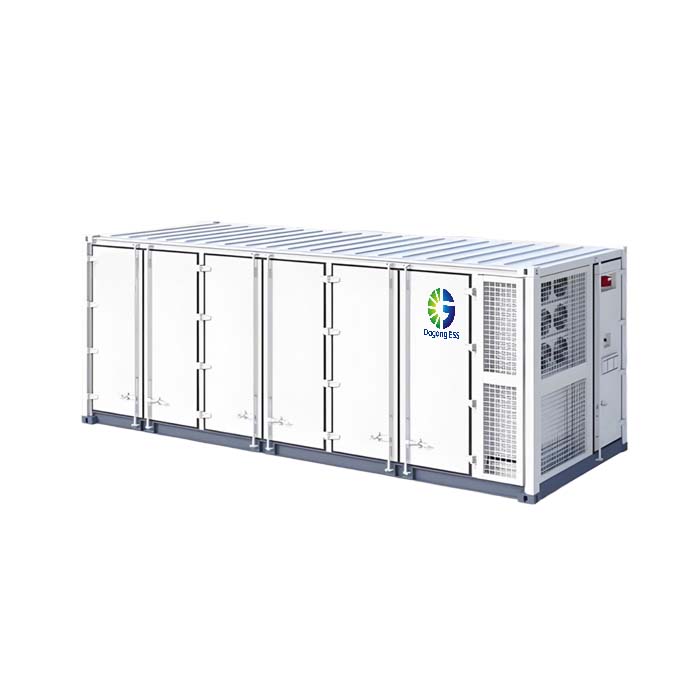
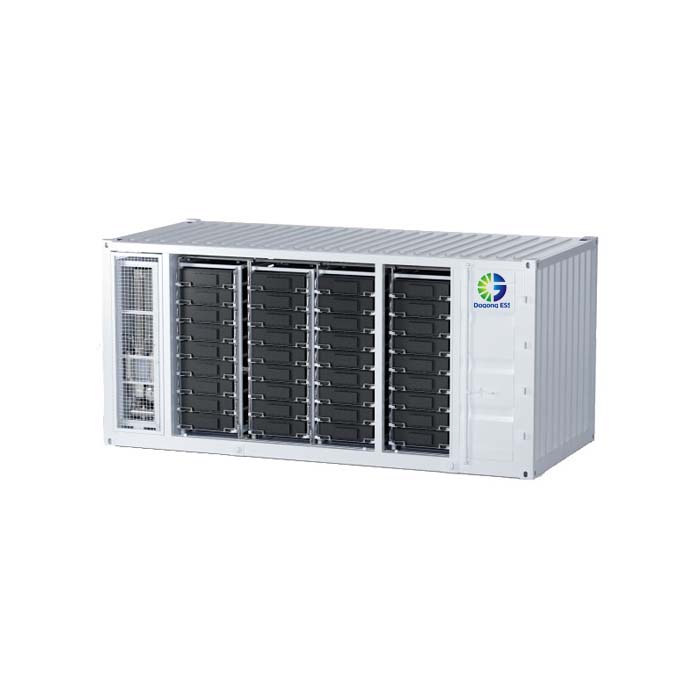
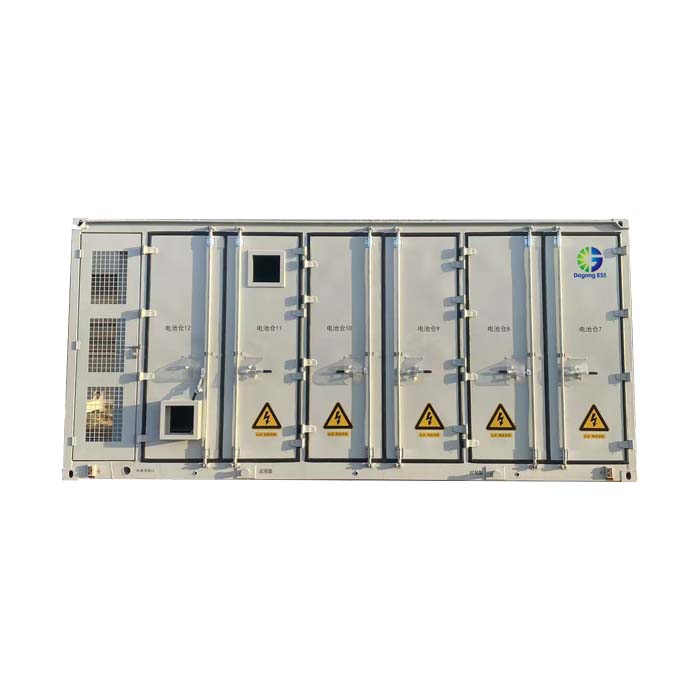
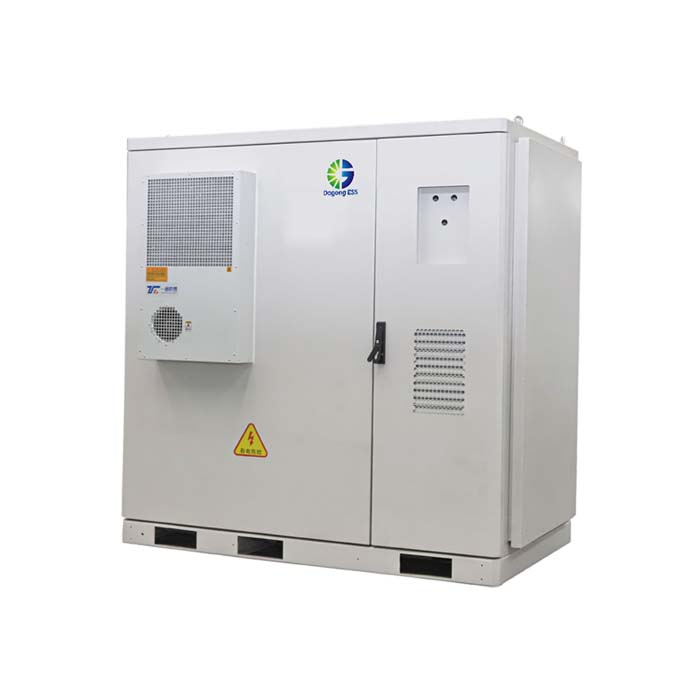
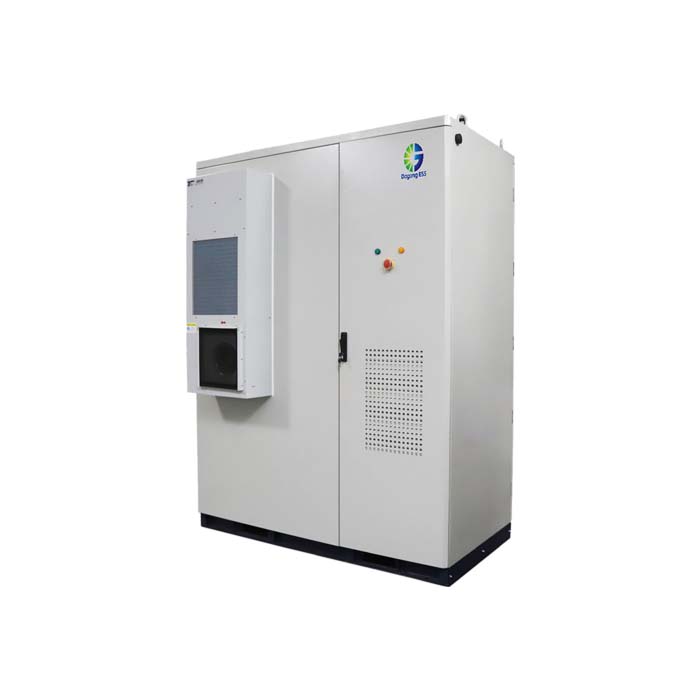
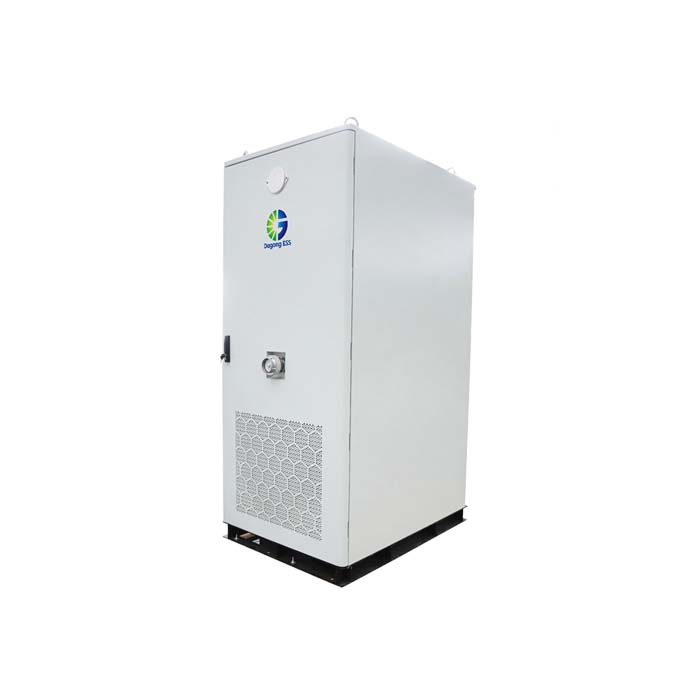
Air-cooled systems, such as 100kWh–144kWh BESS and 241kWh–416kWh BESS configurations, remain a practical choice for many applications. They are relatively simple in structure, easier to maintain, and more cost-effective for moderate energy densities. With proper airflow design, these systems can deliver stable performance in controlled environments.
However, as system capacity increases or operating conditions become more demanding, liquid cooling offers clear advantages. Systems such as 215kWh and 372kWh liquid-cooled ESS are designed to handle higher energy density and continuous operation with greater thermal precision.
Liquid cooling systems circulate coolant through dedicated channels or plates, directly absorbing heat from battery cells. This allows for faster heat transfer and more uniform temperature distribution. The result is reduced thermal stress, improved efficiency, and longer battery life.
Key Elements of Effective Thermal Design
A well-designed thermal management system in C&I ESS integrates multiple layers of control and optimization.
Temperature monitoring is distributed across the system, with sensors placed at critical points within battery modules. This allows the battery management system to track thermal conditions in real time and adjust cooling strategies accordingly.
Structural design also plays a significant role. Components such as aluminum busbars and heat dissipation plates are not only used for electrical connectivity but also contribute to heat transfer. In liquid-cooled systems, cooling plates are integrated directly into the battery pack, creating a more efficient thermal pathway.
Control logic is equally important. Instead of operating cooling systems at constant levels, modern ESS solutions adjust fan speeds or coolant flow dynamically, balancing thermal performance with energy consumption.
Applications and Operational Impact
Thermal management directly affects how C&I energy storage systems perform in real-world applications.
In manufacturing environments, stable temperature control ensures that energy storage systems can support production processes without interruption. In commercial buildings, efficient cooling contributes to better system efficiency, especially when operating under time-of-use energy pricing models.
Data centers present another demanding use case. Here, thermal stability is critical not only for the battery system itself but also for the overall facility. Energy storage systems must operate reliably alongside other temperature-sensitive equipment.
In all these scenarios, poor thermal management can lead to reduced efficiency, increased maintenance requirements, and shorter system lifespan. Conversely, effective thermal design enhances reliability and improves return on investment.
Lifecycle Performance and Reliability
For commercial and industrial users, long-term performance is a key consideration. Energy storage systems are expected to operate for many years with minimal downtime.
With proper thermal management, C&I ESS can achieve more than 8000 charge-discharge cycles and maintain stable operation for over 15 years. Systems that utilize liquid cooling typically show better long-term performance due to improved temperature consistency.
By minimizing temperature fluctuations and avoiding localized overheating, thermal management helps preserve battery health and ensures predictable system behavior over time.
In commercial and industrial energy storage, thermal management is not simply about preventing overheating. It is about enabling consistent performance under variable and demanding conditions.
Dagong ESS provides both air-cooled and liquid-cooled solutions tailored to different project requirements. Through optimized thermal design and intelligent control systems, these solutions support reliable operation across a wide range of commercial and industrial applications.
If you are interested in Thermal Management Capability solutions, please contact Dagong ESS,
Email: sales@dagongess.com
Website: www.dagongess.com