
 WhatsApp
 sales@dagongess.com
 +86 18137952759
Thermal Management Capability in Energy Storage Systems: Why It Defines Performance and Safety
What is Thermal Management Capability?
Thermal management capability refers to the ability of an energy storage system (ESS) to regulate and maintain optimal operating temperatures for battery cells, modules, and system components. In lithium-ion battery systems—especially LFP (Lithium Iron Phosphate) technologies—temperature control is not just a performance factor but a fundamental requirement for safety, efficiency, and long-term reliability.
Without proper thermal management, batteries may experience overheating, uneven temperature distribution, accelerated degradation, or in extreme cases, thermal runaway. Therefore, a well-designed thermal management system ensures that every cell operates within a controlled temperature range, typically between 15°C and 35°C, regardless of external environmental conditions.
Types of Thermal Management Systems
Different ESS applications require different cooling strategies depending on scale, environment, and performance expectations.
Air Cooling Systems
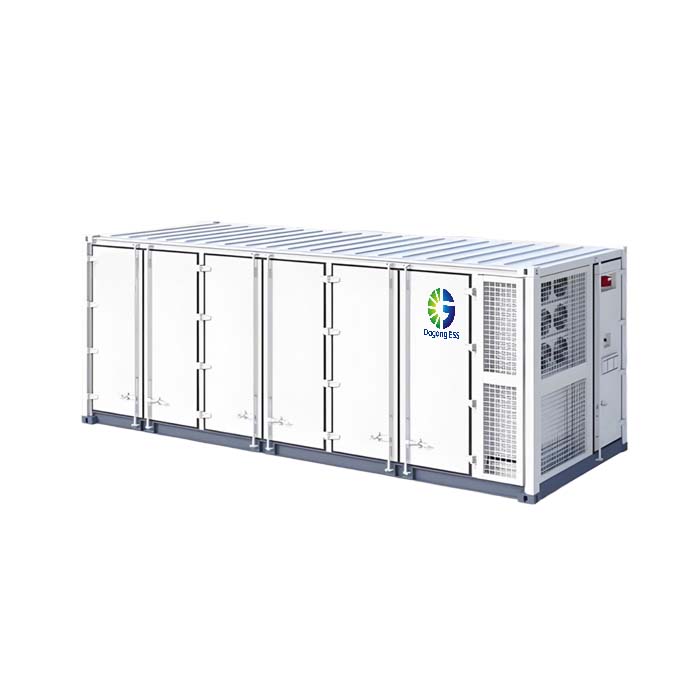
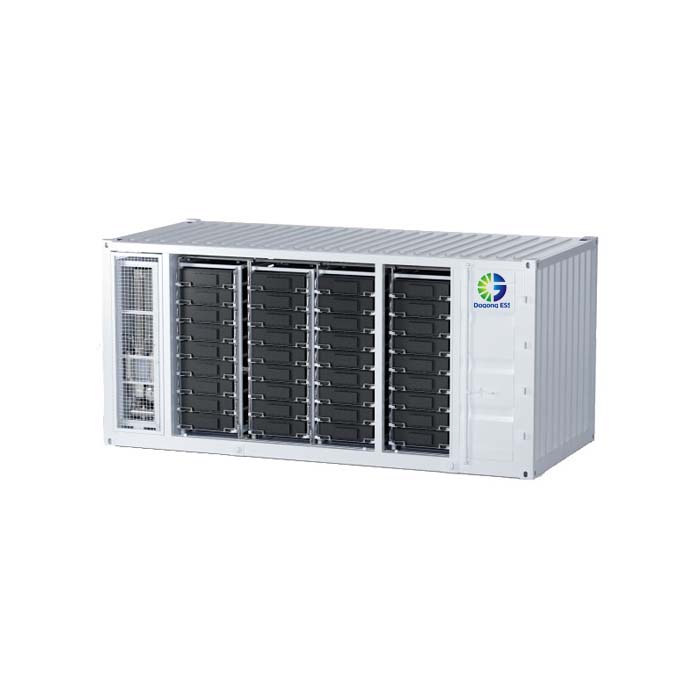
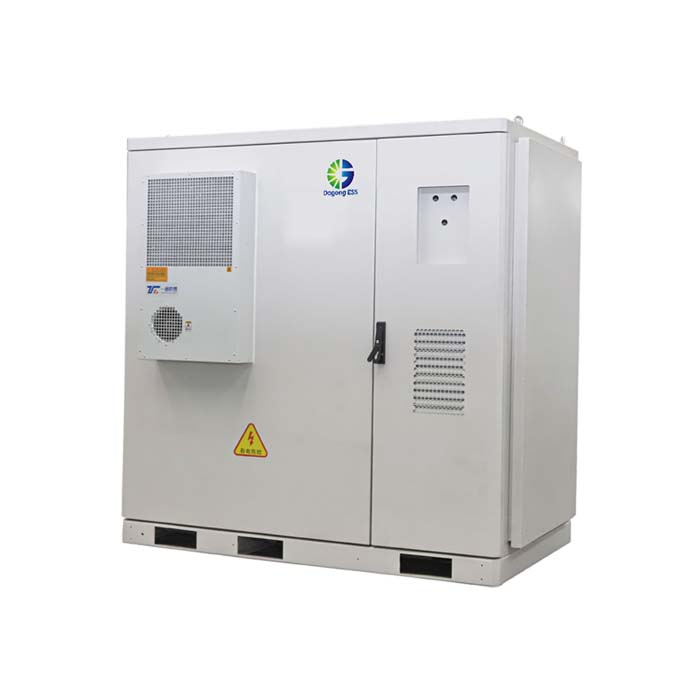
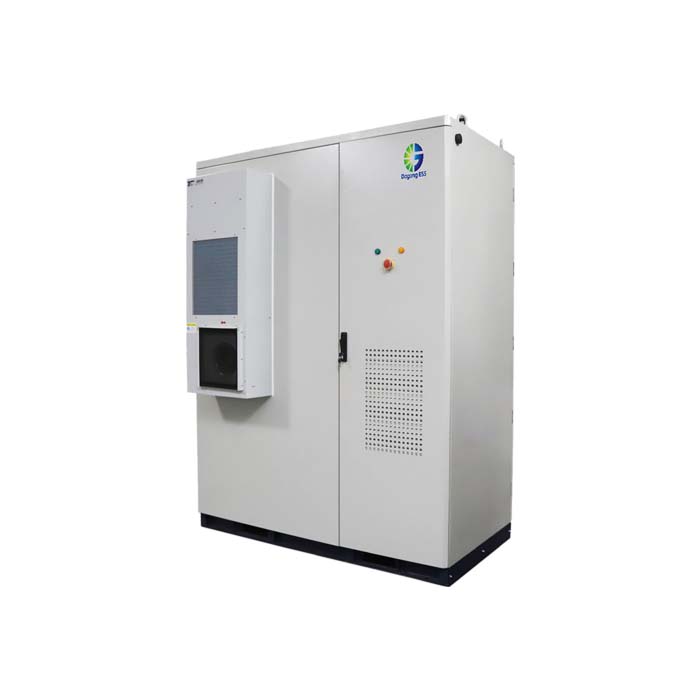
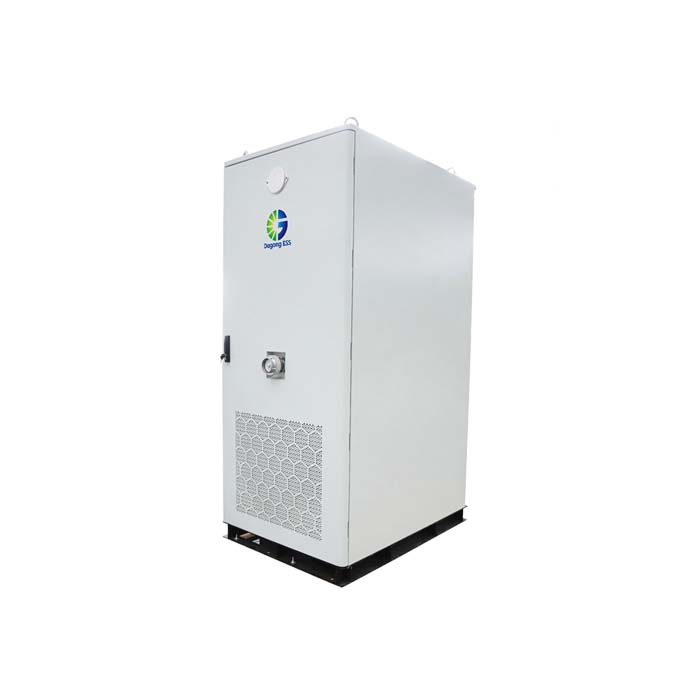
Air-cooled ESS use forced air circulation to dissipate heat. This approach is widely used in small to medium-scale applications due to its simplicity and cost-effectiveness. Systems like the 100kWh–144kWh Air-Cooled ESS and 215kWh–416kWh Air-Cooled ESS are designed with optimized airflow channels and intelligent control systems to maintain stable temperatures across battery modules.Liquid Cooling Systems
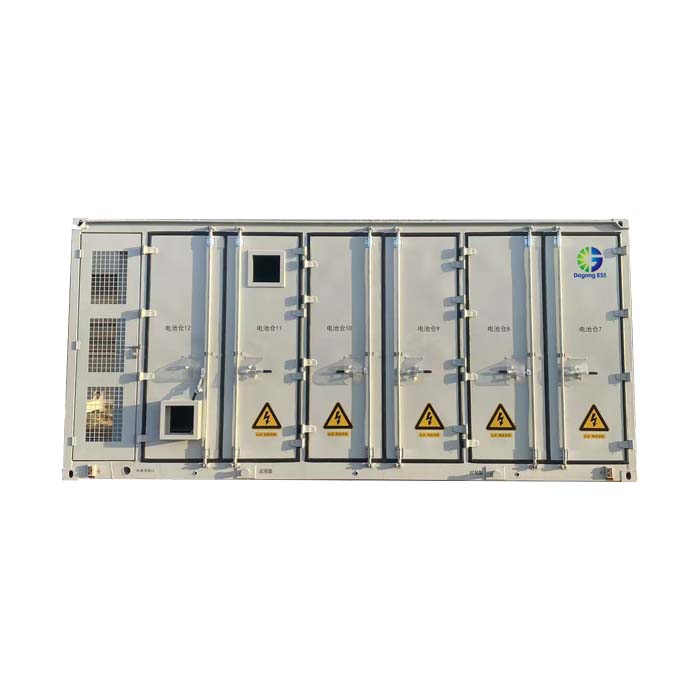
Liquid cooling offers significantly higher thermal efficiency by circulating coolant through dedicated channels or plates. It is ideal for high-density and large-scale storage systems such as the 215kWh Liquid-Cooled ESS, 372kWh Liquid-Cooled ESS, and 5MWh Liquid-Cooled ESS Container. These systems provide precise temperature control, reduced thermal gradients, and improved cycle life.Hybrid Cooling Solutions
In some advanced ESS configurations, hybrid cooling combines air and liquid methods to balance cost and performance. This approach is particularly useful in regions with fluctuating ambient temperatures.
Key Features of Strong Thermal Management Capability
A robust thermal management system integrates multiple design and control features:
Uniform Temperature Distribution
Maintaining minimal temperature differences between cells (typically <3°C) is critical to prevent uneven aging and capacity loss.High-Efficiency Heat Dissipation
Advanced materials such as aluminum heat dissipation plates and liquid cooling plates enhance heat transfer efficiency, ensuring rapid removal of excess heat.Intelligent Monitoring and Control
Integrated sensors (NTC, thermal probes) and Battery Management Systems (BMS) enable real-time monitoring and dynamic adjustment of cooling strategies.Modular Design Compatibility
Thermal systems must align with modular battery structures, ensuring scalability without compromising cooling performance.Environmental Adaptability
Systems are designed to operate reliably in extreme climates, including high-temperature, high-humidity, or dusty industrial environments.
Applications of Thermal Management in ESS
Thermal management capability plays a vital role across different energy storage scenarios:
In residential energy storage, compact systems such as 5kWh–30kWh solutions rely on efficient air cooling to ensure quiet operation and safety in confined spaces.
In commercial and industrial ESS, systems like the 215kWh–416kWh Air-Cooled ESS and liquid-cooled variants support continuous operation under high loads, maintaining stable performance for factories, data centers, and commercial buildings.
In renewable energy integration, especially solar and wind farms, large-scale systems such as the 5MWh Liquid-Cooled ESS Container require advanced thermal control to handle variable charging cycles and environmental stress.
In microgrid and backup power systems, thermal stability ensures rapid response and reliable operation during power fluctuations or outages.
Price of Thermal Management Systems
The cost of thermal management capability varies depending on system size, cooling method, and technical complexity. Air-cooled systems generally offer a more economical solution for small to medium-scale applications, while liquid-cooled systems require higher initial investment due to additional components such as pumps, coolant loops, and heat exchangers.
However, it is important to consider the total lifecycle value. Advanced thermal management systems can significantly reduce maintenance costs, extend battery lifespan, and improve system efficiency, ultimately delivering better long-term returns.
How to Select the Right Thermal Management Capability?
Choosing the appropriate thermal management system depends on several factors:
First, evaluate the project scale and energy density. High-capacity systems typically benefit from liquid cooling.
Second, consider the operating environment. Regions with high ambient temperatures or humidity demand more advanced thermal control.
Third, assess the performance requirements, including cycle life, efficiency, and uptime.
Finally, review the system integration and customization options. Modular and scalable designs allow for flexible deployment across different applications.
Manufacturers with strong engineering capabilities can provide tailored thermal management solutions that align with specific project needs.
How Long Does a Thermally Managed ESS Last?
The lifespan of an energy storage system is closely tied to its thermal management performance. Systems with effective temperature control can achieve over 8000 charge-discharge cycles and operate reliably for more than 15 years.
By minimizing thermal stress and preventing overheating, advanced cooling technologies help maintain battery health, reduce degradation rates, and ensure consistent performance over time.
The Supplier of Thermal Management Solutions
A reliable ESS supplier should demonstrate expertise in thermal design, system integration, and long-term performance optimization. This includes the ability to provide both air-cooled and liquid-cooled solutions, supported by intelligent control systems and proven safety mechanisms.
Dagong ESS offers a comprehensive range of energy storage products—from residential systems to large-scale containerized solutions—integrating advanced thermal management technologies to ensure safety, efficiency, and durability across diverse applications.
If you are interested in Thermal Management Capability solutions, please contact Dagong ESS,Email: sales@dagongess.com
Website: www.dagongess.com