
 WhatsApp
 sales@dagongess.com
 +86 18137952759
Thermal Management Becomes the Decisive Factor in the 500Ah+ Battery Era
What Changes When Energy Storage Enters the 500Ah+ Era?
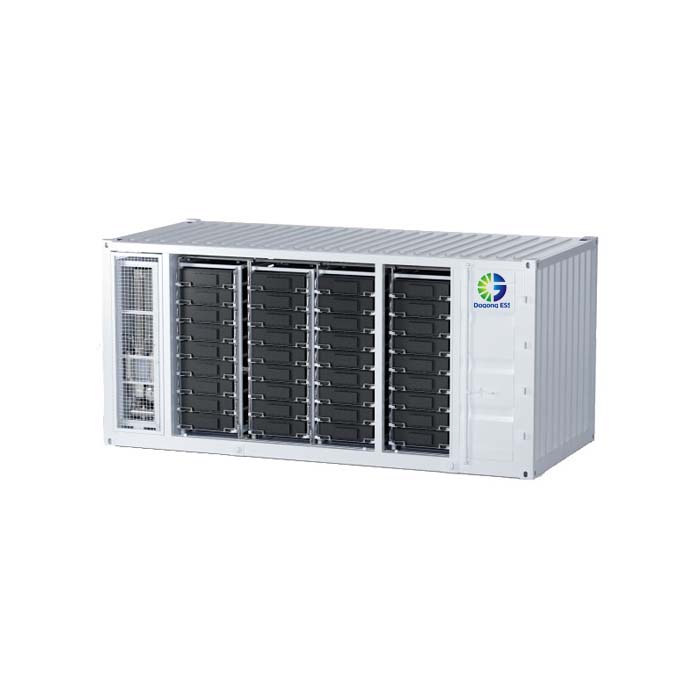
The energy storage industry is rapidly transitioning into the era of large-capacity battery cells. With 587Ah, 628Ah, and even higher-capacity cells entering mass production, system configurations have quickly evolved from traditional 5MWh containers to 6MWh, 7MWh, and even 10MWh+ solutions.
This leap in capacity has significantly improved system energy density and reduced balance-of-system costs. However, behind this progress lies a less visible but critical challenge: thermal management.
As battery capacity increases, heat generation rises sharply, and conventional cooling strategies are being pushed beyond their limits. What was once a manageable engineering problem is now becoming a decisive factor that directly impacts system safety, lifespan, and performance.
Why Heat Becomes a Critical Constraint
Every battery cell generates heat during operation, but the scale of this heat changes dramatically with larger formats.
In earlier generations, such as 280Ah or 314Ah cells, heat generation under standard operating conditions was relatively moderate. However, when capacity increases to 500Ah+, the thermal load grows significantly—often reaching two to three times the previous level under the same operating conditions.
At the same time, the physical dimensions of the cells also increase. Thicker electrodes and larger structures extend the internal heat transfer path, making it more difficult for heat to dissipate efficiently.
This creates a double challenge:
Higher heat generation
Longer heat dissipation paths
If not properly managed, this leads to higher operating temperatures and larger temperature gradients within the cell. Over time, these thermal imbalances accelerate degradation, reduce cycle life, and increase safety risks.
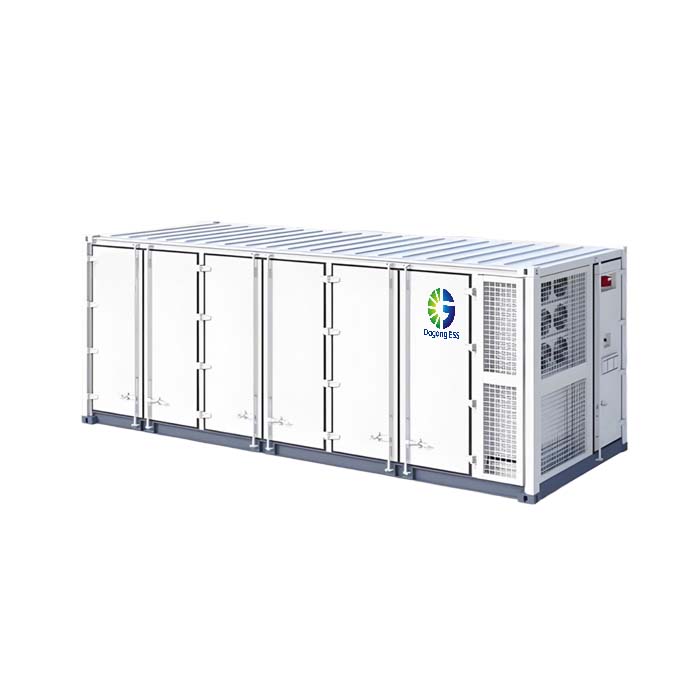
In large-scale systems such as the 5MWh Liquid-Cooled ESS Container, where hundreds or thousands of cells operate together, even small thermal inconsistencies can accumulate into significant system-level issues.
Why Traditional Cooling Methods Are No Longer Enough
1. Air Cooling: Reaching Its Limits
Air cooling has long been valued for its simplicity and low cost. It relies on forced air circulation to remove heat from battery surfaces, making it suitable for earlier low-capacity systems.
However, its fundamental limitation lies in its low heat transfer efficiency. Compared to liquid cooling, air has significantly lower thermal conductivity and heat capacity. As a result, it struggles to handle the increased thermal loads of large-capacity cells.
In the 500Ah+ era, air cooling is gradually being phased out in high-performance applications, remaining only in limited scenarios where thermal demands are relatively low.
2. Bottom Liquid Cooling: No Longer Sufficient
Liquid cooling replaced air cooling as the mainstream solution during the 314Ah era, with bottom-mounted cooling plates becoming the industry standard.
While effective for smaller cells, this approach reveals critical weaknesses when applied to larger formats:
Heat generated in the upper sections of the cell must travel longer distances to reach the cooling plate
Cooling surface area is limited to the bottom, restricting heat dissipation capacity
Temperature differences between top and bottom regions increase significantly
In practical scenarios, these limitations can lead to noticeable thermal gradients within battery packs, resulting in uneven aging and reduced system reliability.
Emerging Thermal Management Solutions
1. Front-Side Liquid Cooling: High Efficiency, High Complexity
One of the most effective solutions is to relocate cooling plates to the largest surface area of the cell. By directly contacting the main heat-generating surfaces, this approach significantly increases heat exchange efficiency and shortens thermal pathways.
The result is a substantial reduction in temperature rise and improved uniformity.
However, this performance comes at a cost. The system requires more cooling components, more complex piping, and higher manufacturing precision, which increases both cost and engineering complexity.
2. Side Liquid Cooling: A Balanced Engineering Solution
Side-mounted liquid cooling offers a more practical compromise.
By expanding the cooling area beyond the bottom and shortening heat transfer paths, it improves thermal performance while maintaining manageable system complexity. Compared to traditional bottom cooling, it achieves:
Lower overall temperature rise
Reduced internal temperature differences
More uniform performance across cells
At the same time, it avoids the excessive structural complexity associated with front-side cooling, making it a more feasible option for large-scale deployment.
3. Immersion Cooling: High Potential, Limited Maturity
Immersion cooling represents the most advanced form of thermal management. By submerging battery cells in dielectric fluids, it enables direct heat removal and exceptional temperature control.
This approach can significantly reduce temperature gradients and enhance safety by limiting thermal propagation.
However, it also introduces new challenges, including high material costs, stringent sealing requirements, and long-term compatibility concerns. As a result, it remains in early-stage applications and has yet to achieve large-scale commercialization.
Implications for Energy Storage System Design
The shift toward large-capacity cells is forcing a fundamental rethink of system design.
Thermal management is no longer a supporting function—it is becoming a core design parameter that determines system performance, safety, and lifecycle cost.
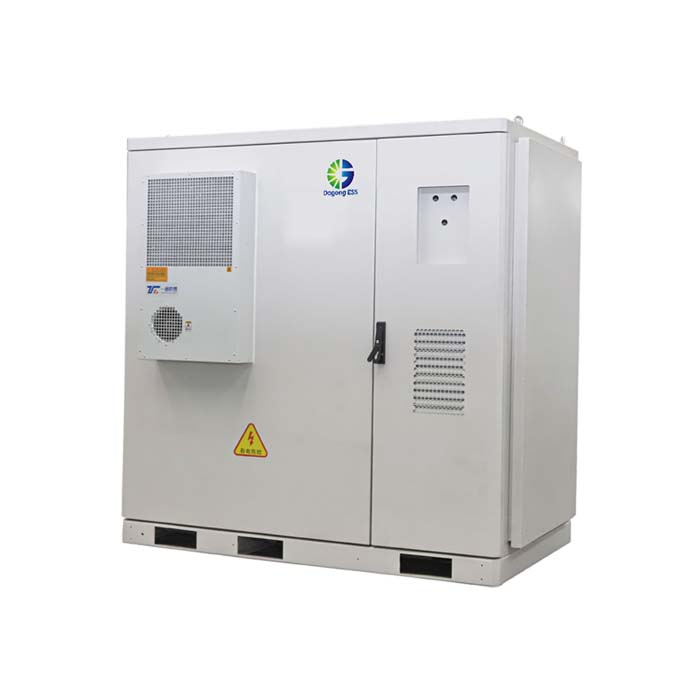
This is particularly evident in commercial and industrial energy storage systems such as:
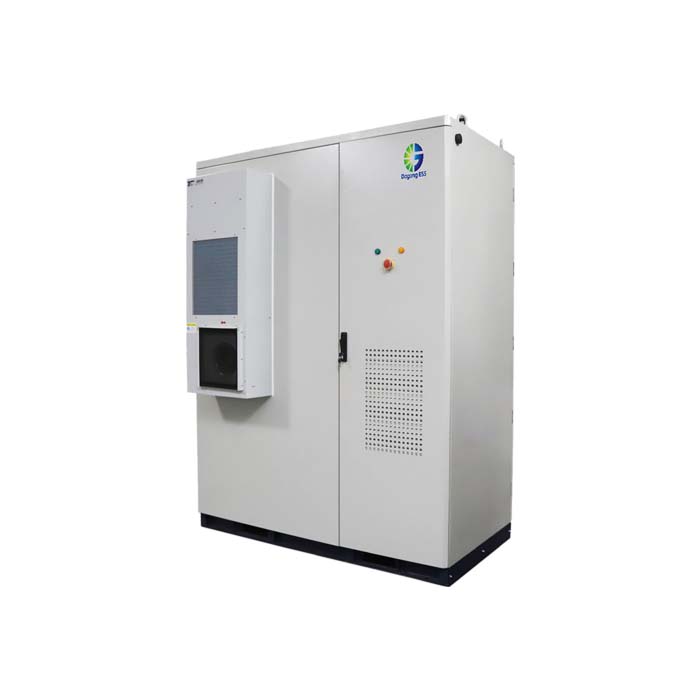
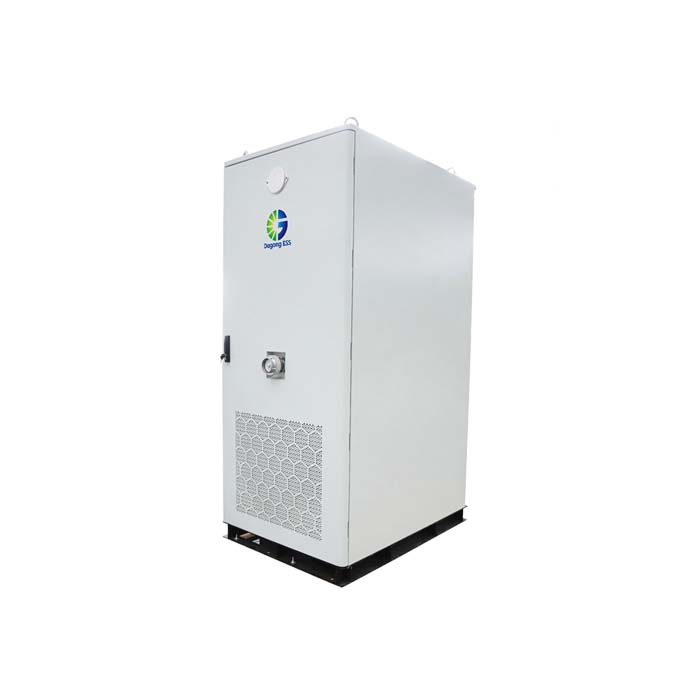
100kWh–144kWh Air-Cooled ESS
241kWh and 372kWh Liquid-Cooled ESS
As systems scale up, liquid cooling—especially optimized configurations—plays a critical role in ensuring stable operation under high load and high temperature conditions.
From Technology Challenge to Competitive Advantage
As the industry moves deeper into the 500Ah+ era, thermal management is emerging as a key differentiator among energy storage providers.
Companies that can deliver solutions combining:
Efficient heat dissipation
Structural simplicity
Cost control
Long-term reliability
will gain a clear competitive advantage.
This is particularly relevant in regions with demanding environmental conditions, where thermal performance directly impacts project viability.
The rise of 500Ah+ battery cells marks a new chapter in energy storage development—but it also introduces new engineering challenges that cannot be ignored.
Thermal management is no longer a secondary consideration. It is now central to the success of large-scale energy storage systems.
As system capacities continue to grow, the ability to manage heat effectively will determine not only product performance, but also the long-term sustainability of energy storage deployments.
If you are interested in advanced energy storage systems with optimized thermal management solutions, please contact Dagong ESS.
Email: sales@dagongess.comWebsite: www.dagongess.com