
 WhatsApp
 sales@dagongess.com
 +86 18137952759
Power Battery vs. Energy Storage Battery: What’s the Real Difference?
What is a Power Battery?
A power battery is designed to deliver energy for movement. It is most commonly used in electric vehicles, where it acts as the core power source that drives acceleration, climbing, and continuous operation. Unlike stationary systems, a power battery must work within very limited space, which forces engineers to maximize energy density while still maintaining strong output performance.
In real-world use, this type of battery is constantly responding to changing load conditions. Rapid acceleration, braking, and varying driving speeds all require the battery to release energy quickly and repeatedly. As a result, performance and responsiveness often take priority over long-term durability.
What is an Energy Storage Battery?
An energy storage battery serves a completely different purpose. Instead of powering movement, it focuses on storing electricity and releasing it steadily over time. These systems are typically installed in fixed locations and are widely used in renewable energy integration, grid balancing, and backup power applications.
Because energy storage batteries are not constrained by space in the same way as vehicle batteries, their design philosophy shifts toward stability and efficiency. Whether it is supporting solar energy systems or providing backup power for industrial facilities, the goal is to ensure reliable operation over many years rather than delivering short bursts of high power.
Different Missions: “Running” vs “Storing”
At a fundamental level, the difference between the two battery types comes down to their mission. A power battery is built to “run,” delivering energy quickly and efficiently to keep systems moving. An energy storage battery, on the other hand, is built to “store,” acting as a buffer that balances supply and demand over time.
This distinction shapes everything from system architecture to material selection. Power batteries must be compact and lightweight, while energy storage systems are often modular and scalable, designed to handle large volumes of energy in applications such as grid support or renewable energy storage.
Lifecycle and Long-Term Performance
One of the most noticeable differences lies in lifecycle expectations. Power batteries are typically designed to match the lifespan of vehicles, which usually falls within five to eight years. Over time, their capacity gradually declines, and once it drops below a certain threshold, the battery is considered ready for retirement or secondary use.
Energy storage batteries operate on a much longer timeline. In many cases, they are expected to last more than a decade, with some systems targeting 15 to 25 years of service. This longer lifespan is essential because energy storage projects are often tied to long-term investments, such as solar power systems, where consistent performance over many years directly impacts financial returns.
Energy Density and Design Priorities
Energy density plays a very different role in these two systems. For power batteries, every increase in energy density translates into extended driving range, which is a critical selling point in electric vehicles. Engineers continuously push the limits to make batteries lighter and more compact without sacrificing performance.
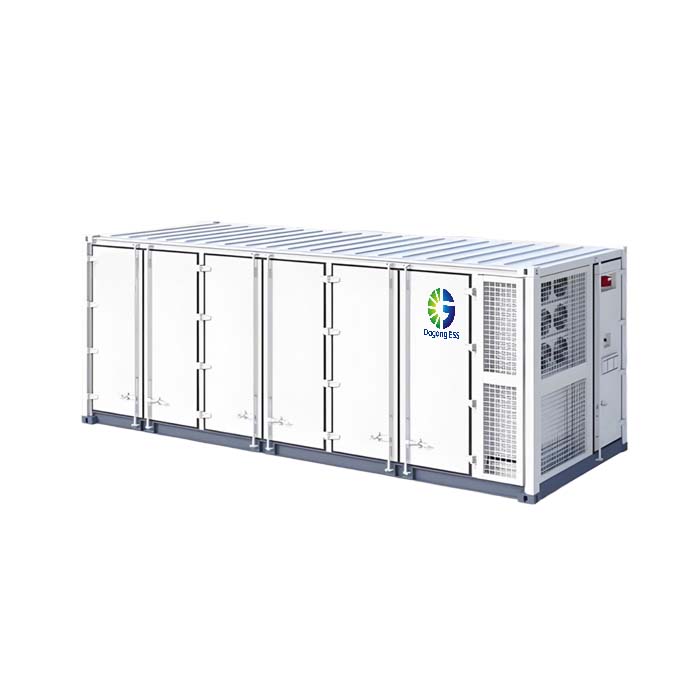
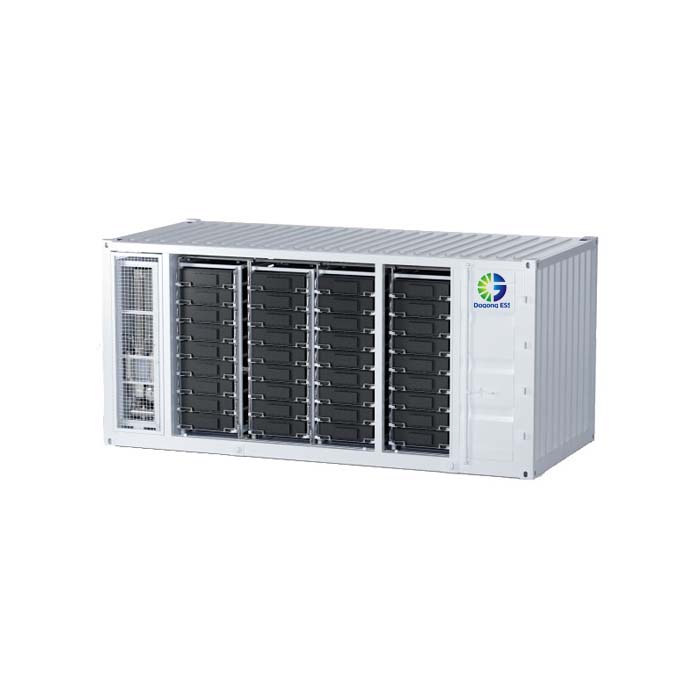
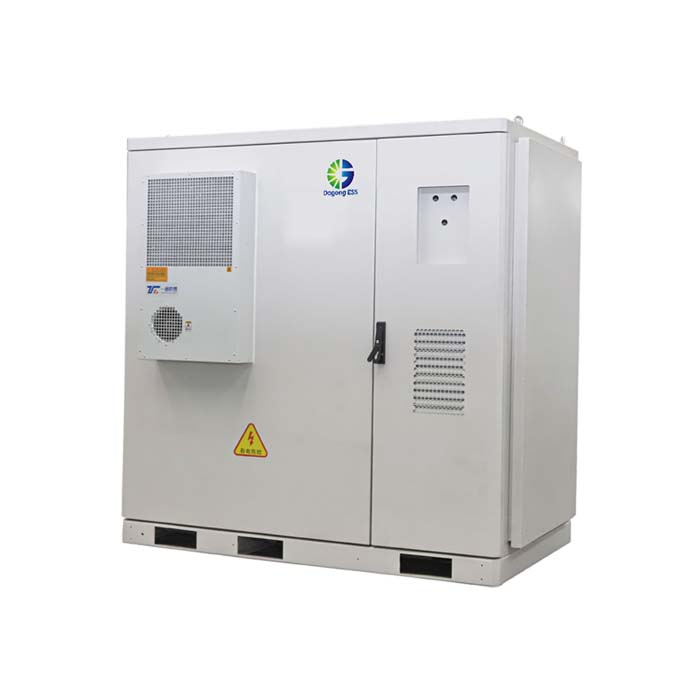
In contrast, energy storage batteries do not need to chase extreme energy density. Since they are typically installed in dedicated spaces such as cabinets or containers, the emphasis shifts toward safety, cost-effectiveness, and thermal stability. This is why many modern systems prioritize robust materials and advanced cooling strategies rather than simply maximizing energy per kilogram.
Performance Characteristics: Speed vs Stability
The performance gap between the two can be easily understood through a simple analogy. Power batteries behave like sprinters, capable of delivering rapid bursts of energy when needed. Energy storage batteries are more like marathon runners, designed to maintain a steady output over long periods.
This difference is also reflected in charging and discharging behavior. Power batteries often operate under high-rate conditions to meet dynamic demands, while energy storage systems usually follow more controlled charge and discharge patterns to minimize wear and extend lifespan.
Application Scenarios
The divergence in design naturally leads to different application scenarios. Power batteries are found in electric vehicles, electric bicycles, and power tools—anywhere mobility is essential. Energy storage batteries, on the other hand, are used in solar and wind power systems, grid peak shaving, and backup power solutions for commercial and industrial users.
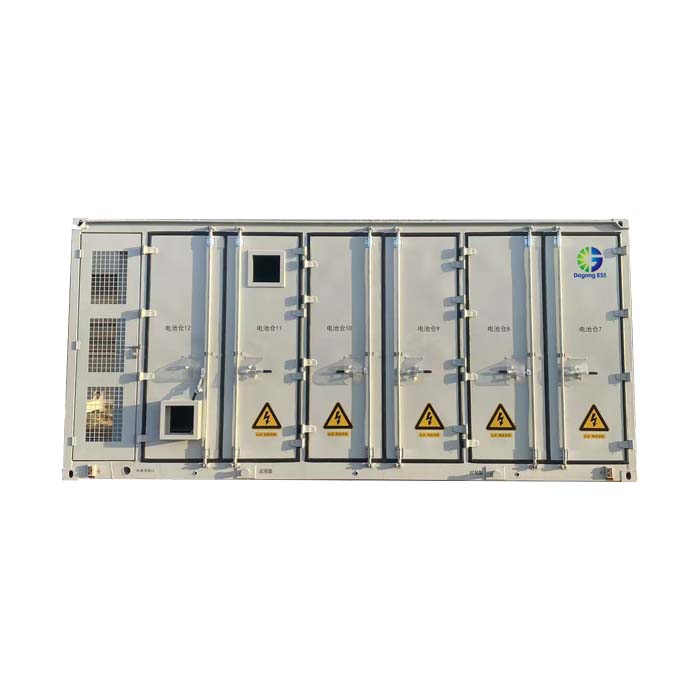
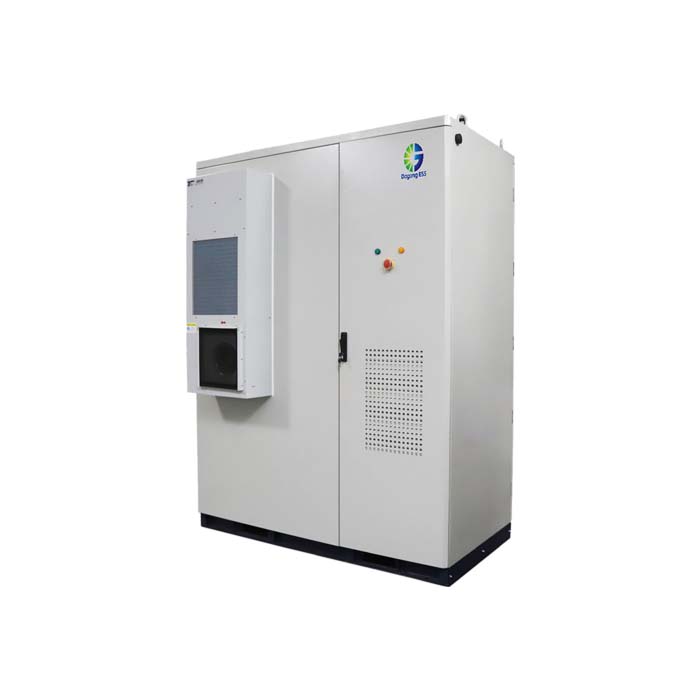
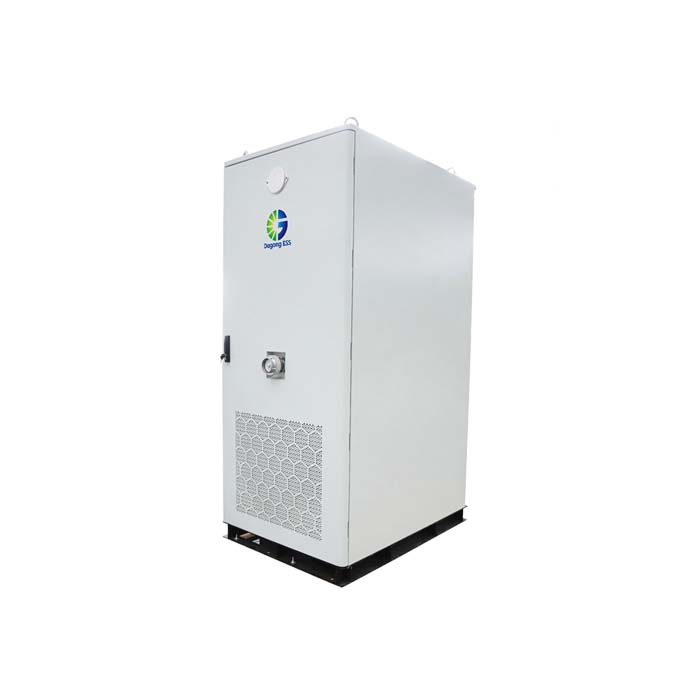
In large-scale deployments, energy storage systems are often integrated into modular or containerized solutions. For example, configurations such as 100kWh–144kWh Air-Cooled ESS or 5MWh Liquid-Cooled ESS Container are designed to support everything from factory operations to grid-level energy management, demonstrating how scalability becomes a key advantage in stationary applications.
Why the Difference Matters
Understanding the difference between power batteries and energy storage batteries is not just a technical detail—it directly affects system design, cost structure, and long-term performance. Choosing the wrong type of battery for a given application can lead to inefficiencies, higher operational costs, or even system failure.
The distinction ultimately reflects two different engineering philosophies. One prioritizes performance and responsiveness within tight physical constraints, while the other emphasizes durability, stability, and long-term value.
One-Sentence Summary
Power batteries are built to deliver energy instantly for movement, while energy storage batteries are designed to store and manage energy reliably over time.
If you are interested in energy storage battery products, please contact Dagong ESSEmail: sales@dagongess.com
Website: www.dagongess.com