
 WhatsApp
 sales@dagongess.com
 +86 18137952759
Low Voltage vs Medium Voltage Energy Storage System: What Is the Key Difference in Grid-Scale Applications?
What Is a Low Voltage Energy Storage System?
A low voltage energy storage system (LV ESS) is the most commonly used architecture in commercial and industrial battery storage applications. It typically operates at battery-level DC voltages (such as 48V, 1500V DC strings in larger systems) and requires inverters and step-up transformers to connect to the power grid.
In this configuration, multiple battery modules are connected in parallel or series, and power is converted step-by-step before reaching the grid.
Low voltage systems are widely used due to their maturity, safety, and flexibility in small-to-medium scale applications.
What Is a Medium Voltage Energy Storage System?
A medium voltage energy storage system (MV ESS) is designed to directly interface with medium-voltage grids, typically ranging from 6kV to 35kV depending on regional standards.
Instead of relying on centralized transformers, MV ESS integrates distributed power conversion units that synchronize multiple battery clusters to form a direct grid-connected output.
This architecture significantly reduces conversion stages and is increasingly used in utility-scale energy storage projects.
Key Structural Difference Between LV ESS and MV ESS
The fundamental difference lies in how electricity is converted and delivered to the grid.
1. Low Voltage ESS Structure
Battery modules → DC aggregation
Central inverter converts DC to AC
Step-up transformer increases voltage
Grid connection via substation
2. Medium Voltage ESS Structure
Distributed battery clusters
Modular power conversion units
Direct medium-voltage grid output
Minimal or no transformer dependency
This difference directly impacts efficiency, scalability, and system complexity.
Efficiency Comparison: Why Voltage Level Matters
Energy conversion efficiency is one of the most important performance indicators in storage systems.
Low voltage systems typically involve multiple energy conversion stages:
DC/DC balancing
DC/AC inversion
AC voltage transformation
Each stage introduces energy loss.
Medium voltage systems reduce or eliminate transformer-related conversion losses, resulting in higher overall system efficiency and better energy utilization—especially in high-cycle applications such as frequency regulation and renewable smoothing.
Scalability and System Expansion Differences
1. Low Voltage ESS
Easier to deploy in small systems
Modular but limited in large-scale coordination
Requires additional infrastructure for scaling
2. Medium Voltage ESS
Designed for large-scale grid deployment
Easier to expand in multi-MW or GWh-level projects
Better suited for utility and industrial energy networks
As energy storage projects grow in size, medium voltage architecture becomes increasingly advantageous.
Grid Stability and Response Performance
Low voltage systems rely heavily on centralized control and transformer-based integration, which can introduce latency in grid response.
Medium voltage systems, by contrast, use distributed control and modular synchronization, enabling:
Faster frequency response
Better voltage regulation
Improved grid stability under dynamic conditions
This makes MV ESS more suitable for modern grids with high renewable penetration.
Safety and Operational Considerations
Low voltage systems are generally simpler in terms of insulation requirements and are widely used in residential and small commercial applications.
Medium voltage systems require:
Higher insulation standards
Advanced protection coordination
More sophisticated fault isolation systems
However, they also offer:
Better system-level fault tolerance
Enhanced real-time monitoring capabilities
Higher operational redundancy in large-scale deployments
Application Scenarios: When to Use Each System
Low Voltage ESS Applications
Commercial buildings
Small industrial facilities
Distributed rooftop solar storage
EV charging support systems
Medium Voltage ESS Applications
Utility-scale energy storage plants
Renewable energy farms (solar/wind)
Industrial parks and large factories
Grid frequency regulation markets
How Dagong ESS Bridges Low and Medium Voltage Applications
Dagong ESS designs scalable energy storage systems that align with both low and medium voltage application requirements, enabling flexible deployment across different project sizes.
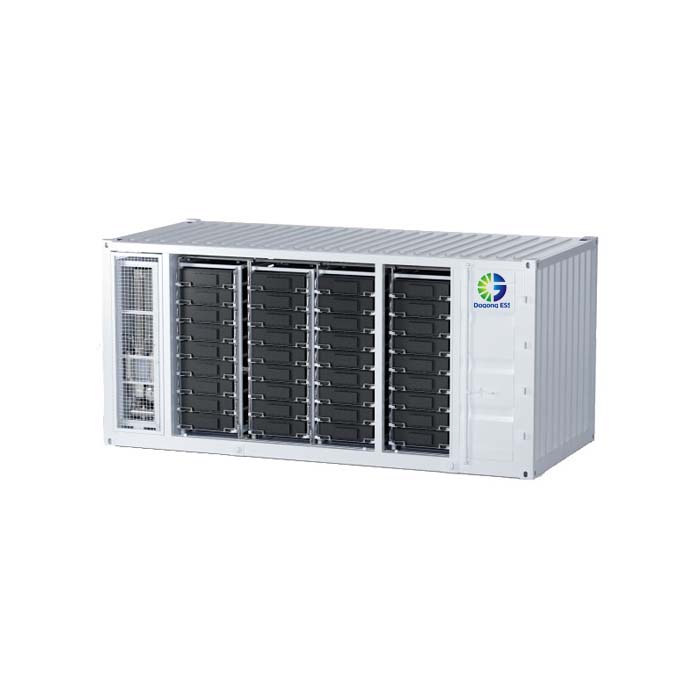
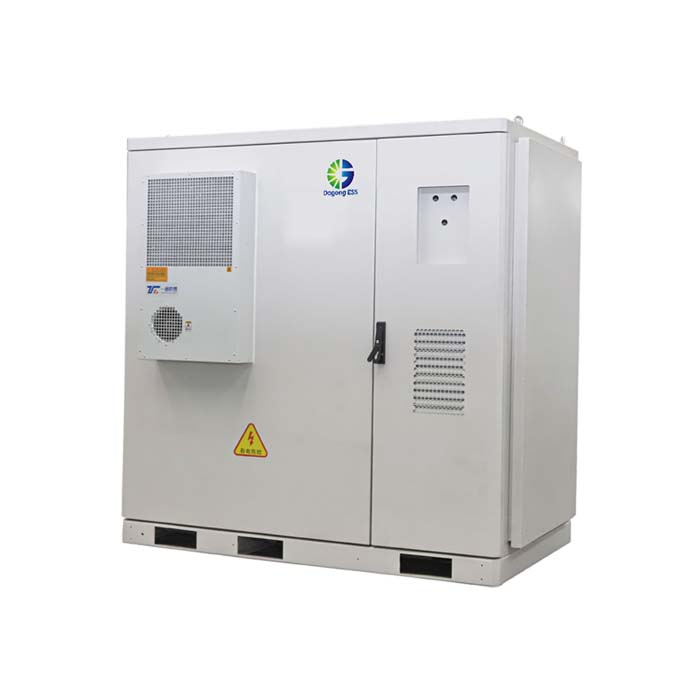
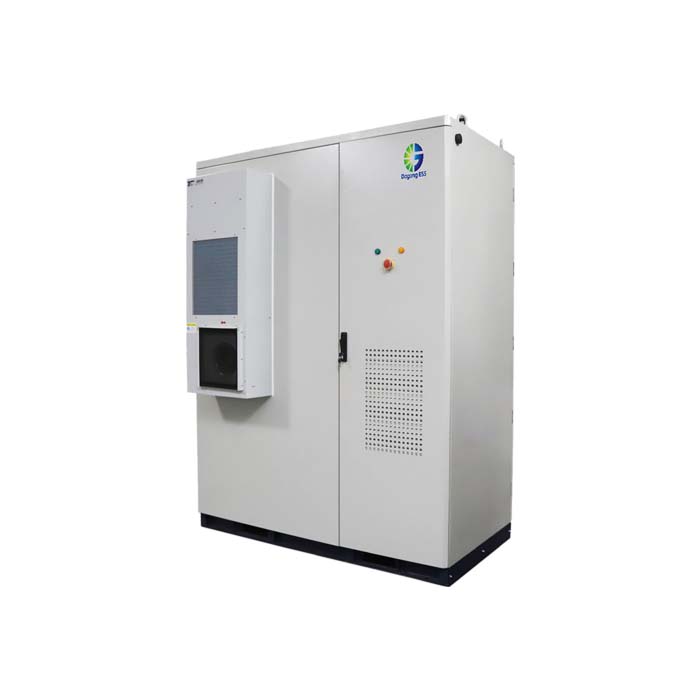
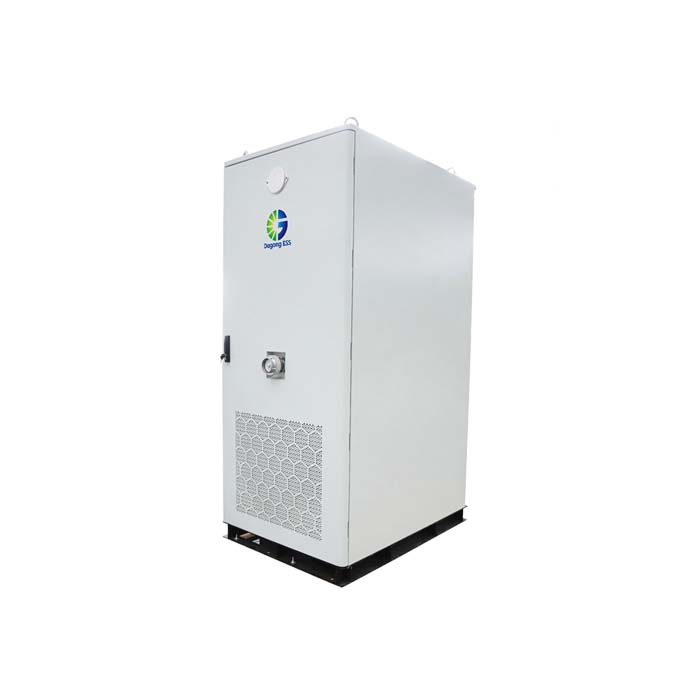
100kWh–144kWh Air-Cooled ESS for commercial and distributed low voltage applications
215kWh–416kWh Air-Cooled ESS for industrial energy management and hybrid grid support
215kWh Liquid-Cooled ESS for high-performance industrial environments
372kWh Liquid-Cooled ESS for large-scale industrial and grid stabilization projects
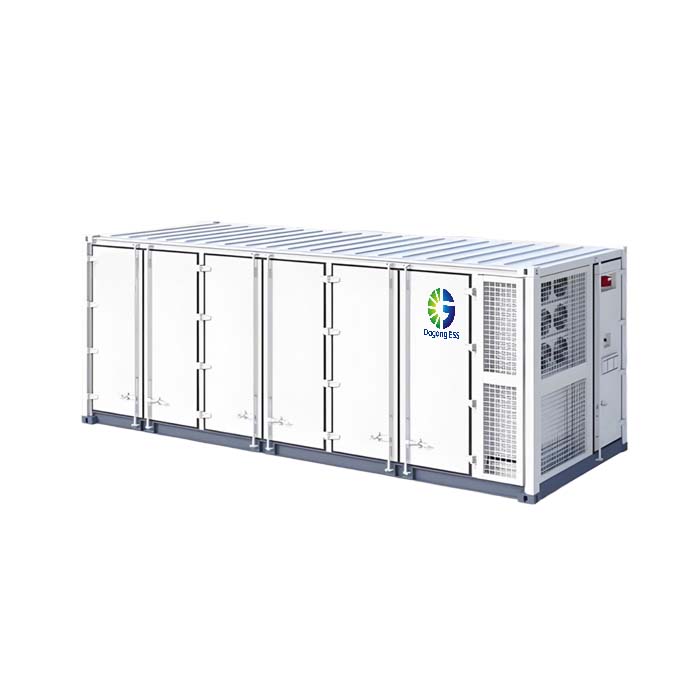
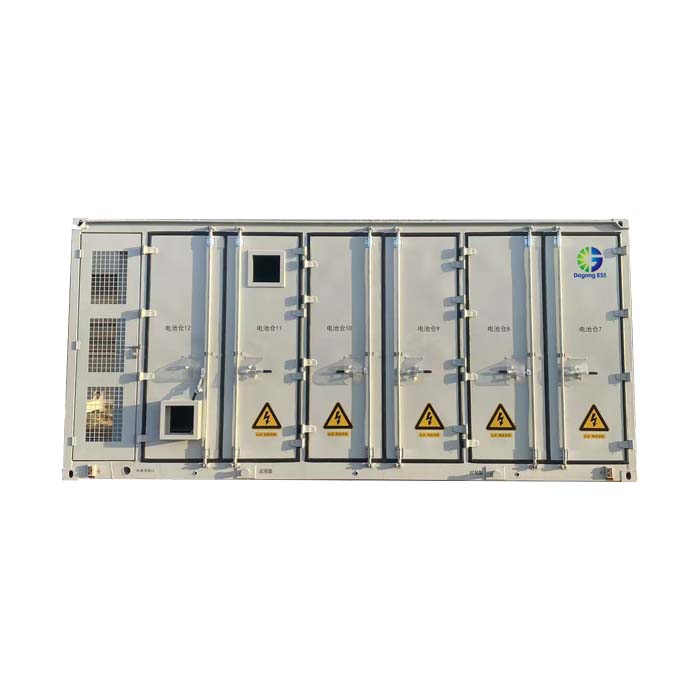
5MWh Liquid-Cooled ESS Container for utility-scale medium voltage energy storage systems
This product architecture enables a smooth transition from low voltage distributed systems to medium voltage grid-scale infrastructure.
Industry Trend: Why Medium Voltage Is Gaining Momentum
The global energy transition is driving a clear shift toward medium voltage energy storage systems due to:
Increasing renewable energy penetration
Demand for higher grid flexibility
Need for reduced infrastructure complexity
Growth of utility-scale storage markets
As a result, many new grid-scale projects are being designed directly around MV ESS architecture instead of traditional low voltage systems.
Low voltage and medium voltage energy storage systems serve different roles within the modern energy ecosystem. While low voltage systems remain essential for distributed and commercial applications, medium voltage systems are becoming the preferred architecture for large-scale grid integration due to higher efficiency, better scalability, and improved grid support capabilities.
Understanding the difference between these two architectures is critical for selecting the right energy storage solution for different application scenarios.
If you are interested in advanced energy storage system solutions, please contact Dagong ESS,
Email: sales@dagongess.com
Website: www.dagongess.com