
 WhatsApp
 sales@dagongess.com
 +86 18137952759
Key Technical Parameters to Evaluate ESS Suppliers: A Practical Checklist for Project Decision-Makers
Why Supplier Selection Is a Technical Decision
Choosing an energy storage supplier is often approached as a commercial decision, driven by pricing, delivery timelines, and basic specifications. In practice, however, the long-term success of a project depends far more on technical factors that are not always immediately visible.
Energy storage systems are expected to operate reliably for over a decade, often under variable and demanding conditions. Small differences in system design, component quality, and integration capability can lead to significant variations in performance, maintenance costs, and lifecycle value.
For project developers, EPC contractors, and investors, evaluating suppliers through a technical lens is essential. It reduces risk, improves predictability, and ensures that the system delivers its intended value over time.
Battery Performance and Consistency
At the core of any ESS lies the battery. While nominal specifications such as capacity and voltage are easy to compare, consistency across cells and modules is equally important.
High-quality suppliers pay close attention to cell matching, ensuring that internal resistance, capacity, and voltage characteristics are aligned. Poor consistency can lead to imbalance during operation, causing certain cells to age faster than others.
Cycle life is another critical parameter. Reliable systems typically offer more than 6000–8000 cycles under standard operating conditions. However, it is important to understand the testing conditions behind these figures, including temperature range and depth of discharge.
Thermal Management Capability
Thermal management is one of the most important yet often overlooked aspects of ESS design.
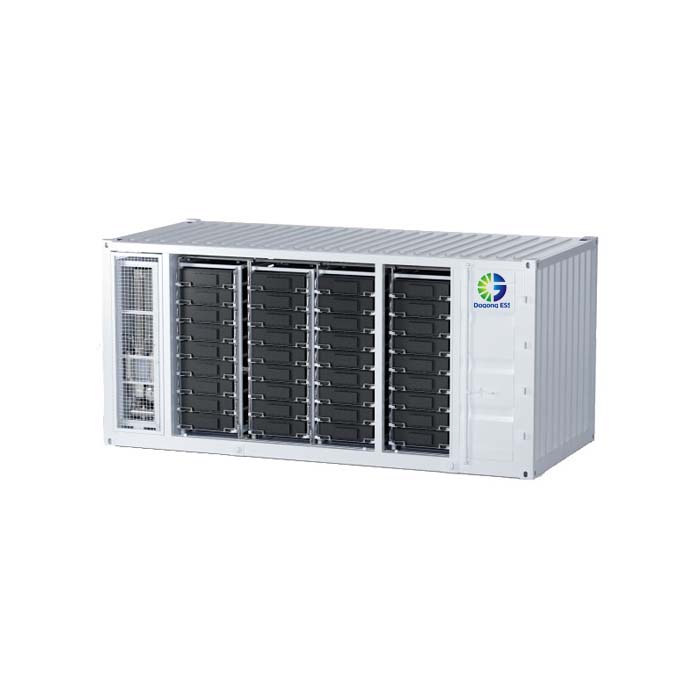
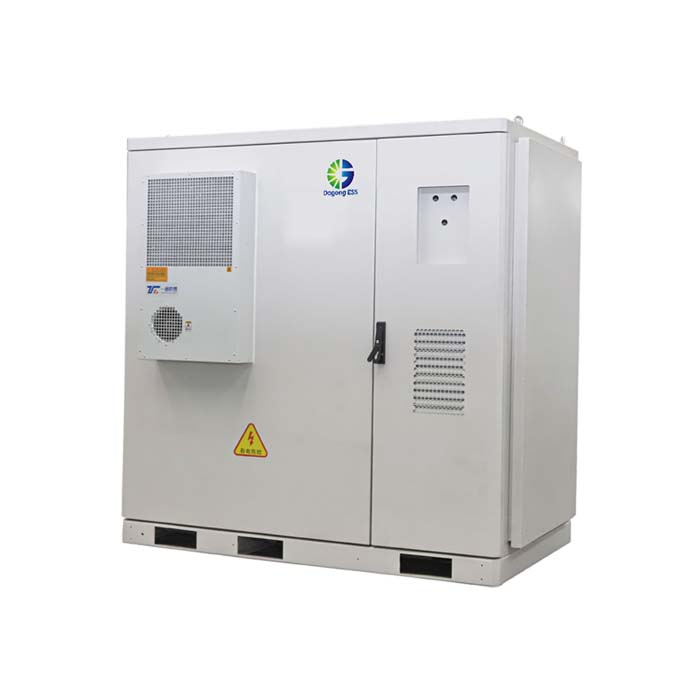
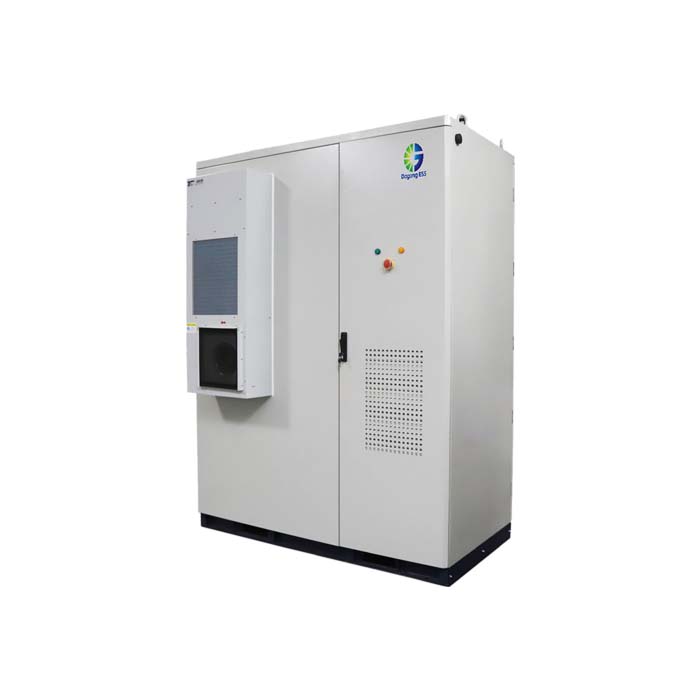
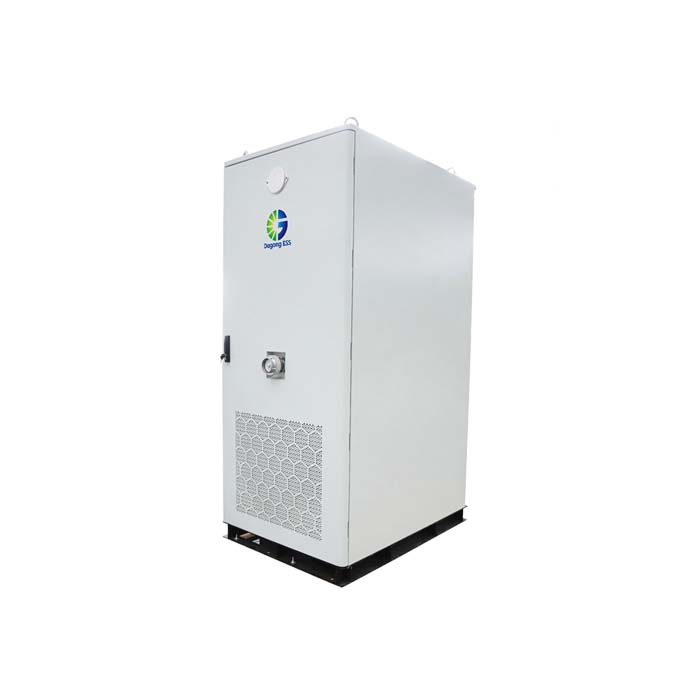
A supplier’s capability in this area can be assessed by examining the cooling method used (air vs liquid), temperature control accuracy, and system design. For example, air-cooled systems such as 100kWh–416kWh solutions may be suitable for moderate environments, while liquid-cooled systems like 215kWh or 372kWh configurations offer better performance in high-density or high-temperature applications.
Uniform temperature distribution across battery modules is particularly important. Systems that maintain low temperature differentials tend to have longer lifespans and more stable performance.
Safety Design and Protection Mechanisms
Safety is a non-negotiable requirement in energy storage systems. Evaluating safety involves looking beyond certifications to understand the underlying design philosophy.
Key elements include:
Multi-level protection architecture (cell, module, system level)
Thermal runaway detection and mitigation strategies
Fire protection and isolation design
Compliance with international standards such as UL, IEC, or UN38.3
Suppliers with strong engineering capabilities typically integrate safety features into both hardware and control systems, rather than relying solely on external protection measures.
Battery Management System (BMS)
The BMS acts as the control center of the ESS. Its capabilities directly affect system performance, safety, and operational visibility.
Important aspects to evaluate include:
Accuracy of SOC (State of Charge) and SOH (State of Health) estimation
Real-time monitoring and data logging
Fault detection and response speed
Integration with higher-level energy management systems (EMS)
Advanced BMS solutions enable predictive maintenance and improve overall system efficiency.
System Integration and Design Capability
An ESS is more than just a collection of components. The way these components are integrated determines how the system performs in real-world conditions.
Suppliers should demonstrate experience in:
Modular system design for scalability
Electrical integration (DC/AC systems, inverters, PCS)
Mechanical design for durability and ease of installation
Thermal and structural optimization
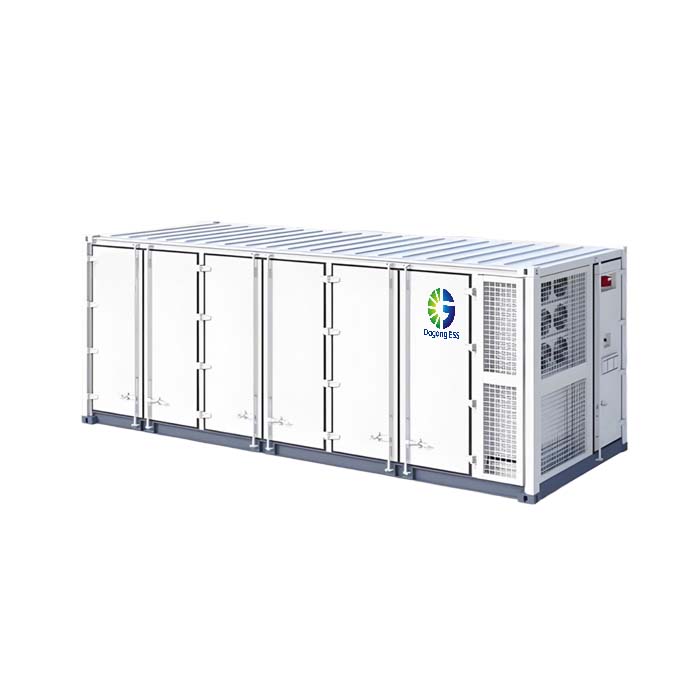
For example, containerized systems such as 5MWh liquid-cooled ESS require coordinated design across electrical, thermal, and mechanical domains.
Environmental Adaptability
Energy storage systems are often deployed in challenging environments. A supplier’s ability to adapt designs to different conditions is an important differentiator.
This includes:
High-temperature operation capability
Humidity and corrosion resistance
Dust and ingress protection (IP ratings)
Altitude adaptability
Systems designed for global deployment must maintain stable performance across diverse climates.
Lifecycle and Service Support
Technical evaluation should also consider lifecycle support. Even well-designed systems require maintenance and monitoring over time.
Key factors include:
Availability of remote monitoring platforms
Maintenance requirements and accessibility
Spare parts availability
Technical support and response time
Suppliers with strong service networks can significantly reduce operational risk.
Evaluating ESS suppliers requires a comprehensive approach that goes beyond basic specifications. Battery performance, thermal management, safety design, system integration, and lifecycle support all play critical roles in determining long-term success.
Dagong ESS provides a full range of solutions across residential, commercial, and utility-scale applications, with a focus on engineering quality, system integration, and reliable performance under real-world conditions.
If you are interested in energy storage system solutions, please contact Dagong ESS.Email: sales@dagongess.com
Website: www.dagongess.com