
 WhatsApp
 sales@dagongess.com
 +86 18137952759
Is Residential Energy Storage in the US Becoming a Smart Investment in 2026?
Residential energy storage in the United States is transitioning from an optional upgrade to a strategic investment. In 2026, homeowners are no longer installing battery systems solely for backup power or energy independence, but increasingly for financial and long-term value.
This shift is driven by federal tax incentives, rising electricity prices, the growth of virtual power plants, and the emergence of flexible financing models.
Why Is Home Battery US Demand Continuing to Grow?
The US residential energy landscape is evolving rapidly. Solar adoption continues to increase, while electricity prices have risen in many regions, including California and Texas.
For homeowners with solar systems, adding battery storage significantly improves energy utilization. Excess solar energy generated during the day can be stored and used during peak hours, reducing reliance on the grid.
In addition, concerns about grid instability and extreme weather events are further accelerating demand, as battery systems provide backup power during outages.
How Does the ITC Policy Drive Solar Battery US Adoption?
The Investment Tax Credit (ITC) is one of the most important incentives supporting the US residential ESS market. Eligible solar-plus-storage systems can receive tax credits, significantly reducing upfront costs.
This policy improves the overall economics of installing battery storage alongside solar systems. As a result, more homeowners are choosing integrated solar-plus-storage solutions.
State-level incentives, such as programs in California, further enhance affordability and accelerate adoption.
How VPP US and Electricity Pricing Improve Energy Storage Investment Returns
Virtual power plants are gaining momentum in the US. By aggregating distributed residential storage systems, VPP platforms enable participation in grid services and demand response programs.
At the same time, dynamic electricity pricing allows users to optimize energy consumption based on real-time rates. Battery systems can charge during low-price periods and discharge during peak pricing, improving overall economic performance.
Together, these mechanisms transform residential storage from a cost-saving tool into an asset capable of generating returns.
US Home Energy Storage Trends: System Design and Modularity
The US market is characterized by diverse requirements. Homeowners expect systems that are compatible with existing PV setups, easy to install, and capable of future expansion.
Integrated systems that combine batteries, inverters, and control systems are becoming more common, simplifying installation and improving reliability. Modular systems are also widely adopted, allowing users to scale capacity over time.
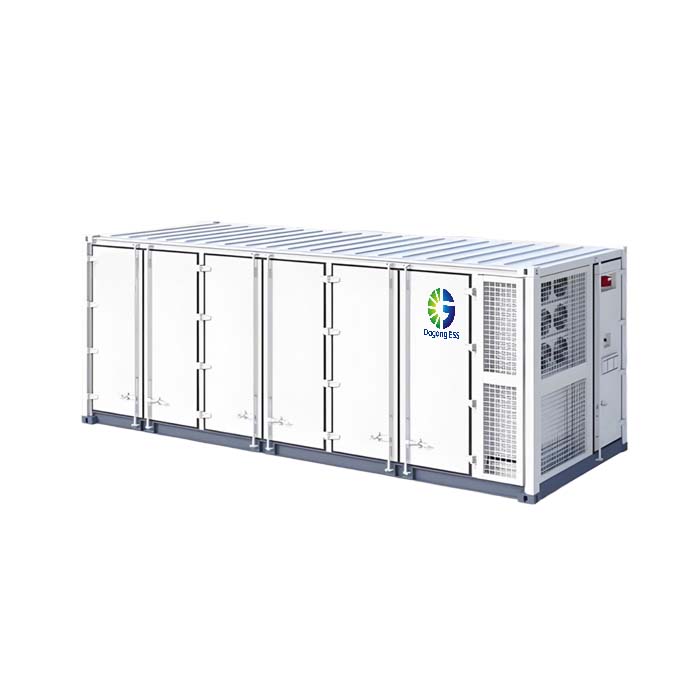
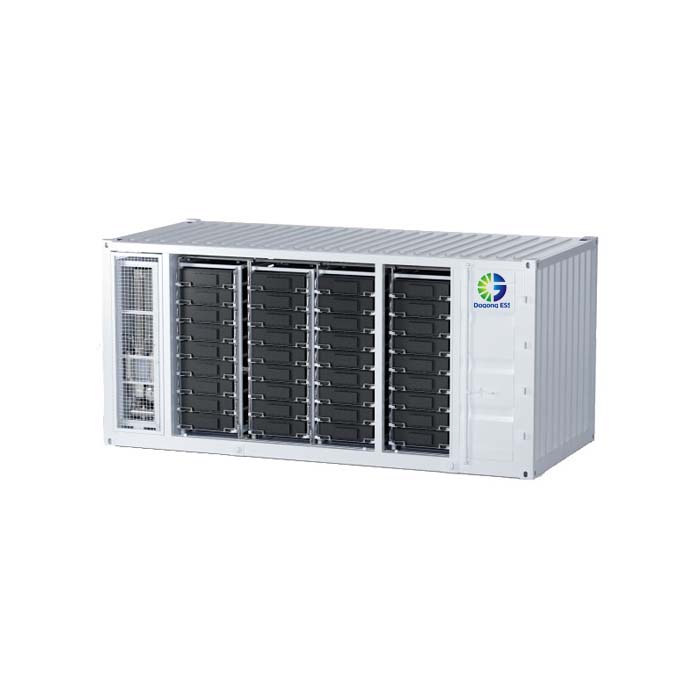
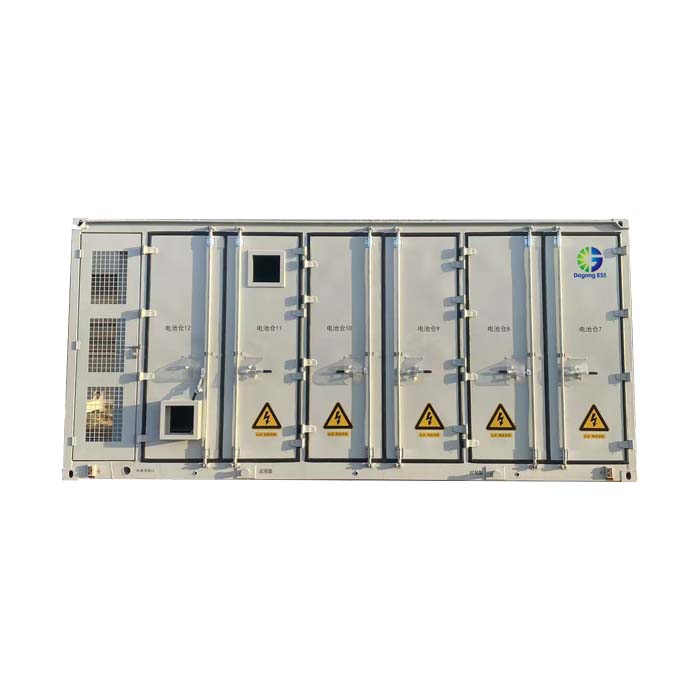
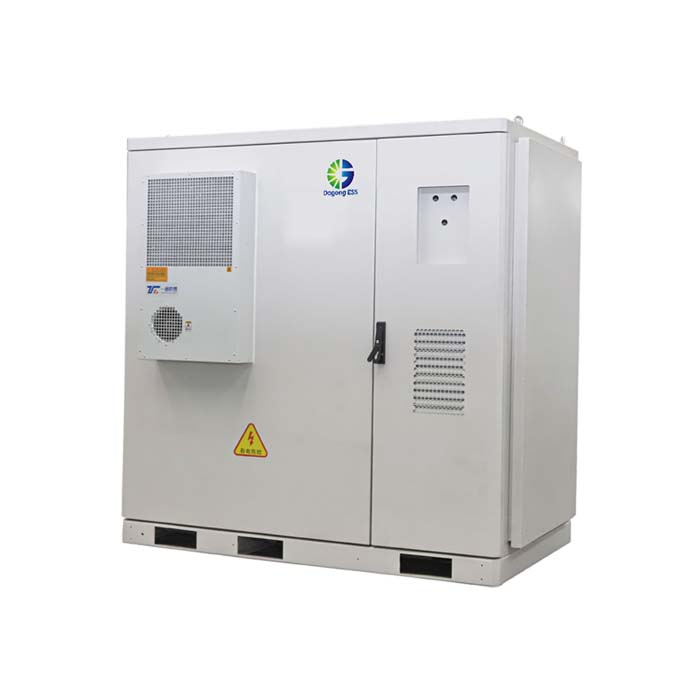
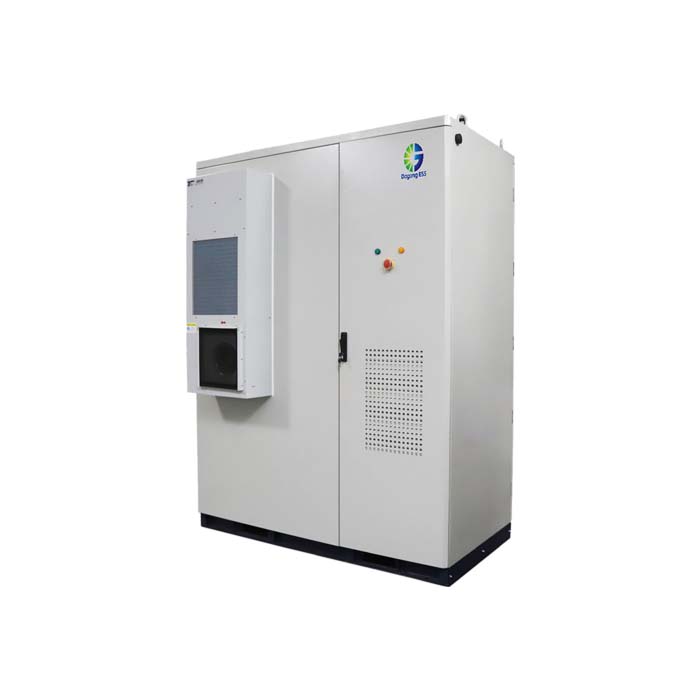
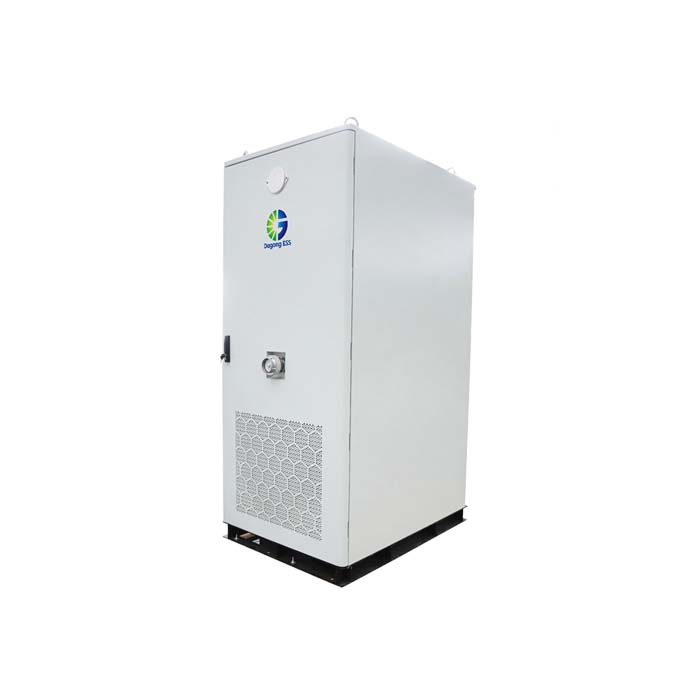
Solutions ranging from 5kWh to 80kWh are now available, including wall-mounted, rack-mounted, and stackable configurations. For example, Dagong ESS provides flexible residential storage systems suitable for a wide range of applications, supporting integration and expansion.
Residential Energy Storage Applications in the US
Residential ESS applications in the US extend beyond cost savings. In regions with high electricity prices, systems help optimize consumption. In areas prone to outages, they provide backup power. In VPP programs, they can generate additional income.
This multifunctional role makes energy storage a core component of modern home energy systems.
How to Choose the Right US Residential ESS System?
System selection in the US involves multiple considerations, including eligibility for tax incentives, compatibility with VPP platforms, safety standards, and scalability.
Homeowners are increasingly looking for systems that can adapt to future energy needs rather than just meeting current requirements. Modular and expandable designs are therefore becoming more attractive.
Investment Trends in the US Home Battery Market
The US residential energy storage market is evolving into an investment-driven sector. Policy incentives, pricing mechanisms, and market structures are aligning to create strong economic value for homeowners.
Dagong ESS offers residential energy storage solutions including 5kWh–10kWh wall-mounted systems, 5kWh–30kWh rack-mounted cabinets, and 5kWh–80kWh stackable systems, suitable for various residential applications and system integrations.
If you are interested in residential energy storage solutions in the US market, please contact Dagong ESS at sales@dagongess.com for more information.