
 WhatsApp
 sales@dagongess.com
 +86 18137952759
How to Deploy Industrial & Commercial Energy Storage in Southeast Asia’s Tropical Climate
What Are C&I Energy Storage Systems and Why Climate Matters?
Industrial and commercial energy storage systems (C&I ESS) are designed to support business operations by storing and dispatching electricity when it is most needed. They are widely used in factories, data centers, commercial buildings, and critical infrastructure where power reliability directly impacts productivity and safety.
In Southeast Asia, however, the conversation goes beyond capacity and cost. The region’s consistently high temperatures, elevated humidity levels, and coastal environmental conditions introduce additional stress on battery systems. Equipment that performs reliably in temperate climates may experience efficiency loss or accelerated degradation if not properly adapted. This is why climate-focused system design has become a defining factor in energy storage deployment across markets such as Indonesia, Thailand, Malaysia, and Singapore.
Choosing the Right Cooling Strategy: Air-Cooled or Liquid-Cooled?
One of the most important decisions in tropical projects is selecting the appropriate cooling method. While both air-cooled and liquid-cooled systems are widely used, their suitability depends heavily on the operating environment.
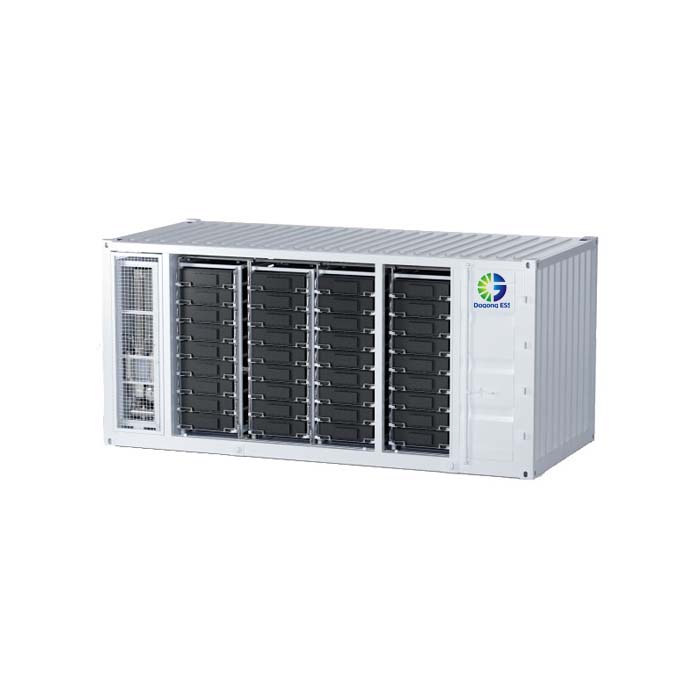
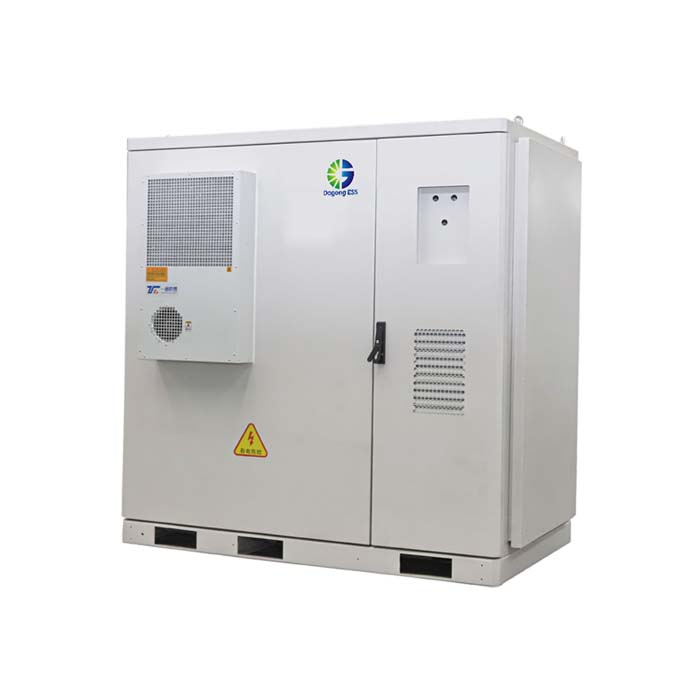
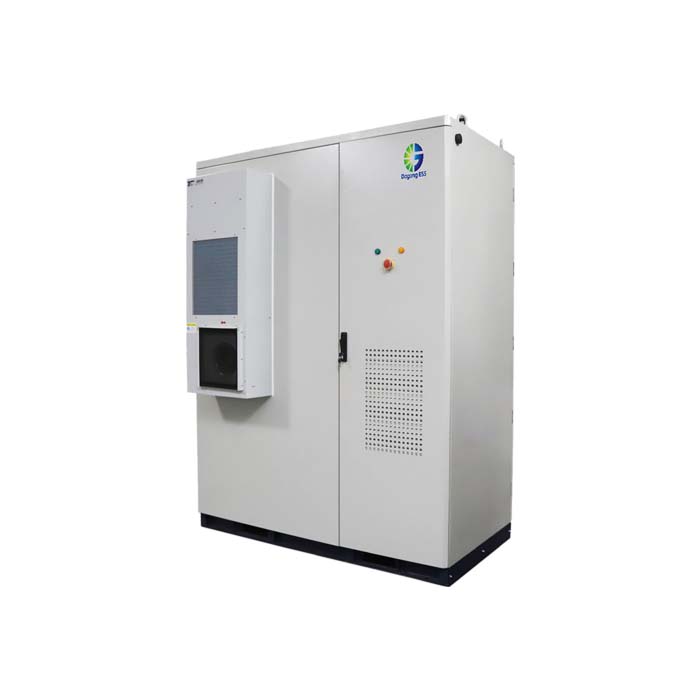
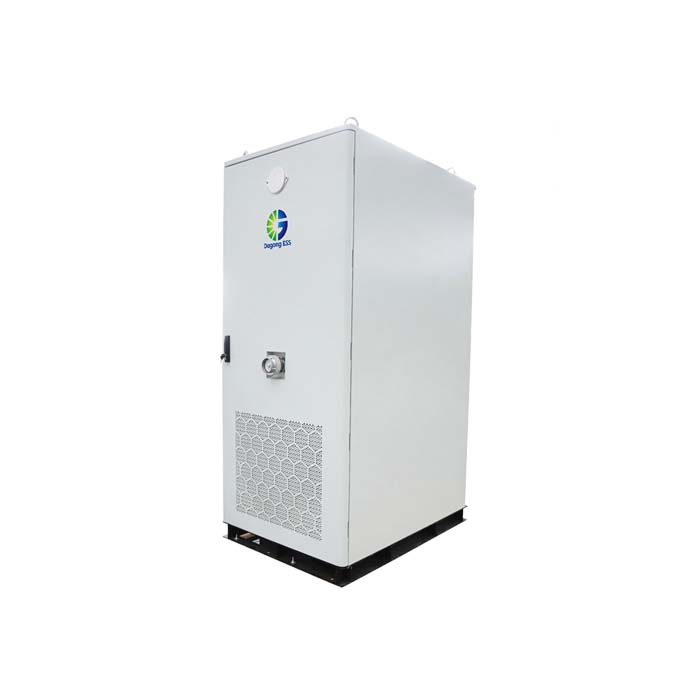
Air-cooled systems are often preferred in indoor or temperature-controlled settings due to their relatively simple structure and lower upfront cost. For example, solutions such as 100kWh–144kWh air-cooled ESS or 241kWh–416kWh air-cooled ESS are commonly deployed in commercial buildings or light industrial scenarios where ambient conditions can be managed.
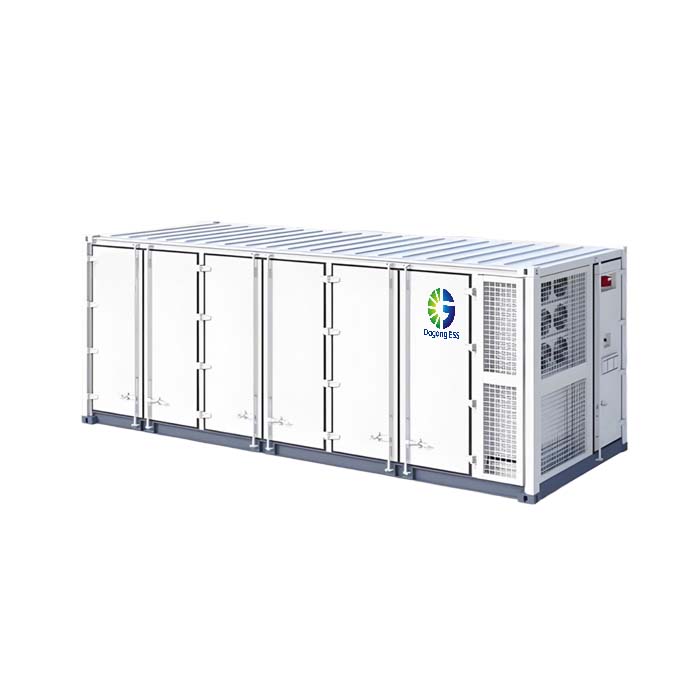
In contrast, liquid-cooled systems are designed to maintain stable internal temperatures regardless of external heat. This makes them particularly valuable in outdoor installations, high-load industrial environments, or facilities like data centers where thermal consistency is critical. Systems such as 215kWh liquid-cooled ESS and 372kWh liquid-cooled ESS provide better long-term performance and efficiency under continuous operation.
In practice, many Southeast Asian projects are gradually shifting toward liquid cooling, not because air-cooled systems are inadequate, but because the long-term reliability and lifecycle benefits often outweigh the higher initial investment.
Why LFP Battery Technology Is Better Suited for Tropical Environments
Battery chemistry plays a crucial role in determining system safety and durability. Lithium iron phosphate (LFP) batteries have become the preferred option for C&I energy storage in Southeast Asia, largely due to their inherent stability.
Unlike some other lithium-ion chemistries, LFP batteries maintain strong thermal stability even under high ambient temperatures. This reduces the risk of overheating and improves overall operational safety, particularly in dense urban installations. In addition, their long cycle life—often exceeding 8,000 charge-discharge cycles—makes them well suited for industrial applications that require frequent and consistent usage.
Another advantage is their ability to deliver stable performance in hot climates without significant degradation. This reliability, combined with a typical lifespan of more than 15 years, aligns well with the long-term investment expectations of commercial and industrial users.
Designing for High Temperature and Humidity Conditions
Deploying energy storage in tropical regions requires more than just selecting the right battery—it involves a system-level approach to environmental resilience.
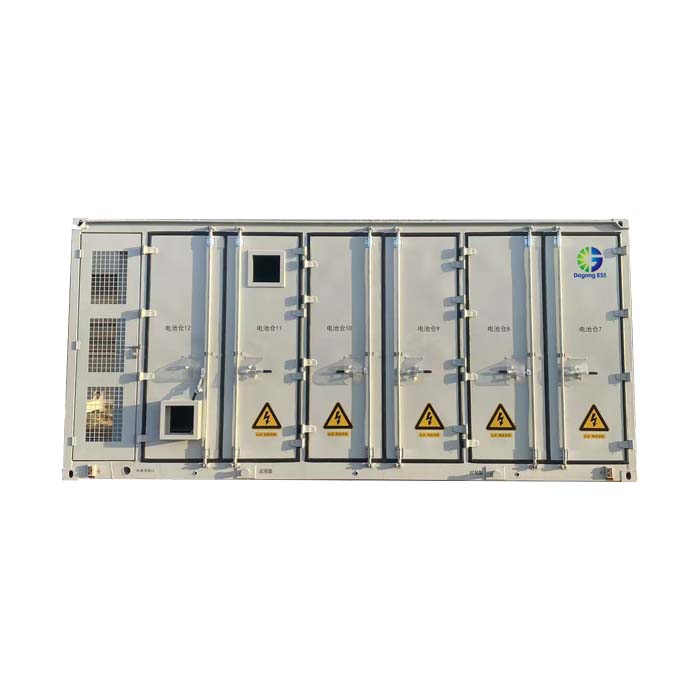
Modern C&I ESS solutions are engineered to operate across a wide temperature range, often from -20°C to 55°C, while maintaining stability in humidity levels as high as 95% (non-condensing). Enclosures are typically reinforced with corrosion-resistant materials to withstand coastal conditions, and internal systems are sealed to protect against moisture and dust.
Equally important is intelligent thermal management. Advanced systems continuously monitor environmental conditions and adjust cooling performance in real time, ensuring that batteries operate within optimal temperature ranges. This not only improves efficiency but also extends the overall lifespan of the system.
Applications Across Southeast Asia’s Key Industries
As energy demand grows across Southeast Asia, C&I energy storage systems are being adopted in a wide range of industries, each with its own operational priorities.
In data centers—particularly in Singapore—energy storage plays a critical role in maintaining uptime and protecting sensitive equipment from grid instability. Liquid-cooled systems are often the preferred choice here due to their ability to deliver consistent performance under continuous load.
Manufacturing facilities in countries like Indonesia and Thailand use energy storage to stabilize power quality and reduce peak demand charges. This helps avoid production disruptions while improving overall energy efficiency.
Commercial buildings, including shopping malls and office complexes, are increasingly integrating storage systems to manage peak electricity costs and provide backup power for essential systems. At the same time, telecommunications infrastructure across remote areas relies on compact storage solutions to reduce dependence on diesel generators and ensure continuous operation.
Understanding Total Cost of Ownership (TCO)
In tropical markets, evaluating an energy storage system based solely on initial cost can be misleading. Businesses are increasingly focusing on total cost of ownership, which provides a more accurate picture of long-term value.
This includes not only the upfront investment and installation costs, but also ongoing maintenance, system efficiency, and expected lifespan. For example, while liquid-cooled systems typically require a higher initial investment, their improved thermal control can lead to better performance stability and lower degradation over time—ultimately delivering stronger returns.
When analyzed over a 5–10 year period, factors such as energy savings, reduced peak demand charges, and system durability often outweigh initial price differences.
How to Select the Right System for Your Project
Choosing the right C&I energy storage system involves balancing technical requirements with operational realities. The starting point is understanding your facility’s load profile—how much power is needed and for how long. From there, environmental conditions, installation location, and future expansion plans all come into play.
Scalability is particularly important in fast-growing markets. Many modern systems adopt modular architectures, allowing capacity to be expanded without replacing the entire system. Interestingly, this design philosophy is also reflected in smaller-scale solutions. For example, 5kWh to 80kWh Stackable Household Energy Storage Systems demonstrate how modular expansion can provide flexibility over time—an approach increasingly mirrored in commercial applications.
Equally important is ensuring compliance with local grid regulations and considering how the system will be maintained over its lifecycle. Whether managed in-house or through a service provider, a clear maintenance strategy helps ensure long-term performance.
How Long Do C&I Energy Storage Systems Last?
With proper system design and maintenance, modern LFP-based C&I energy storage systems can operate reliably for more than 15 years. Their high cycle life supports frequent usage without significant degradation, making them suitable for demanding industrial applications.
Routine maintenance—such as thermal system checks and software updates—plays an important role in preserving system performance. When properly managed, these systems provide stable, predictable operation throughout their lifecycle.
Market Outlook: Strong Growth Across Southeast Asia
Southeast Asia is emerging as one of the fastest-growing regions for energy storage deployment. Rapid industrialization, increasing electricity demand, and the expansion of renewable energy are all driving adoption.
As grid infrastructure continues to evolve, energy storage will become an essential component in improving reliability, reducing costs, and supporting sustainable development. For businesses operating in this region, investing in climate-adapted energy storage is no longer optional—it is becoming a strategic necessity.
Deploying industrial and commercial energy storage systems in Southeast Asia requires a clear understanding of both technical and environmental factors. From selecting the right cooling technology to ensuring long-term system reliability, every decision plays a role in overall performance.
With properly designed solutions, businesses can achieve greater energy stability, reduce operational costs, and build resilience against an increasingly complex energy landscape.
If you are interested in industrial and commercial energy storage solutions, please contact Dagong ESS.
Email: sales@dagongess.com
Website: www.dagongess.com