
 WhatsApp
 sales@dagongess.com
 +86 18137952759
How to Choose Between Air Cooling and Liquid Cooling ESS: A Practical Guide for Energy Storage Projects
Why Cooling Method Matters in Energy Storage Systems
In energy storage system design, the cooling method is often treated as a secondary consideration. In reality, it directly affects system performance, safety, lifespan, and even long-term return on investment.
As lithium battery systems become more compact and energy-dense, thermal management becomes increasingly critical. Heat generated during charge and discharge cycles must be effectively controlled. If not, it can lead to uneven cell aging, reduced efficiency, and in extreme cases, safety risks.
This is where the choice between air cooling and liquid cooling becomes important. Each approach has its strengths, limitations, and ideal use cases. Selecting the right one is not simply a technical decision—it is a balance between performance requirements, environmental conditions, and project economics.
Understanding Air-Cooled ESS
Air cooling remains the most widely used thermal management method, especially in residential and small-to-medium commercial projects.
In an air-cooled system, heat is transferred from battery cells to the surrounding structure and then removed through airflow. Fans draw in ambient air, circulate it through the system, and expel warm air.
One of the main advantages of air cooling is its simplicity. The system design is straightforward, with fewer components compared to liquid cooling. This translates into lower upfront costs and easier maintenance.
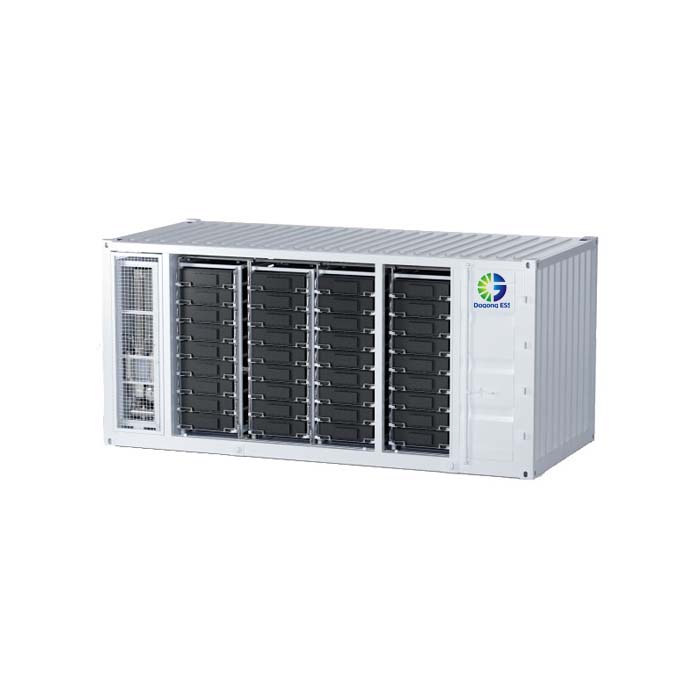
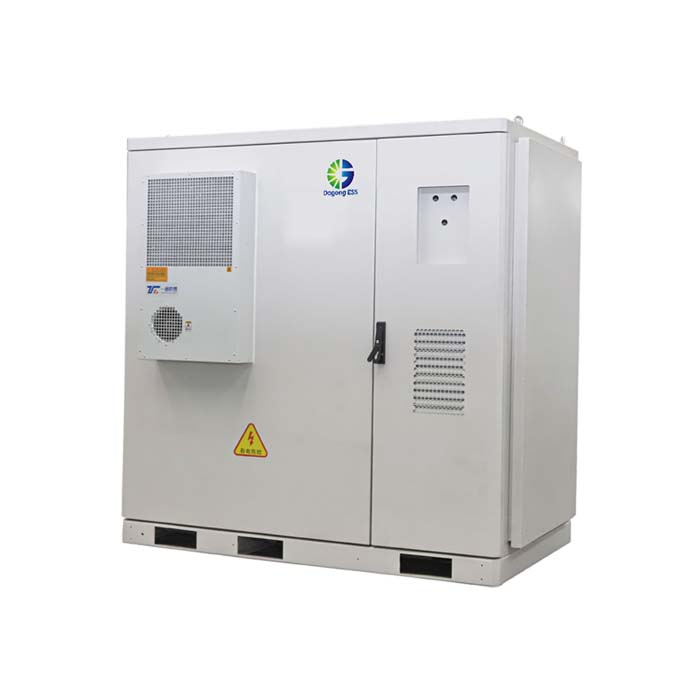
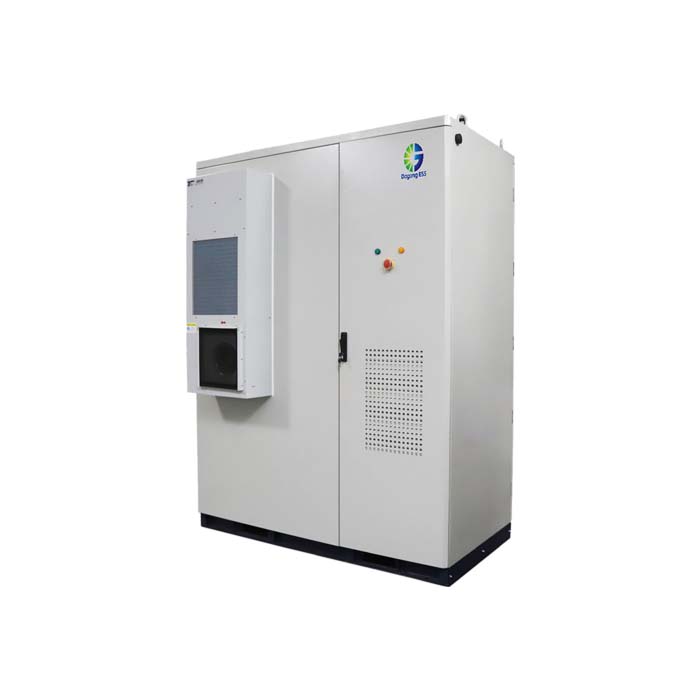
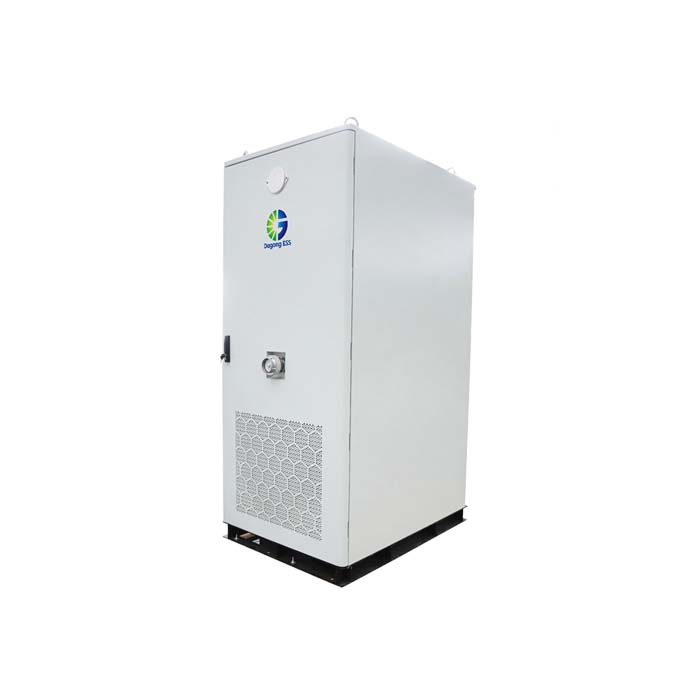
Air-cooled systems such as 100kWh–144kWh and 215kWh–416kWh configurations are commonly deployed in commercial and industrial applications where cost sensitivity is a key factor.
However, air cooling has limitations. Its heat transfer efficiency is lower than that of liquid cooling, and performance can be affected by ambient temperature. In hot climates or high-density systems, it may struggle to maintain uniform temperature distribution across all cells.
Understanding Liquid-Cooled ESS
Liquid cooling has become increasingly common in high-performance and large-scale energy storage systems.
Instead of relying on air, these systems use a coolant that circulates through channels or cooling plates in direct contact with battery modules. Heat is absorbed by the liquid and transferred away through a closed-loop system.
This method offers significantly higher heat transfer efficiency. More importantly, it allows for precise temperature control, which is essential for maintaining consistent performance across large numbers of battery cells.
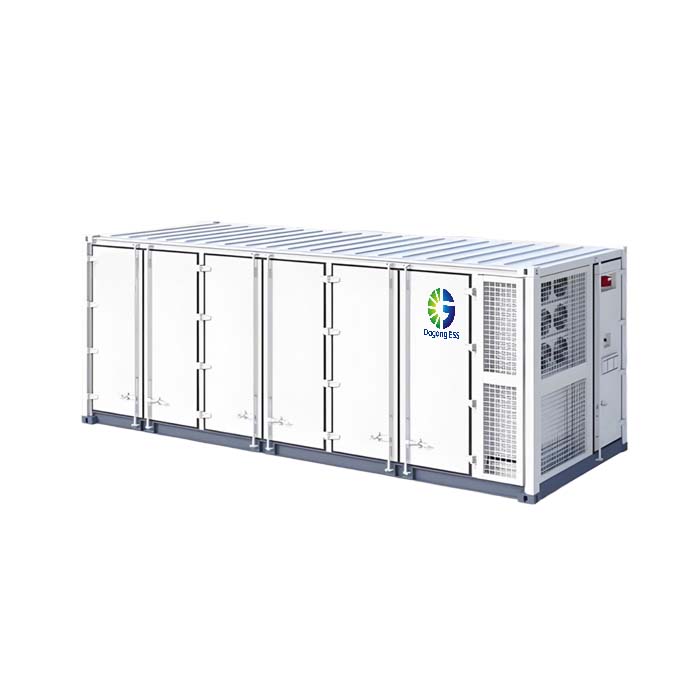
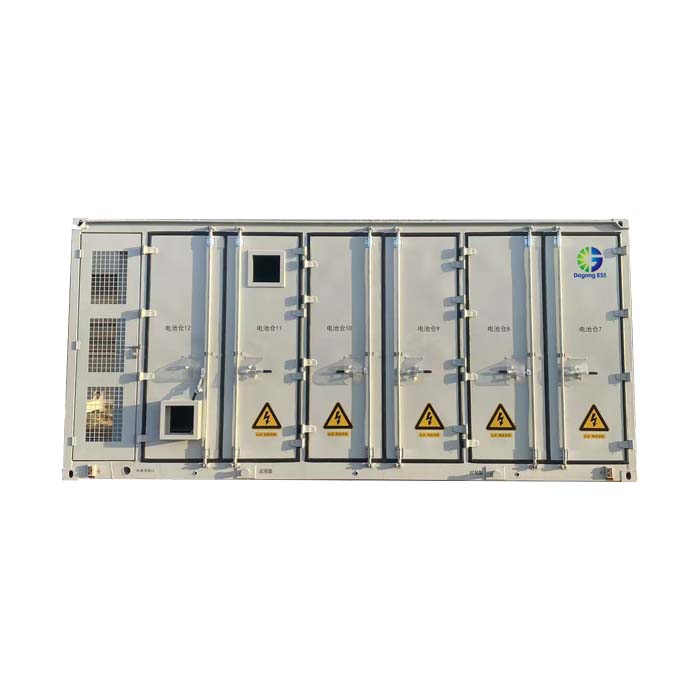
Systems such as 241kWh and 372kWh liquid-cooled ESS, as well as containerized solutions like 5MWh systems, are designed for applications where performance and reliability are critical.
The trade-off is complexity. Liquid cooling systems require additional components such as pumps, heat exchangers, and control systems, leading to higher initial investment and more sophisticated maintenance requirements.
Key Differences That Influence Decision-Making
The choice between air cooling and liquid cooling is rarely based on a single factor. Instead, it involves evaluating several technical and operational considerations.
Temperature control is one of the most important differences. Liquid cooling provides more uniform temperature distribution, reducing thermal gradients within the battery pack. This leads to more consistent cell performance and slower degradation.
Energy density is another factor. As systems become more compact, the amount of heat generated per unit volume increases. Liquid cooling is better suited to handle this, while air cooling may reach its limits.
Environmental conditions also play a role. In regions with high ambient temperatures, air-cooled systems may struggle to dissipate heat effectively. Liquid cooling systems, on the other hand, are less affected by external temperature fluctuations.
Maintenance and operational complexity must also be considered. Air-cooled systems are easier to install and maintain, making them attractive for projects with limited technical resources.
Cost Considerations: Short-Term vs Long-Term
From an initial investment perspective, air-cooled systems are generally more cost-effective. They require fewer components and simpler system integration.
However, focusing only on upfront cost can be misleading. Over the lifecycle of an energy storage system, factors such as efficiency, maintenance, and battery degradation become more significant.
Liquid-cooled systems, while more expensive initially, often deliver better long-term value. By maintaining stable temperatures, they reduce battery wear and extend system lifespan. This can lead to lower total cost of ownership over time.
For projects with high utilization rates, the long-term benefits of liquid cooling often outweigh the higher initial investment.
Application-Based Selection
In practice, the choice between air cooling and liquid cooling is often determined by application scenarios.
Residential systems and small commercial installations typically favor air cooling due to its simplicity and lower cost. These systems operate at moderate power levels and do not require advanced thermal control.
Commercial and industrial projects fall somewhere in between. For moderate loads and controlled environments, air-cooled systems such as 100kWh–416kWh solutions can perform reliably. For higher loads or demanding conditions, liquid-cooled systems become a more suitable choice.
Utility-scale and containerized systems almost always use liquid cooling. At this scale, the need for precise temperature control and high energy density makes liquid cooling the preferred option.
Making the Right Choice for Your Project
Selecting the appropriate cooling method requires a clear understanding of project requirements.
Start by evaluating system size and energy density. Larger systems with higher density typically benefit from liquid cooling.
Next, consider environmental conditions. High temperatures or limited ventilation may favor liquid-cooled solutions.
Operational requirements should also be taken into account. Systems with frequent cycling or high utilization rates require more robust thermal management.
Finally, consider long-term goals. If the project prioritizes lifespan and performance stability, investing in liquid cooling may provide better returns.
The choice between air cooling and liquid cooling in energy storage systems is not about which technology is better, but which is more suitable for a given application.
Air cooling offers simplicity and cost advantages, making it ideal for smaller and less demanding projects. Liquid cooling provides superior thermal performance and long-term reliability, making it the preferred option for high-density and large-scale systems.
Dagong ESS offers both air-cooled and liquid-cooled solutions across residential, commercial, and utility-scale applications, allowing project developers to select the most appropriate system based on their specific needs.