
 WhatsApp
 sales@dagongess.com
 +86 18137952759
How Virtual Power Plants Are Reshaping Battery Storage Value in Australia Keywords:
What Is a Virtual Power Plant and Why It Changes the Game?
A Virtual Power Plant (VPP) is not just a technical innovation—it represents a fundamental shift in how energy storage systems generate value. By connecting distributed assets such as rooftop solar systems and battery storage units into a cloud-managed network, VPPs allow thousands of small systems to operate as a unified power plant.
In Australia, this model is particularly impactful due to the widespread adoption of rooftop solar. While millions of households already produce solar energy, without storage they cannot fully control when and how that energy is used. VPP integration solves this limitation by enabling households to store, optimize, and trade electricity based on real-time market conditions.
This transforms battery storage from a passive backup solution into an active revenue-generating asset.
From Cost Saving to Revenue Generation: The New ROI Model
Traditionally, residential battery systems were valued primarily for reducing electricity bills through self-consumption. However, VPP participation introduces a second income layer—energy trading and grid service compensation.
Instead of exporting excess solar energy at low feed-in tariffs, households can now:
Store energy when prices are low
Discharge during peak demand periods
Receive premium payments through VPP programs
Some Australian VPP programs offer significantly higher returns compared to standard feed-in tariffs, allowing households to generate hundreds of dollars annually in additional income. This dual-benefit model—cost reduction + revenue generation—is fundamentally reshaping the return on investment for battery storage systems.
Types of Battery Storage Systems for VPP Participation
Selecting the right battery system is critical for maximizing VPP benefits. Different system configurations serve different use cases:
Residential Systems
Residential energy storage systems typically range from 5kWh to 30kWh and are optimized for solar self-consumption and VPP participation.
Modular solutions such as 5kWh to 80kWh Stackable Household Energy Storage Systems provide a flexible pathway for homeowners. These systems allow users to start with a smaller capacity and expand over time, making them ideal for evolving energy needs, including electric vehicle charging or full home electrification.
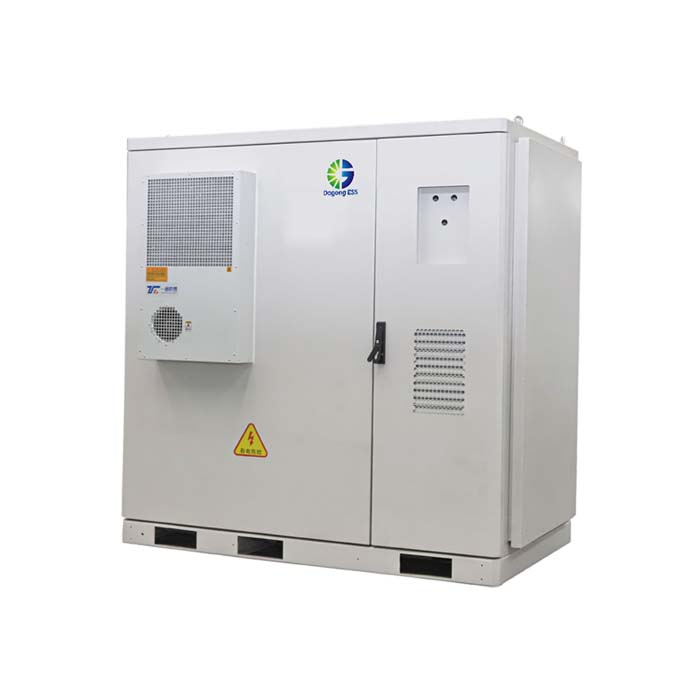
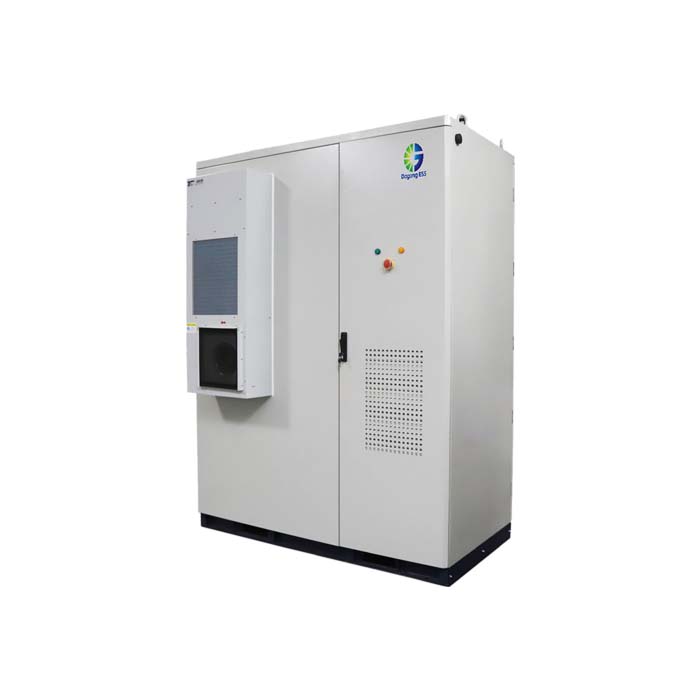
For businesses, larger systems such as 100kWh–416kWh air-cooled or liquid-cooled ESS solutions are used for demand charge management, peak shaving, and participation in grid services.
Utility-Scale Systems
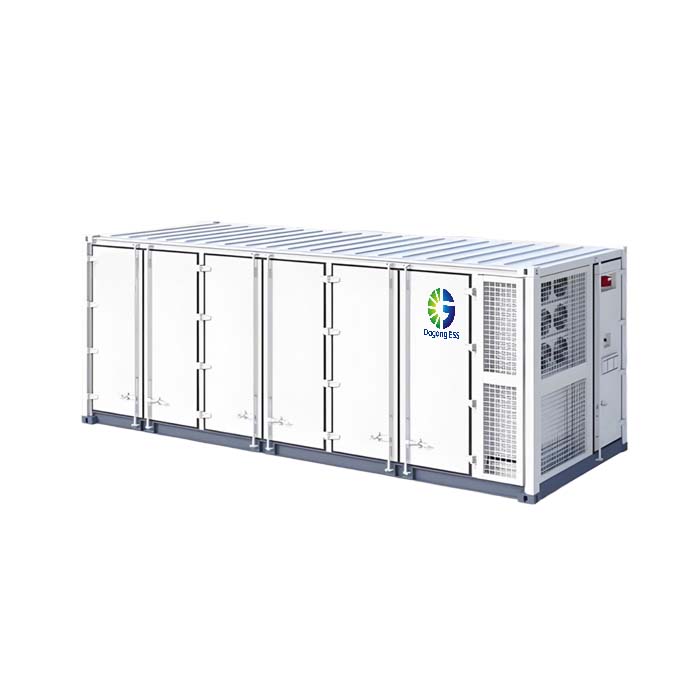
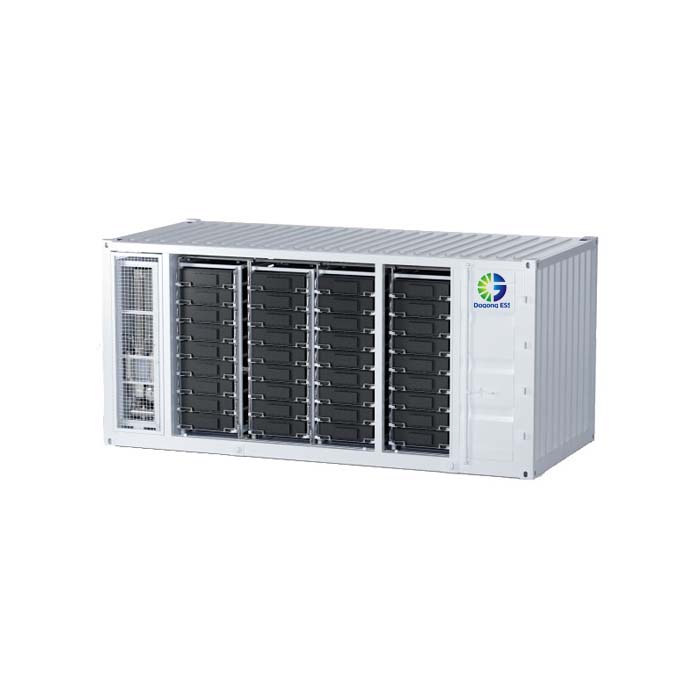
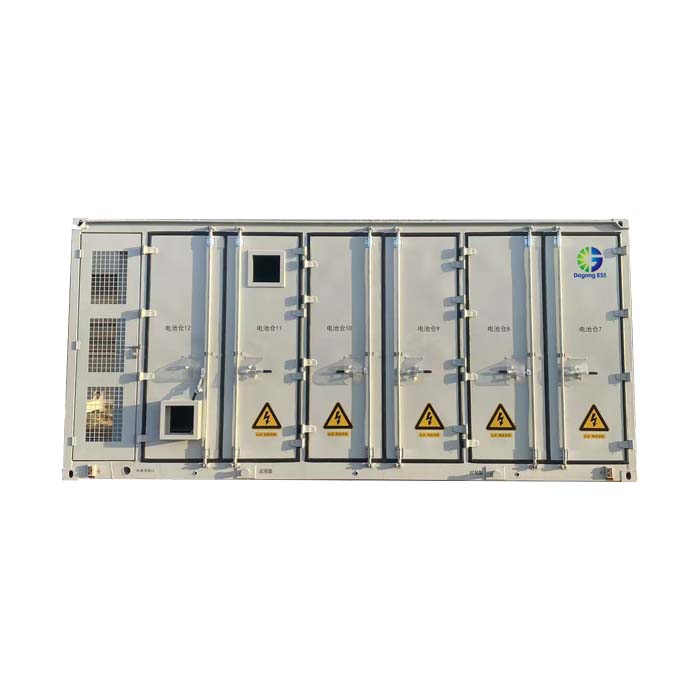
Containerized energy storage systems in the MWh range support large-scale VPP aggregation and provide ancillary services to the grid.
Key Features of VPP-Ready Battery Systems
Modern battery systems designed for VPP integration share several important characteristics:
Advanced Energy Management Systems (EMS): Enable real-time optimization based on electricity prices and grid signals
High Cycle Life: LFP batteries offering 8,000+ cycles ensure long-term participation viability
Smart Connectivity: Seamless integration with VPP platforms and utility networks
Modular Scalability: Expandable capacity for both residential and commercial users
Grid Services Capability: Support for frequency regulation, demand response, and voltage stabilization
These features ensure that battery systems can operate efficiently not only as storage devices but also as active grid assets.
Why LFP Battery Technology Is Preferred for VPP Systems
Lithium iron phosphate (LFP) batteries are particularly well-suited for VPP applications due to their durability and safety under frequent cycling conditions.
Long Lifespan: 8,000+ cycles support continuous charge/discharge operations required in VPPs
High Safety: Strong thermal stability reduces operational risks
High Efficiency: Maximizes usable energy during frequent dispatch cycles
Low Degradation: Minimal annual capacity loss even under active grid participation
These advantages make LFP batteries the dominant technology choice for both residential and commercial VPP systems.
Applications of VPP Battery Storage in Australia
VPP-enabled battery systems are widely applied across multiple sectors:
Residential Energy Trading: Households earn revenue while reducing electricity bills
Commercial Demand Response: Businesses optimize energy costs and support grid stability
Community Battery Programs: Shared infrastructure improves energy access for non-solar households
Grid Balancing: Distributed storage stabilizes supply during peak demand periods
This broad applicability highlights the growing importance of distributed energy resources in Australia’s energy ecosystem.
Price of VPP Battery Systems
The cost of battery storage systems varies depending on capacity, configuration, and application scenario. In Australia, government incentives and VPP participation programs significantly reduce upfront investment costs while improving long-term returns.
Rather than focusing solely on initial cost, investors increasingly evaluate total lifecycle value, including energy savings, VPP revenue, and system lifespan.
How to Select the Right Battery for VPP Integration
Choosing a VPP-compatible battery system requires careful consideration of several factors:
Platform Compatibility: Ensure integration with major VPP providers
Capacity Planning: Match system size with energy consumption and future demand
Cycle Life and Warranty: Prioritize long-life systems for sustained participation
Thermal Management: Essential for performance in diverse Australian climates
Certification Standards: Look for CE, UN38.3, and other relevant certifications
A well-matched system can significantly enhance both financial returns and operational efficiency.
How Long Do VPP Battery Systems Last?
High-quality LFP battery systems typically operate for 10–15 years, with minimal degradation under VPP usage conditions. Advanced battery management systems ensure optimized cycling, preserving long-term performance even under frequent dispatch scenarios.
The Future of VPP and Energy Storage in Australia
As regulatory frameworks evolve, VPPs are increasingly allowed to participate directly in wholesale electricity markets. This shift enhances the economic value of distributed storage and accelerates adoption.
With millions of solar-equipped homes ready for battery integration, Australia is positioned to become a global leader in decentralized energy systems.
Battery storage is no longer just about backup power—it is becoming a core component of a dynamic, revenue-generating energy ecosystem.
Virtual Power Plants are redefining the role of battery storage in Australia. By combining energy savings with revenue generation, VPPs significantly improve the value proposition of residential and commercial energy storage systems.
As technology matures and market participation expands, battery storage will continue to evolve from a supporting technology into a central pillar of modern energy infrastructure.
If you are interested in VPP-ready energy storage solutions, please contact Dagong ESS.
Email: sales@dagongess.com
Website: www.dagongess.com