
 WhatsApp
 sales@dagongess.com
 +86 18137952759
How OpenClaw Is Driving Global Demand for Energy Storage What Is OpenClaw?
As artificial intelligence enters a new phase of development, AI is evolving from simple conversational tools into systems capable of executing tasks autonomously. In this context, OpenClaw has recently attracted significant attention as an open-source AI agent framework.
The core concept behind OpenClaw is to enable AI not only to answer questions but also to perform complex tasks automatically. By integrating large language models with external tools, OpenClaw can execute multi-step operations such as organizing data, monitoring systems, analyzing information, sending reports, and coordinating workflows across multiple applications.
Unlike traditional chatbots, AI agents function more like continuously running digital assistants. They can operate 24 hours a day and automate large volumes of repetitive tasks. While this dramatically improves productivity, it also means continuous computing demand.
As more companies begin deploying AI agent systems, the computing infrastructure behind them—especially data centers—is expanding rapidly. This expansion is also creating new challenges for the global energy system.
AI Computing Growth and Electricity Demand
Training and running artificial intelligence models require substantial computing resources. With the rapid adoption of large language models and AI agent technologies, electricity demand in data centers is increasing at an unprecedented rate.
The growth of AI computing demand is driven by several factors.
First, continuous AI inference workloads. AI agents often operate continuously and process data requests from multiple systems.
Second, enterprise automation systems. Businesses are increasingly using AI for automated operations such as customer service, market analysis, and supply chain management.
Third, edge AI deployment. To improve privacy and response speed, some companies deploy AI systems on local infrastructure, further increasing overall computing demand.
As AI applications scale globally, electricity consumption in data centers continues to rise. Industry analysts predict that AI data centers will become one of the fastest-growing sources of electricity demand in the coming decade.
Under these conditions, reliable and efficient energy infrastructure becomes essential, and energy storage systems are emerging as a key solution.
Why AI Data Centers Need Energy Storage Systems
AI data centers not only require large amounts of electricity but also demand extremely stable power supply. Even brief power fluctuations can lead to server interruptions, data loss, or system failures.
Energy storage systems play several important roles in addressing these challenges.
The first is peak shaving. During periods of high workload, AI data centers experience power consumption peaks. Energy storage systems can discharge electricity during these peaks to reduce grid pressure.
The second is backup power. Energy storage can instantly supply electricity during grid failures, ensuring that critical equipment continues operating.
The third is renewable energy integration. Many technology companies are adopting solar or wind power for their data centers. Energy storage helps balance the intermittency of renewable energy sources.
Through these functions, energy storage improves operational stability while also helping companies reduce electricity costs and achieve sustainability goals.
Types of Energy Storage Systems for AI Infrastructure
Different scales of AI infrastructure require different types of energy storage solutions.
1. Commercial and Industrial Energy Storage
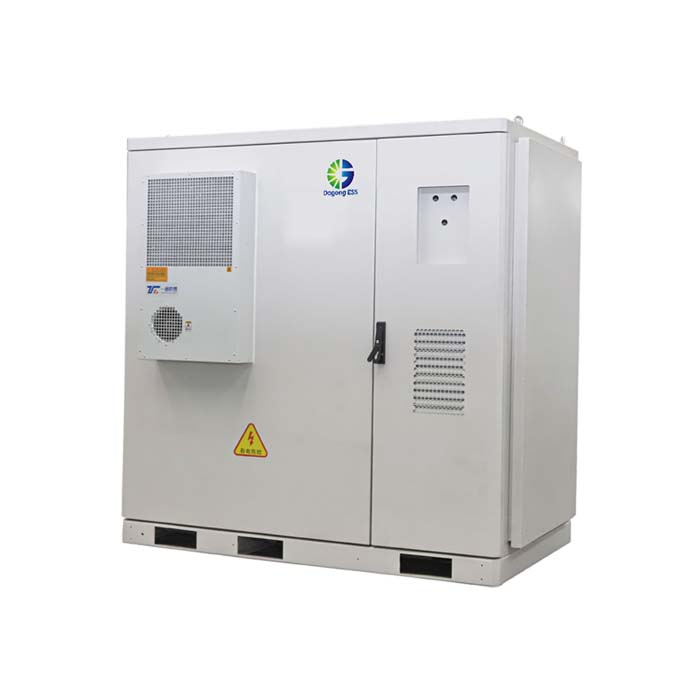
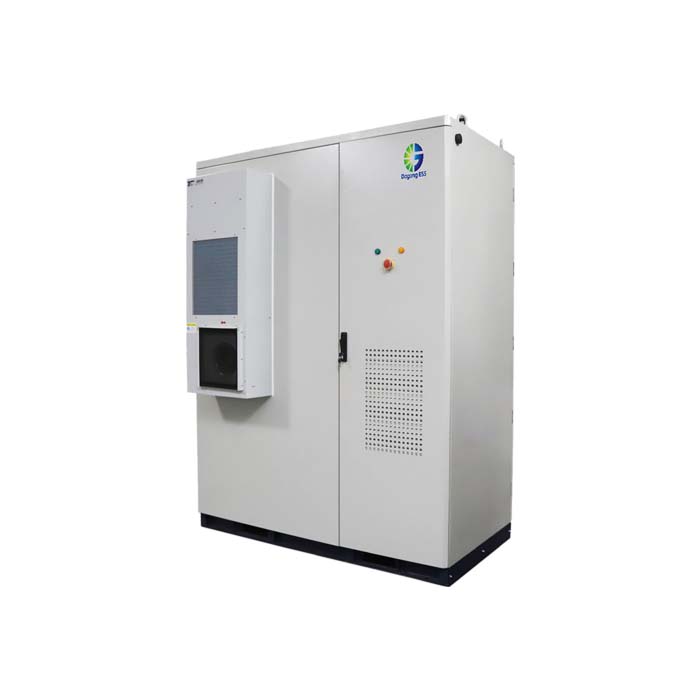
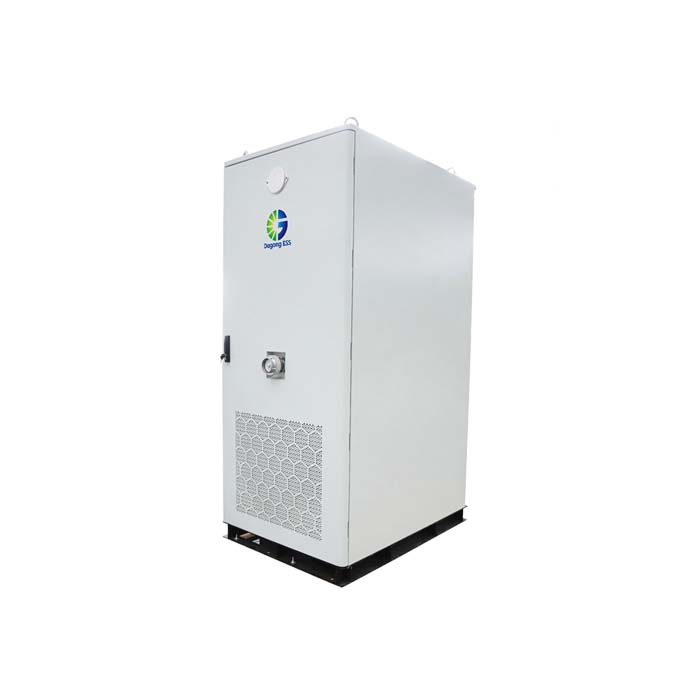
For medium-scale computing centers or enterprise data centers, modular systems such as:
100kWh–144kWh Air-Cooled ESS
provide flexible capacity expansion and support microgrid operation.
2. Liquid-Cooled Energy Storage
In high-power computing environments, liquid-cooled storage systems offer better thermal performance, including:
241kWh Liquid-Cooled ESS
372kWh Liquid-Cooled ESS
Liquid cooling enhances system stability and extends battery lifespan.
3. Containerized Energy Storage
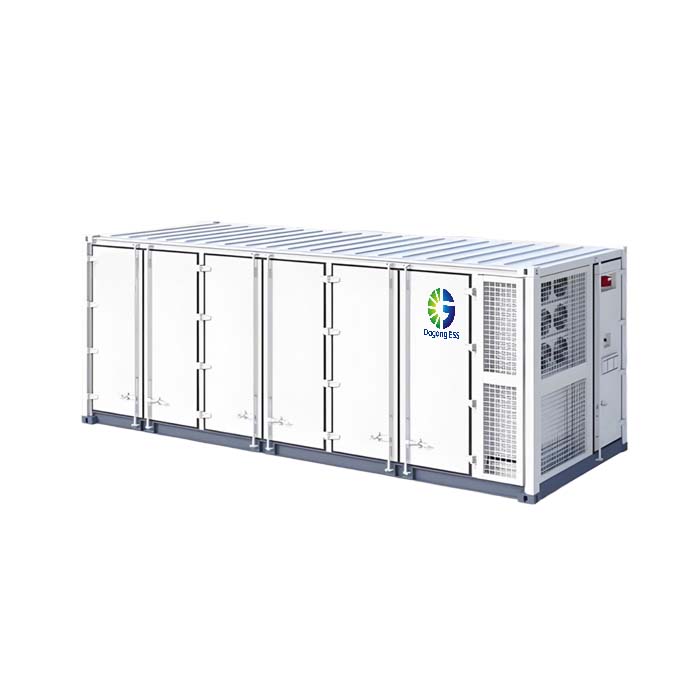
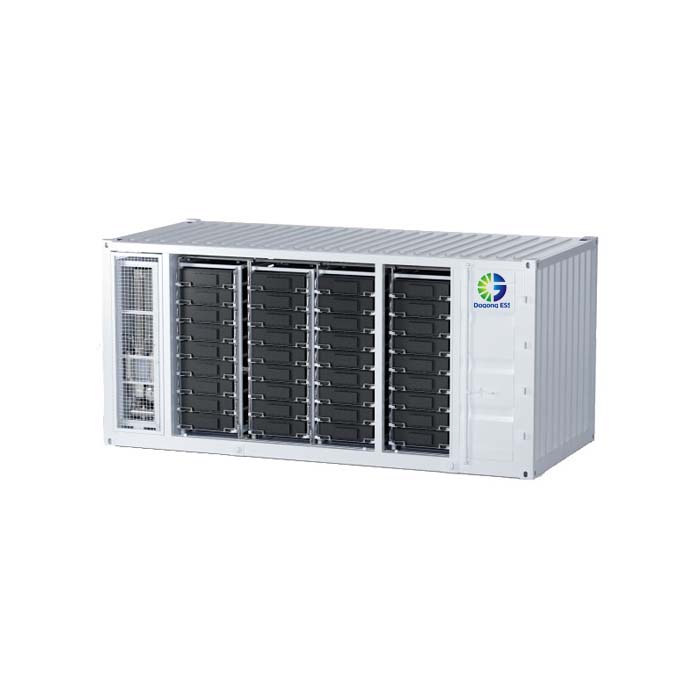
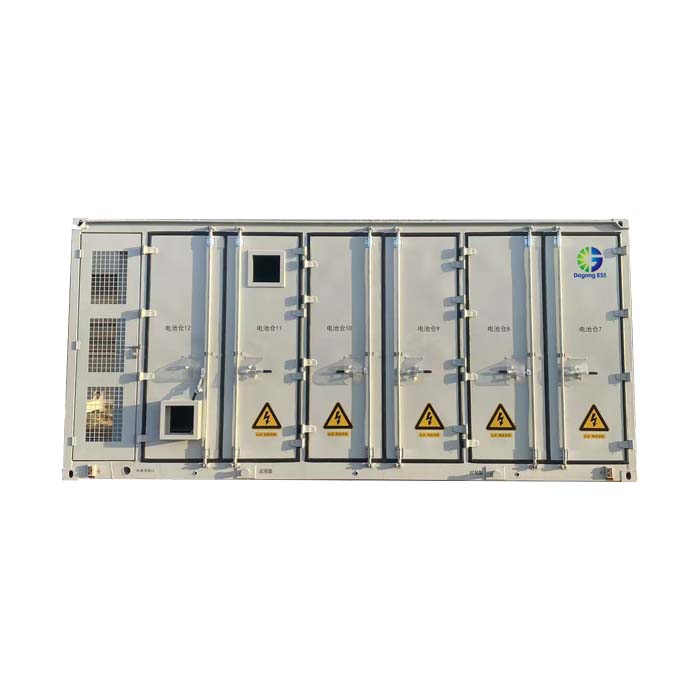
Large AI data centers or computing campuses may deploy large-scale storage systems such as:
These systems support large-scale power management and grid integration.
How Long Do Energy Storage Systems Last?
Modern battery energy storage systems commonly use lithium iron phosphate (LFP) battery technology, known for its safety and long lifecycle.
Typical performance indicators include:
More than 8000 charge cycles
Over 15 years of service life
Advanced battery management systems monitor temperature, voltage, and current to ensure safe operation.
For critical infrastructure such as AI data centers, reliability and long operational life are essential.
The Future of AI and Energy Infrastructure
The rapid development of AI agent technologies like OpenClaw signals the arrival of an automation era. AI will not only transform software industries but also reshape global energy systems.
As computing demand continues to grow, energy supply will become one of the key factors influencing the future of AI development.
Energy storage systems will play an increasingly important role by:
stabilizing power supply for data centers
supporting renewable energy integration
reducing energy costs
improving energy efficiency
In the digital economy of the future, computing power and energy storage will become deeply interconnected infrastructures.
If you are interested in energy storage products, please contact Dagong ESS.Email: sales@dagongess.com