
 WhatsApp
 sales@dagongess.com
 +86 18137952759
How Medium-Voltage Direct-Connected Energy Storage Is Reshaping Grid-Scale ESS Architecture
What Is Driving the Shift Toward Medium-Voltage Energy Storage Systems?
The evolution of power systems is no longer driven only by energy capacity expansion, but by grid adaptability, conversion efficiency, and real-time controllability. As renewable penetration continues to increase globally, traditional low-voltage, transformer-based energy storage architectures are beginning to show limitations in scalability and efficiency.
Conventional energy storage systems typically rely on low-voltage battery strings connected in parallel and then boosted through step-up transformers. While this structure is mature and widely deployed, it introduces multiple conversion stages, higher losses, and more complex system integration.
In contrast, medium-voltage direct-connected energy storage architectures eliminate intermediate voltage transformation stages, enabling a more streamlined and efficient grid interface. This structural shift is becoming a key direction in utility-scale ESS design.
How Medium-Voltage Direct-Connected ESS Architecture Works
A medium-voltage direct-connected energy storage system integrates multiple battery clusters with power conversion units that directly interface with medium-voltage grids (typically 6kV–35kV levels depending on application).
Instead of relying on a centralized transformer, the system distributes conversion functions across modular power units. Each battery cluster operates in coordination with a dedicated conversion stage, forming a chain-like or modular high-voltage output structure.
This architecture enables:
Direct grid connection without traditional step-up substations
Distributed power conversion across multiple battery clusters
High synchronization between energy modules
Reduced energy conversion stages
This approach fundamentally changes how large-scale storage plants are designed and operated.
Key Engineering Advantages of Medium-Voltage ESS Systems
1. Higher System Efficiency Through Fewer Conversion Stages
By eliminating transformer-based voltage boosting, medium-voltage ESS significantly reduces conversion losses. System efficiency can approach near-ideal levels in optimized configurations, improving overall energy utilization across charge-discharge cycles.
This is particularly important in applications requiring frequent cycling, such as frequency regulation and renewable smoothing.
2. Improved Grid Responsiveness and Stability
Because power conversion is distributed across multiple modules, response time to grid commands becomes faster and more synchronized.
This allows energy storage systems to:
Respond to frequency deviations in milliseconds
Provide coordinated active and reactive power support
Reduce oscillation effects in weak grids
For modern power systems with high renewable penetration, this responsiveness is critical for maintaining stability.
3. Enhanced Safety Through Distributed Monitoring
Medium-voltage architectures typically incorporate granular monitoring at the battery cluster or module level. This allows:
Real-time voltage and temperature tracking
Early fault detection
Cluster-level isolation in case of anomalies
In advanced implementations, thermal and electrical safety systems are further reinforced with multi-layer protection strategies, improving operational reliability in utility-scale environments.
4. Reduced Infrastructure and Lifecycle Cost
By removing traditional step-up substations, the system reduces:
Civil engineering requirements
Electrical infrastructure complexity
Long-distance cable losses
Over the lifecycle of a project, these reductions can significantly lower total cost of ownership, especially in large-scale deployments.
Key Technical Challenges in Medium-Voltage ESS Design
Despite its advantages, medium-voltage direct-connected ESS introduces several engineering challenges that must be addressed through advanced system design.
1. Insulation and High-Voltage Coordination
Operating at medium voltage requires careful insulation design, spacing optimization, and electrical field management to ensure system safety and long-term reliability.
2. Energy Balancing Across Battery Clusters
Since multiple battery clusters operate in coordination, maintaining consistent state-of-charge (SOC) becomes critical. Advanced balancing algorithms are required to ensure uniform performance and prevent overuse of specific modules.
3. Modular Fault Isolation and Redundancy
To maintain high availability, systems must support rapid isolation of faulty modules without shutting down the entire plant. This requires high-speed switching and intelligent control logic.
4. Thermal Uniformity in High-Density Systems
Large-scale energy storage systems generate significant thermal loads. Maintaining consistent temperature distribution across modules is essential for performance stability and lifecycle extension.
From Grid-Scale Systems to Commercial ESS: Technology Spillover
While medium-voltage direct-connected architecture is primarily used in utility-scale applications, its design principles are increasingly influencing commercial and industrial energy storage systems.
The same concepts—modularity, distributed control, and high-efficiency power conversion—are being adopted in smaller-scale ESS products.
For example, Dagong ESS applies similar system design logic across different capacity levels:
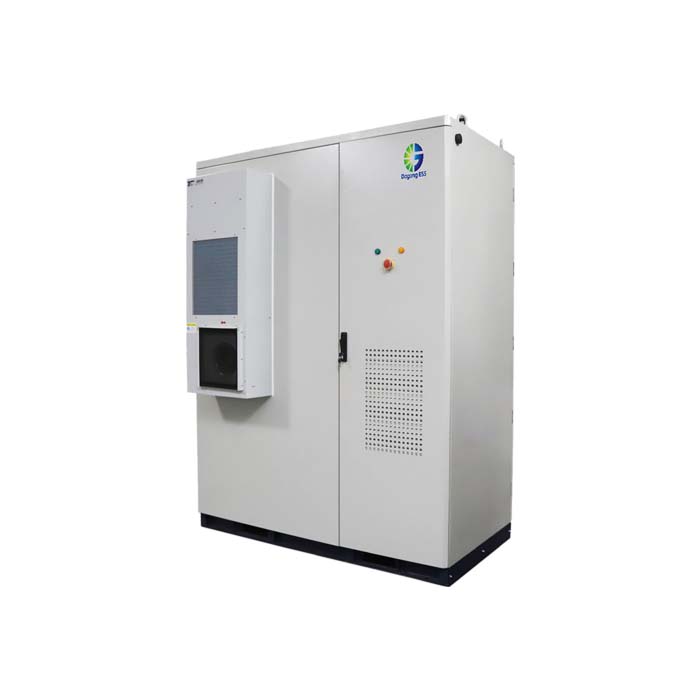
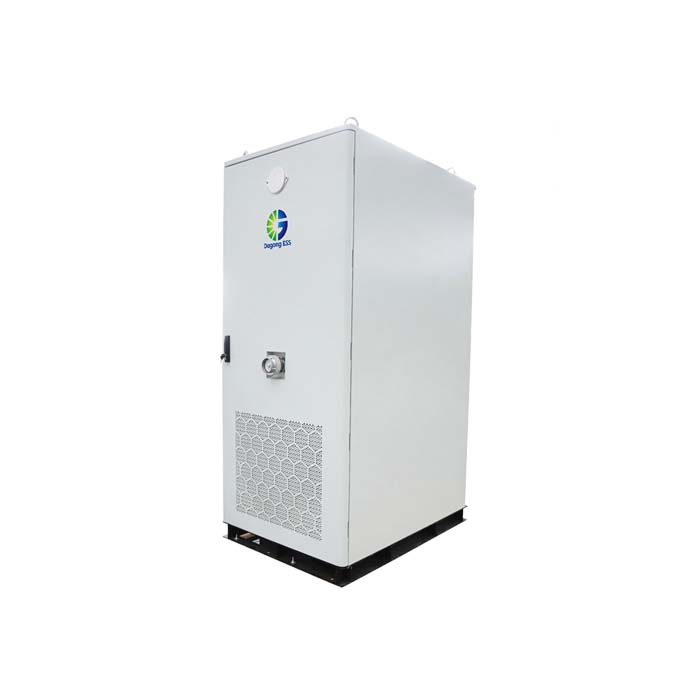
100kWh–144kWh Air-Cooled ESS for commercial peak shaving and backup power
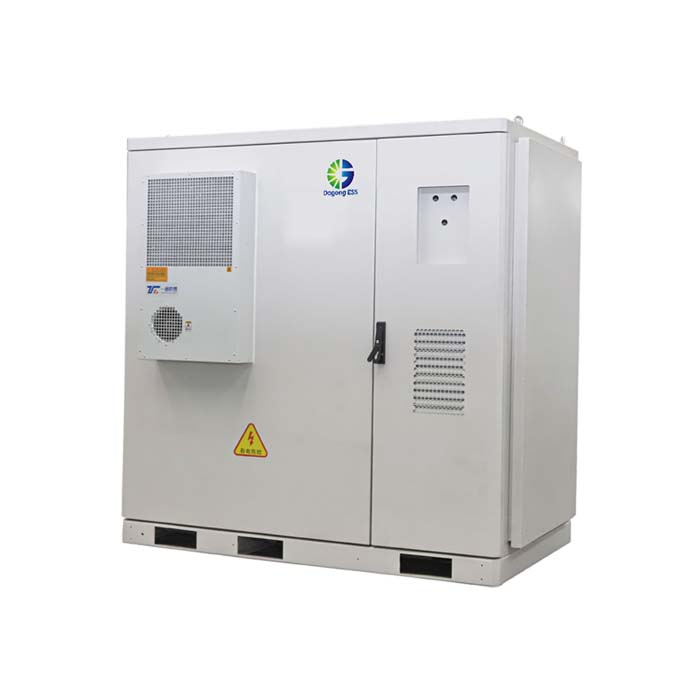
241kWh–416kWh Air-Cooled ESS for industrial load management and renewable integration
241kWh Liquid-Cooled ESS for high-efficiency thermal-controlled applications
372kWh Liquid-Cooled ESS for large industrial energy balancing
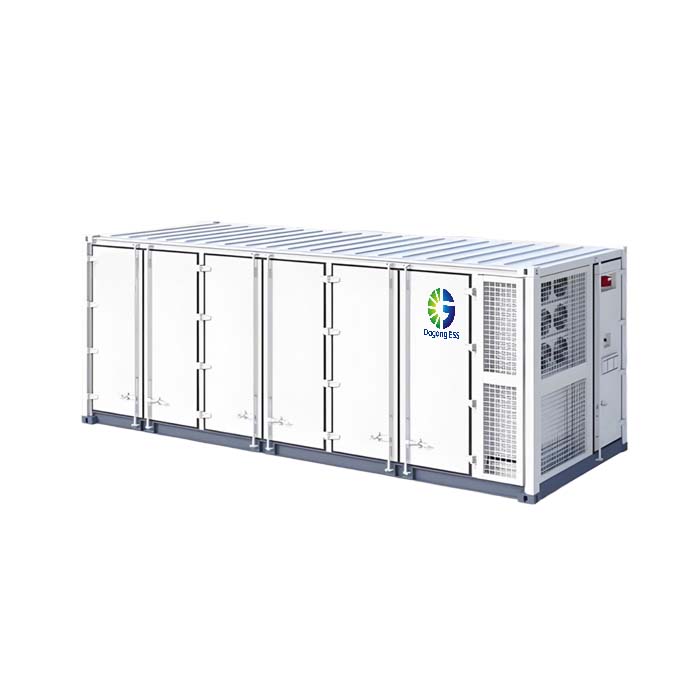
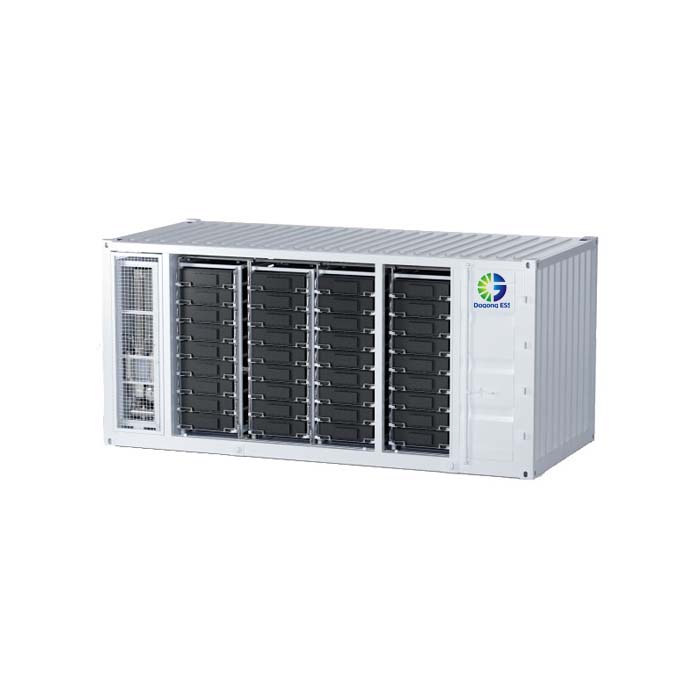
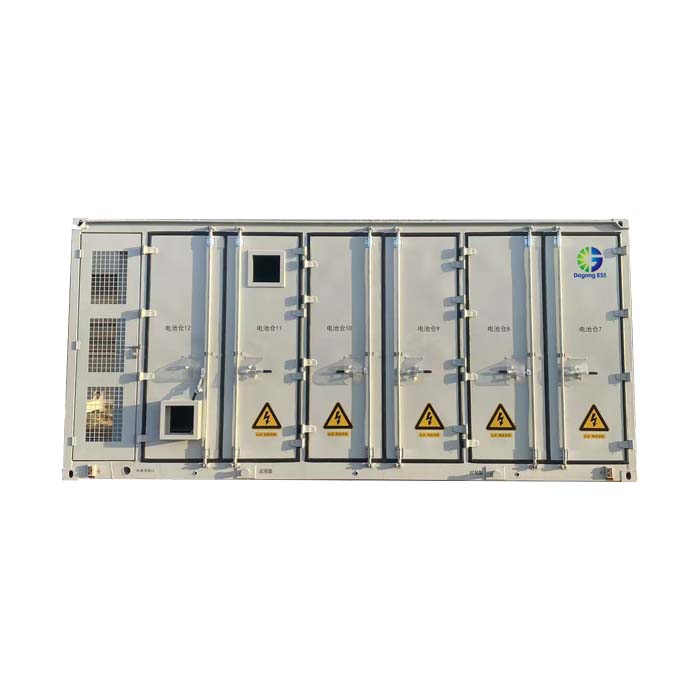
5MWh Liquid-Cooled ESS Container for utility-scale and microgrid infrastructure
These systems reflect a scalable design philosophy that aligns with the broader evolution toward more integrated and intelligent energy storage architectures.
Application Scenarios of Medium-Voltage Inspired ESS Design
1. Renewable Energy Integration
Large-scale solar and wind farms require stable grid interfaces. Medium-voltage ESS systems help smooth intermittent output and ensure grid compliance.
2. Utility Frequency Regulation Markets
Fast-response ESS systems participate in ancillary service markets, providing frequency stabilization and reserve capacity.
3. Industrial Energy Optimization
Factories and industrial parks use ESS to reduce peak demand, stabilize voltage, and improve power quality.
4. Microgrid and Islanded Systems
In remote or independent grids, ESS becomes the core infrastructure for maintaining voltage and frequency stability.
Why This Architecture Matters for Future Power Systems
The transition to medium-voltage energy storage is not just a technical upgrade—it represents a structural change in how grids are designed.
Future power systems will rely on:
Distributed energy storage clusters instead of centralized plants
Digital control systems instead of mechanical inertia
Modular scalability instead of monolithic infrastructure
This shift aligns closely with the development direction of smart grids and renewable-dominant energy systems.
Toward Scalable, Efficient, and Intelligent Energy Storage Networks
Medium-voltage direct-connected energy storage represents a key milestone in the evolution of grid-scale ESS architecture. By improving efficiency, simplifying infrastructure, and enhancing system responsiveness, it provides a foundation for next-generation power systems.
At the same time, its design principles are already influencing commercial and industrial ESS development, bridging the gap between utility-scale infrastructure and distributed energy applications.
As energy systems continue to evolve, manufacturers such as Dagong ESS are integrating modular design, advanced thermal management, and intelligent control systems to support this transition across multiple application levels.
If you are interested in advanced grid-scale energy storage system solutions, please contact Dagong ESS,
Email: sales@dagongess.com
Website: www.dagongess.com