
 WhatsApp
 sales@dagongess.com
 +86 18137952759
How Energy Storage Generates Revenue Across the Americas: From Texas to Chile
Why Energy Storage Growth in the Americas Is Different
The rapid expansion of energy storage across the Americas is not driven by a single factor, but by a combination of regional market mechanisms. From the deregulated electricity market in Texas to renewable-driven systems in Chile, each country has developed a distinct path where battery storage delivers measurable financial returns.
As a result, energy storage is no longer viewed as a supporting technology—it has become a revenue-generating asset. Understanding how value is created in different regions is essential for developers, investors, and commercial users entering these markets.
Texas: Peak Demand Optimization as a Revenue Engine
Texas has quickly established itself as one of the most dynamic energy storage markets in the world. With approximately 14 GW of grid-scale battery capacity installed by early 2026, the state continues to lead U.S. growth.
The key driver behind this expansion lies in the ERCOT market structure, particularly the Four Coincident Peak (4CP) mechanism. Large commercial and industrial users are charged based on their contribution to peak grid demand during four critical periods each year. These charges can account for a significant portion of annual electricity costs.
Battery storage systems allow users to reduce or eliminate their peak demand during these events. Even a single avoided peak can translate into substantial savings, turning energy storage into a highly effective financial tool rather than just a backup solution.
California: Incentive-Driven Storage Deployment
While Texas relies on market-based pricing signals, California’s growth is heavily supported by policy incentives. The state has expanded its battery capacity from just over 1 GW in 2020 to more than 17 GW, supported by programs such as the Self-Generation Incentive Program (SGIP) and federal Investment Tax Credits.
These incentives significantly reduce upfront investment costs, making energy storage more accessible for both residential and commercial users. At the same time, increasing renewable penetration has created a strong need for energy shifting, especially during evening peak hours.
This combination of policy support and grid demand has enabled battery systems to play a central role in California’s energy transition.
Brazil: Storage as a Structured Investment Asset
Brazil represents a different stage of market development, where energy storage is transitioning into a structured investment opportunity.
The government is actively developing auction mechanisms to procure battery capacity, with the first large-scale auction scheduled for 2026. These auctions are expected to secure long-term contracts, providing stable revenue streams for developers.
At the same time, high electricity prices—particularly for commercial and industrial users—are creating strong incentives for behind-the-meter storage adoption. Businesses are increasingly using battery systems to reduce peak demand charges and improve energy cost predictability.
Chile: Renewable Integration Driving Storage Demand
Chile has emerged as one of the most advanced renewable energy markets in Latin America, and energy storage is playing a critical role in supporting this transition.
With some of the highest solar irradiation levels in the world, particularly in the Atacama Desert, solar generation often exceeds demand during the day. Battery storage enables this excess energy to be shifted to evening hours, when electricity demand is higher.
Large-scale hybrid projects combining solar and storage are now becoming the dominant model. This approach not only improves project economics but also enhances grid stability, making storage an essential component of Chile’s energy infrastructure.
Technology Trends Across the Americas
Despite differences in market structure, several common technology trends are emerging across the region.
Long-duration energy storage systems—typically four hours or more—are becoming increasingly important as grids require sustained output rather than short bursts of power. At the same time, hybrid renewable-plus-storage projects are becoming the standard for new developments.
Lithium iron phosphate (LFP) battery technology has also become the preferred choice due to its safety, long cycle life, and cost-effectiveness. These characteristics make it suitable for a wide range of applications, from utility-scale projects to commercial and industrial systems.
From Utility-Scale to Distributed Applications
While much of the attention in the Americas focuses on large-scale projects, distributed energy storage is also gaining momentum.
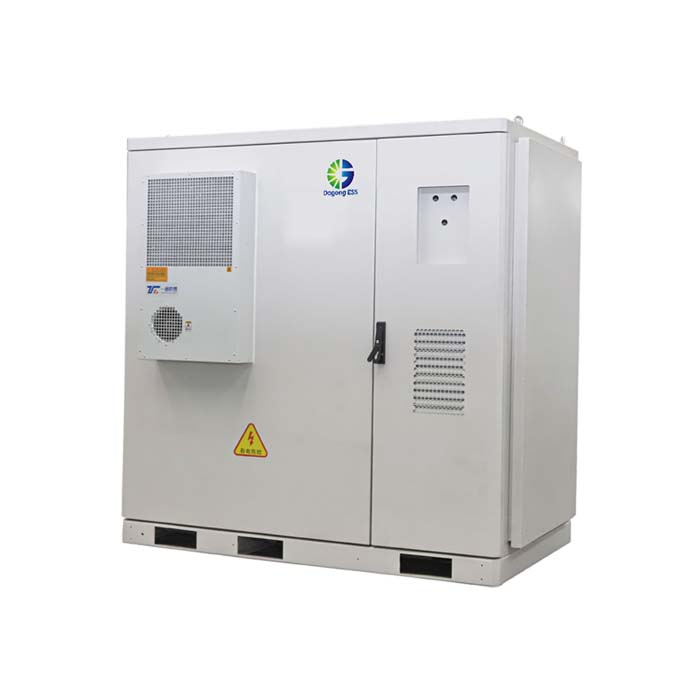
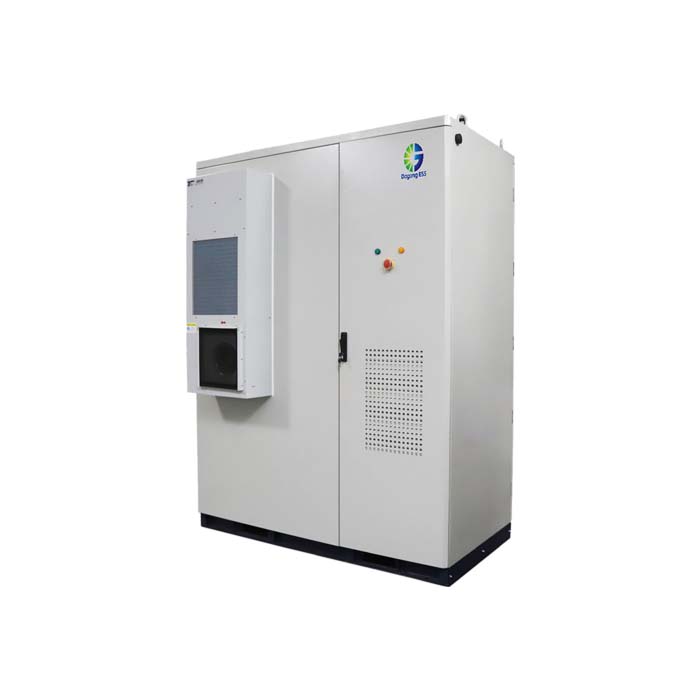
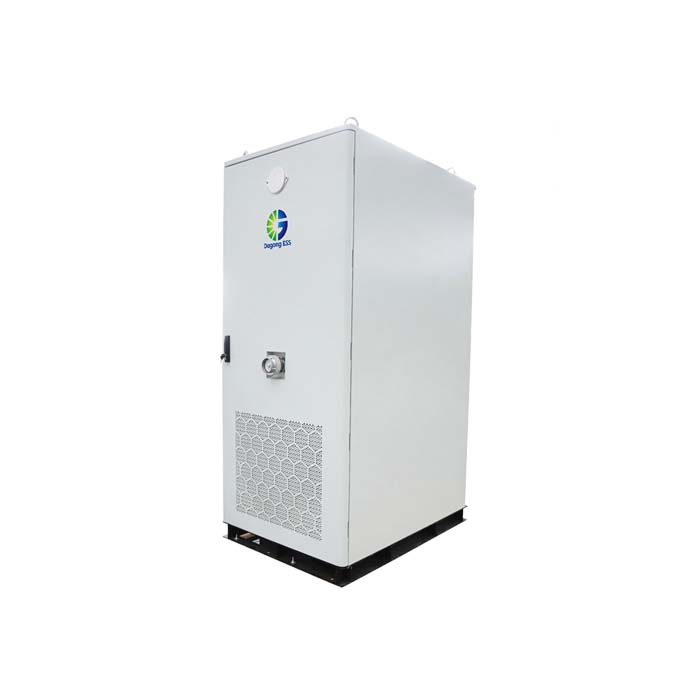
Commercial and industrial users are adopting systems such as 100kWh–144kWh air-cooled ESS and 215kWh–416kWh air-cooled ESS for peak shaving and backup power. In more demanding environments, liquid-cooled solutions like 215kWh liquid-cooled ESS and 372kWh liquid-cooled ESS provide enhanced thermal performance and long-term reliability.
At the residential level, modular solutions such as 5kWh to 80kWh Stackable Household Energy Storage Systems are enabling homeowners to improve energy independence while managing electricity costs more effectively.
Investment Outlook: Strong Growth Across Multiple Markets
The outlook for energy storage in the Americas remains highly positive. The United States alone is expected to add tens of gigawatts of new capacity, while Brazil and Chile continue to expand their project pipelines through policy support and renewable integration.
What makes this growth particularly significant is the diversity of revenue models. Whether through peak demand reduction, policy incentives, long-term contracts, or renewable energy optimization, energy storage offers multiple pathways to financial return.
Energy storage in the Americas is no longer defined by a single use case. Instead, it has evolved into a flexible, revenue-generating asset that adapts to different market conditions.
From Texas to Chile, the ability to capture value through diverse mechanisms is driving rapid adoption across utility, commercial, and residential sectors. As these markets continue to mature, energy storage will remain a key component of modern energy systems.
If you are interested in energy storage solutions, please contact Dagong ESS.
Email: sales@dagongess.com
Website: www.dagongess.com