
 WhatsApp
 sales@dagongess.com
 +86 18137952759
How Does a Liquid Cooling Plate Enhance ESS Performance and Safety?
A Battery Pack Liquid Cooling Plate is a thermally conductive component integrated into high-capacity lithium battery modules or packs. It uses circulating liquid coolant to absorb heat generated by battery cells during charging and discharging, transferring it away to maintain optimal operating temperatures.
Liquid cooling plates are especially important in:
High-power battery modules
Utility-scale ESS containers
Fast-charging and high-current applications
They provide uniform temperature control, reduce hotspot formation, and enhance both safety and efficiency.
Why Is Liquid Cooling Important in ESS?
Battery cells generate heat due to internal resistance during operation. Without effective cooling:
Localized overheating may occur
Capacity degradation accelerates
Safety risks such as thermal runaway increase
Internal resistance imbalance grows
Liquid cooling plates help:
Maintain uniform temperature across the battery pack
Improve charge/discharge efficiency
Extend cycle life by preventing thermal stress
Support reliable operation under heavy load conditions
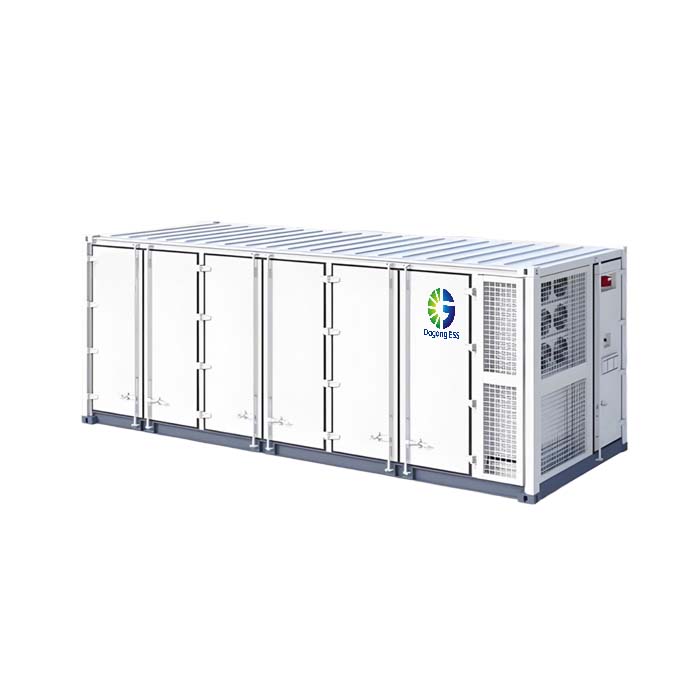
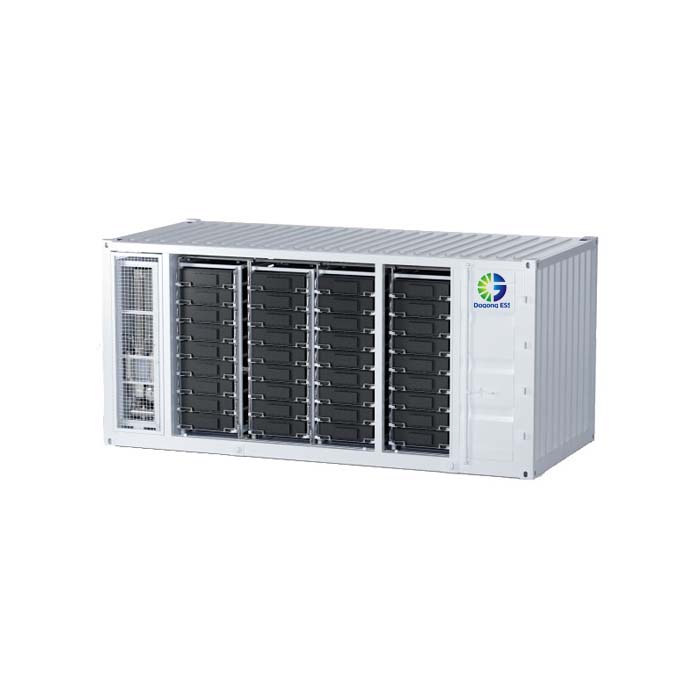
For high-density ESS modules, such as Dagong ESS 241kWh Liquid-Cooled ESS or 5MWh Liquid-Cooled ESS Container, thermal management is a critical design factor.
How Does a Liquid Cooling Plate Work?
Liquid cooling plates typically consist of:
Thermally conductive metal layers (aluminum or copper)
Embedded channels for coolant flow
Sealed interfaces to prevent leakage
Key functions include:
Heat Absorption: Collects heat from battery cells.
Heat Transfer: Conducts heat to the coolant flowing through channels.
Temperature Uniformity: Ensures consistent cooling across the pack.
Integration with Module Structure: Works with end plates, CCS, and busbars for mechanical and electrical stability.
When combined with other passive components like heat dissipation plates, liquid cooling achieves both safety and efficiency.
How Is It Used Across Different ESS Scales?
1. Residential ESS
In 5kWh–80kWh stackable or wall-mounted modules, liquid cooling may be used in high-power residential systems or where compact design requires high heat density management. It ensures safety and long-term reliability for home applications.
2. Commercial & Industrial ESS
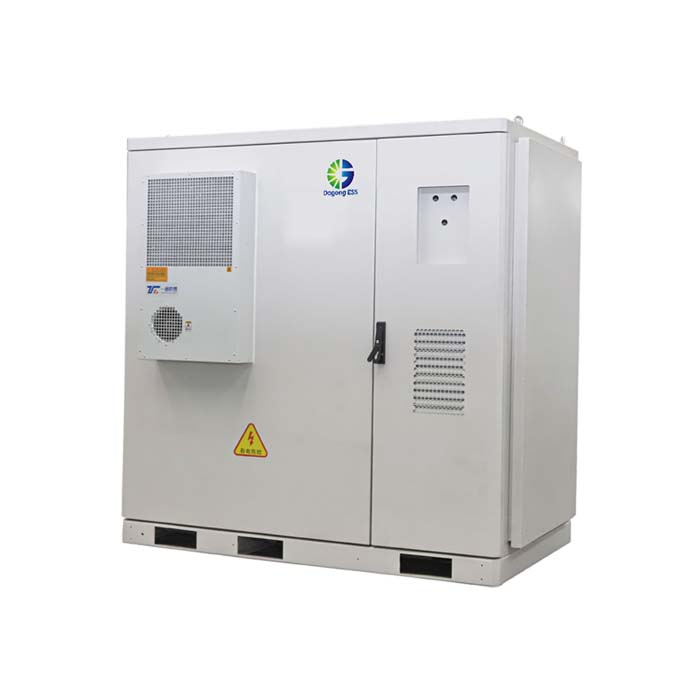
In systems such as 100kWh–416kWh Air-Cooled or Liquid-Cooled ESS, cooling plates:
Reduce thermal gradients in high-density cabinets
Support consistent performance under frequent cycling
Prevent cell overheating during peak loads
Enhance system safety for industrial energy storage applications
3. Utility-Scale ESS
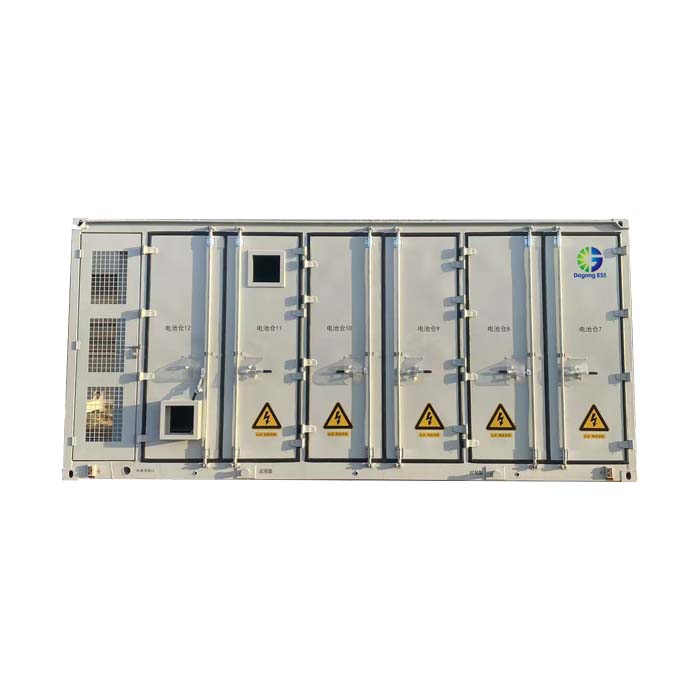
For large containerized systems like the 5MWh Liquid-Cooled ESS Container:
Cooling plates handle multi-megawatt currents
Work together with integrated busbars, CCS, and end plates
Ensure even temperature across hundreds of cells
Support stable operation under continuous heavy loads
Liquid cooling becomes critical when natural or forced air cooling is insufficient for thermal stability.
How Does Thermal Management Affect Performance and Safety?
Effective liquid cooling directly impacts:
Cycle Life: Prevents thermal stress that accelerates aging.
Efficiency: Minimizes internal resistance growth for more consistent output.
Safety: Reduces hotspot formation and thermal runaway risks.
System Stability: Ensures uniform voltage and temperature across all cells.
In high-power ESS modules, thermal uniformity is essential for maximizing both energy density and lifespan.
What Engineering Factors Should Be Considered?
When designing or selecting liquid cooling plates, engineers consider:
Material Thermal Conductivity: Aluminum and copper are common.
Channel Design: Optimized for maximum heat transfer efficiency.
Sealing and Leakage Prevention: Ensures long-term reliability.
Integration with Module Components: Must fit with end plates, CCS, busbars, and heat dissipation plates.
Flow Rate and Coolant Type: Influences cooling efficiency and system design.
Proper design ensures the cooling system does not interfere with electrical, mechanical, or thermal performance of the ESS module.
Why Are Liquid Cooling Plates Essential for High-Density ESS?
High-energy-density and high-power ESS modules produce significant heat during operation. Without liquid cooling:
Temperature gradients can reach unsafe levels
Performance may degrade quickly
Safety risks are magnified in industrial and utility-scale applications
By efficiently managing heat, liquid cooling plates enable ESS modules to achieve 8000+ cycles and 15+ years of operational life, supporting long-term reliability and high safety standards.
A Battery Pack Liquid Cooling Plate is a critical component in modern high-density ESS modules. It ensures:
Uniform thermal management
Stable performance under heavy load
Extended cycle life
Enhanced operational safety
From residential battery stacks to multi-megawatt containerized ESS, liquid cooling plates are essential for maintaining efficiency, reliability, and long-term safety.
If you are interested in battery pack liquid cooling plate products or would like to learn more about related energy storage solutions, please contact Dagong ESS at sales@dagongess.com.