
 WhatsApp
 sales@dagongess.com
 +86 18137952759
How Does a Heat Dissipation Plate Improve ESS Safety?
A Lithium Battery Module Heat Dissipation Plate is a thermally conductive structural component installed between or alongside battery cells within a module. Its primary function is to transfer and distribute heat evenly, preventing localized overheating.
In lithium iron phosphate (LFP) energy storage systems, thermal management directly affects:
Cycle life
Internal resistance growth
Safety performance
Power consistency
While active cooling systems such as air or liquid cooling often receive more attention, passive thermal conduction components like heat dissipation plates are equally critical.
Why Is Thermal Uniformity So Important in ESS?
Battery cells generate heat during charging and discharging due to internal resistance. If this heat is not evenly distributed:
Certain cells may operate at higher temperatures
Electrochemical aging may accelerate unevenly
Internal impedance imbalance may occur
Thermal runaway risk may increase
Even a few degrees of temperature difference between cells can influence long-term degradation patterns.
A well-designed heat dissipation plate helps ensure:
Reduced temperature gradient
Balanced electrochemical reaction rates
Improved consistency across the module
In large-scale systems targeting 8000+ cycles and 15+ years of service life, long-term thermal balance is essential.
How Does a Heat Dissipation Plate Work?
Heat dissipation plates are typically made from high thermal conductivity materials such as:
Aluminum alloys
Copper-aluminum composites
Coated conductive metals
They function by:
Absorbing heat from adjacent cells
Conducting heat laterally across the plate
Transferring heat toward cooling channels or airflow paths
In air-cooled systems, the plate works together with ventilation channels.
In liquid-cooled systems, it may support indirect heat spreading before heat is absorbed by liquid cooling plates.
What Is the Role in Air-Cooled Energy Storage Systems?
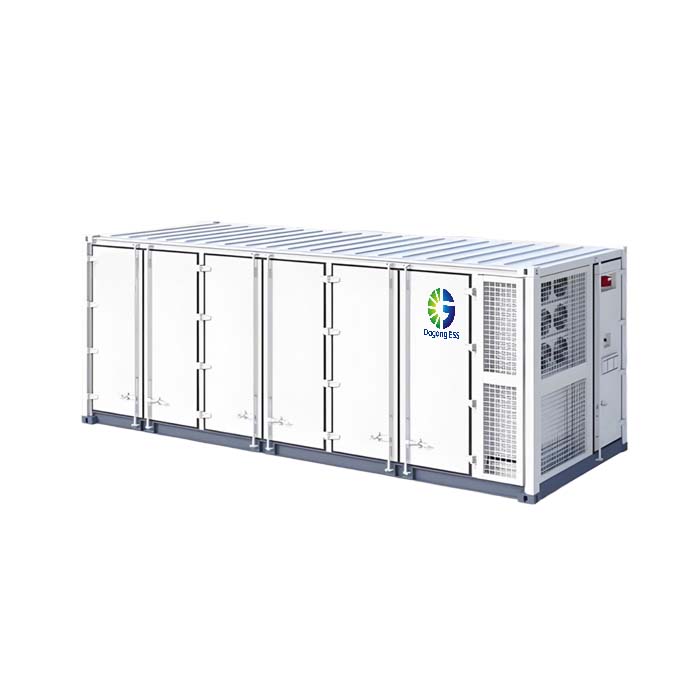
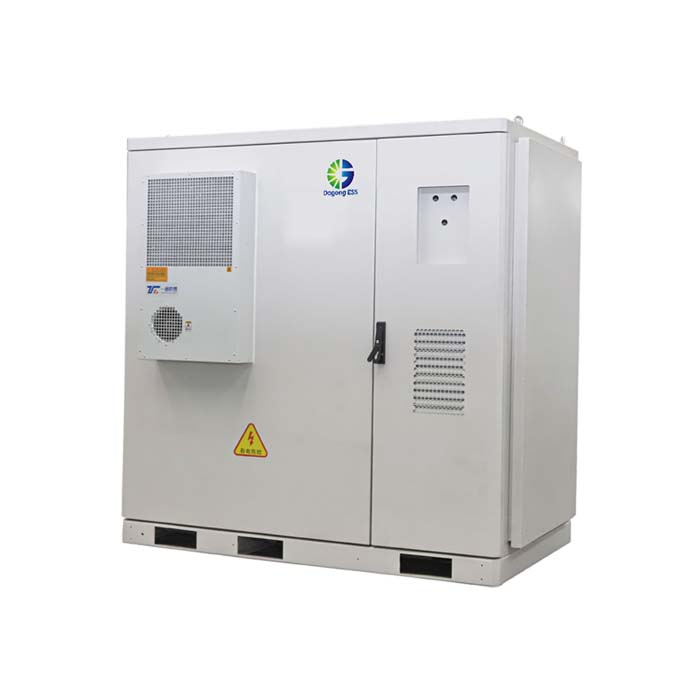
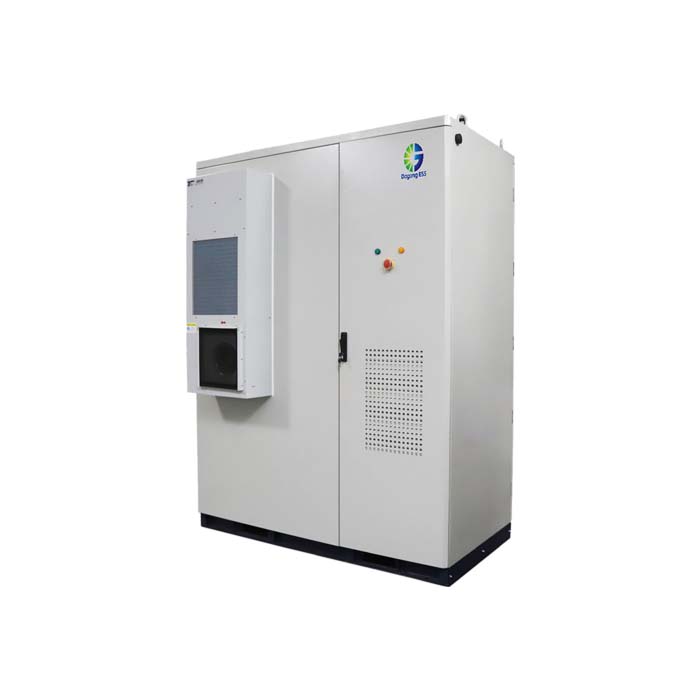
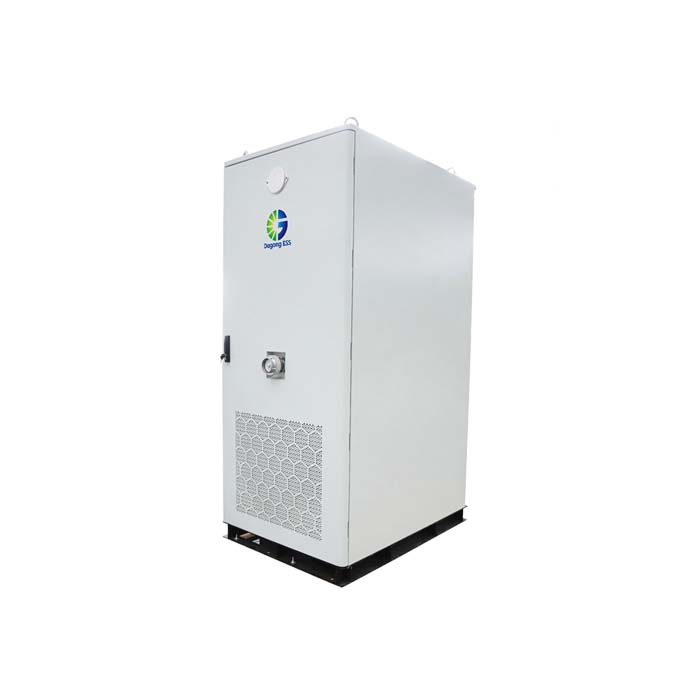
In cabinet-based systems such as 100kWh–144kWh Air-Cooled ESS and 241kWh–416kWh Air-Cooled ESS, airflow management is critical.
Heat dissipation plates:
Improve contact between cells and airflow channels
Reduce hotspot formation
Enhance cooling efficiency under continuous load
Support stable operation in high ambient temperatures
Because air cooling relies on convection rather than direct liquid contact, passive heat conduction components are particularly important in these designs.
How Does It Complement Liquid Cooling Systems?
In liquid-cooled systems such as:
241kWh Liquid-Cooled ESS
372kWh Liquid-Cooled ESS
liquid cooling plates remove heat efficiently from battery modules. However, uniform heat transfer from each cell to the liquid interface is still required.
Heat dissipation plates help:
Equalize cell temperature before heat enters liquid channels
Reduce micro hot spots
Improve thermal symmetry
This integration supports high-density system designs where power demand and energy density are both elevated.
How Does Thermal Management Affect Battery Lifespan?
Thermal imbalance accelerates:
Electrolyte degradation
Solid electrolyte interphase (SEI) growth
Lithium plating risks (in extreme conditions)
Capacity fading
By maintaining consistent operating temperature:
Internal resistance growth slows
Capacity retention improves
Performance degradation becomes more predictable
For commercial and industrial ESS installations, predictable degradation is essential for long-term financial modeling and warranty stability.
What Engineering Factors Should Be Considered?
When selecting or designing a heat dissipation plate, engineers evaluate:
Thermal Conductivity
Higher conductivity improves lateral heat spreading.
Mechanical Compatibility
The plate must integrate with module compression structures and end plates.
Surface Treatment
Coatings may improve corrosion resistance and thermal interface performance.
Thickness Optimization
Excessive thickness adds weight and cost; insufficient thickness reduces heat spreading capability.
Interface Material
Thermal interface materials (TIM) may be used to improve contact between cell surfaces and plates.
In modular ESS architecture, thermal, electrical, and mechanical systems must be co-designed rather than optimized independently.
What Happens Without Effective Heat Dissipation?
If thermal conduction inside the module is insufficient:
Airflow or liquid cooling may become unevenly effective
Localized overheating may stress certain cells
Performance imbalance may accumulate over time
Safety margins may narrow
As energy storage systems scale to higher capacity and higher power output, these risks increase proportionally.
Therefore, passive thermal design elements such as heat dissipation plates form the foundational layer of the overall cooling strategy.
Why Is Passive Thermal Design Often Overlooked?
Industry discussions frequently focus on:
Cooling system type (air vs liquid)
BMS algorithms
PCS efficiency
Power density
However, even the most advanced cooling systems rely on effective internal heat conduction to function optimally.
A heat dissipation plate does not actively cool the system—but it ensures that active cooling systems can operate efficiently and uniformly.
A Lithium Battery Module Heat Dissipation Plate plays a vital role in maintaining thermal balance, reducing hotspot risk, and supporting long-term battery stability in modern energy storage systems.
Whether used in air-cooled commercial cabinets or liquid-cooled utility-scale containers, effective thermal conduction improves safety margins, cycle consistency, and lifespan predictability.
As ESS systems continue to increase in capacity and operational expectations, integrated thermal design remains a key engineering priority.
If you are interested in battery heat dissipation plate products or would like to learn more about related energy storage solutions, please contact Dagong ESS at sales@dagongess.com.