
 WhatsApp
 sales@dagongess.com
 +86 18137952759
How Does Residential Energy Storage Integrate with Solar Systems in 2026?
What Is a Residential Energy Storage System and Why Does It Matter?
A residential energy storage system (RESS) is a solution designed to store electricity for later use in homes. It typically consists of battery modules, a battery management system (BMS), an inverter, and an energy management system (EMS). Together, these components enable households to store excess energy, optimize consumption, and improve overall energy efficiency.
In a typical solar-plus-storage setup, rooftop photovoltaic (PV) panels generate electricity during the day. When generation exceeds household demand, the surplus energy can either be exported to the grid or stored in batteries. By storing this excess energy, homeowners can use it later during nighttime or peak demand periods, reducing reliance on the grid and lowering electricity costs.
Scalable systems such as 5kWh–80kWh stackable household energy storage systems and 5kWh–10kWh wall-mounted batteries provide flexible options for different household sizes. These systems can also be expanded over time, making them suitable for evolving energy needs.
How Residential Energy Storage Works with Solar Systems
Residential energy storage systems are commonly integrated with solar PV systems to form a small-scale microgrid. The operational principle is straightforward: solar energy is used first to power household loads, excess energy charges the battery, and when solar generation is insufficient, the battery discharges to support the load.
This coordination relies heavily on hybrid inverters and intelligent control systems. A hybrid inverter manages energy flow between solar panels, batteries, and the grid, ensuring seamless transitions and stable operation.
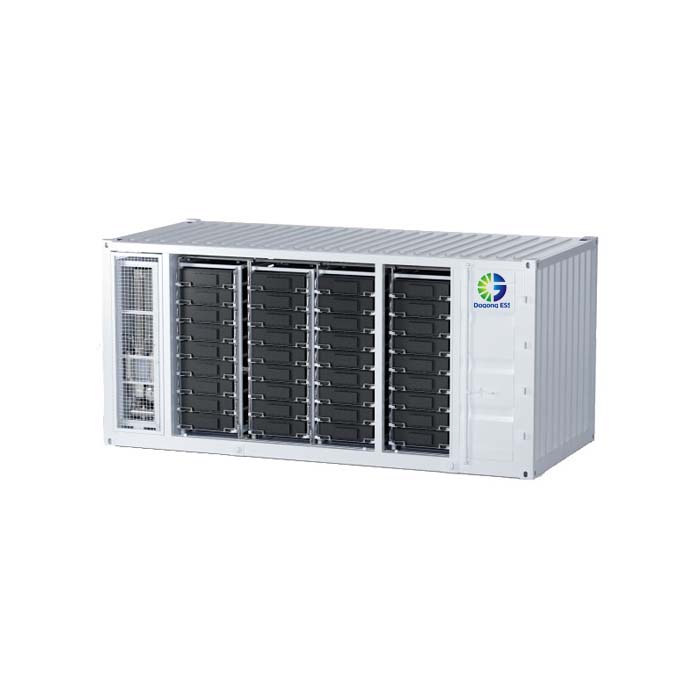
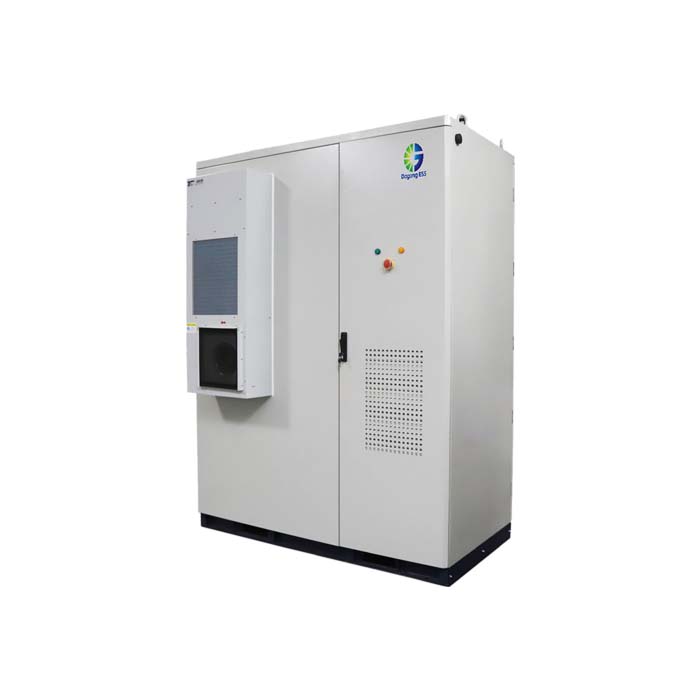
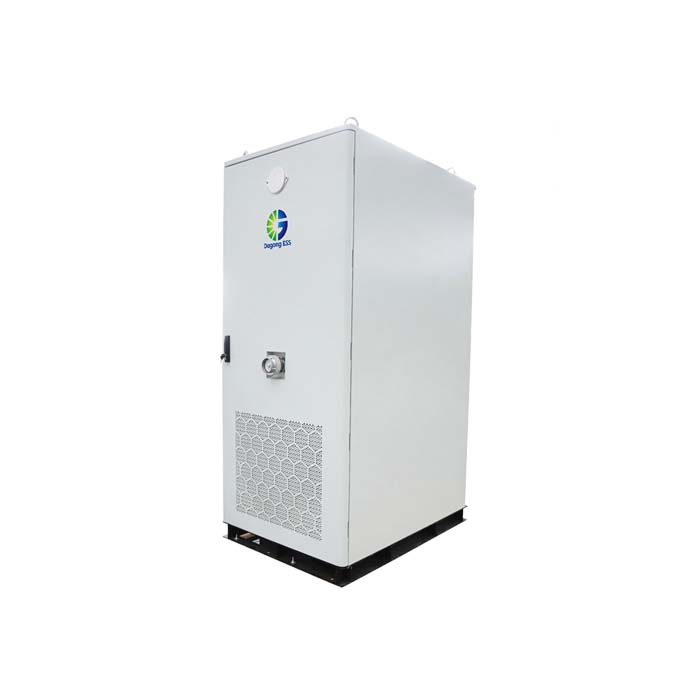
For users with higher capacity requirements, rack battery cabinet systems offer greater scalability and structural stability, making them suitable not only for residential use but also for small commercial applications.
Key Technical Features of Residential Energy Storage
The performance of a residential energy storage system depends on several critical factors. Battery chemistry is one of the most important. Lithium iron phosphate (LFP) batteries are widely used due to their thermal stability, safety, and long cycle life, often exceeding 6000–8000 cycles.
The battery management system (BMS) plays a vital role in monitoring voltage, current, and temperature, ensuring safe operation and protecting the system from overcharge, over-discharge, and thermal risks.
Thermal management is another essential aspect. Air-cooled systems are commonly used in smaller systems, while liquid cooling is often applied in higher-capacity or high-density systems to maintain uniform temperature and extend battery lifespan.
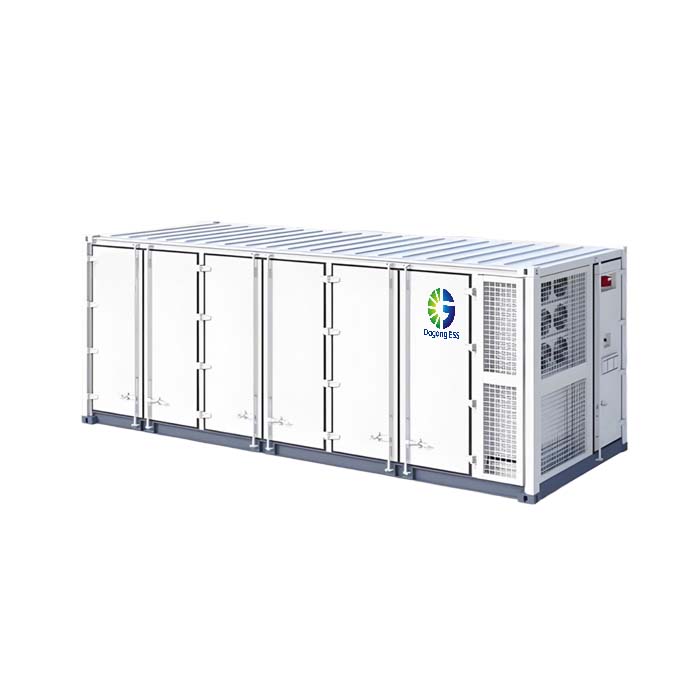
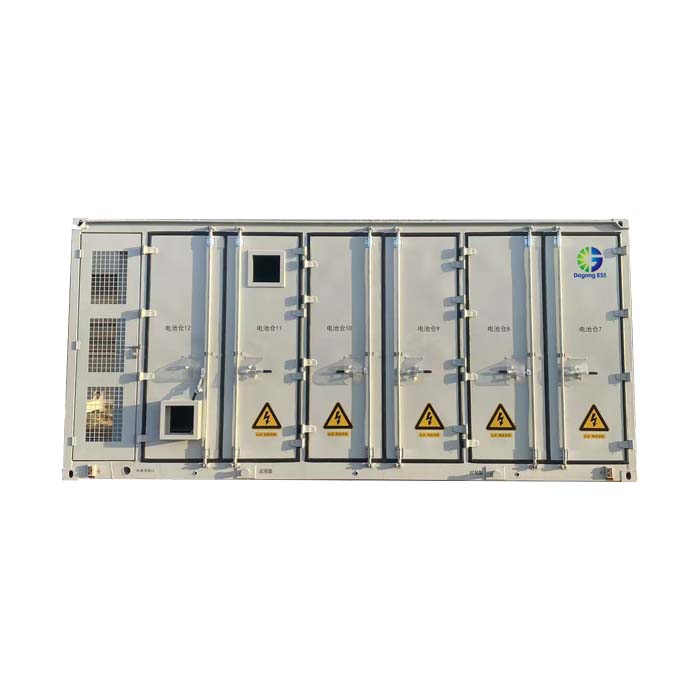
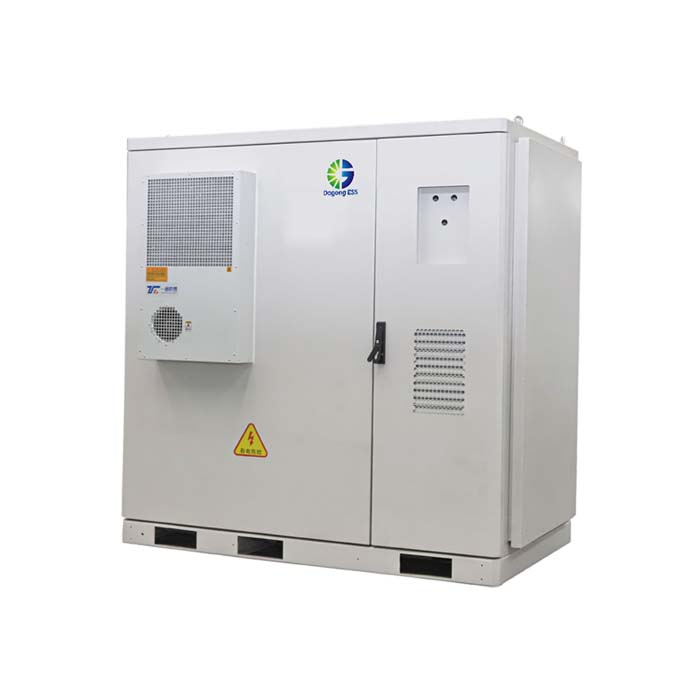
Dagong ESS applies similar technical principles in its broader product line, including air-cooled and liquid-cooled energy storage systems designed for commercial and utility-scale applications.
Applications of Residential Energy Storage Systems
Residential energy storage systems are widely used in households to increase self-consumption of solar energy, reduce electricity bills, and provide backup power during outages. In regions with unstable grids or high electricity prices, these systems can significantly improve energy independence.
In addition to traditional home use, residential storage systems are increasingly used in scenarios involving electric vehicle charging, home offices, and small-scale commercial operations. They help balance energy demand and optimize consumption patterns.
With modular designs, modern systems allow users to expand capacity over time, bridging the gap between residential and commercial energy storage solutions.
How to Choose the Right Residential Energy Storage System
Selecting the right system involves evaluating energy consumption, solar capacity, budget, and future expansion plans. Capacity sizing is a key consideration, as the system should cover nighttime usage or critical loads.
Compatibility with inverters and existing electrical infrastructure is also important to ensure smooth integration. Installation type—wall-mounted, stackable, or rack-mounted—can influence space utilization and deployment flexibility.
Dagong ESS offers a variety of residential energy storage solutions, including modular and scalable systems designed to accommodate different installation environments and user requirements.
Lifespan and Long-Term Value of Residential Storage Systems
Most residential energy storage systems are designed to last over 10 years, with high-quality systems reaching 15 years or more. Lifespan is typically measured by cycle life and capacity retention.
Proper system design, efficient thermal management, and optimized charging strategies all contribute to extending battery life and reducing maintenance costs. Over time, energy storage systems can provide significant economic benefits by reducing electricity bills and improving energy utilization.
The Role of Residential Energy Storage in the Future
As renewable energy adoption continues to grow, residential energy storage will play an increasingly important role in modern energy systems. It enables households to manage energy more efficiently, reduce dependence on the grid, and improve resilience.
Modular design, improved energy density, and intelligent control systems are expected to shape the future of residential storage solutions. Reliability and safety will remain the most critical factors for end users.
Dagong ESS provides a comprehensive range of energy storage solutions, covering residential, commercial, and large-scale applications, supporting diverse project requirements with flexible and scalable designs.
If you are interested in residential energy storage products, please contact Dagong ESS, Email: sales@dagongess.com Website: www.dagongess.com