
 WhatsApp
 sales@dagongess.com
 +86 18137952759
How Does Grid-Forming Energy Storage System Work? Understanding the Next Generation of Smart Grid Control
What Is a Grid-Forming Energy Storage System?
A grid-forming energy storage system (GF ESS) is an advanced type of battery storage system capable of actively establishing and regulating grid voltage and frequency, rather than simply following existing grid signals.
Traditional energy storage systems operate in a “grid-following” mode, meaning they synchronize with an existing stable grid. In contrast, grid-forming systems can create and stabilize the grid itself, making them a foundational technology for future power systems.
This capability is especially important in weak grids, renewable-heavy grids, and islanded microgrids where traditional synchronous generators are limited or unavailable.
Why Grid-Forming Technology Is Becoming Essential
As renewable energy penetration increases globally, power systems are experiencing:
Reduced system inertia
Higher frequency volatility
More frequent voltage fluctuations
Lower grid stability margins
Traditional power plants naturally provide inertia and stabilization through rotating mass. However, inverter-based renewable energy systems such as solar and wind do not provide the same physical stabilizing effect.
Grid-forming energy storage systems fill this gap by digitally replicating the behavior of synchronous machines.
How Grid-Forming Energy Storage Systems Work
Grid-forming ESS operates through advanced power electronics and control algorithms that allow the system to behave like a virtual synchronous generator (VSG).
Instead of waiting for grid signals, the system actively:
Establishes voltage reference
Sets grid frequency
Maintains phase stability
Shares load dynamically with other resources
This is achieved through high-speed control loops inside the power conversion system (PCS) combined with intelligent energy management systems (EMS).
In essence, the system transforms batteries into a controllable grid backbone.
Grid-Forming vs Grid-Following Systems
Grid-Following ESS
Synchronizes with existing grid
Depends on external voltage and frequency
Limited role in weak grids
Common in early-stage ESS deployments
Grid-Forming ESS
Creates voltage and frequency reference
Operates independently in islanded mode
Stabilizes weak or unstable grids
Essential for high renewable penetration systems
This fundamental difference makes grid-forming technology a key enabler of next-generation power systems.
Key Technical Mechanisms Behind Grid-Forming Control
1. Virtual Synchronous Machine (VSM) Control
Simulates inertia of traditional generators, providing frequency stability without mechanical rotation.
2. Droop Control Strategy
Enables multiple energy storage systems to share load proportionally and maintain system balance.
3. Fast Power Electronics Response
Inverter systems respond in milliseconds to maintain voltage and frequency stability under dynamic conditions.
4. Energy Management Coordination
EMS ensures optimal charging/discharging strategy while supporting grid stability functions.
Advantages of Grid-Forming Energy Storage Systems
1. Stronger Grid Stability
Grid-forming ESS significantly improves system resilience by actively stabilizing voltage and frequency, especially in weak or isolated grids.
2. Higher Renewable Energy Integration
By compensating for the lack of inertia in solar and wind systems, grid-forming ESS enables higher penetration of renewable energy without compromising grid reliability.
3. Microgrid Independence
These systems can operate independently from the main grid, making them ideal for:
Remote regions
Island power systems
Industrial self-sufficient energy networks
4. Improved Fault Ride-Through Capability
Grid-forming ESS can maintain stable operation during short-term grid disturbances, improving overall system robustness.
Technical Challenges of Grid-Forming ESS
Despite its advantages, grid-forming technology requires advanced engineering:
Control Stability Complexity
Maintaining stable operation under multiple interacting grid-forming units requires precise coordination.
High-Speed Computational Requirements
Real-time control of voltage and frequency demands high-performance digital control systems.
System-Level Interaction
Multiple grid-forming sources must operate without causing oscillations or instability.
Energy Reserve Management
Systems must maintain sufficient energy buffer to support continuous grid-forming operation.
Application Scenarios of Grid-Forming Energy Storage Systems
Renewable Energy Power Plants
Grid-forming ESS stabilizes fluctuating solar and wind output and ensures grid compliance.
Weak Grid Regions
Improves stability in regions with limited transmission infrastructure or low system inertia.
Microgrids and Island Systems
Provides independent voltage and frequency control for off-grid or semi-grid operations.
Industrial Energy Systems
Enhances power quality and ensures uninterrupted operation in sensitive industrial environments.
How Dagong ESS Supports Grid-Forming Applications
Dagong ESS designs modular energy storage systems that can be integrated into advanced grid control architectures, supporting both grid-following and grid-supporting functionalities.
Typical product applications include:
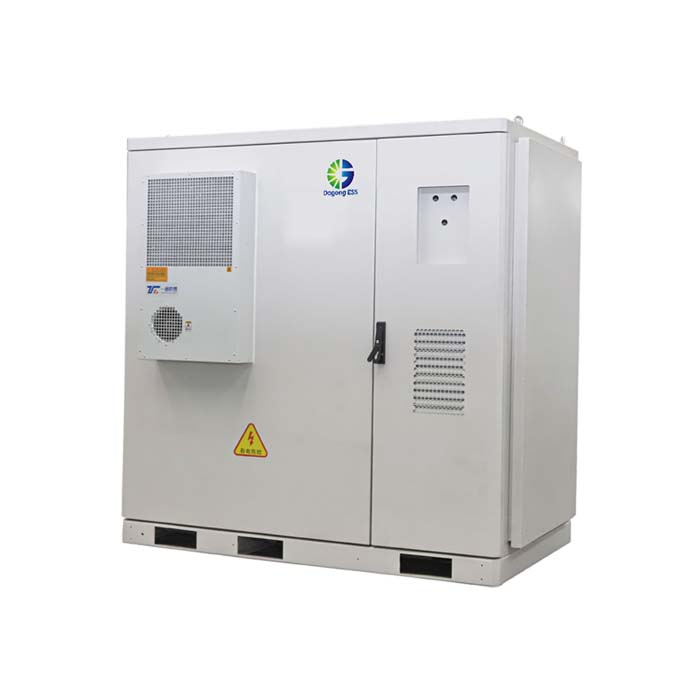
100kWh–144kWh Air-Cooled ESS for distributed energy support and commercial microgrids
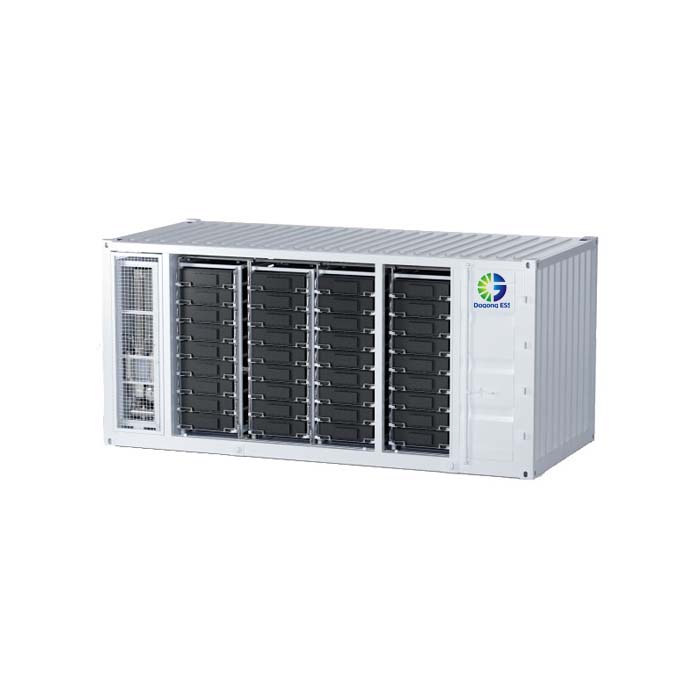
215kWh–416kWh Air-Cooled ESS for industrial grid stabilization and renewable integration
215kWh Liquid-Cooled ESS for high-performance dynamic grid support
372kWh Liquid-Cooled ESS for large-scale energy balancing applications
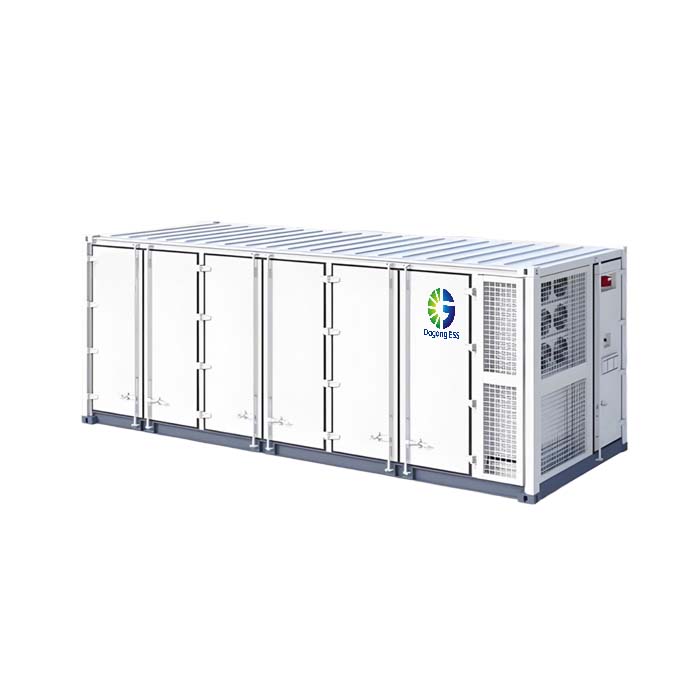
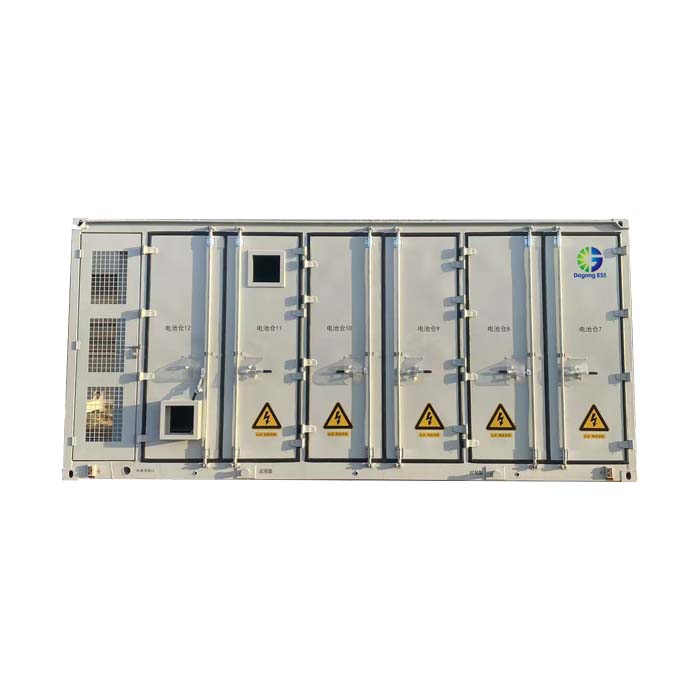
5MWh Liquid-Cooled ESS Container for utility-scale grid-forming and microgrid infrastructure
These systems provide the hardware foundation required for advanced grid-forming control strategies.
Toward Autonomous Energy Grids
Grid-forming energy storage systems represent a major step toward autonomous and self-healing power grids.
Future energy systems will increasingly rely on:
Distributed grid-forming units
AI-driven energy coordination
Fully inverter-based grid infrastructure
High renewable penetration without fossil inertia
This transformation will redefine how electricity grids are designed, operated, and optimized.
Grid-forming energy storage systems are a foundational technology for the future of smart grids. By actively establishing voltage and frequency, they enable higher renewable integration, stronger grid stability, and independent microgrid operation.
As power systems continue evolving toward inverter-dominated architectures, grid-forming ESS will become a core pillar of global energy infrastructure.
If you are interested in advanced energy storage system solutions, please contact Dagong ESS,
Email: sales@dagongess.com
Website: www.dagongess.com