
 WhatsApp
 sales@dagongess.com
 +86 18137952759
How Do Energy Storage Systems Provide Ancillary Services for Modern Grids (Frequency, Voltage, and Power Quality Support)?
What Are Ancillary Services in Power Systems?
As power grids evolve toward higher renewable penetration, electricity is no longer just about delivering energy from point A to point B. Modern grids require a range of ancillary services to remain stable, reliable, and efficient. These services include frequency regulation, voltage support, spinning reserve, ramp rate control, and power quality improvement.
Ancillary services are essentially the “hidden infrastructure” that keeps the grid operating within safe limits. While traditional power plants once provided these services naturally through rotating mass and mechanical inertia, today’s inverter-based systems—especially energy storage systems (ESS)—are increasingly taking over this role.
Energy storage systems are uniquely positioned in this transition because they can respond in milliseconds, operate bidirectionally, and independently control active and reactive power through advanced power electronics.
Why Do Modern Grids Need Fast Ancillary Services?
The shift from synchronous generators (coal, gas, hydro) to inverter-based renewable energy (solar, wind) has reduced the natural inertia of power systems. This creates three major challenges:
Faster frequency fluctuations
Voltage instability in weak grids
Reduced system damping and resilience
Traditional power plants respond slowly—often in seconds or minutes. However, modern grids require responses in milliseconds.
This is where energy storage systems fundamentally change the game. Unlike conventional generation, ESS can instantly inject or absorb power, making them ideal for real-time grid stabilization.
How Energy Storage Systems Deliver Frequency Regulation
Frequency regulation is one of the most critical ancillary services. It ensures that grid frequency (50Hz or 60Hz) remains stable by balancing supply and demand in real time.
When demand suddenly increases, frequency drops. When supply exceeds demand, frequency rises. Energy storage systems respond immediately by:
Discharging energy when frequency drops (supporting the grid)
Charging when frequency rises (absorbing excess energy)
This rapid response is made possible through the Power Conversion System (PCS), which allows bidirectional energy flow.
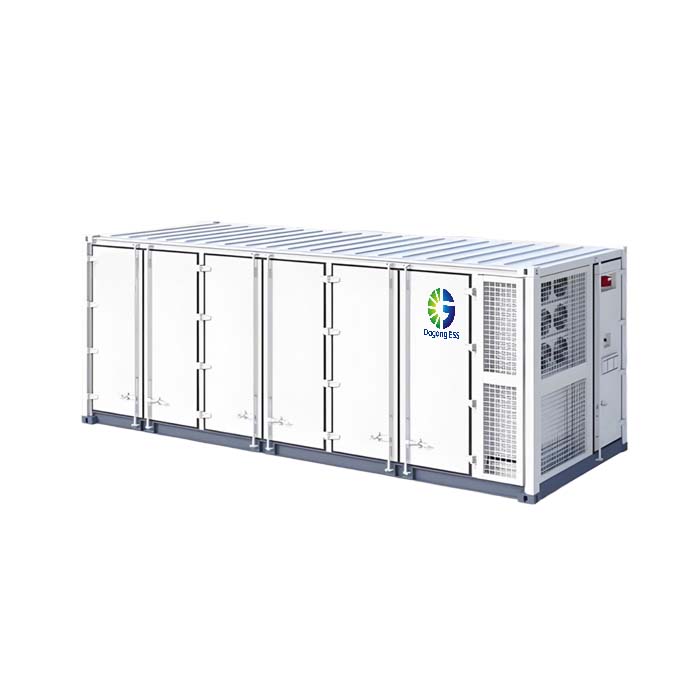
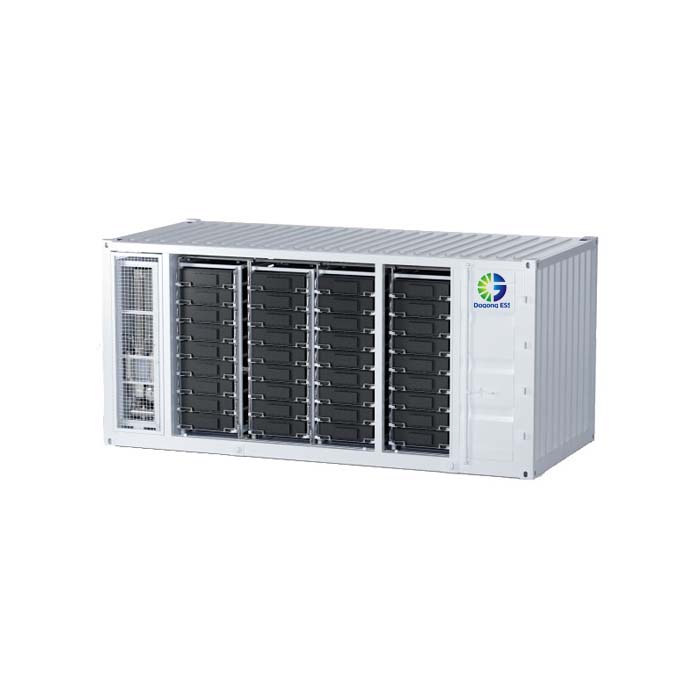
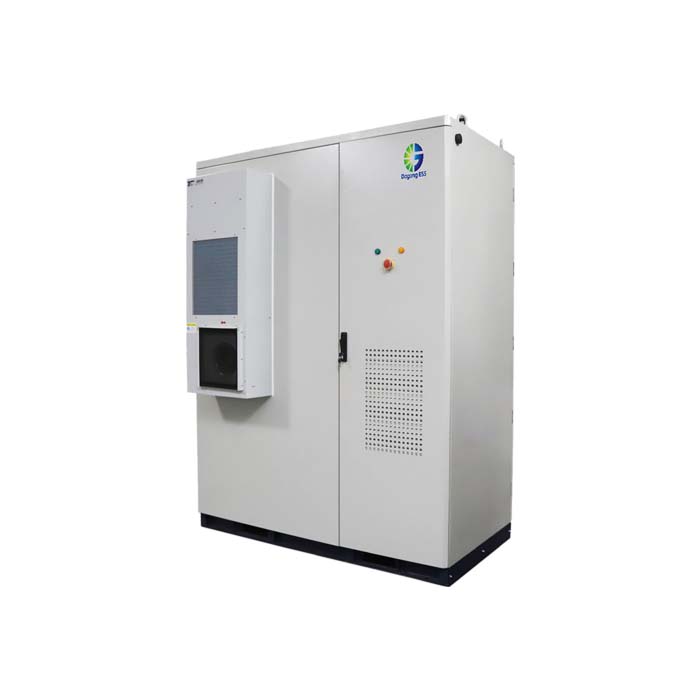
For example, large-scale systems such as the 215kWh–416kWh Air-Cooled ESS and 5MWh Liquid-Cooled ESS Container are widely deployed in frequency regulation markets due to their fast response and scalable capacity.
Voltage Support and Reactive Power Compensation in ESS
Beyond frequency regulation, voltage stability is another key challenge in modern grids, especially in regions with high solar penetration or weak transmission infrastructure.
Voltage fluctuations occur when reactive power is not properly balanced. Energy storage systems solve this by dynamically injecting or absorbing reactive power through inverter control.
Unlike traditional capacitor banks, ESS-based voltage support is:
Fast (milliseconds response)
Continuously adjustable
Highly precise
Bidirectional
This makes storage systems especially valuable in industrial zones and renewable-rich grids where voltage instability is common.
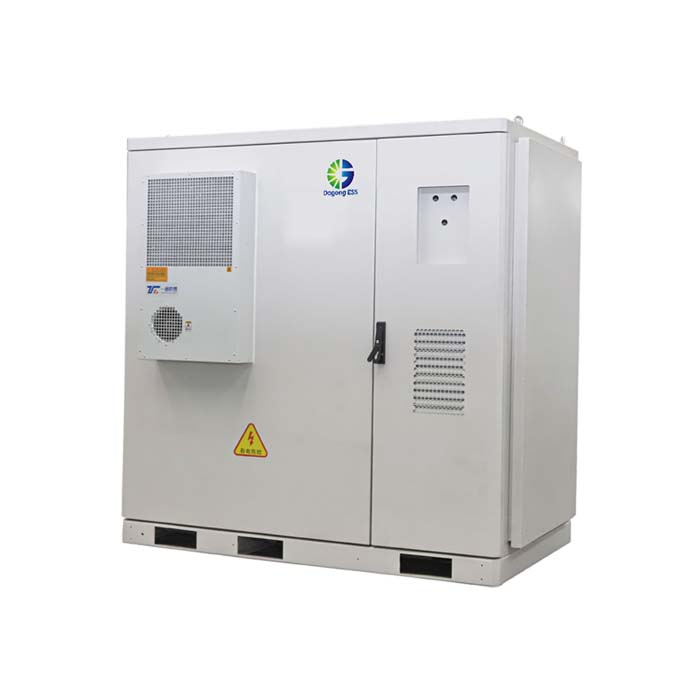
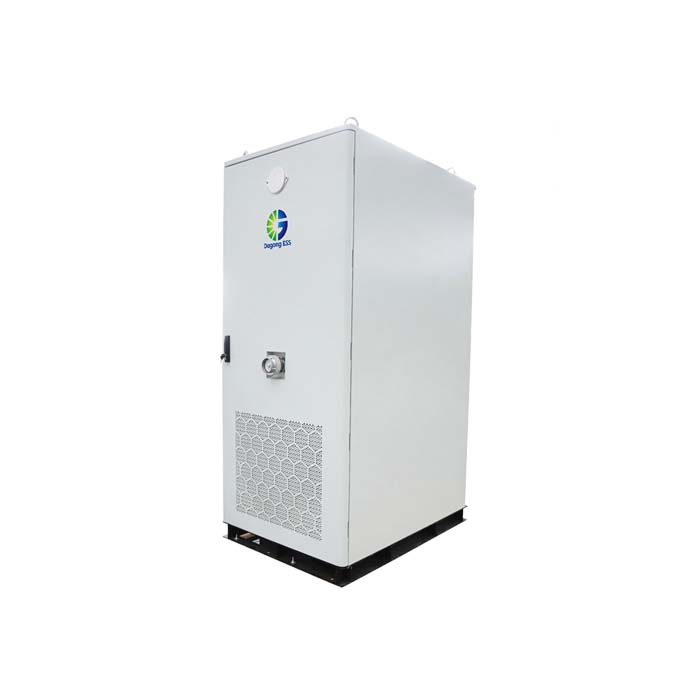
Mid-scale systems such as the 100kWh–144kWh Air-Cooled ESS and 215kWh Liquid-Cooled ESS are often used for localized voltage regulation in commercial and industrial environments.
Power Quality: The Overlooked Role of Energy Storage
Power quality refers to how “clean” and stable electricity is delivered to end users. Poor power quality can cause:
Equipment overheating
Production line interruptions
Data loss in sensitive systems
Reduced equipment lifespan
ESS improves power quality by mitigating:
Harmonics
Voltage sags and swells
Flicker
Unbalanced loads
Through high-speed inverter switching and digital control systems, energy storage acts as a real-time buffer between the grid and sensitive loads.
This is particularly important in factories, data centers, and EV charging stations where even minor disturbances can lead to significant losses.
Grid-Forming vs Grid-Following: The New Control Paradigm
A key evolution in energy storage technology is the shift from grid-following to grid-forming operation.
Grid-following ESS synchronizes with existing grid signals and supports it.
Grid-forming ESS can actually establish voltage and frequency reference on its own.
This means advanced ESS can now behave like a virtual power plant, supporting weak grids or even forming microgrids independently.
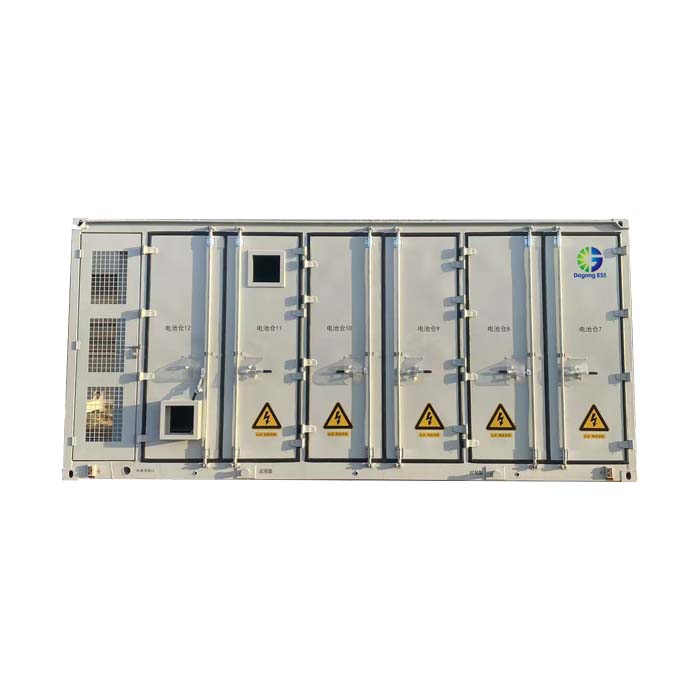
Large-scale systems such as the 372kWh Liquid-Cooled ESS and 5MWh Liquid-Cooled ESS Container are increasingly designed with grid-forming capabilities for industrial parks, renewable integration hubs, and islanded microgrids.
Technical Foundations Behind Ancillary Service Capability
The ability of ESS to provide grid services depends on several core technologies:
1. Power Conversion System (PCS)
The PCS enables precise control of active and reactive power, allowing ESS to respond dynamically to grid conditions.
2. Energy Management System (EMS)
The EMS coordinates charging, discharging, and grid interaction based on real-time signals such as frequency deviation and voltage levels.
3. High-Speed Control Algorithms
Advanced digital controllers process grid data in milliseconds, ensuring ultra-fast response to disturbances.
4. Thermal Management Systems
Air-cooled and liquid-cooled architectures ensure stable operation under continuous high-frequency cycling, which is essential for grid service applications.
Where Are These Systems Used?
Energy storage systems providing ancillary services are deployed across multiple sectors:
Renewable Energy Plants
Solar and wind farms use ESS to smooth fluctuations and provide grid compliance services.
Industrial Parks
Factories use storage systems to stabilize voltage and reduce downtime caused by poor power quality.
Utility-Scale Grids
Large ESS containers support frequency regulation markets and spinning reserve replacement.
Microgrids
ESS acts as both a generator and stabilizer, ensuring independent and reliable power supply.
Dagong ESS Product Applications in Grid Services
Different grid service requirements demand different system scales:
Small commercial voltage support and peak regulation:
100kWh–144kWh Air-Cooled ESSIndustrial energy optimization and reactive power control:
215kWh–416kWh Air-Cooled ESSHigh-load industrial and renewable integration projects:
215kWh Liquid-Cooled ESS and 372kWh Liquid-Cooled ESSUtility-scale frequency regulation and grid-forming applications:
5MWh Liquid-Cooled ESS Container
These systems demonstrate how energy storage has evolved from simple backup power to a core grid infrastructure component.
How Long Do ESS Perform in Ancillary Service Applications?
Because ancillary services require frequent cycling and rapid response, system durability is a critical factor.
Modern lithium iron phosphate (LFP) based systems are designed for:
8000+ charge/discharge cycles
15+ years operational lifespan
High thermal and electrical stability under continuous cycling
This makes them suitable for revenue-generating grid service markets, where systems may operate multiple cycles per day.
How to Select an ESS for Grid Service Applications?
Selecting the right system depends on the specific ancillary service requirement:
For frequency regulation → fast response PCS and high cycle life
For voltage support → strong reactive power control capability
For microgrids → grid-forming functionality
For utility-scale markets → modular and scalable container systems
Other important factors include cooling method, integration complexity, and compliance with grid codes.
The Future of Energy Storage in Grid Stability
Energy storage systems are transitioning from optional infrastructure to essential grid assets. As renewable penetration increases, their role in providing ancillary services will only expand.
Future grids will rely heavily on distributed ESS networks that collectively act as:
Virtual synchronous machines
Frequency stabilizers
Voltage regulators
Power quality conditioners
In this transformation, integrated solutions like those developed by Dagong ESS will continue to play a key role in enabling stable, flexible, and low-carbon power systems.
If you are interested in energy storage system solutions, please contact Dagong ESSEmail: sales@dagongess.com
Website: www.dagongess.com