
 WhatsApp
 sales@dagongess.com
 +86 18137952759
How Battery Energy Storage Supports GPU Data Centers and AI Computing Infrastructure
As artificial intelligence technologies continue to evolve, GPU data centers are becoming a critical part of global digital infrastructure. From large language model training to AI inference services, businesses increasingly rely on high-performance GPU clusters to process complex computing tasks.
These computing workloads require reliable and stable electricity supply, making power infrastructure a key factor in the development of AI computing capacity. In this context, Battery Energy Storage Systems (BESS) are emerging as an important technology supporting AI infrastructure.
By providing backup power, peak shaving, and renewable energy integration, energy storage systems help GPU data centers achieve more reliable and efficient energy management.
Energy Characteristics of GPU Data Centers
Compared with traditional data centers, GPU data centers have significantly higher computing density and electricity demand. AI training and inference tasks require large numbers of GPUs operating in parallel, consuming far more power than standard servers.
For example, a large AI training cluster may contain thousands of GPUs, with each server rack consuming tens of kilowatts of electricity. When operating simultaneously, these systems dramatically increase total data center power demand.
The energy requirements of GPU data centers mainly come from several sources.
First, high-power computing hardware such as GPUs and AI accelerators.
Second, continuous AI inference workloads, which often operate around the clock.
Third, advanced cooling systems required to manage heat generated by high-performance processors.
These factors make GPU data centers highly energy-intensive infrastructure.
The Role of Energy Storage in GPU Data Centers
Energy storage systems can help GPU data centers address several energy management challenges.
Power Stability
AI computing workloads require extremely stable power supply. Energy storage systems can respond instantly to grid fluctuations, ensuring uninterrupted operation.
Peak Shaving
During peak electricity demand periods, energy storage systems can release stored electricity to reduce pressure on the grid and lower energy costs.
Backup Power
In the event of grid outages, energy storage systems provide immediate backup power to protect critical computing equipment.
Renewable Energy Integration
Many data centers are adopting renewable energy sources such as solar or wind power. Energy storage systems store excess energy and release it when needed, improving energy efficiency.
Energy Storage Solutions for GPU Data Centers
Different energy storage systems can support different data center scales.
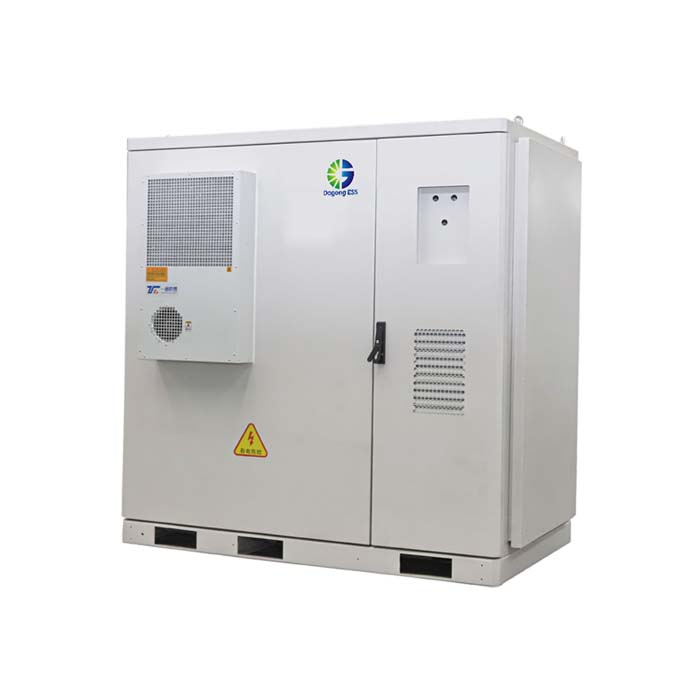
1. Commercial Energy Storage Systems
For medium-scale computing facilities, modular solutions such as:
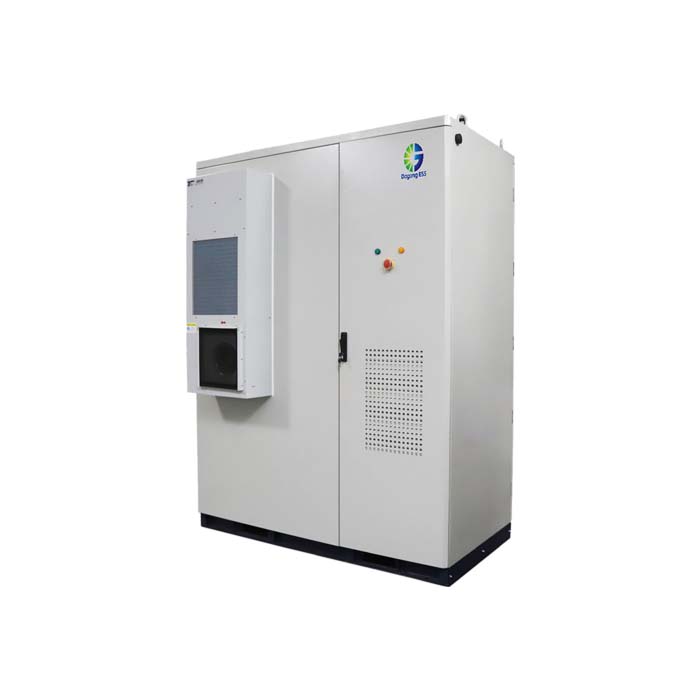
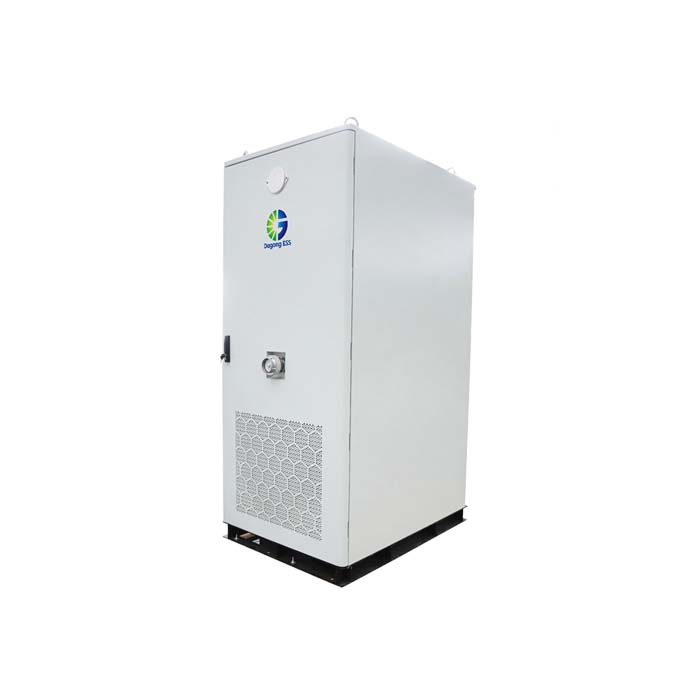
100kWh–144kWh Air-Cooled ESS
241kWh–418kWh Air-Cooled ESS
offer flexible deployment and capacity expansion.
2. Liquid-Cooled Energy Storage Systems
For high-density computing environments, liquid-cooled systems provide improved thermal management, including:
241kWh Liquid-Cooled ESS
3. Containerized Energy Storage Systems
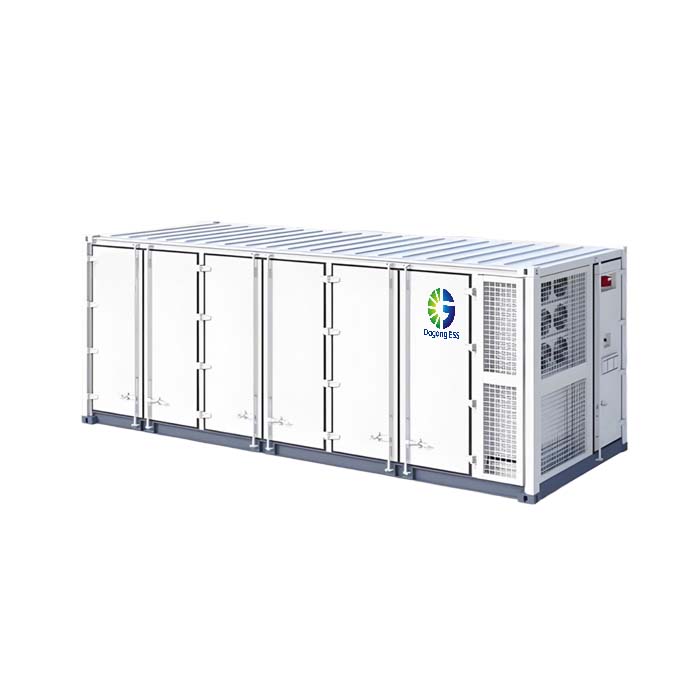
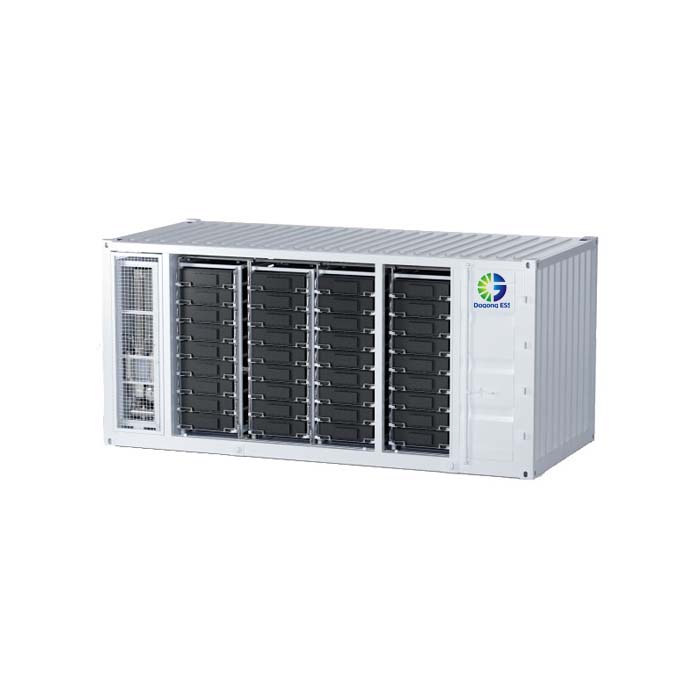
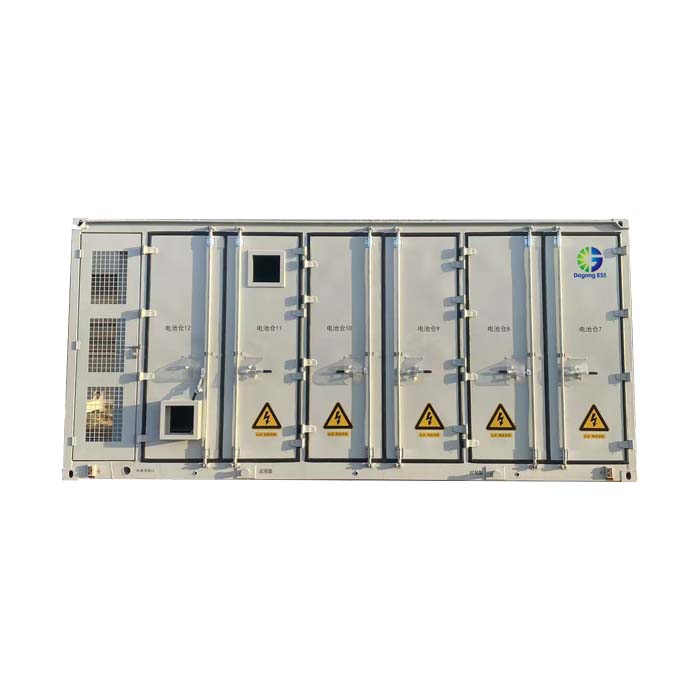
Large GPU computing campuses may deploy containerized storage systems such as:
5MWh Liquid-Cooled ESS Container
These systems support large-scale power management and grid integration.
Lifespan and Safety of Energy Storage Systems
Modern battery energy storage systems commonly use lithium iron phosphate battery technology, which provides strong safety performance and long lifecycle.
Typical specifications include:
More than 8000 charge cycles
Service life exceeding 15 years
Advanced battery management systems continuously monitor battery status to ensure safe and reliable operation.
These features make energy storage systems well suited for long-term AI infrastructure deployment.
The Future of AI Computing and Energy Storage
As AI technologies continue to evolve, GPU data centers will expand rapidly. AI infrastructure is expected to become one of the major drivers of global electricity demand.
In this context, energy storage technologies will play an increasingly important role by:
stabilizing power supply for AI data centers
improving grid energy efficiency
enabling renewable energy adoption
reducing operational costs
For these reasons, energy storage systems are becoming a key energy infrastructure for the AI computing era.
If you are interested in energy storage solutions for AI computing projects, please contact Dagong ESS.
Email: sales@dagongess.com