
 WhatsApp
 sales@dagongess.com
 +86 18137952759
How Are Policies Driving Energy Storage Adoption Worldwide?
Energy storage policies include:
Mandatory BESS deployment with renewable generation
Subsidies, tax incentives, and low-interest loans
Grid connection standards and safety regulations
Performance requirements for capacity, efficiency, and reliability
For instance, some Indian states now require BESS installations alongside solar farms, while European countries implement real-time storage data platforms to monitor grid integration.
Types of ESS Affected by Policies
Policies apply to various scales of ESS:
Residential ESS (5–30 kWh) with grid-connected solar
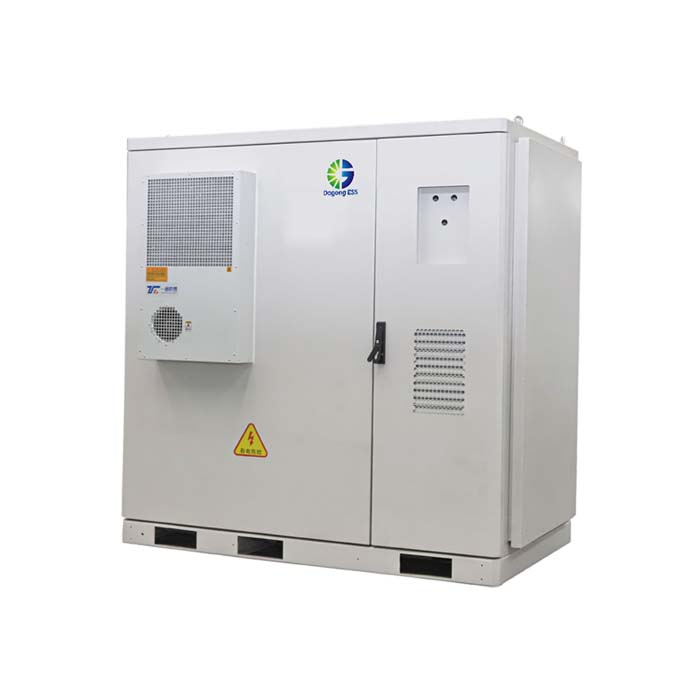
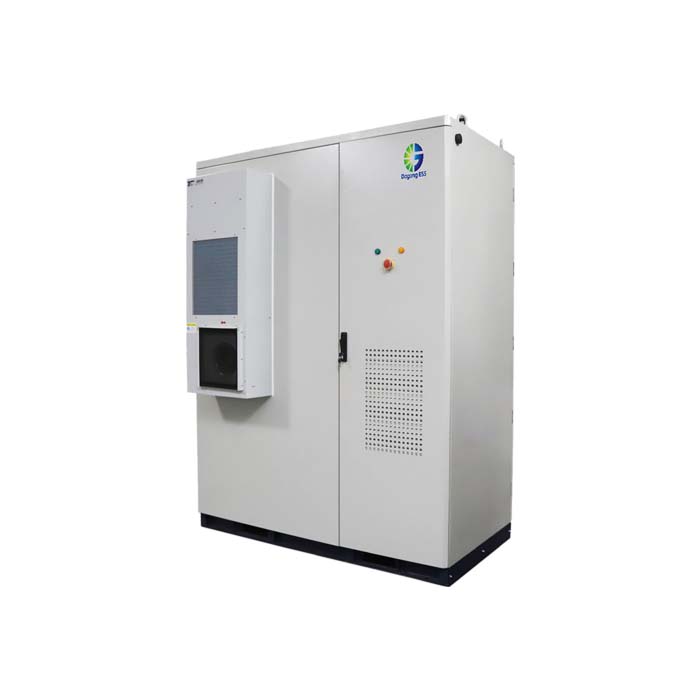
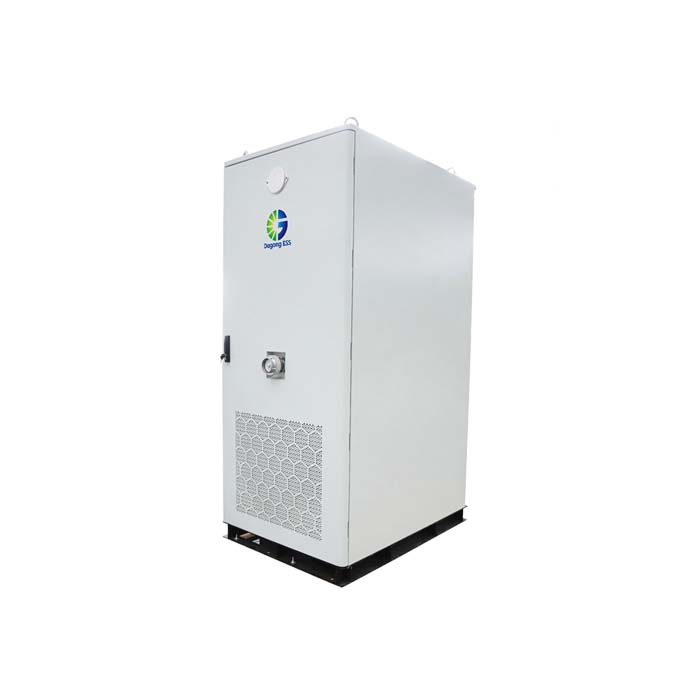
C&I Air-Cooled ESS (100–241 kWh) for commercial energy management
Liquid-Cooled ESS (215–372 kWh) for industrial backup and peak shaving
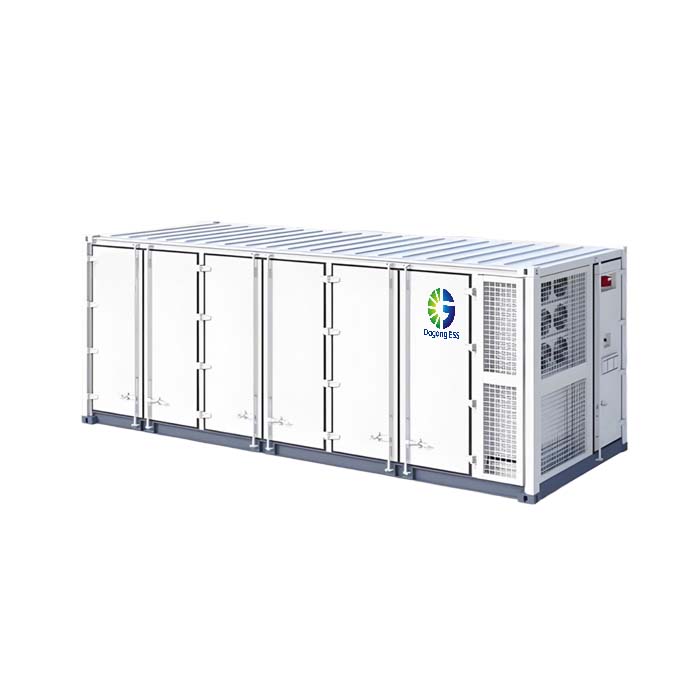
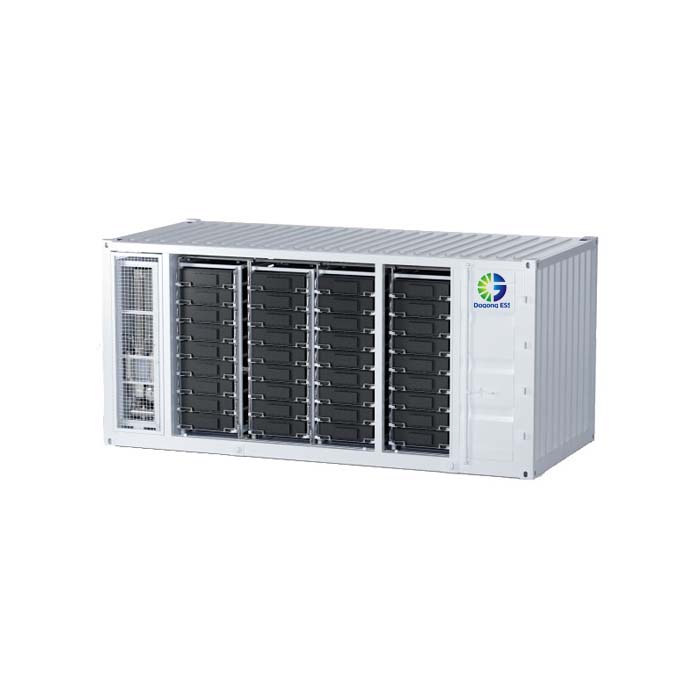
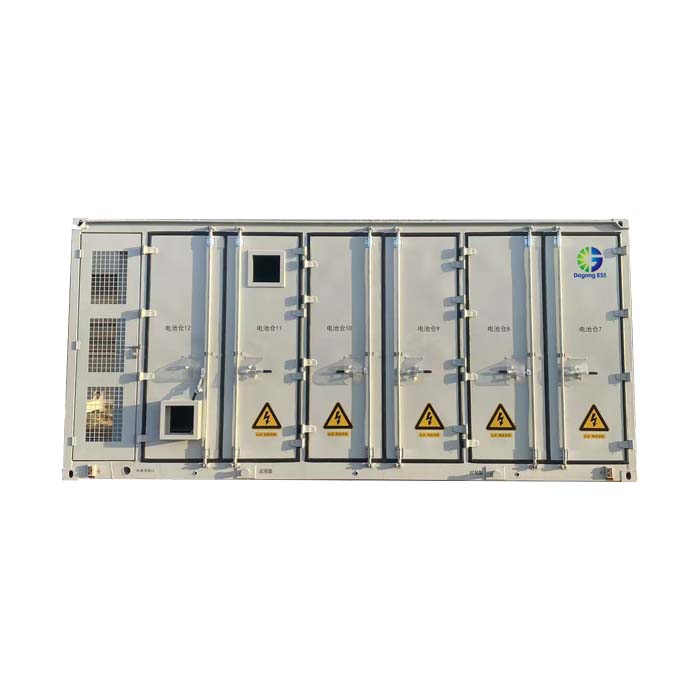
Containerized ESS (3.35–5 MWh) for utility-scale renewable projects
These policies often dictate compliance with safety, thermal management, and performance standards, influencing the choice of cooling systems and accessories like heat dissipation plates and protection films.
Features of Policy-Compliant ESS
Key features driven by regulation:
Reliable performance and high safety standards
Advanced monitoring and reporting
Modular design for capacity scaling
Compatibility with renewable energy generation
Integration with industrial automation and demand response
Suppliers often recommend Dagong ESS 100–372kWh air-cooled and liquid-cooled systems for compliance with both residential and C&I policy requirements.
Applications Highlighted by Policies
Policy-driven deployment encourages:
Commercial peak shaving and load management
Industrial backup power systems
Renewable energy storage for solar and wind farms
Community microgrid projects
Behind-the-meter energy shifting and demand response
Large containerized ESS like 5MWh Liquid-Cooled Container Energy Storage System are particularly favored for compliance in large-scale renewable integration projects.
Price of Policy-Compliant ESS
Cost considerations include:
System capacity and scale
Compliance with local safety and thermal management regulations
Monitoring and reporting capabilities
Installation and permitting requirements
Project-specific quotations are provided after evaluating the site, regulatory requirements, and ESS configuration.
How to Select ESS for Policy Compliance?
Selection criteria include:
Regulatory compliance for capacity and safety
Cooling system suitable for local climate
Modular architecture for expansion
Compatible accessories like heat dissipation plates and protection films
Monitoring and reporting capabilities
Dagong ESS supports modular solutions for policy-driven applications, ranging from 100kWh modules to 5MWh containerized systems, along with compatible thermal management and safety accessories.
The Supplier of Policy-Compliant ESS
Key supplier capabilities:
Provide ESS solutions aligned with local regulations
Offer both air-cooled and liquid-cooled modular systems
Deliver compatible accessories for safety and thermal compliance
Support engineering, commissioning, and reporting requirements
Dagong ESS offers modular 100–372kWh systems and containerized 3.35–5MWh ESS, fully compatible with global regulatory frameworks and policy-driven deployment needs.
If you are interested in policy-compliant energy storage system products, please contact Dagong ESS,Email: sales@dagongess.com