
 WhatsApp
 sales@dagongess.com
 +86 18137952759
How AI Agents Like OpenClaw Are Reshaping Data Center Power Infrastructure and Energy Storage Demand
As artificial intelligence enters a new phase of development, AI is no longer limited to simple chat interfaces. Instead, it is evolving into AI agents capable of executing tasks autonomously. One of the most discussed projects in this area is OpenClaw, an open-source AI agent framework that has recently attracted significant attention.
OpenClaw enables developers to create AI systems capable of performing complex tasks automatically. These tasks include monitoring data, analyzing information, generating reports, and managing workflows across different software platforms. By connecting large language models with external tools, AI agents can operate continuously and automate a wide range of business processes.
This technology is changing the way companies use AI. Increasingly, businesses are deploying AI agents to automate operations, from customer service and market analysis to IT management.
However, behind this automation capability lies a rapidly growing demand for computing resources. When thousands or even millions of AI agents run simultaneously, the required computing power and electricity consumption increase significantly. As a result, global data center infrastructure is facing new challenges.
AI Computing Growth and Data Center Power Demand
Traditional data centers were mainly designed for data storage and enterprise applications. AI data centers, however, must handle much more complex computational workloads.
For example, large language models require powerful GPU clusters for inference tasks. AI agent systems often run continuously, which means servers must operate at high capacity around the clock.
As AI applications expand, data centers face several key energy challenges.
First, high power density. AI servers consume significantly more electricity than traditional servers.
Second, continuous operation. AI agent systems often need to run 24 hours a day.
Third, increasing cooling demand. High-performance processors generate substantial heat, requiring advanced cooling systems.
These factors require data centers to build more reliable and efficient power infrastructure, where energy storage systems are becoming increasingly important.
Why Data Centers Need Energy Storage Systems
In AI data center environments, power stability is essential. Even a brief interruption in electricity supply can lead to server shutdowns or data loss.
Energy storage systems can enhance data center energy management in several ways.
First, they provide power stability by responding quickly to grid fluctuations.
Second, they enable energy cost optimization. Data centers can store electricity during off-peak periods and use it during peak hours.
Third, they support renewable energy integration. Many technology companies are adopting solar and wind power for their data centers, and energy storage helps balance the intermittency of these sources.
As a result, energy storage systems improve both operational reliability and sustainability.
Energy Storage Solutions for AI Data Centers
Different types of energy storage systems can support different scales of data center infrastructure.
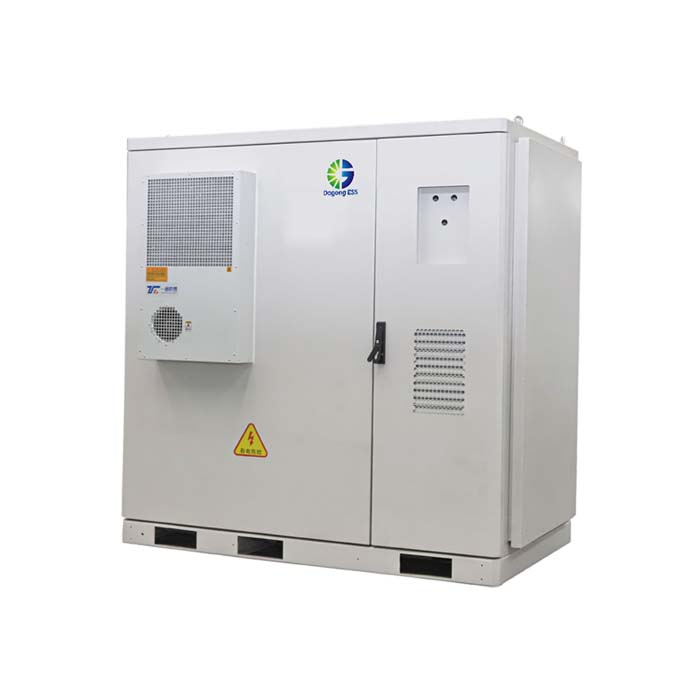
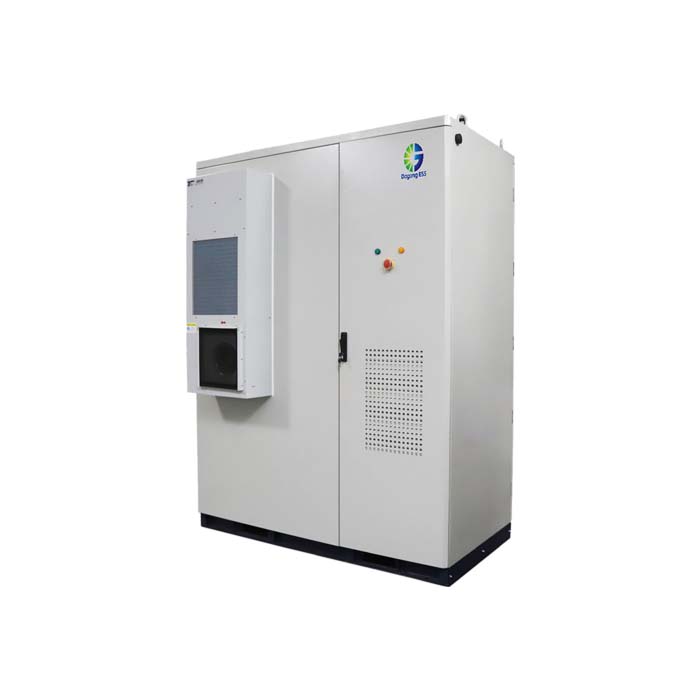
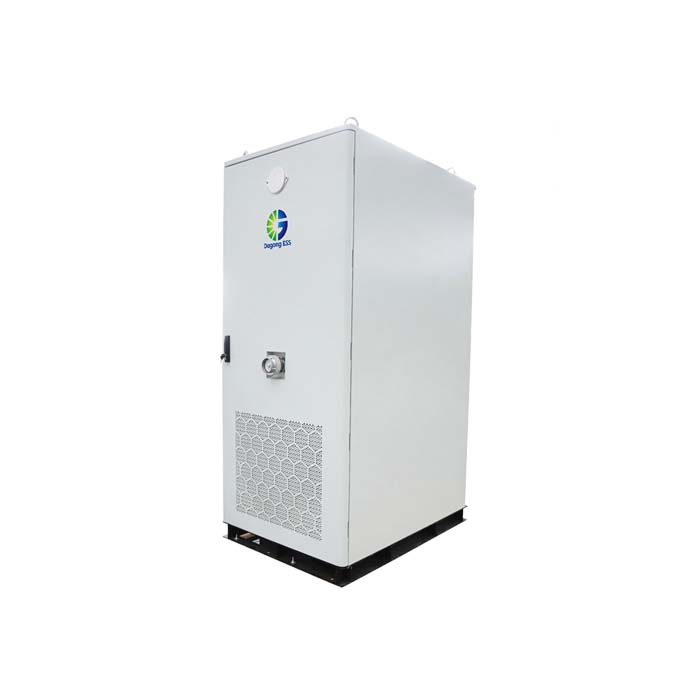
For medium-scale computing facilities, modular commercial energy storage systems such as:
100kWh–144kWh Air-Cooled ESS
241kWh–418kWh Air-Cooled ESS
provide flexible capacity expansion.
For high-density AI computing environments, liquid-cooled storage systems such as:
372kWh Liquid-Cooled ESS
offer improved thermal performance and operational stability.
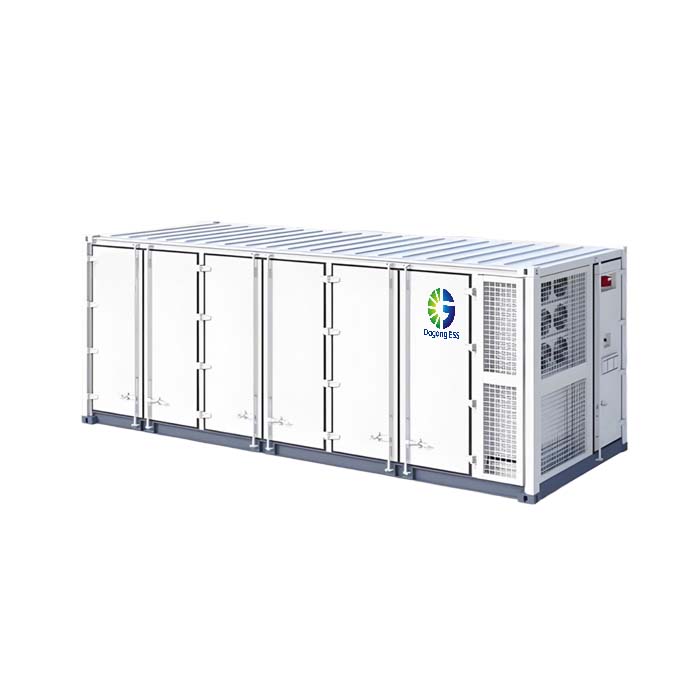
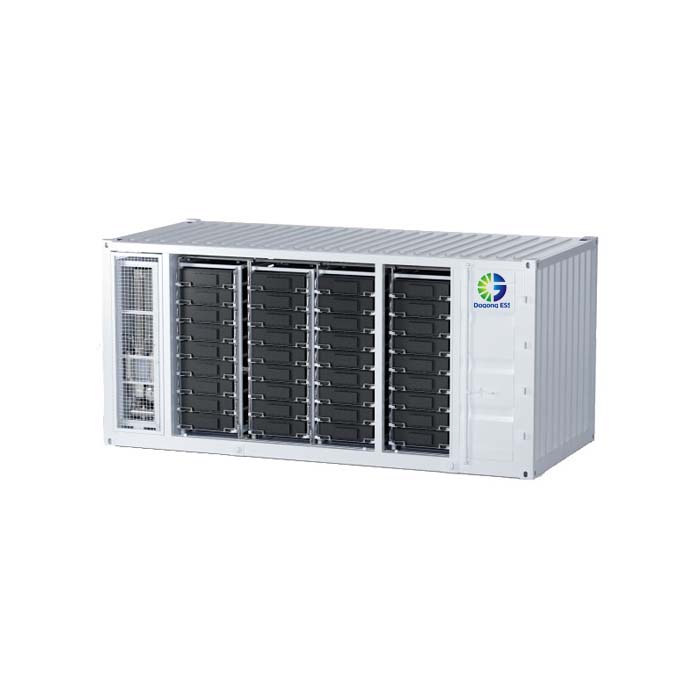
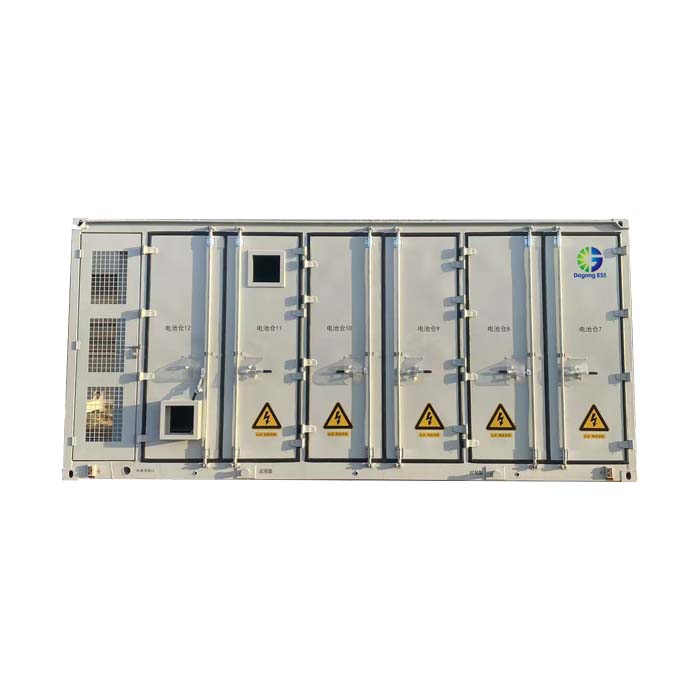
Large AI campuses or computing hubs may deploy containerized systems such as:
These solutions support large-scale energy management and grid integration.
Selecting Energy Storage for AI Infrastructure
When selecting energy storage systems for AI infrastructure, several factors should be considered.
The first is energy capacity, which must match the peak electricity demand of the data center.
The second is cooling technology, where liquid-cooled systems are often preferred for high-power environments.
The third is scalability, as modular designs allow future expansion.
Finally, safety monitoring systems are essential for ensuring reliable operation.
The Future of AI and Energy Infrastructure
As AI agent technologies continue to evolve, the scale and number of data centers will continue to grow.
Future AI infrastructure will require not only powerful computing capabilities but also stable and efficient energy systems.
Energy storage will play a critical role by:
stabilizing data center power supply
supporting renewable energy adoption
improving energy efficiency
reducing operating costs
In the digital economy of the future, AI computing power and energy storage systems will become deeply interconnected infrastructures.
If you are interested in energy storage products, please contact Dagong ESS.
Email: sales@dagongess.com