
 WhatsApp
 sales@dagongess.com
 +86 18137952759
From AI Agents to AI Cities: Why Energy Storage Will Power the Future AI Economy
As artificial intelligence continues to evolve, AI is transforming from a software tool into a powerful force reshaping economic systems. In recent years, AI agent frameworks such as OpenClaw have significantly expanded the automation capabilities of artificial intelligence, enabling AI to perform complex tasks across industries.
This transformation is extending beyond software applications. AI technologies are increasingly integrated into urban infrastructure, transportation systems, industrial automation, and intelligent energy management.
As a result, many experts believe that future cities will gradually evolve into AI-driven cities, where artificial intelligence plays a central role in managing digital and physical systems.
However, the rapid expansion of the AI economy also introduces a major challenge: growing energy demand.
Rising Energy Demand in the AI Economy
At the core of artificial intelligence is computing power. Whether for large language models, AI agents, or automation systems, significant computational resources are required.
As AI technology spreads across industries, energy demand grows in several key areas.
First, AI data centers require large clusters of GPU servers that must operate continuously.
Second, edge computing devices are increasingly deployed in smart cities and industrial systems to process AI workloads locally.
Third, intelligent infrastructure systems, including smart transportation networks and automated facilities, rely heavily on AI.
When these systems operate simultaneously, electricity demand increases substantially.
This makes reliable energy infrastructure a fundamental requirement for the AI economy.
The Challenge of Renewable Energy
To reduce carbon emissions, many countries and technology companies are expanding the use of renewable energy sources such as solar and wind.
However, renewable energy is inherently intermittent and variable. Solar power cannot generate electricity at night, and wind energy output fluctuates depending on weather conditions.
In contrast, AI computing systems require continuous and stable electricity supply.
This creates a critical challenge: how to ensure reliable power supply for AI systems while relying on renewable energy sources.
Energy storage systems provide a key solution to this challenge.
Energy Storage Applications in the AI Economy
Energy storage systems support the AI economy in multiple scenarios.
AI Data Centers
Energy storage provides backup power and helps balance electricity loads in data centers.
Smart Cities
Future AI-driven cities will rely on stable power supply for intelligent transportation systems, edge computing devices, and digital infrastructure.
Industrial AI Automation
Manufacturing industries are adopting AI technologies such as robotics and automated production lines. Energy storage systems help factories build microgrids and improve energy efficiency.
Energy Storage Technologies for AI Infrastructure
Modern energy storage systems are primarily based on lithium-ion battery technology, especially lithium iron phosphate batteries, which offer strong safety performance and long lifecycles.
Common energy storage solutions include:
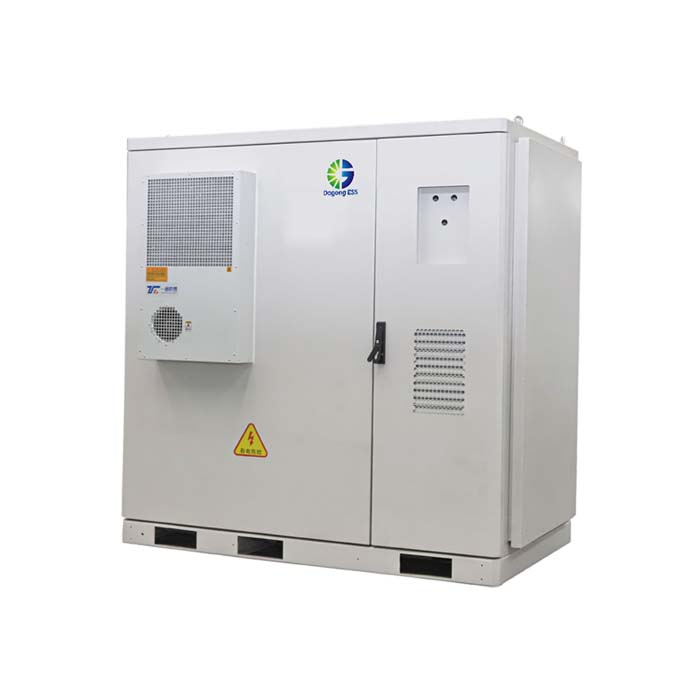
1. Commercial and Industrial Energy Storage
Suitable for commercial buildings, industrial parks, and mid-scale computing centers:
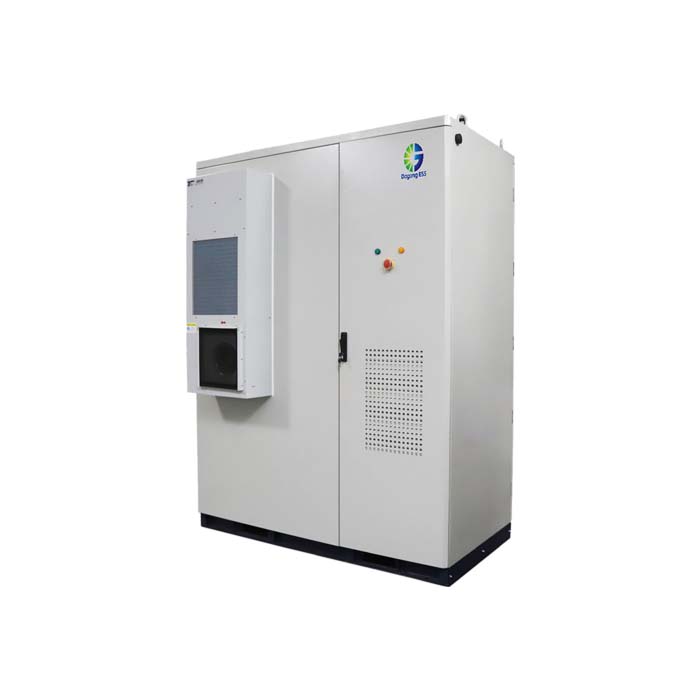
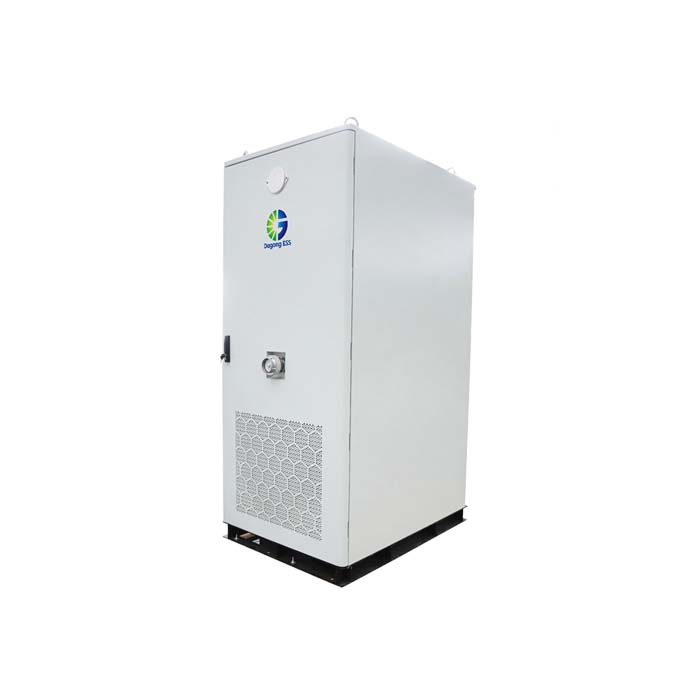
100kWh–144kWh Air-Cooled ESS
241kWh–418kWh Air-Cooled ESS
These modular systems allow flexible capacity expansion.
2. Liquid-Cooled Energy Storage
For high-power applications, liquid-cooled storage systems provide improved thermal management:
241kWh Liquid-Cooled ESS
372kWh Liquid-Cooled ESS
3. Containerized Energy Storage
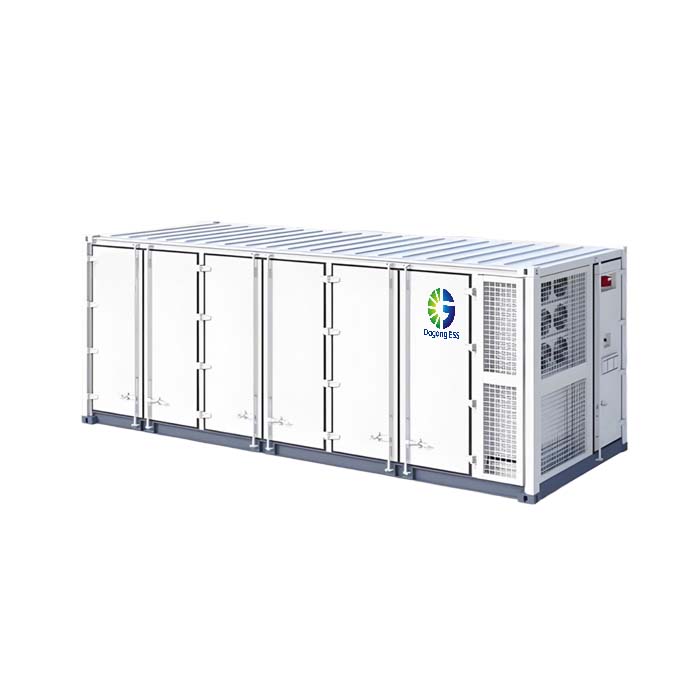
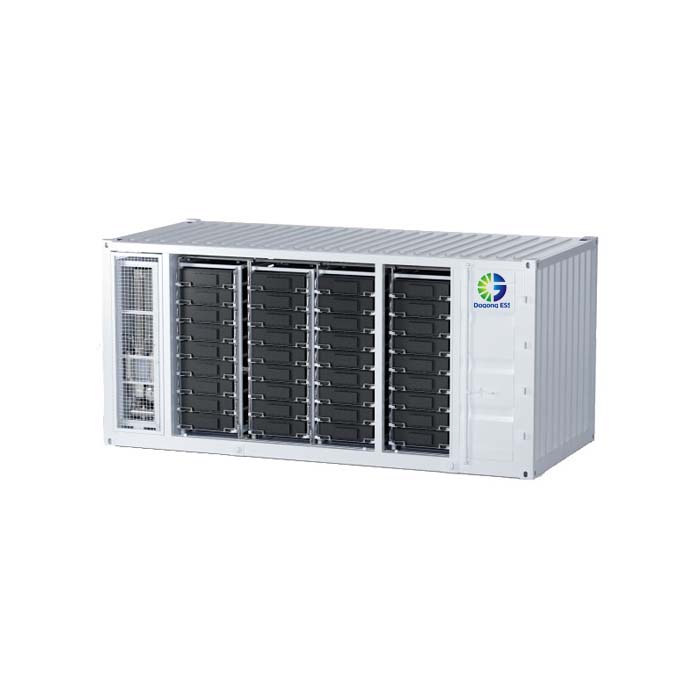
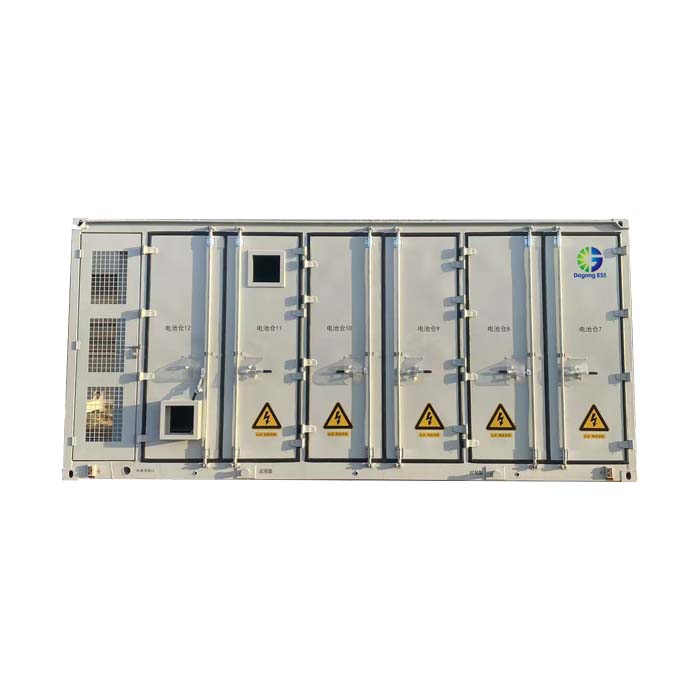
Large AI campuses and utility-scale energy projects may deploy containerized storage solutions such as:
These systems support large-scale energy management and grid integration.
Lifespan and Reliability of Energy Storage Systems
In large infrastructure projects, reliability is essential.
Modern energy storage systems typically provide:
More than 8000 charge cycles
Service life exceeding 15 years
Advanced battery management systems continuously monitor battery conditions to ensure safe operation.
These capabilities make energy storage a critical component of AI economy infrastructure.
The Future of AI and Energy Infrastructure
As AI technologies continue to evolve, more systems across society will rely on computing power.
From data centers to smart cities and industrial automation, AI will become a central driver of economic growth.
At the same time, energy systems must evolve to support this transformation. Energy storage technologies will play a vital role by:
stabilizing power supply for AI infrastructure
supporting renewable energy integration
improving grid flexibility
reducing energy costs
In the emerging AI economy, computing power and energy storage will become deeply interconnected infrastructures.
If you are interested in energy storage solutions for AI computing projects, please contact Dagong ESS.
Email: sales@dagongess.com