
 WhatsApp
 sales@dagongess.com
 +86 18137952759
From 314Ah to 588Ah+: How Large Battery Cells Are Reshaping Energy Storage System Design
A Structural Shift in Energy Storage Systems
The evolution of battery cells is fundamentally transforming how energy storage systems are designed. The transition from 314Ah to 500Ah+ cells is not just a component upgrade—it represents a system-level redesign.
With larger cells, engineers can rethink everything from module architecture to container layout, leading to more efficient and cost-effective solutions.
System-Level Benefits of Large-Capacity Cells
The adoption of 500Ah+ cells brings several system-level advantages:
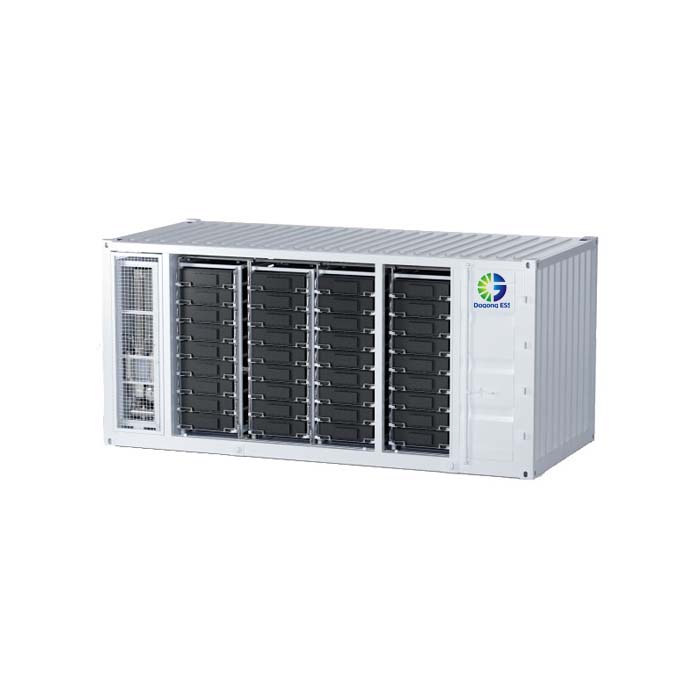
Reduced component count, simplifying system architecture
Lower installation complexity, accelerating project deployment
Improved energy density, maximizing capacity within limited space
Enhanced lifecycle performance, reducing maintenance needs
These benefits are particularly significant for large-scale and high-demand applications.
Impact on Container Energy Storage Systems
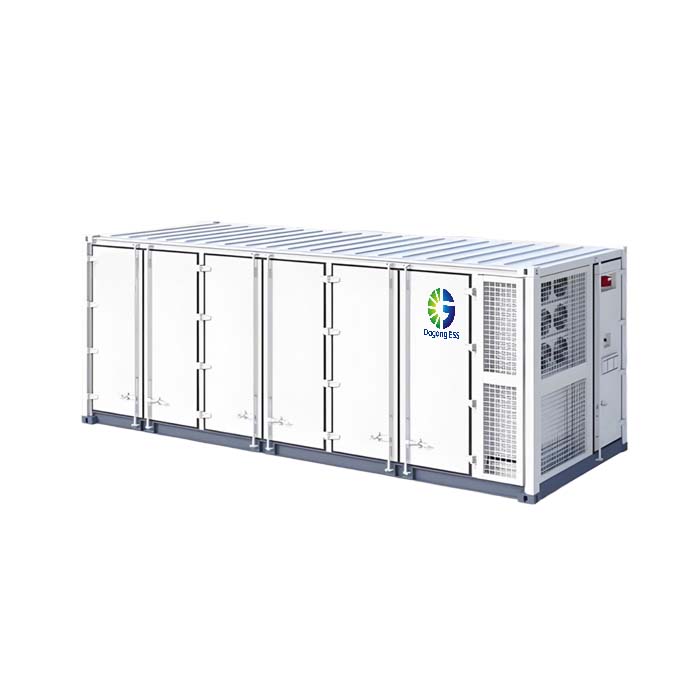
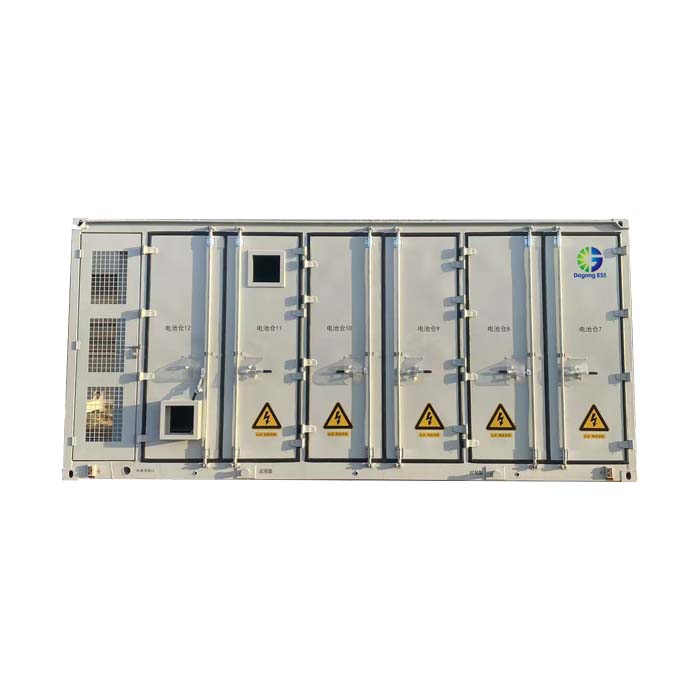
Containerized storage systems are among the biggest beneficiaries of large-capacity cells.
Traditional 5MWh systems based on 314Ah cells are now being replaced by 6MWh+ designs using 500Ah+ cells, achieving:
Higher energy density
Smaller footprint
Lower balance-of-system costs
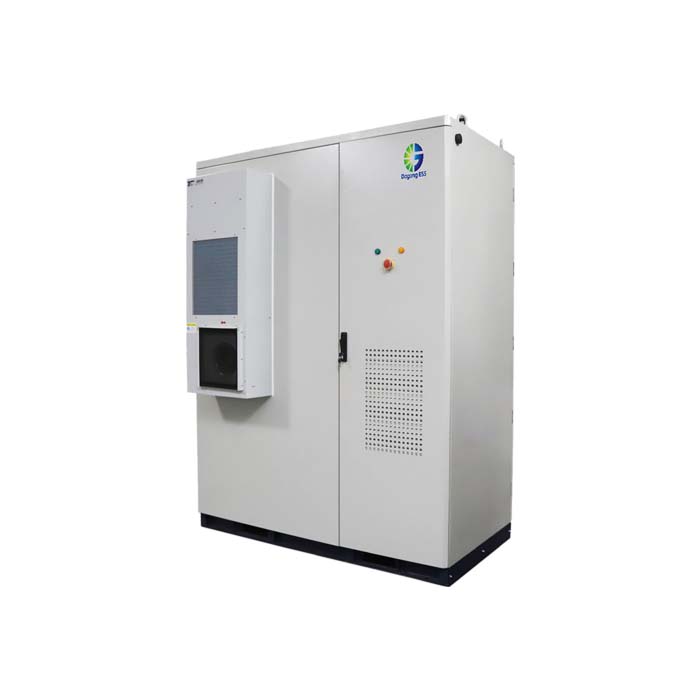
For example, systems like the 5MWh Liquid-Cooled ESS Container can achieve improved performance and efficiency when integrated with large-format cells.
Advancements in Cooling and Safety Design
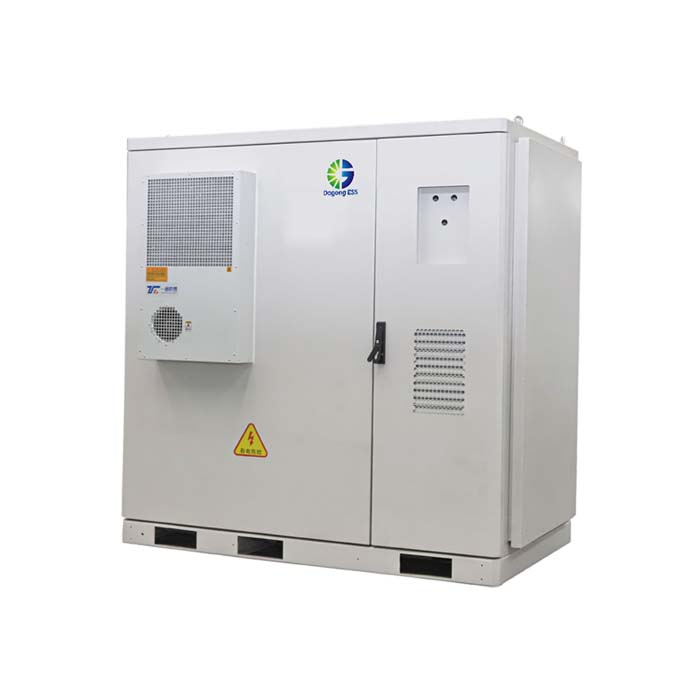
As cell capacity increases, thermal management becomes a critical design factor.
Liquid cooling has emerged as the preferred solution for large-capacity systems, offering:
Uniform temperature distribution
Improved safety
Longer battery lifespan
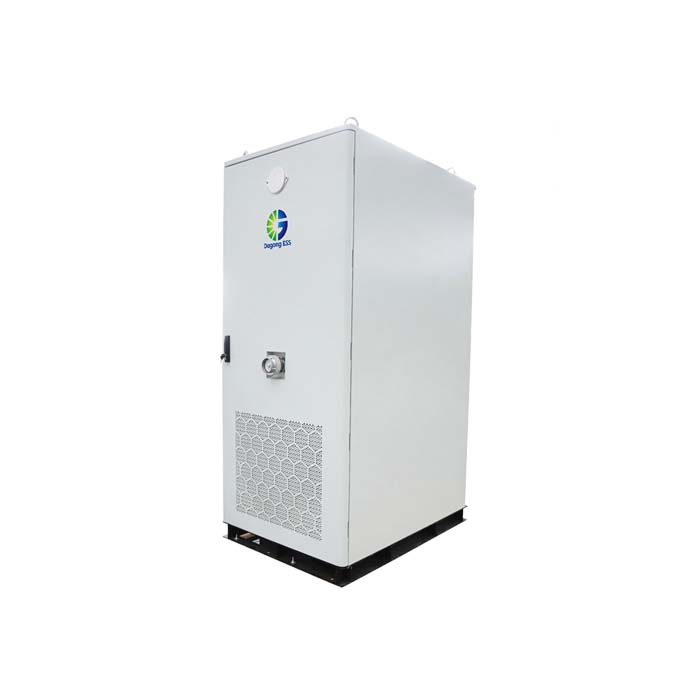
This is why advanced systems such as the 241kWh and 372kWh Liquid-Cooled ESS are increasingly adopted in high-performance applications.
Applications Across Key Sectors
Large-capacity cell-based systems are reshaping multiple sectors:
Utility-scale projects benefit from higher capacity and reduced costs.
Industrial facilities gain improved peak shaving and backup capabilities.
Data centers achieve stable and long-duration power supply.
Renewable integration projects benefit from better energy shifting capabilities.
These applications demonstrate how system design evolution directly impacts real-world performance.
Design Considerations for Future Projects
When selecting energy storage systems based on large-capacity cells, several factors should be considered:
Thermal management strategy (air vs. liquid cooling)
System scalability and modularity
Safety and certification standards
Project-specific energy requirements
A well-designed system must balance performance, safety, and cost efficiency.
The transition to 500Ah+ battery cells is driving a new generation of energy storage system design. By enabling higher efficiency, better scalability, and improved performance, large-capacity cells are reshaping the industry from the ground up.
For project developers and energy managers, understanding this shift is essential for making informed investment decisions in the evolving energy landscape.
If you are interested in energy storage systems designed with large-capacity battery technology, please contact Dagong ESS.Email: sales@dagongess.com
Website: www.dagongess.com