
 WhatsApp
 sales@dagongess.com
 +86 18137952759
Container Energy Storage Systems in Africa: Reliable Power Solutions for Commercial and Industrial Growth
Across Africa, power reliability remains one of the most critical challenges for economic growth. Frequent outages, grid instability, and rising energy demand continue to disrupt operations in key markets such as South Africa, Nigeria, and Kenya. For businesses operating in commercial and industrial sectors, these disruptions translate directly into production losses, increased operational costs, and reduced competitiveness.
In this context, Container Energy Storage Systems (Container ESS) are rapidly emerging as a practical and scalable solution. By combining high-capacity battery storage with modular design and fast deployment capabilities, these systems are transforming how African businesses approach energy security and cost management.
What is a Container Energy Storage System?
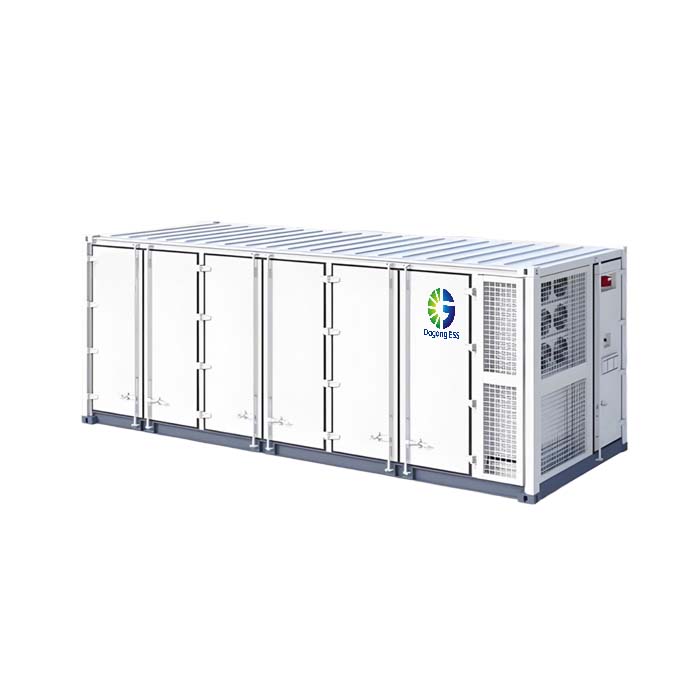
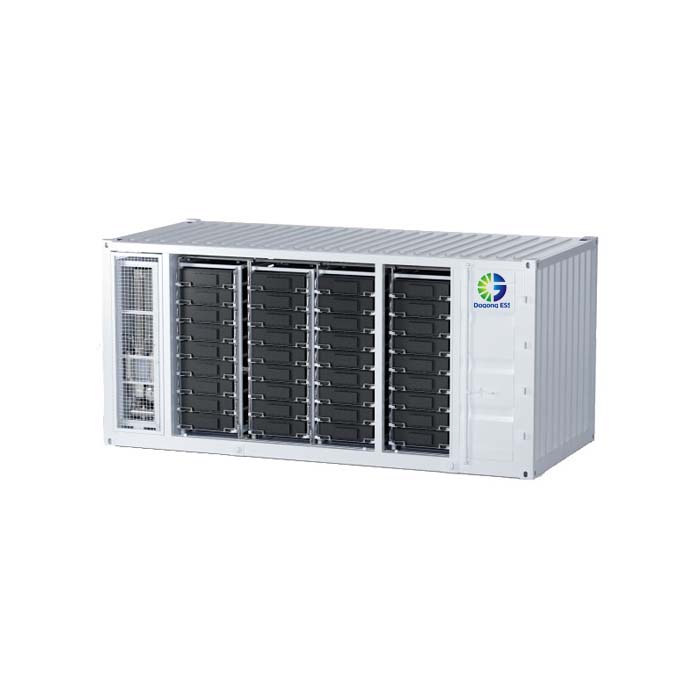
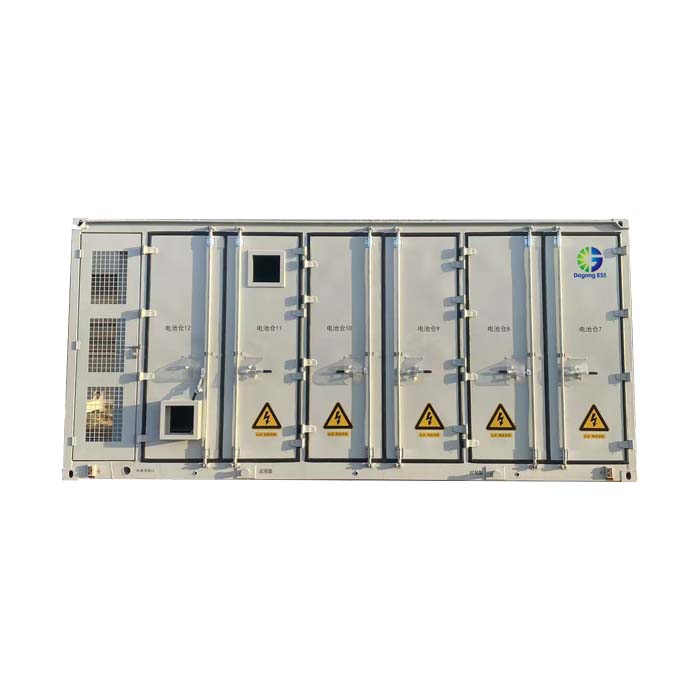
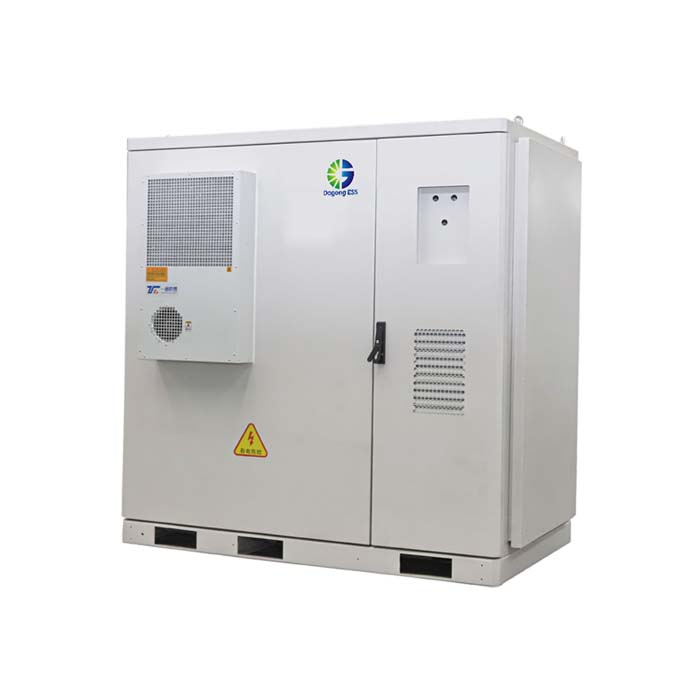
A Container Energy Storage System is a large-scale battery storage solution integrated into a standardized shipping container. It combines battery modules, power conversion systems (PCS), battery management systems (BMS), and thermal management technologies into a single, pre-engineered unit.
Unlike traditional fixed installations, containerized systems are designed for plug-and-play deployment. This allows for faster installation, simplified transportation, and flexible scaling. Capacities typically range from several hundred kilowatt-hours to multiple megawatt-hours, making them suitable for industrial facilities, commercial complexes, and even utility-scale applications.
Most modern systems utilize Lithium Iron Phosphate (LFP) battery chemistry, known for its safety, long cycle life, and thermal stability—key advantages in Africa’s diverse and often harsh environmental conditions.
Why Africa Needs Container ESS Solutions
Africa’s energy landscape is characterized by a combination of rapid demand growth and insufficient grid infrastructure. In many regions, grid supply cannot keep pace with industrial expansion, leading to frequent power interruptions.
For example, South Africa’s load shedding has become a structural issue, affecting industries ranging from mining to manufacturing. In Nigeria, grid reliability remains inconsistent, forcing businesses to rely heavily on diesel generators. Meanwhile, countries like Kenya are expanding renewable energy capacity but face challenges related to intermittency and energy storage.
Container ESS addresses these issues by providing:
Reliable backup power during outages
Reduced dependence on diesel generators
Improved energy efficiency and cost control
Enhanced integration of renewable energy sources
This combination makes containerized storage a strategic investment rather than just a backup solution.
Key Features of Modern Container ESS
High Capacity and Scalability
Container ESS solutions are designed to handle large energy demands. Systems such as 3–5 MWh configurations can support entire industrial facilities or commercial operations. The modular design allows businesses to expand capacity as their energy needs grow, avoiding the need for complete system replacement.
Long Lifespan and Low Maintenance
With 8,000+ charge-discharge cycles and a service life exceeding 15 years, LFP-based systems provide long-term reliability. This durability significantly lowers the total cost of ownership compared to traditional backup solutions.
Advanced Thermal Management
Thermal management is critical for maintaining performance and safety, especially in high-temperature environments. Modern systems incorporate air-cooled or liquid-cooled designs to ensure stable operation and extend battery life.
Intelligent Energy Management
Integrated BMS and energy management systems monitor real-time parameters such as voltage, temperature, and state of charge. This ensures optimal performance, prevents system failures, and enables predictive maintenance.
International Certifications
High-quality systems comply with international standards such as CE and UN38.3, ensuring safety, transportability, and regulatory compliance across different markets.
Applications in Africa’s Commercial and Industrial Sector
Industrial and Manufacturing Facilities
Industries in Africa require stable and continuous power to maintain production efficiency. Container ESS provides immediate backup during outages, preventing downtime and protecting sensitive equipment.
Mining Operations
Mining is one of Africa’s most energy-intensive sectors. Reliable power is essential for extraction, processing, and safety systems. Container ESS reduces reliance on diesel while ensuring uninterrupted operations.
Commercial Buildings and Retail Centers
Shopping malls, office buildings, and hotels benefit from uninterrupted power supply, especially in urban centers. Energy storage systems help maintain operations during grid disruptions while reducing peak electricity costs.
Telecommunications and Data Centers
Telecom infrastructure and data centers demand high reliability. Container ESS ensures continuous operation of critical systems, supporting digital connectivity across the continent.
Renewable Energy Integration
As solar and wind installations grow across Africa, energy storage becomes essential for balancing supply and demand. Container ESS stores excess renewable energy and delivers it when needed, improving overall system efficiency.
Price Considerations and Investment Value
The cost of Container ESS varies depending on capacity, configuration, and project requirements. While initial investment may be significant, the long-term benefits often outweigh upfront costs.
Key factors influencing pricing include:
Battery capacity (kWh/MWh)
Power rating (kW/MW)
Cooling technology (air vs. liquid)
Installation and integration complexity
Certification and warranty coverage
When evaluating investment, businesses should focus on total lifecycle value rather than initial price. Savings from reduced diesel consumption, lower maintenance costs, and improved operational efficiency contribute to a strong return on investment.
How to Select the Right Container ESS
Choosing the right system requires a clear understanding of operational needs and project conditions. Key considerations include:
Energy Demand Analysis
Evaluate peak load requirements and desired backup duration to determine appropriate system capacity.
Application Scenario
Identify whether the system will be used for backup power, peak shaving, renewable integration, or a combination of functions.
Environmental Conditions
Consider local climate factors such as temperature, humidity, and dust levels when selecting cooling and enclosure options.
Scalability and Future Expansion
Opt for modular systems that allow capacity expansion as business needs evolve.
Technical Support and Service
Reliable after-sales support, including installation guidance and maintenance services, is essential for long-term performance.
System Lifespan and Maintenance
A well-designed Container ESS can operate reliably for more than 15 years. Minimal maintenance is required, typically including periodic inspections, thermal system checks, and software updates.
Factors such as operating temperature, depth of discharge, and usage patterns influence system longevity. Proper system design and maintenance ensure consistent performance and maximize return on investment.
Container Energy Storage Systems are redefining how Africa’s commercial and industrial sectors approach energy challenges. By providing reliable backup power, enabling renewable integration, and reducing operational costs, these systems offer a comprehensive solution to one of the continent’s most pressing issues.
As Africa continues its path toward industrialization and energy transition, containerized storage will play an increasingly important role in ensuring stability, efficiency, and sustainability.
For businesses seeking to enhance energy resilience and optimize costs, investing in Container ESS is no longer optional—it is a strategic necessity.
If you are interested in Container Energy Storage System products, please contact Dagong ESS.Email: sales@dagongess.com
Website: www.dagongess.com