
 WhatsApp
 sales@dagongess.com
 +86 18137952759
Container Energy Storage System: A Practical Solution for Africa’s Power Challenges
Across Africa, power supply instability remains a persistent challenge. From scheduled outages in South Africa to grid unreliability in Nigeria and rising electricity demand in Kenya, energy shortages continue to affect industrial productivity and daily life.
In this context, Container Energy Storage Systems (Container ESS) are becoming an increasingly practical solution. With modular design, fast deployment, and flexible scalability, these systems are being adopted across utilities, commercial facilities, and off-grid communities.
What is a Container Energy Storage System?
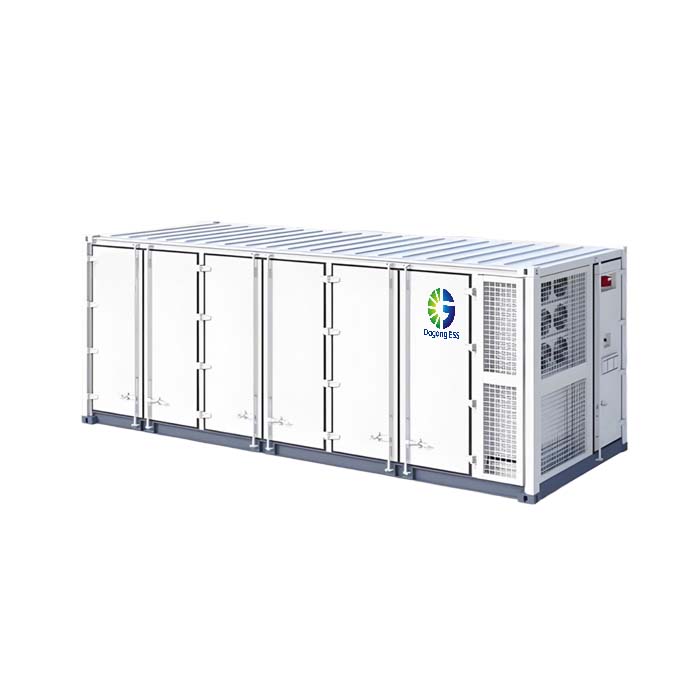
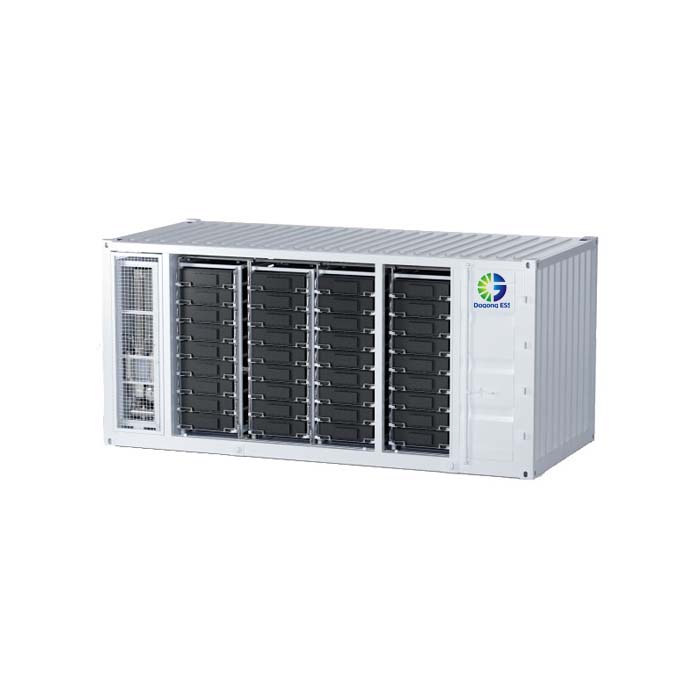
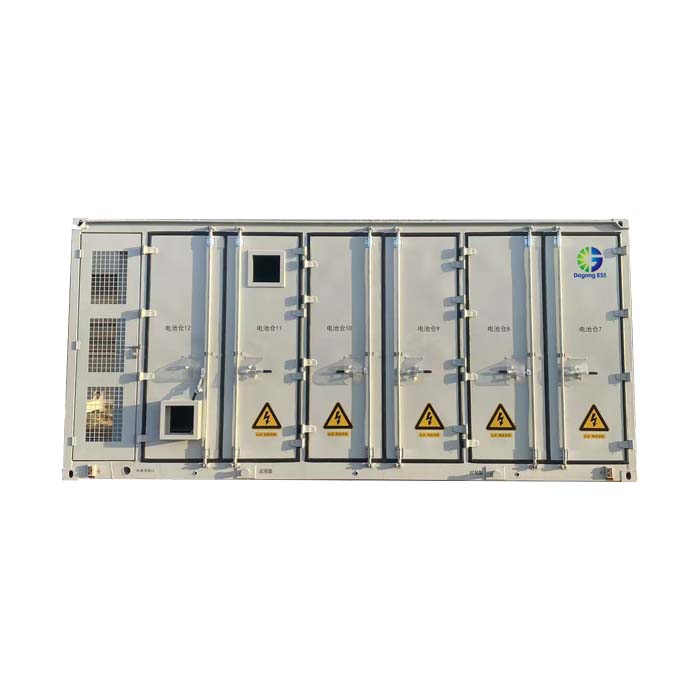
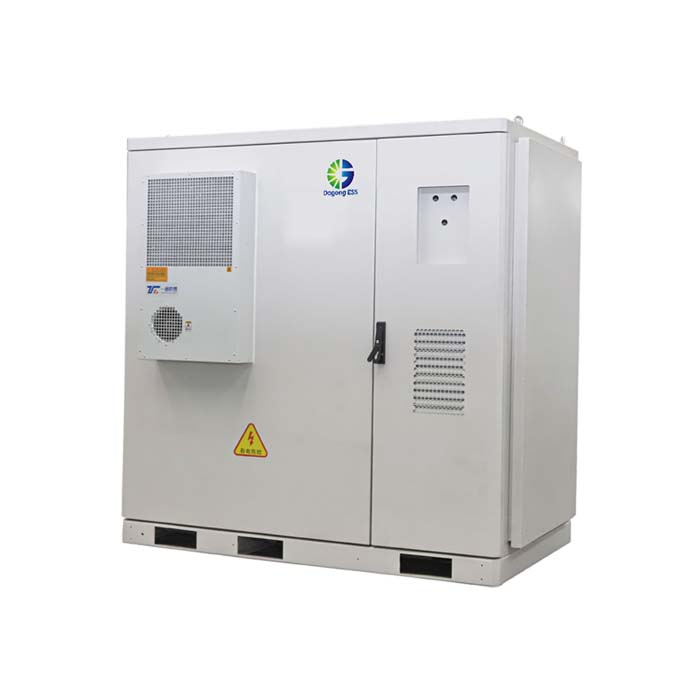
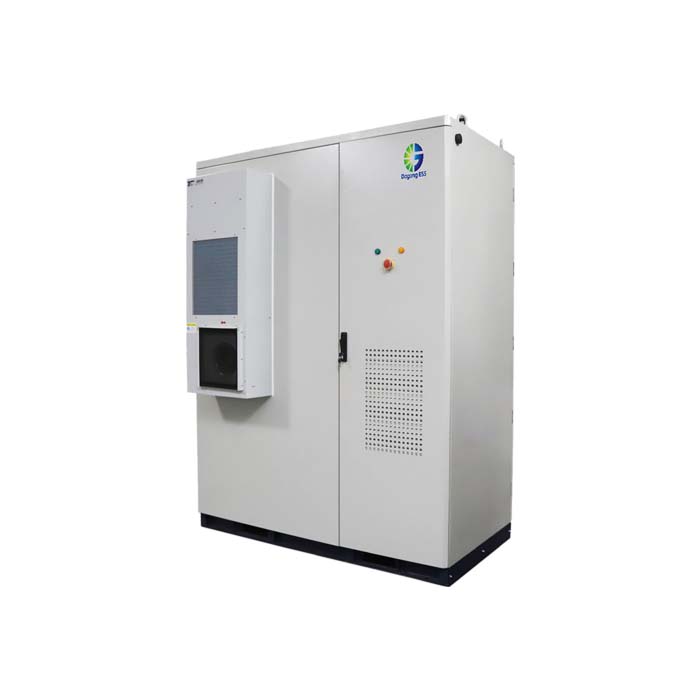
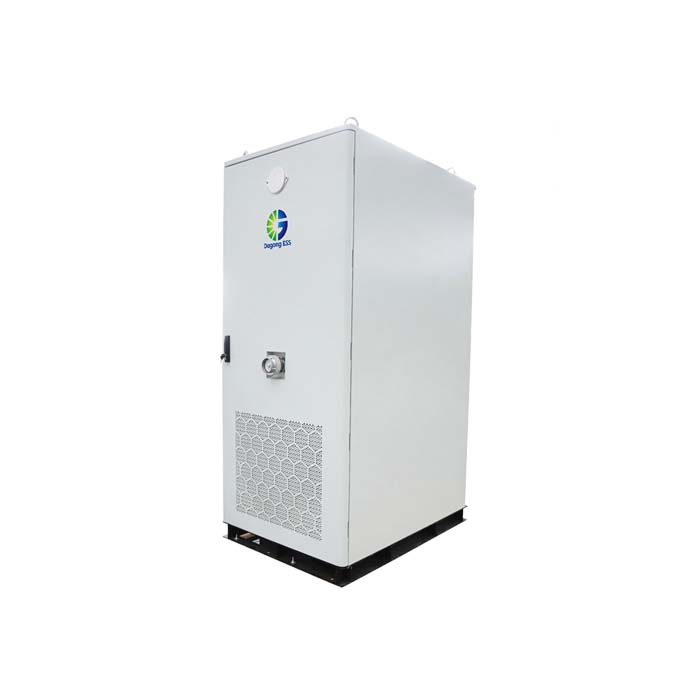
A Container Energy Storage System is a large-scale battery solution integrated into a standardized shipping container. It typically combines lithium battery packs (mainly LFP), battery management systems (BMS), power conversion systems (PCS), and thermal management units into a single enclosure.
This design allows the system to be transported easily, installed quickly, and expanded as needed. A single container usually offers capacities ranging from 1 MWh to over 5 MWh, and multiple units can be combined to form utility-scale energy storage plants.
Types of Container Energy Storage Systems
Container ESS can be categorized based on capacity, cooling method, and application requirements.
By Capacity
High-capacity systems are widely used in grid and industrial scenarios. For example, a 5MWh-class container can support large industrial loads or provide extended backup for critical infrastructure, while a 3MWh+ system is often suitable for commercial and industrial applications such as factories or data centers.
By Cooling Technology
Air-cooled systems use forced ventilation and are typically more cost-effective, making them suitable for moderate climates.
Liquid-cooled systems, on the other hand, offer better temperature control and improved battery consistency. This makes them more suitable for high-temperature regions, which are common across many parts of Africa.
By Application
Container ESS is commonly used in grid-side energy storage, commercial and industrial backup, and renewable-integrated microgrid systems. The flexibility of configuration allows the same technology to adapt to very different use cases.
Key Features of Container ESS
Containerized energy storage systems are designed to deliver long-term reliability under demanding conditions.
LFP battery chemistry provides strong thermal stability and long cycle life. Systems from Dagong ESS, for example, are designed for more than 8000 cycles with an expected lifespan exceeding 15 years.
The modular structure allows users to scale capacity over time. Instead of investing in a large system upfront, projects can start with a single unit and expand gradually.
Another advantage is deployment speed. Compared with traditional on-site battery construction, container systems arrive pre-assembled and can be commissioned in a much shorter timeframe.
Safety is also a key consideration. Certified systems that comply with standards such as CE and UN38.3 ensure safe operation and transportation.
Integrated BMS continuously monitors voltage, temperature, and system status, helping prevent abnormal conditions and optimizing performance.
In addition, these systems are designed to operate in challenging environments, with working temperature ranges typically from -20°C to 50°C.
Applications of Container ESS in Africa
Power Stability in South Africa
Frequent load shedding has created strong demand for reliable backup solutions. Container ESS allows businesses, hospitals, and commercial facilities to maintain operations during grid outages.
Industrial Backup in Nigeria
Unstable grid conditions in Nigeria often disrupt manufacturing. A multi-MWh container system can provide several hours of backup power, helping factories avoid downtime and reduce dependence on diesel generators.
Renewable Integration in Kenya
As Kenya expands its renewable energy capacity, energy storage becomes essential for managing intermittency. Container ESS enables more stable integration of solar and geothermal power into the grid.
Rural Electrification
In off-grid regions, containerized storage combined with solar PV can form independent microgrids. These systems store energy during the day and supply power at night, improving electricity access in remote communities.
Mining Operations
Mining sites require stable and continuous power. Container ESS supports critical loads while reducing diesel consumption, helping lower operational costs and emissions.
Price Considerations
The cost of a Container Energy Storage System depends on multiple factors, including system capacity, battery type, cooling technology, and project-specific integration requirements.
While the initial investment can be significant, long-term value is often reflected in reduced fuel consumption, lower maintenance costs, and improved operational stability. For many African applications, the overall return on investment is closely tied to avoided downtime and reduced reliance on diesel generation.
How to Select the Right Container ESS
Choosing the right system starts with understanding actual energy demand. Load size and required backup duration determine the necessary storage capacity.
Grid reliability should also be considered. Areas with frequent outages may require larger or more redundant systems.
Scalability is another key factor. Modular systems provide flexibility for future expansion without replacing existing infrastructure.
It is also important to work with suppliers that offer technical support, system integration guidance, and reliable after-sales service. Certification and warranty terms should be reviewed to ensure long-term system reliability.
Lifespan and Maintenance
Container ESS is designed for long-term operation, typically exceeding 15 years under proper conditions. With cycle life above 8000 cycles, the system can handle frequent charge and discharge without rapid degradation.
To maintain performance, periodic inspections and basic maintenance are recommended. This includes checking thermal management systems, updating BMS software, and ensuring proper operating conditions.
The modular design also allows individual components to be serviced without affecting the entire system.
Container Energy Storage Systems are playing an increasingly important role in addressing Africa’s energy challenges. Their flexibility, scalability, and reliability make them suitable for a wide range of applications, from industrial backup to renewable energy integration and rural electrification.
As energy demand continues to grow across the continent, containerized storage solutions are expected to become a key part of future power infrastructure.
If you are interested in Container Energy Storage System products, please contact Dagong ESS.Email: sales@dagongess.com
Website: www.dagongess.com