
 WhatsApp
 sales@dagongess.com
 +86 18137952759
Commercial Energy Storage Systems: Supporting Southeast Asia’s Industrial Growth
Southeast Asia is experiencing rapid industrial expansion. Countries such as Indonesia, Malaysia, Thailand, and Singapore continue to see strong growth in manufacturing, logistics, and commercial infrastructure. Along with this growth comes increasing pressure on power systems.
For many businesses, unstable power supply, rising electricity costs, and peak demand charges have become ongoing challenges. Commercial Energy Storage Systems (ESS) are emerging as a practical solution, helping companies improve energy reliability while optimizing operational costs.
What is a Commercial Energy Storage System?
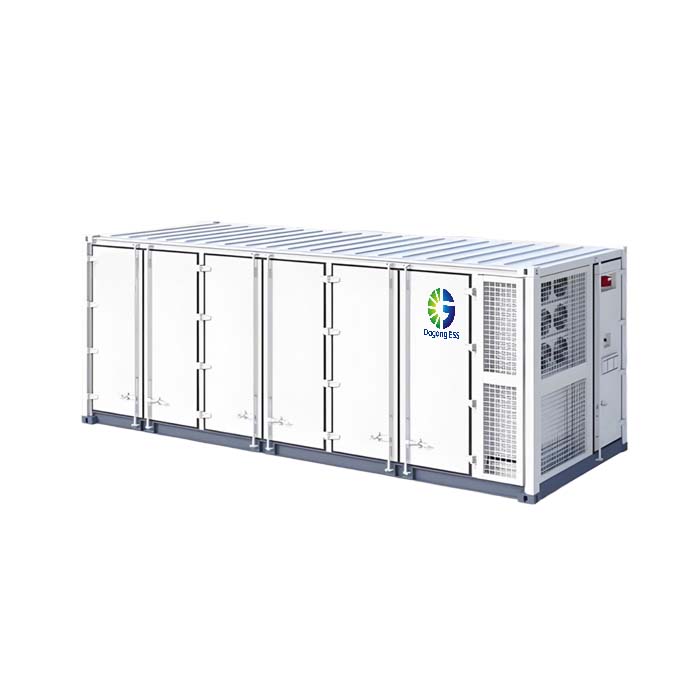
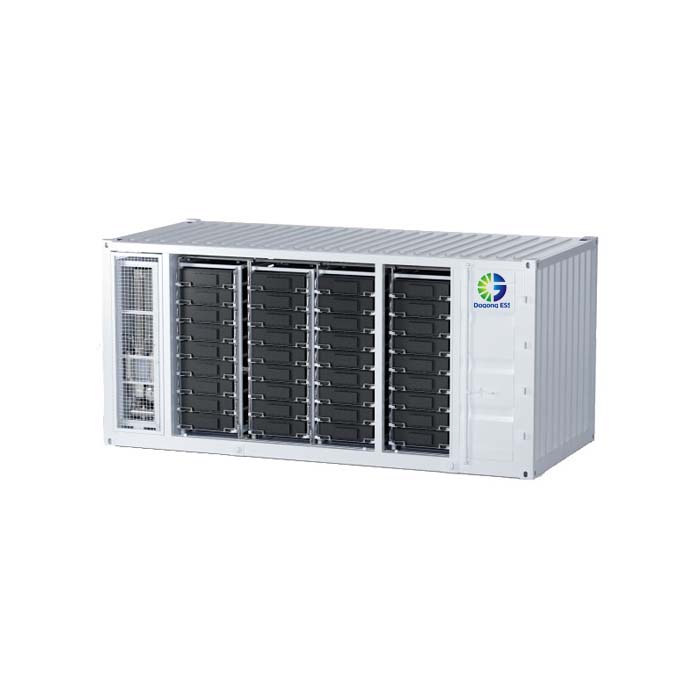
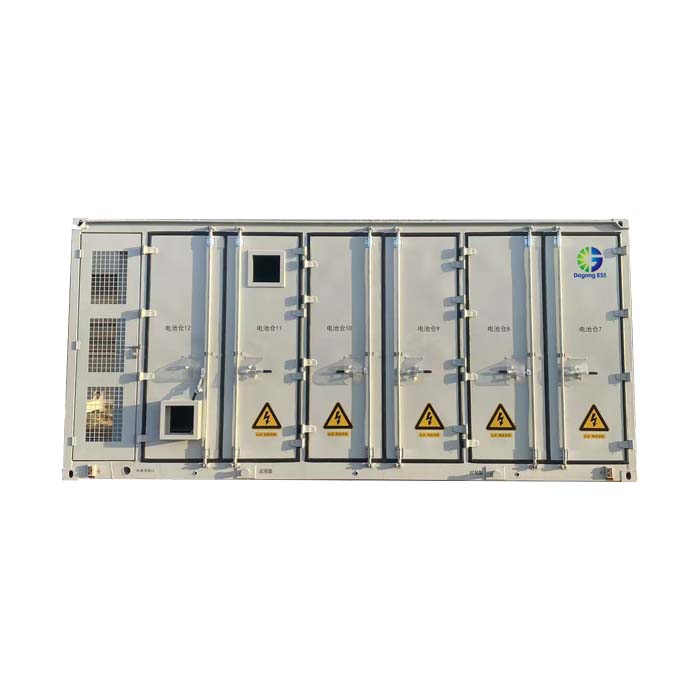
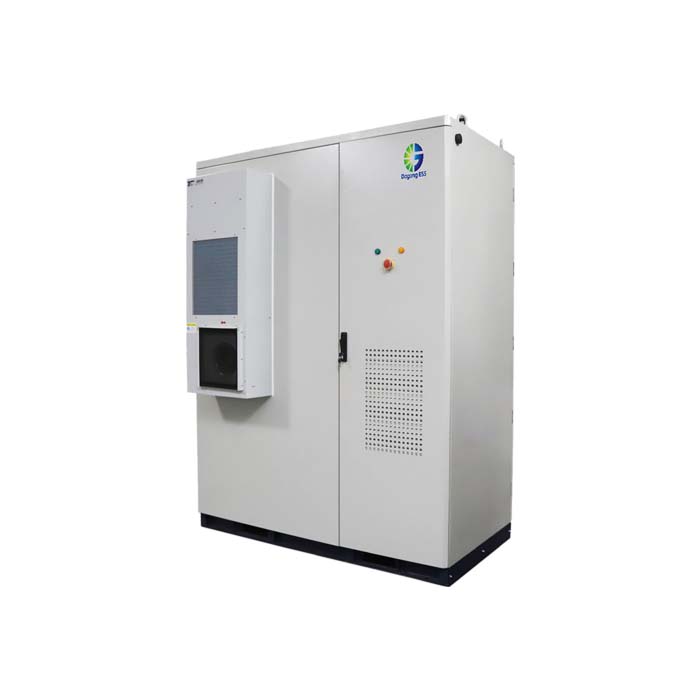
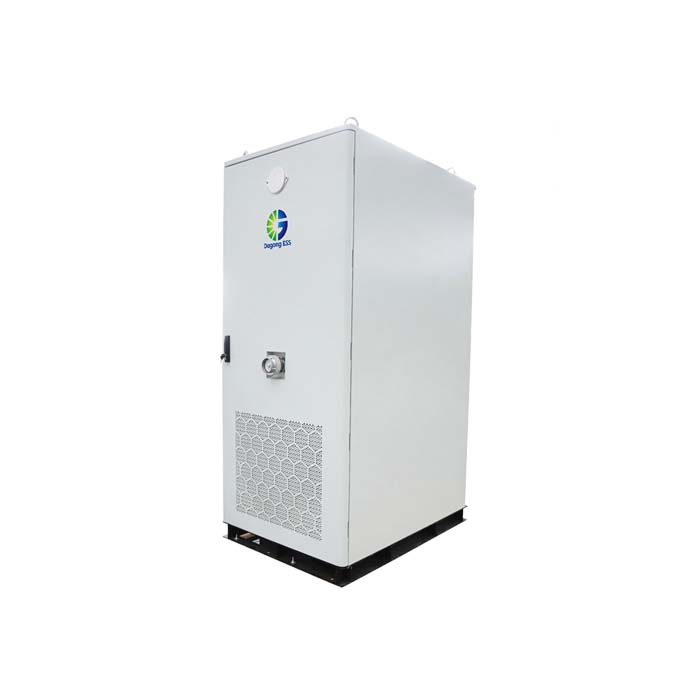
A Commercial Energy Storage System is designed to store electricity for use in commercial and industrial environments. Compared with residential systems, commercial ESS supports higher power output and larger storage capacity, typically ranging from 100kWh to over 400kWh.
These systems are widely used in factories, office buildings, retail centers, data centers, and other facilities with continuous power demand.
Most modern systems are based on Lithium Iron Phosphate (LFP) batteries, which provide strong thermal stability, long cycle life, and improved safety. These characteristics are especially important in Southeast Asia, where high temperatures and humidity are common.
Types of Commercial Energy Storage Systems
Air-Cooled Systems
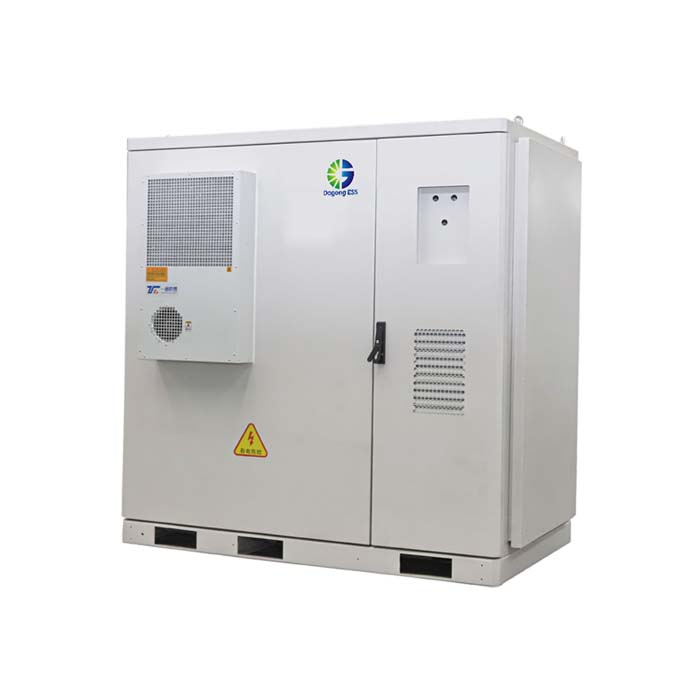
Air-cooled ESS uses ventilation for heat dissipation and is generally more cost-effective.
Typical configurations include systems around 100kWh to 250kWh, suitable for office buildings, retail environments, and small to medium-sized commercial applications. These systems are easier to maintain and perform well in controlled environments.
Liquid-Cooled Systems
Liquid-cooled ESS uses coolant circulation for more precise thermal management.
This type of system offers better temperature consistency and improved efficiency, making it more suitable for high-temperature, high-load environments such as manufacturing facilities and data centers.
In tropical climates, liquid-cooled systems often provide more stable long-term performance.
Key Features of Commercial ESS
Commercial energy storage systems are designed to meet demanding operational requirements.
They typically support more than 8000 charge and discharge cycles, enabling over 15 years of service life under normal operating conditions.
Modular design allows capacity to be expanded as business needs grow, without replacing the entire system.
Certified systems that comply with international standards such as CE and UN38.3 help ensure safety and facilitate deployment across different markets.
Advanced battery management systems continuously monitor performance, optimize charging behavior, and reduce the risk of system faults.
Applications in Southeast Asia
Peak Shaving
Electricity pricing in many Southeast Asian countries includes demand charges based on peak usage. Commercial ESS allows businesses to reduce peak load by using stored energy, lowering overall electricity costs.
Backup Power
For industries and commercial facilities, power interruptions can lead to significant losses. Energy storage systems provide fast and seamless backup, protecting equipment and maintaining operations.
Renewable Energy Integration
With the rapid adoption of solar energy in the region, energy storage helps manage fluctuations in generation. Excess energy can be stored during the day and used during peak hours or at night.
Grid Support
Commercial ESS can also contribute to grid stability by providing voltage support and balancing supply and demand, especially in regions where infrastructure is under pressure.
Price Considerations
The cost of a Commercial Energy Storage System depends on factors such as system capacity, cooling method, inverter configuration, and installation requirements.
Liquid-cooled systems generally involve higher upfront costs, but their improved thermal performance and longer lifespan often make them more suitable for tropical environments.
When evaluating investment, businesses should consider total cost of ownership, including maintenance, operational savings, and system lifespan, rather than focusing only on initial cost.
How to Select the Right Commercial ESS
Selecting a suitable system requires a clear understanding of operational needs.
Climate conditions should be considered, particularly in high-temperature and high-humidity environments.
Capacity planning should be based on peak demand reduction targets and required backup duration.
Scalability is important for businesses expecting future growth. Modular systems allow flexible expansion.
It is also important to verify certification compliance and ensure access to technical support and after-sales service.
Lifespan and Maintenance
Commercial ESS is designed for long-term operation, typically exceeding 15 years.
Routine maintenance includes system inspections, thermal management checks, and software updates.
The modular structure allows individual components to be serviced or replaced without affecting overall system performance, reducing maintenance complexity and cost.
Commercial Energy Storage Systems are becoming an essential part of Southeast Asia’s industrial development. By improving power reliability, reducing energy costs, and supporting renewable energy integration, these systems help businesses remain competitive in a rapidly evolving market.
As electricity demand continues to grow, energy storage will play a key role in building more resilient and efficient energy systems across the region.
If you are interested in commercial energy storage products, please contact Dagong ESS.
Email: sales@dagongess.com
Website: www.dagongess.com