
 WhatsApp
 sales@dagongess.com
 +86 18137952759
500Ah+ Battery Cells: The Core Technology Driving Next-Generation Energy Storage Systems
What Are 500Ah+ Large-Capacity Battery Cells?
The global energy storage industry is entering a new phase defined by scale, efficiency, and lifecycle optimization. At the center of this transition is the rapid evolution from 280Ah–314Ah battery cells toward 500Ah and above large-capacity cells.
These next-generation lithium iron phosphate (LFP) cells are designed to deliver higher energy density, longer cycle life, and improved system integration efficiency. Unlike earlier cell formats, 500Ah+ cells significantly reduce the number of cells required in a system, simplifying architecture while lowering auxiliary material usage.
Leading manufacturers have already accelerated commercialization. Products such as 587Ah, 628Ah, 684Ah, and even 1000Ah+ cells are now entering mass production or pilot deployment stages, signaling a clear industry consensus: large-format cells are becoming the new standard for utility-scale and commercial storage.
Why the Industry Is Shifting to Large-Capacity Cells
The shift toward 500Ah+ battery cells is not accidental—it is driven by structural demands across the energy storage value chain.
First, system-level cost reduction has become critical. By increasing individual cell capacity, system integrators can reduce the number of cells, battery management connections, and structural components. This leads to measurable savings in both capital expenditure and installation complexity.
Second, long-duration energy storage (LDES) is becoming a priority. Grid operators increasingly require systems capable of delivering energy for 4–8 hours or more. Larger cells are inherently better suited for these applications due to improved thermal consistency and reduced internal resistance variability.
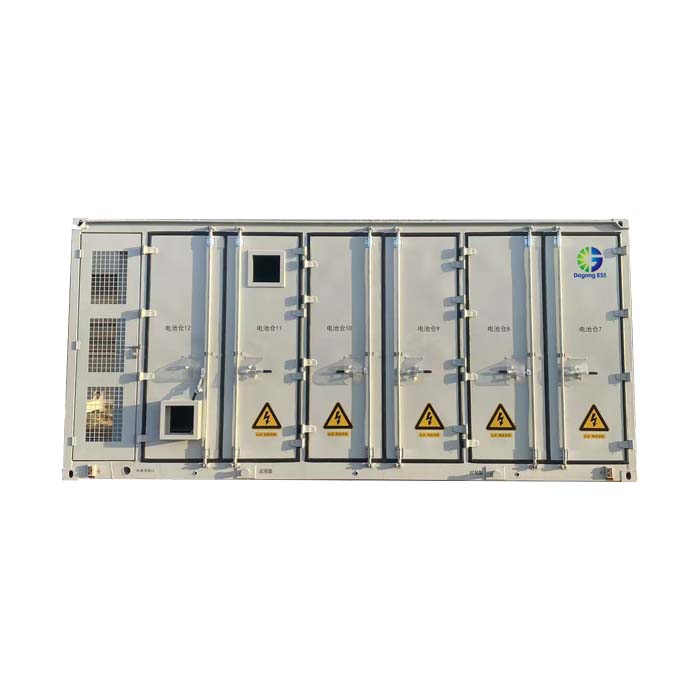
Third, project scalability is accelerating. Utility-scale storage projects are rapidly moving toward 5MWh+ containerized systems, where large-format cells provide clear advantages in footprint optimization and deployment speed.
Technical Advantages of 500Ah+ Cells
Modern large-capacity battery cells offer several defining characteristics:
Higher energy density (typically 415–450Wh/L), enabling more compact system designs
Extended cycle life, often exceeding 10,000–12,000 cycles
Improved system efficiency, with reduced electrical losses
Enhanced integration capability, supporting standardized container solutions
These advantages are particularly valuable for large-scale deployments where efficiency and reliability directly impact project economics.
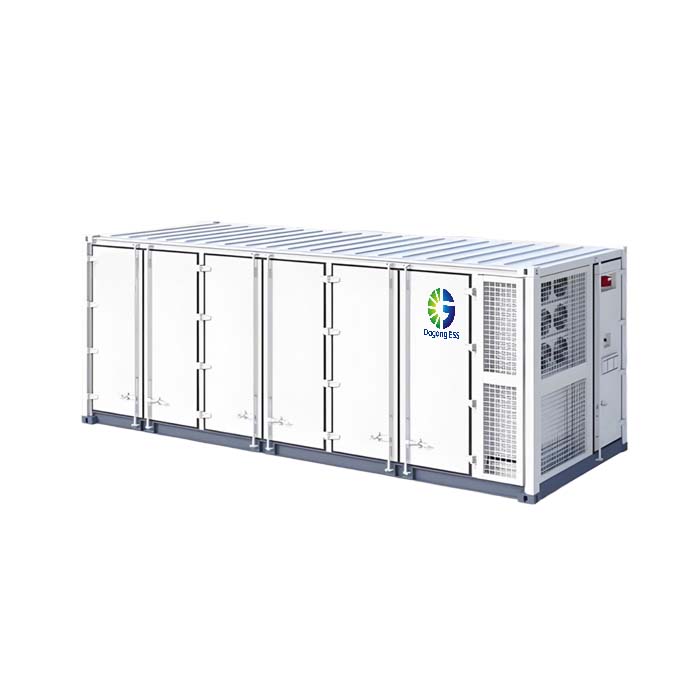
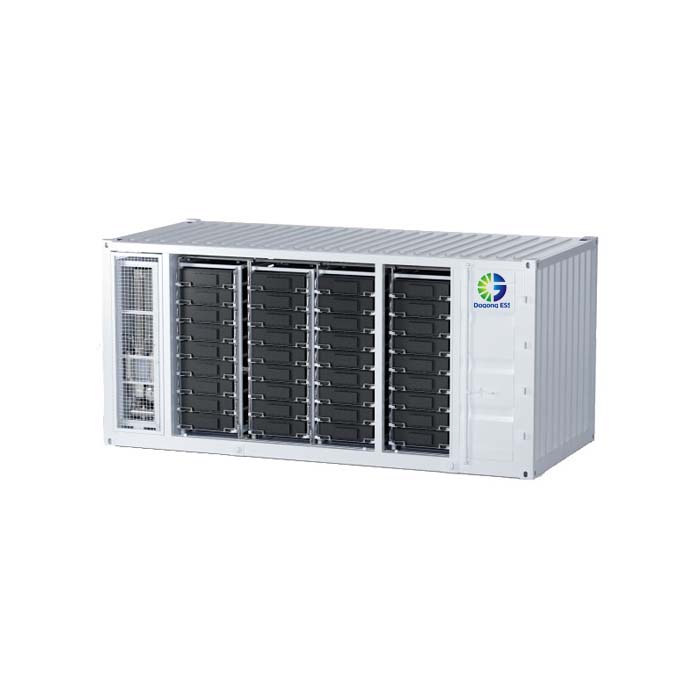
For example, when integrated into containerized storage systems such as the 5MWh Liquid-Cooled ESS Container, large-capacity cells enable higher energy density within the same physical footprint, improving land utilization and reducing infrastructure costs.
Challenges in Large-Cell Development
Despite the benefits, scaling battery capacity introduces new engineering challenges.
Thermal management becomes more complex as larger cells generate higher heat concentrations. Uneven temperature distribution can impact performance consistency and long-term reliability if not properly managed.
Manufacturing precision is another critical factor. Large-format cells require tighter control over electrode coating, stacking alignment, and electrolyte distribution to maintain uniform performance across cycles.
Safety also remains a key consideration. With increased energy per cell, system-level protection strategies—such as advanced battery management systems (BMS) and liquid cooling—are essential to ensure operational stability.
Integration into Commercial & Industrial ESS
Large-capacity battery cells are not limited to utility-scale projects. They are increasingly being integrated into commercial and industrial (C&I) energy storage systems, where efficiency and space optimization are equally important.
Products such as:
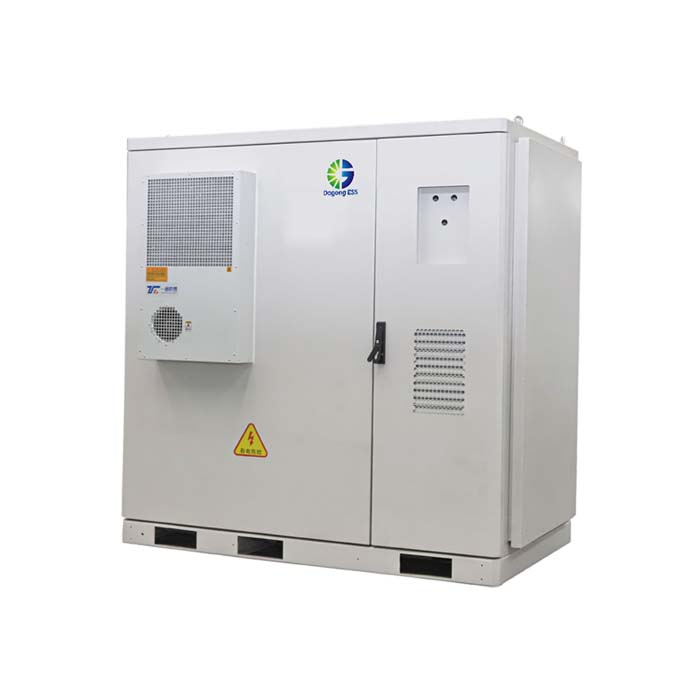
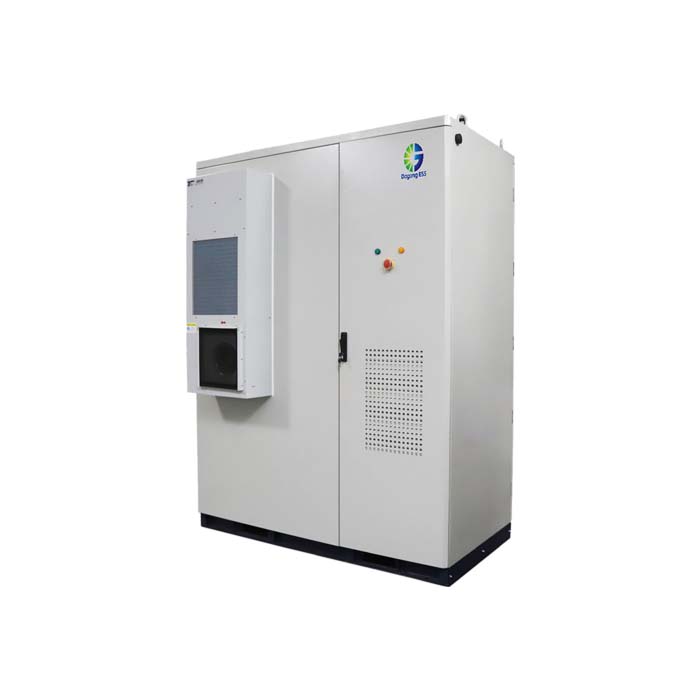
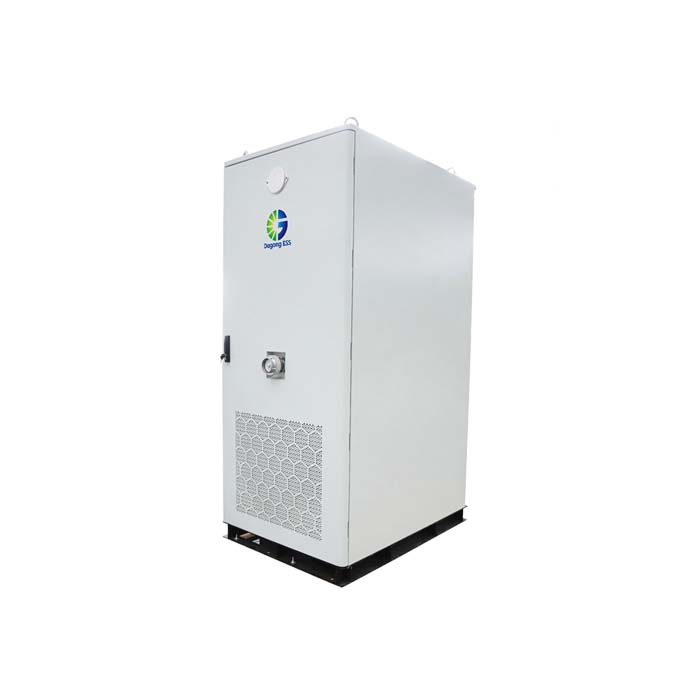
100kWh–144kWh Air-Cooled ESS
241kWh and 372kWh Liquid-Cooled ESS
benefit directly from large-cell architecture by reducing system complexity while improving performance consistency.
In high-temperature environments—such as Southeast Asia or the Middle East—liquid-cooled systems paired with large-capacity cells deliver superior thermal stability, ensuring reliable operation under demanding conditions.
Applications Across Energy Storage Scenarios
The adoption of 500Ah+ cells is transforming multiple application scenarios:
Grid-scale storage: enabling higher-capacity container solutions for renewable integration
Industrial peak shaving: reducing electricity costs through efficient energy management
Data centers: ensuring stable, long-duration backup power
Microgrids: supporting remote and off-grid energy systems
These applications highlight how large-capacity cells are not just a technological upgrade, but a foundational shift in system design philosophy.
Future Outlook: Toward 1000Ah+ and Beyond
Looking ahead, the evolution of battery cells will continue toward even larger capacities, with 700Ah–1000Ah+ formats already under development or early deployment.
However, the industry is unlikely to pursue capacity increases without limits. Instead, the focus will shift toward optimal balance between cell size, safety, manufacturability, and system efficiency.
As energy storage projects scale globally, the role of large-capacity cells will become increasingly central—particularly in enabling cost-effective long-duration storage.
The transition to 500Ah+ battery cells represents one of the most significant technological shifts in the energy storage industry. By improving energy density, reducing system complexity, and enabling large-scale deployment, these cells are redefining how energy storage systems are designed and implemented.
For system integrators and project developers, the key lies not only in adopting large-capacity cells, but in integrating them effectively within advanced energy storage solutions.
If you are interested in large-capacity battery-based energy storage systems, please contact Dagong ESS.Email: sales@dagongess.com
Website: www.dagongess.com