
 WhatsApp
 sales@dagongess.com
 +86 18137952759
Why Is the Energy Storage Market Shifting to Daily One Charge–One Discharge Cycles?
A one charge–one discharge (1C1D) cycle refers to operating an energy storage system (ESS) with a single full cycle per day—charging once during off-peak or solar hours, then discharging once during peak electricity periods.
In 2025, policies and market signals across several regions—most notably China’s Jiangsu and Zhejiang provinces—significantly reduced the price spread between peak and off-peak electricity. This change made two charge–two discharge (2C2D) operations less profitable and pushed investors toward the more stable 1C1D model.
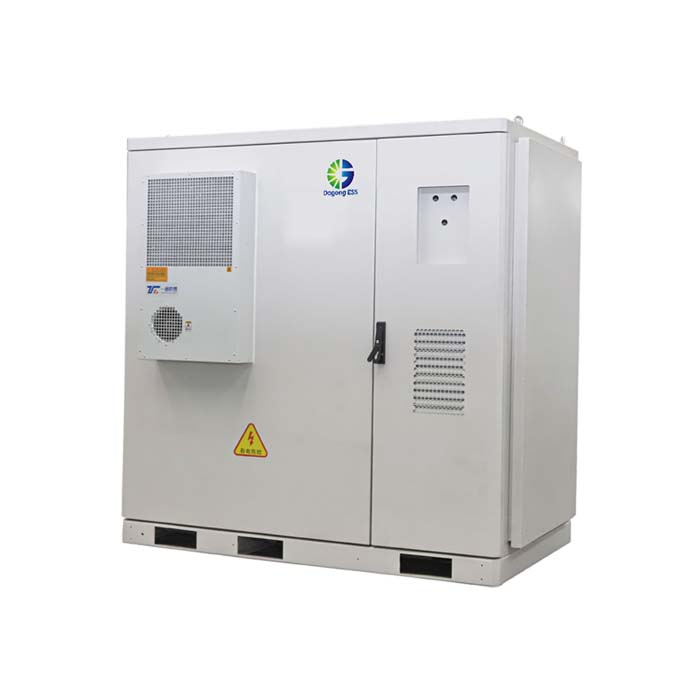
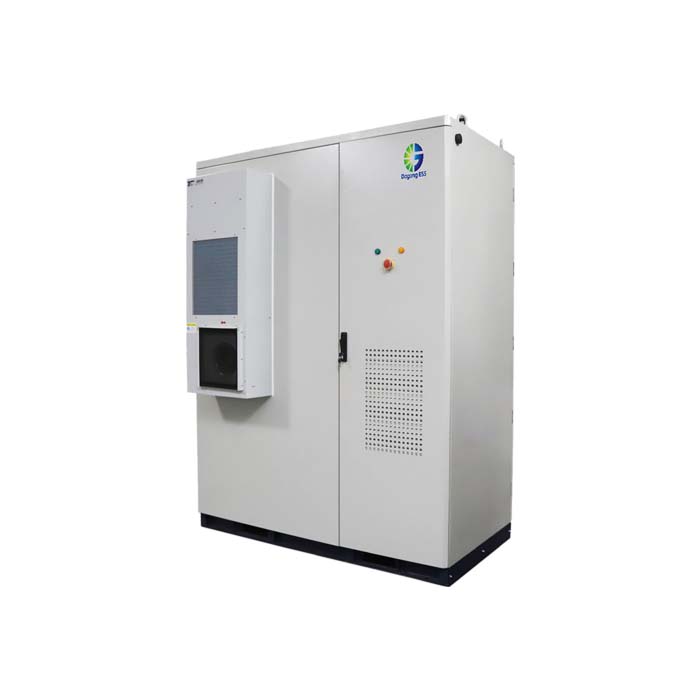
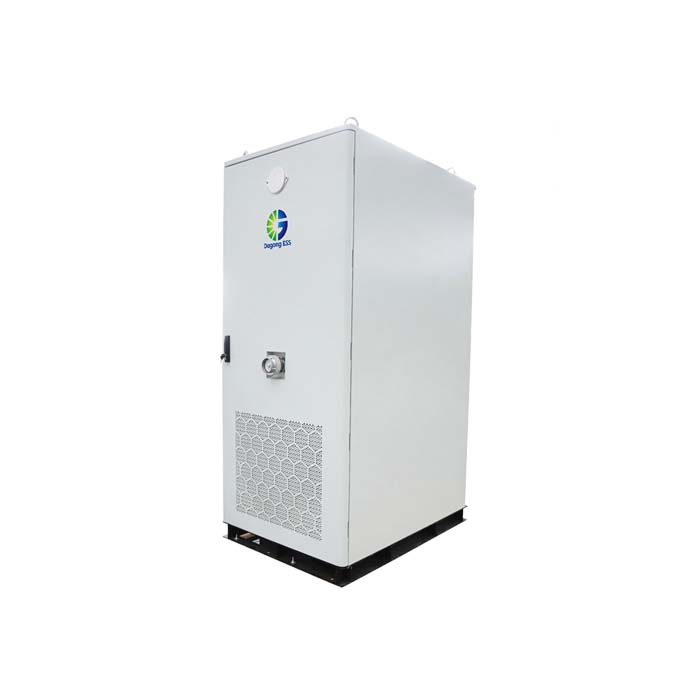
Modern ESS technologies, such as Dagong ESS 144–416kWh air-cooled and 241–372kWh liquid-cooled systems, are designed to support long-duration operation, making them suitable for daily 1C1D cycles in commercial and industrial (C&I) applications.
Types of Charge–Discharge Strategies
1. One Charge–One Discharge (5-hour ESS)
Long-duration storage
Lower power stress on the transformer
Higher usable capacity
Suitable for 10kV high-voltage connection
2. Two Charge–Two Discharge (2-hour ESS)
Short-duration storage
Higher C-rate stress
More frequent cycling → faster degradation
Due to policy and cost changes, markets are rapidly migrating from 2-hour to 5-hour systems.
Features & Advantages of the One Charge–One Discharge Model
1. Larger Deployable Capacity — Up to 2.5× More
A 5-hour ESS allows significantly larger energy installation on the same transformer capacity.
Example (based on 3MW available margin):
2C2D (2h system): 3MW / 6MWh
1C1D (5h system): 3MW / 15MWh
This longer-duration configuration:
Reduces transformer impact
Maximizes available connection capacity
Offers higher operational earnings
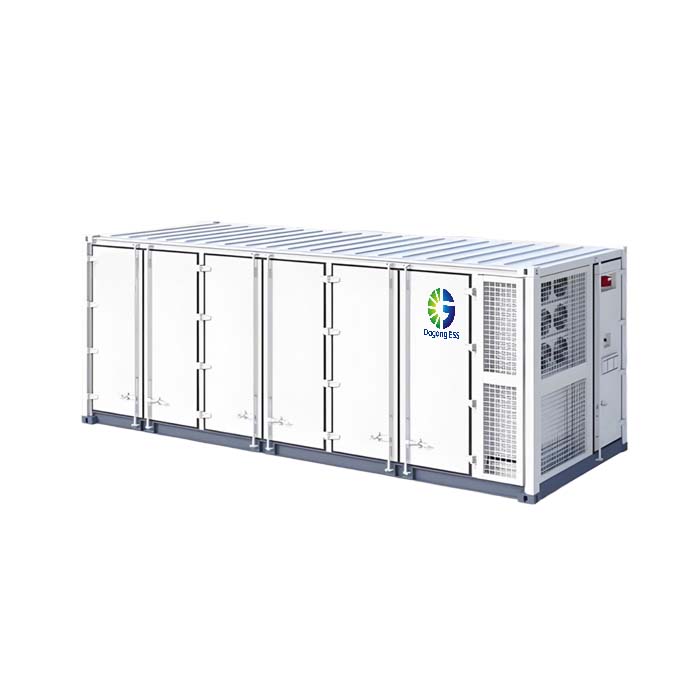
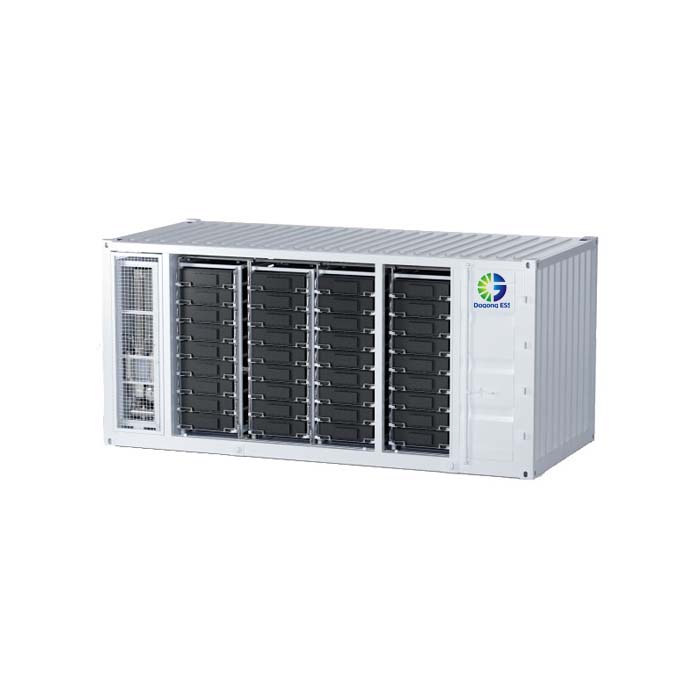
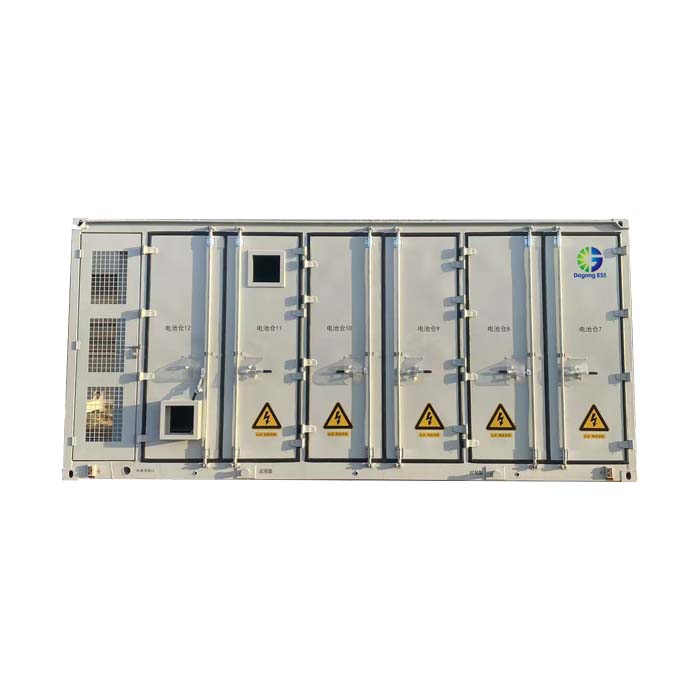
Dagong ESS provides modular 1.2MWh and 5MWh container systems designed specifically for long-duration applications.
2. Flexible Installation & Broader Site Availability
Short-duration ESS often requires 380V low-voltage access, limiting installation locations to within 50m of the transformer.
By contrast, 1C1D systems commonly use 10kV high-voltage access, which allows:
Longer cable routing
Freer equipment placement
More site candidates
This expansion in viable sites significantly increases project volume for C&I investors.
3. Lower Degradation & Lower Operational Risk
Daily cycles directly affect battery aging.
With 1C1D:
Cycle count ↓ 50%
Battery aging slowdown
System faults decrease
Performance becomes predictable
An industry example shows:
2C2D revenue volatility: ~15%
1C1D revenue volatility: ~5%
Such stability is crucial for project financing and long-term investment.
Dagong ESS liquid-cooled systems (241–372kWh) use balanced thermal management to further extend cycle life beyond 8000+ cycles.
4. Higher Effective Capacity Utilization
All ESS projects require SOC reserves (typically 20%) for grid protection and backup.
2-hour system → ~1.6h effective
5-hour system → ~4h effective
With longer discharge duration, investors gain:
More revenue per day
Higher renewable utilization
Better alignment with peak-price periods
This makes 1C1D the more revenue-efficient model.
Market Drivers Behind the Shift
1. Policy Changes Are Shrinking Arbitrage Space
New time-of-use pricing structures reduce the number of profitable cycling windows.
With fewer peak–valley opportunities, cycling more times per day (2C2D) no longer increases revenue.
2. Rapid ESS Cost Reduction
C&I ESS costs have dropped dramatically:
From 1.5 RMB/Wh (2023)
To 0.5 RMB/Wh (2025)
This 66% reduction makes long-duration 1C1D economically attractive.
LCOS comparisons:
2C2D: ~0.95 RMB/kWh
1C1D: <0.6 RMB/kWh
As system prices fall, larger-capacity 5-hour systems become the optimal choice.
3. Financing Favors Stable Cash Flow
Banks and investment institutions increasingly prefer ESS with:
Lower volatility
Lower degradation
Predictable performance
1C1D models generate smoother cash flow, enabling:
Project revenue securitization
Low-interest financing
Capacity expansion
Some companies have achieved 300% annual installation growth by leveraging 1C1D project portfolios for financing.
Applications of One Charge–One Discharge ESS
Commercial and industrial peak-shaving projects
Industrial parks and manufacturing centers
PV-coupled C&I installations
Microgrids with long-duration demand
Grid services requiring stable discharge windows
Dagong ESS offers suitable solutions across scales:
241–372kWh liquid-cooled long-duration packs
1.2MWh & 5MWh container ESS for large industrial parks
Price Factors of Long-Duration ESS
The cost of a 1C1D ESS depends on:
Energy capacity
Cooling system
Battery cycle life
Certification (CE / UN38.3 / MSDS)
Integration and installation requirements
Pricing varies by project scale, but falling system costs continue to support the transition toward long-duration storage.
How to Select an ESS for One Charge–One Discharge Operation?
Key selection criteria include:
Long cycle life (≥8000 cycles)
Thermal management (liquid-cooled preferred for 5h+)
High round-trip efficiency
High-voltage connection capability
Safety protections & certification
Scalable modular design (144kWh–5MWh)
Dagong ESS systems are engineered around these requirements to ensure safe and stable long-duration operation.
How Long Can a 1C1D ESS Last?
A high-quality LFP system operated under 1C1D typically achieves:
10–15 years lifespan
More than 8000 cycles
70–80% capacity retention at end-of-life
Liquid-cooled systems improve temperature balance, extending usable life further.
Why 1C1D Is Becoming the Global C&I Standard
The transition from 2C2D to 1C1D is not a short-term trend.
It reflects deeper structural changes:
Policy: arbitrage opportunities are shrinking
Economics: long-duration systems now cost far less
Investment logic: predictable returns outweigh high-frequency cycling
As global markets adopt long-duration ESS, solutions such as Dagong ESS's air-cooled, liquid-cooled, and containerized BESS provide reliable options for C&I investors seeking stable, long-term value in daily one-cycle operations.