
 WhatsApp
 sales@dagongess.com
 +86 18137952759
Why Is Thermal Management a Safety Boundary in Energy Storage Systems?
In large-scale energy storage systems, safety is not defined by nominal specifications or protection logic alone. Instead, it is largely determined by how effectively a system controls temperature under real operating conditions.
Among all system-level technologies, thermal management technology plays a decisive role in defining the safety boundary of an energy storage system. Inadequate temperature control increases the risk of accelerated degradation, system derating, and, in extreme cases, thermal runaway.
As energy storage systems scale from hundreds of kilowatt-hours to multi-megawatt-hour containers, thermal management shifts from a performance consideration to a core safety requirement.
How Does Temperature Affect Battery Safety and Degradation?
Battery cells are highly sensitive to temperature. Even within allowable operating ranges, temperature differences can significantly influence aging behavior and safety margins.
Key impacts of poor battery temperature control include:
Accelerated electrochemical degradation at elevated temperatures
Increased internal resistance and heat generation
Uneven aging caused by temperature gradients
Higher probability of thermal runaway under fault conditions
From a system perspective, temperature inconsistency often amplifies existing cell differences, undermining energy storage system safety over time.
What Defines an Effective Thermal Management System?
An effective thermal management system does not simply remove heat. It ensures that all cells operate within a narrow and stable temperature range throughout the system lifecycle.
Core objectives include:
Maintaining cell temperatures within safe operating limits
Minimizing temperature differences between cells and modules
Preventing localized hot spots
Supporting early fault detection and isolation
In large-scale ESS, thermal management must be designed as an integrated system-level function rather than an auxiliary component.
Air-Cooled vs Liquid-Cooled Thermal Management: Safety Implications
1. Air-Cooled Energy Storage Systems
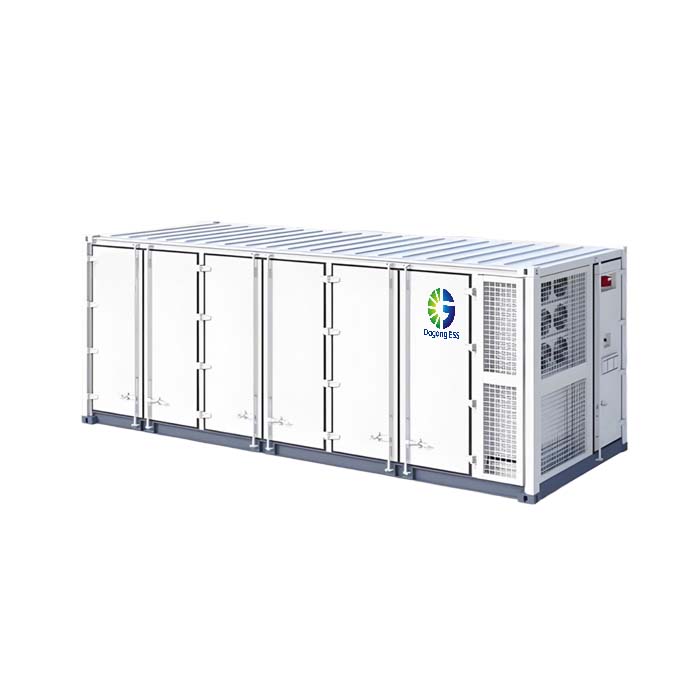
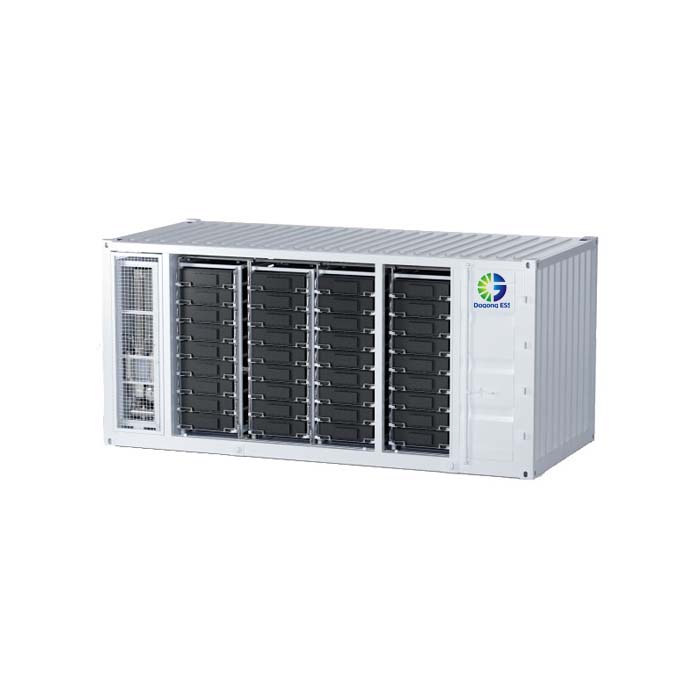
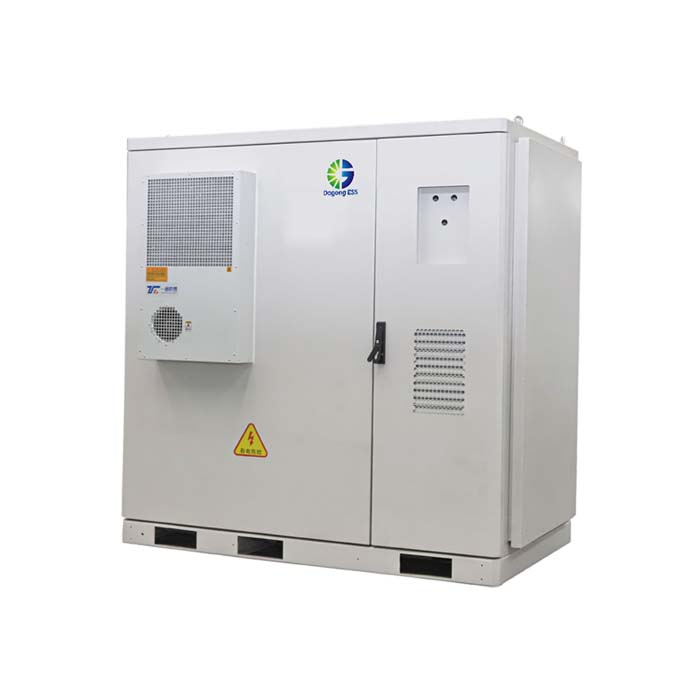
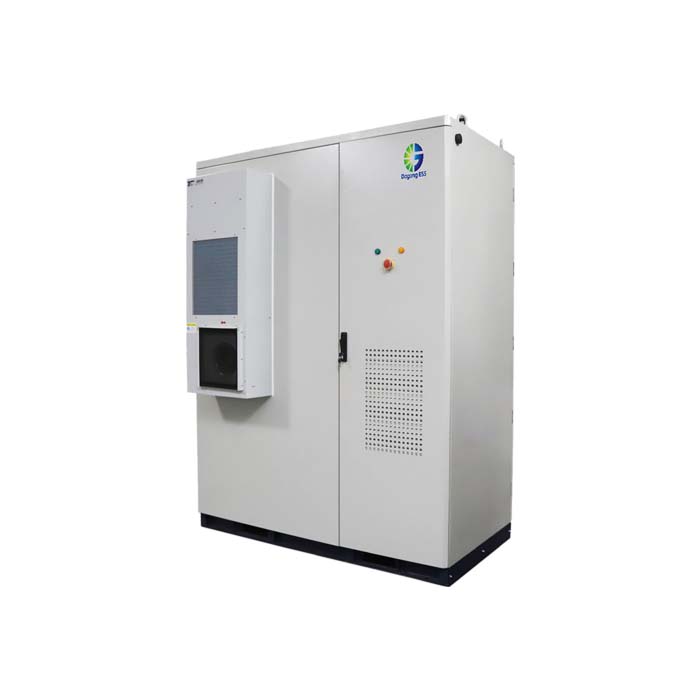
Air-cooled energy storage systems rely on forced airflow to dissipate heat generated by battery cells and power electronics. Their advantages include structural simplicity and lower initial cost.
However, air cooling faces inherent limitations as system energy density increases:
Reduced cooling efficiency at high ambient temperatures
Larger temperature gradients across racks
Higher dependence on airflow path optimization
As a result, air-cooled solutions are typically applied in small to mid-scale systems where thermal loads remain manageable.
2. Liquid-Cooled Energy Storage Systems
Liquid-cooled energy storage systems use coolant circulation to achieve more uniform and efficient heat transfer. This approach offers several safety-related advantages:
Superior temperature uniformity
Faster response to thermal fluctuations
Improved control of high-power and high-density systems
By maintaining narrow temperature spreads—often within 3–5°C—liquid cooling significantly enhances battery thermal runaway prevention and long-term system reliability. For this reason, liquid cooling has become the preferred solution for large-capacity and utility-scale ESS.
Thermal Management and Thermal Runaway Prevention
Thermal runaway is one of the most critical safety risks in lithium-based energy storage systems. While electrical protection and BMS logic are essential, they cannot fully compensate for inadequate thermal design.
Effective battery thermal runaway prevention relies on:
Limiting temperature rise during abnormal conditions
Preventing heat propagation between adjacent cells
Supporting early warning through temperature monitoring
Integrating thermal isolation and fire suppression strategies
Thermal management therefore acts as the first physical barrier against fault escalation.
How Thermal Management Impacts System Lifetime and Availability
Beyond safety, thermal management directly affects system economics. Poor temperature control accelerates degradation, leading to early capacity loss and reduced availability.
Systems with optimized thermal management technology typically achieve:
Slower and more predictable degradation rates
Higher usable energy over time
Lower maintenance and replacement costs
Longer effective system lifetime
In large-scale deployments, these benefits translate into improved project bankability and lower total cost of ownership (TCO).
Applications Where Thermal Management Is Most Critical
The importance of thermal management in large-scale ESS is especially evident in applications such as:
Utility-scale renewable energy integration
Grid frequency regulation and ancillary services
Industrial peak shaving and load shifting
Data center backup power systems
High-duty-cycle microgrids
In these scenarios, systems operate under continuous or high-stress conditions, making robust thermal design essential for safe and reliable operation.
How to Evaluate Thermal Management in Energy Storage Projects?
When assessing energy storage solutions, project developers and EPCs should look beyond cooling method labels and examine:
Temperature uniformity performance under load
Redundancy and fault tolerance of cooling systems
Integration between thermal management, BMS, and system control
Proven field performance in similar operating environments
Manufacturers with experience across air-cooled and liquid-cooled ESS platforms are better positioned to define clear safety boundaries through effective thermal management design.
Final Thoughts: Thermal Management Defines the Safety Margin
In large-scale energy storage systems, safety is not an abstract concept—it is an engineered boundary. Thermal management technology defines that boundary by controlling how heat is generated, dissipated, and contained.
As energy storage projects continue to scale up, thermal management is no longer an optional optimization. It is a fundamental requirement for safe, long-term, and reliable energy storage deployment.
If you are interested in energy storage system products, please contact Dagong ESS.
Email: sales@dagongess.com